What is the oldest evidence of water on Mars?

The question of when liquid water flowed freely on Mars has long fascinated planetary scientists, but recent findings have pushed the timeline for this crucial ingredient for life much further back than previously thought, and under surprising conditions. The search has transitioned from looking for features shaped by flowing rivers to finding microscopic signatures locked within the planet's oldest rocks. This earliest evidence suggests that liquid water existed on Mars roughly 4 billion years ago.
# Crystal Time Capsules
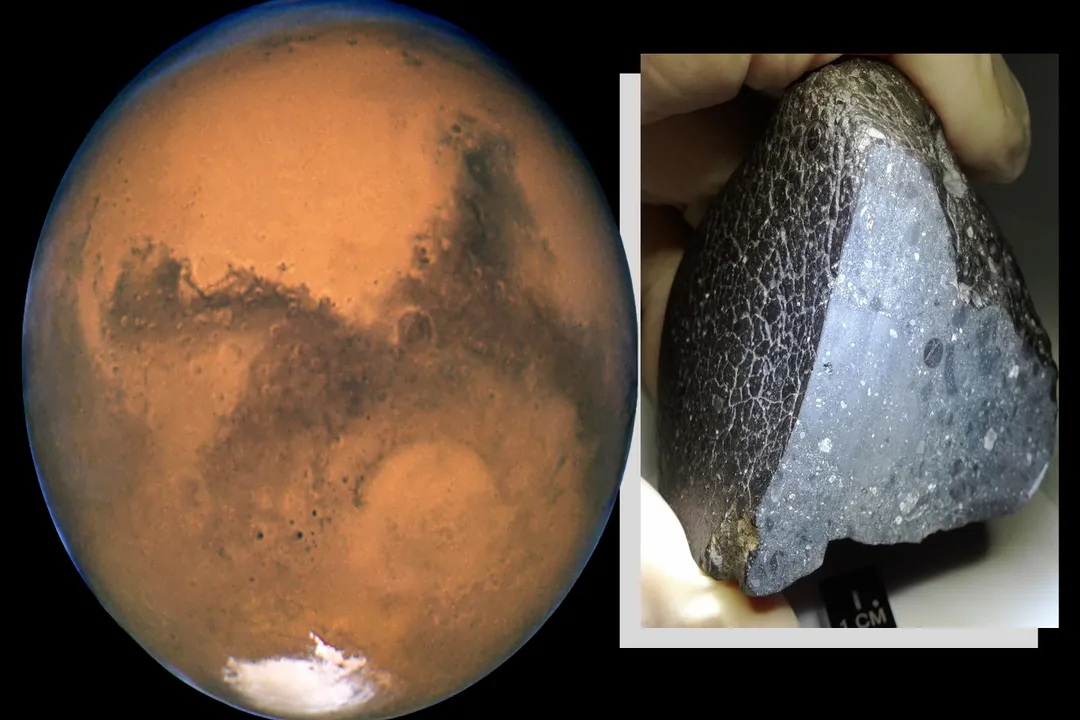
The most compelling current candidate for the oldest proof of water involves examining ancient geological samples, specifically a tiny crystal. Scientists have analyzed zircon crystals unearthed from Martian meteorites that have fallen to Earth. Zircons, known for their incredible durability, act like perfect time capsules, preserving the chemical conditions present when they formed.
By studying these 4-billion-year-old zircon crystals, researchers determined that they incorporated water into their structure during their initial crystallization. This is significant because it provides a direct, hard date for the presence of water in the Martian environment, predating much of the evidence gathered from surface features like dried-up riverbeds. It demonstrates that the necessary components for a wet environment were present early in the planet's history.
When scientists look at the composition of these ancient inclusions, they see clear evidence that the water present at the time was hot. This finding refines our understanding; we are no longer just asking if water existed, but what kind of water it was and how that environment sustained itself.
Imagine a geological setting where water is subjected to immense heat and pressure, perhaps deep underground or in areas fed by volcanic activity. The chemical signatures trapped in the zircon lattice point toward this scenario, suggesting conditions typical of hydrothermal systems rather than calm, surface-level streams or shallow seas. This ancient water was not the temperate, Earth-like environment many first imagined for early Mars; it was a much hotter, perhaps more chemically active setting.
# Rover Confirmation
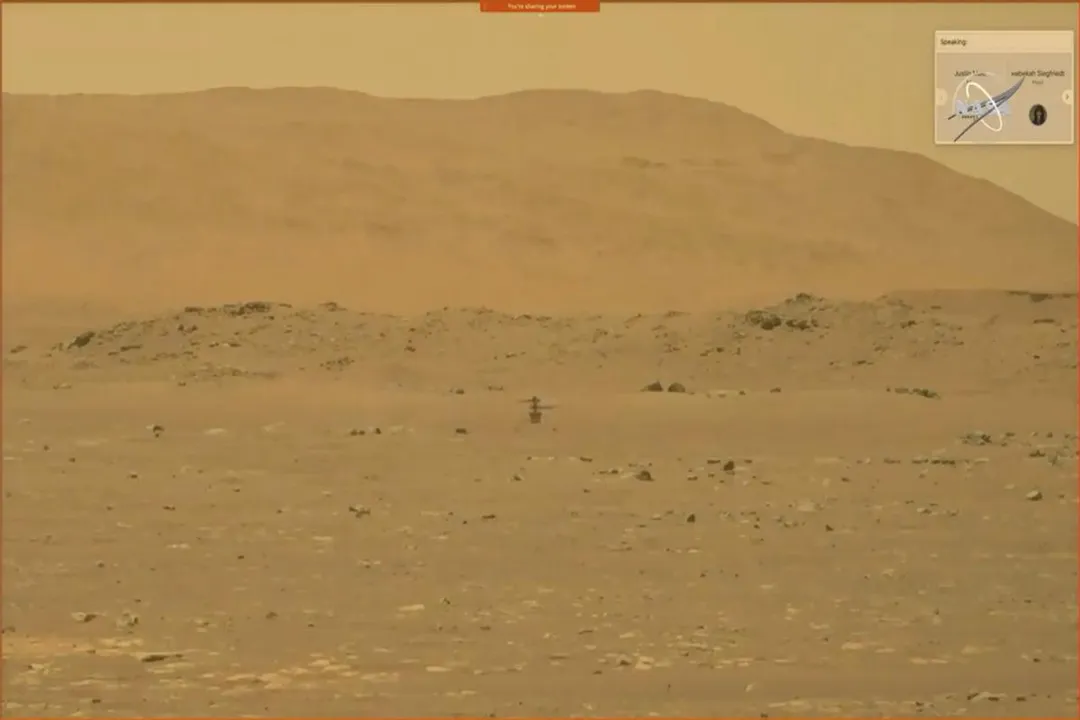
While meteorites offer ancient snapshots, active missions like NASA's Curiosity rover provide context on younger, though still ancient, watery periods closer to the surface. Curiosity has uncovered compelling chemical clues that strongly support a prolonged watery past for Mars in areas like Gale Crater. These findings often involve sedimentary rocks that typically form in the presence of liquid water.
The data gathered by rovers often complements the meteorite findings by showcasing the variety of watery environments that existed. For instance, Curiosity has detected chemical signatures in mudstones indicating the presence of water that persisted long enough to alter the chemistry of the surrounding minerals.
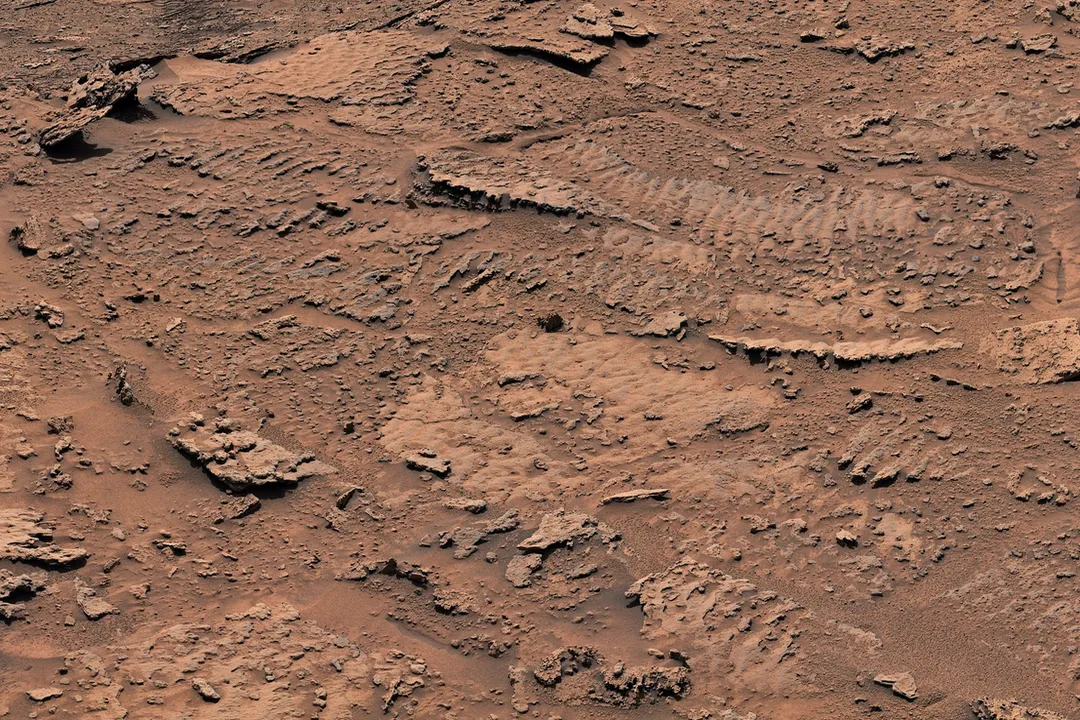
It is helpful to compare these two lines of evidence: the meteorite zircons offer the oldest snapshot of water, perhaps tied to the planet's earliest crust formation, while rover data shows the environment after Mars had begun to cool and develop recognizable surface geology, like lake beds. The early hot water indicated by the crystals likely represents the initial phase of water incorporation into the planet's crust, a phase that might have preceded the large, surface-level bodies of water inferred from orbital imagery and rover geology.
# Habitability Insights

The discovery of ancient hot water fundamentally changes the discussion around Martian habitability. On Earth, areas where hot water interacts with rock, like deep-sea vents or terrestrial hot springs, are prime locations for microbial life to thrive, even without sunlight, utilizing chemical energy.
If early Mars possessed extensive hydrothermal activity, as suggested by the zircon data, it means that energy sources and liquid water—two prerequisites for life as we know it—were present simultaneously. This environment would have provided a chemically rich broth where simple life forms could potentially have initiated or survived planetary changes. The necessary conditions for life might have been present before surface water stabilized into long-lasting lakes, pushing the window for abiogenesis further back into the planet's infancy.
However, the extreme heat suggested by some analyses also presents a challenge. If the water was too hot, it could have sterilized any developing microbial ecosystems. The key factor scientists are now trying to nail down is the exact temperature range preserved in those crystals—was it searingly hot (too hot for life) or simply the sustained warmth of geothermal heating (potentially habitable)?.
This geochemical fingerprint locked in the ancient Martian crystal is perhaps the most trustworthy piece of evidence we have for early water, precisely because it has been shielded from billions of years of surface erosion and radiation that might have altered younger geological records. While surface features provide broad evidence of flow and pooling, the crystal tells us about the chemistry of the water that existed when the crust was first solidifying.
When we look at the entire record—from the 4-billion-year-old crystal inclusions to the lakebed deposits identified by Curiosity—a picture emerges of a planet that was significantly wetter and warmer early on than its current frozen, arid state suggests.
# Tracing Planetary Evolution
Understanding the oldest evidence of water is critical for tracing Mars's climatic evolution. Mars did not simply transition from a wet world to a dry one overnight. The evidence points to a complex history where water was recycled, sometimes trapped in magma, sometimes evaporating into the atmosphere, and sometimes briefly flowing on the surface before being lost to space as the magnetic field decayed.
If the oldest water signature is indeed hot water locked in the deep crust, it implies that the thermal budget of early Mars was much higher than modeled by some climate simulations focused only on atmospheric warming. This suggests that internal geological processes—volcanism and crustal differentiation—were the primary drivers maintaining liquid water billions of years ago, rather than just a thick atmosphere.
This insight encourages future mission planners to target areas rich in ancient igneous or hydrothermal minerals, as these zones are far more likely to preserve the chemical and biological remnants of that earliest wet era than younger, heavily eroded sedimentary plains. The older the sample, the closer we get to the initial conditions that governed whether Mars ever became truly alive. The sheer age of the crystal evidence places the existence of liquid water firmly within the period when the solar system itself was still quite young and dynamic.
#Videos
Ancient hot water on Mars points to habitable past - YouTube
Related Questions
#Citations
The Oldest Evidence For Water on Mars Reveals It Was Extremely Hot
Water on Mars - Wikipedia
NASA's Curiosity Finds Surprise Clues to Mars' Watery Past
Did alien life exist in hot water on Mars billions of years ago? | Space
Ancient hot water on Mars points to habitable past - YouTube
'Black Beauty' meteorite preserves evidence of hot, ancient water on ...
Ancient hot water on Mars points to habitable past | Newsroom
The earliest evidence for water on Mars was images of GIANT rivers ...
4-billion-year-old crystal offers oldest evidence of water on Mars