What evidence supports the hypothesis that water once flowed on the surface of Mars?
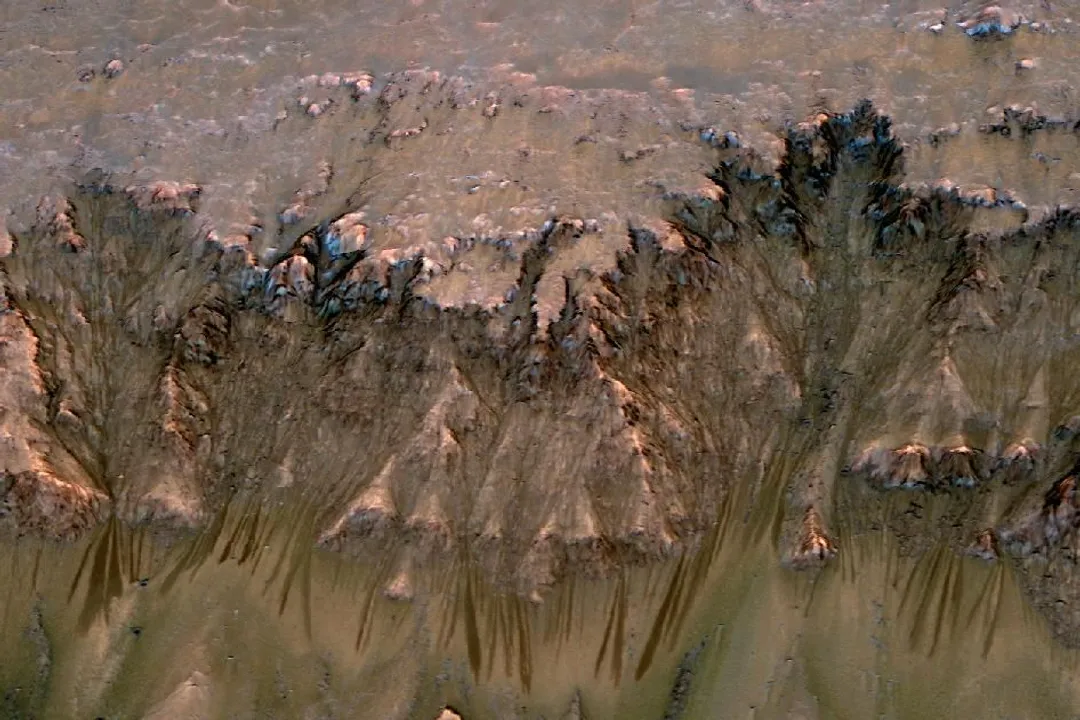
The evidence suggesting that liquid water once shaped the surface of Mars is now substantial, built up over decades of robotic exploration and orbital reconnaissance. From images showing vast, ancient drainage patterns to the chemical signatures locked within surface rocks, the consensus among planetary scientists points toward a distant Martian past far wetter and warmer than the arid world we observe today. [3][9] The features we see etched onto the Martian landscape are not easily explained by any other mechanism than flowing liquid, whether in massive torrents or gentle trickles over long stretches of time. [5]
# Ancient Scars
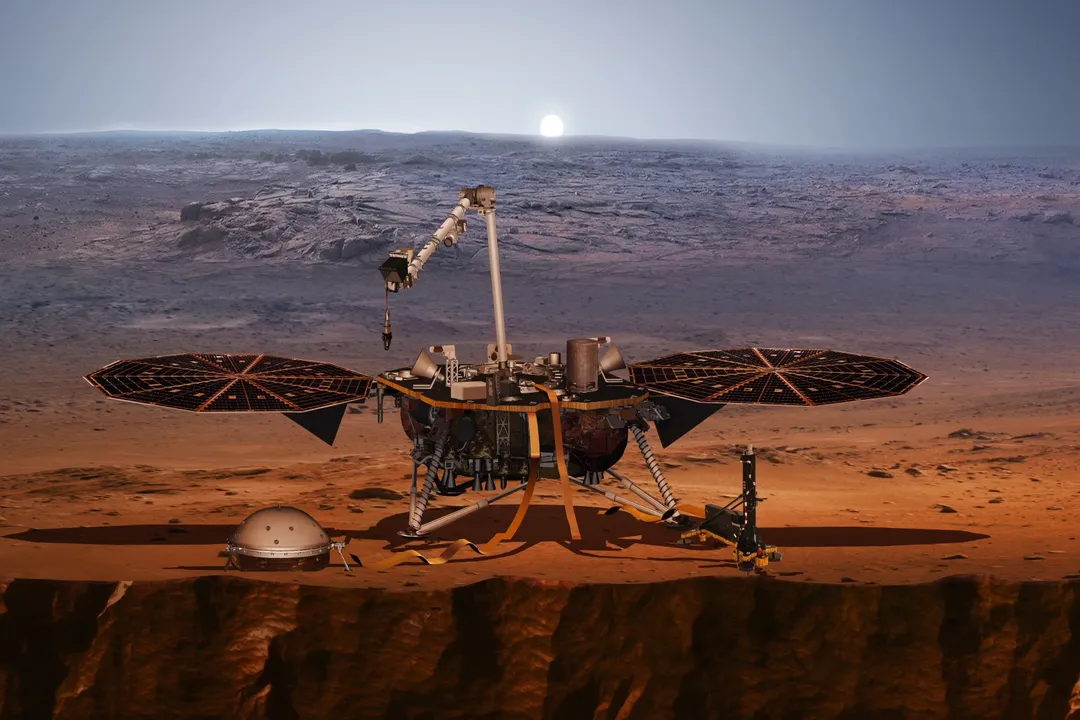
The most dramatic proof comes from the planet’s large-scale topography. Orbiters have mapped out intricate systems of canyons, outflow channels, and dendritic valley networks that strongly resemble terrestrial river systems carved by erosion. [9] These valley networks, often found in the older southern highlands, suggest sustained precipitation or runoff over geological timescales. [3] Conversely, the enormous outflow channels appear to be the product of catastrophic flooding, possibly caused by the sudden release of subsurface ice or groundwater. [9][10] These channels dwarf anything seen on Earth in terms of sheer size, pointing toward massive volumes of water being released quickly across the planet's surface early in its history. [9]
This distinction between slow carving (valley networks) and rapid erosion (outflow channels) suggests that Mars experienced multiple, distinct hydrological epochs. One original observation worth noting is the sheer difference in magnitude: if Earth’s largest floods, like those that shaped the Channeled Scablands in Washington State, were scaled up to Martian proportions, the outflow events on Mars represent releases that could have emptied major terrestrial seas in a relatively short span. This implies that the water budget, while potentially ephemeral overall, was occasionally enormous. [5]
# Mineral Clues
Beyond the visual landforms, the chemical composition of Martian rocks provides irrefutable evidence that liquid water interacted with the surface materials over extended periods. [8] Rovers like Curiosity and Perseverance have identified minerals that can only form in the sustained presence of liquid water. [3][8]
Key among these findings are:
- Clays (Phyllosilicates): These minerals typically form through the prolonged chemical weathering of rock in neutral or slightly alkaline water. [3][7] Their presence strongly indicates a period when surface water was stable and non-acidic, closer to conditions conducive to life as we know it. [8]
- Hydrated Minerals: Sulfate salts, like those found in large deposits, form when water evaporates, leaving the minerals behind. [3] The abundance of these salts suggests that even when water was receding, it was often brine—salty water—which lowers the freezing point and allows liquid to persist longer in colder, lower-pressure conditions. [3][7]
It is insightful to compare the implied water chemistry across different sites. The discovery of certain clay deposits suggests a period reminiscent of early Earth’s fresh water, ideal for microbial chemistry. In contrast, the widespread sulfates point toward later epochs where the atmosphere was thinner, forcing any surface water to be highly saline to remain liquid, potentially making those later periods less hospitable for widespread biology. [2][3]
# Ice Reserves
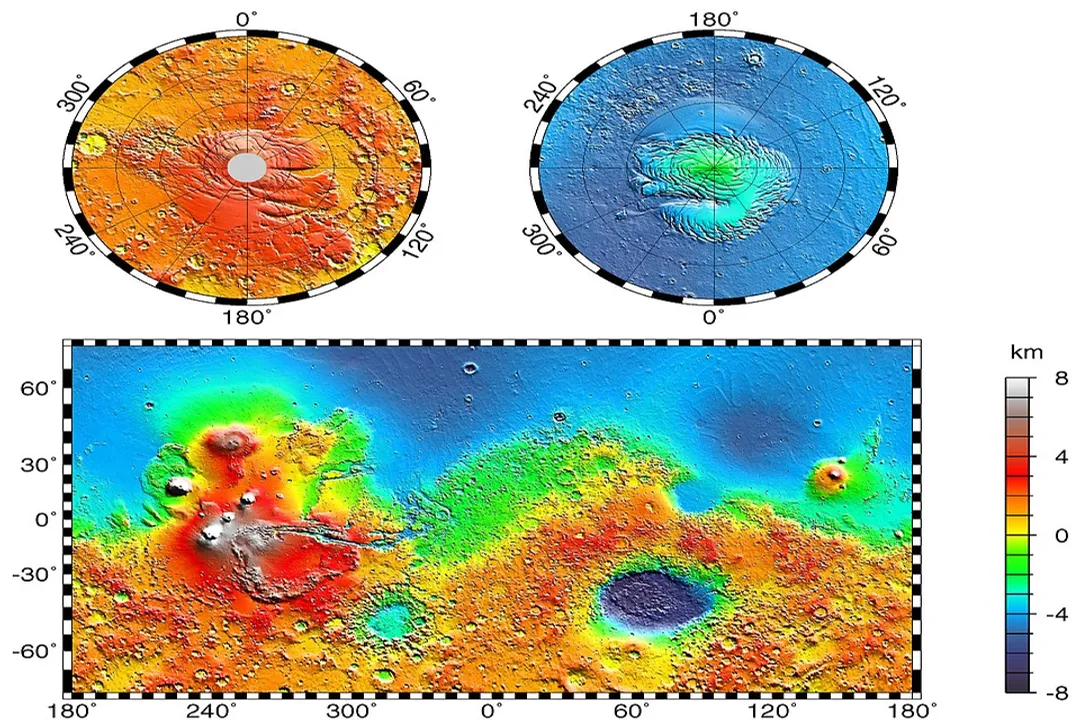
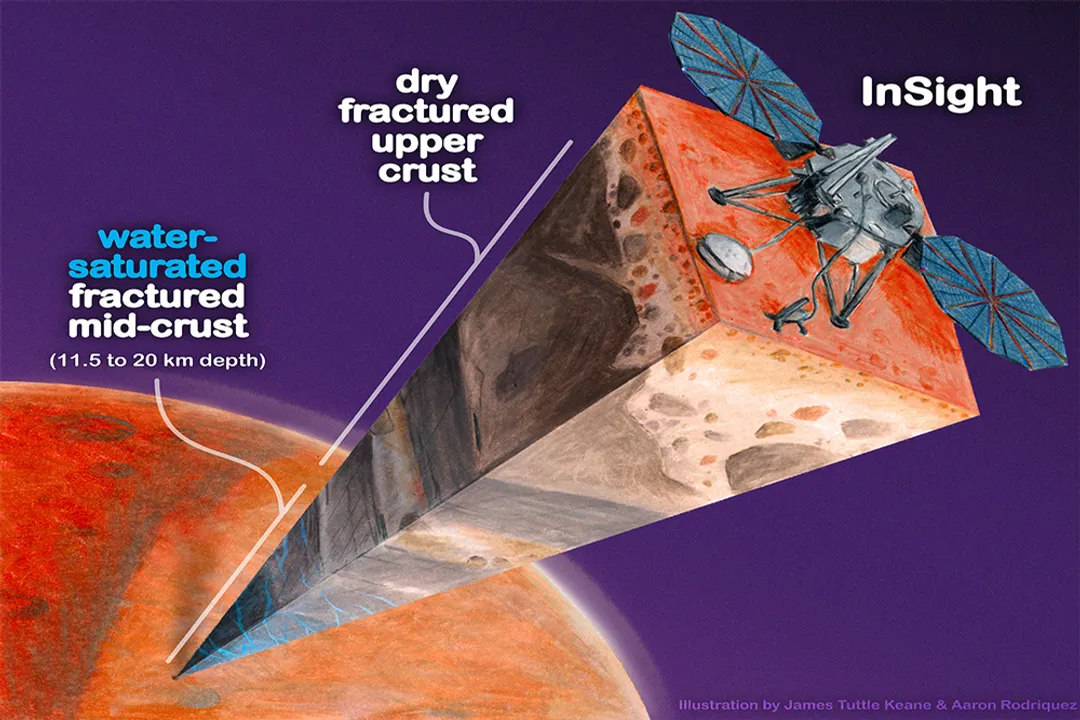
While the focus is often on past flowing water, the current state of Mars confirms that vast quantities of water still exist, albeit frozen. [3] The polar ice caps are a mixture of water ice and frozen carbon dioxide, with the southern polar cap containing enormous amounts of water ice underneath a seasonal layer. [3][9] Moreover, data from orbital radar systems have confirmed substantial buried sheets of water ice beneath the mid-latitudes, suggesting that a significant fraction of Mars's original water supply is simply locked away underground. [4] This deep reservoir is a crucial component of the planet's total water budget, even if it doesn't support surface flows today. [4]
# Recent Seepage
The argument for water on Mars isn't purely historical. In the 21st century, observations have revealed evidence of transient liquid water flows occurring on present-day slopes. [1] These features are called Recurring Slope Lineae (RSLs)—dark streaks that appear seasonally on steep slopes and fade in the warmer seasons. [1]
NASA confirmed that RSLs contain hydrated salts, indicating that liquid water, likely briny to keep it from freezing instantly in the thin atmosphere, is involved in their formation. [1] This liquid is not a sustained river but rather ephemeral seeps, possibly involving briny subsurface water coming to the surface where it quickly evaporates or freezes. [1] This modern mechanism is vastly different from the ancient torrents; it points to localized, intermittent moisture driven by seasonal temperature changes near the surface, contrasting sharply with the global hydrological system inferred from ancient geology. [6] The presence of these RSLs confirms that the ingredients for liquid water are available even now, though the conditions are severely restrictive. [1]
# Past Versus Present
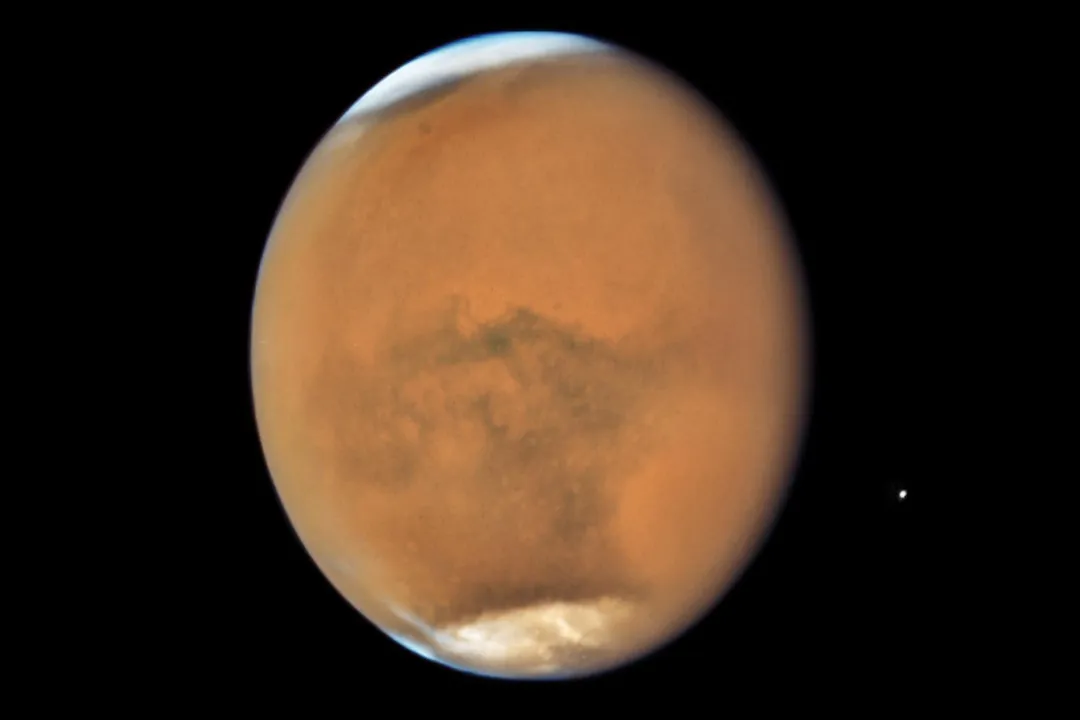
The central tension in understanding water on Mars lies in reconciling the geological evidence of abundant, relatively warm, surface water billions of years ago with the current reality of a cold, dry world with an atmosphere too thin to sustain liquid water for long. [2] The evidence strongly implies a critical turning point: the loss of Mars’s global magnetic field, which allowed the solar wind to strip away most of the atmosphere. [3][6] Without that thick blanket, surface pressure dropped below the triple point of water, meaning any surface ice sublimated directly into vapor or any flowing water quickly boiled away, leaving only pockets of liquid water in protected, transient forms. [2][3]
The sheer volume of ancient water required to carve features like Valles Marineris or the massive outflow valleys suggests an early Martian climate much warmer than previously thought, perhaps sustained by greenhouse gases that have since been lost. [9] The scientific evidence, therefore, supports a narrative of an initially wet, perhaps habitable world that slowly, over eons, dried out, leaving behind frozen reserves and subtle chemical fingerprints of its aqueous past. [3][8] While no large oceans or lakes exist on the surface today, the combined evidence of valleys, deltas, hydrated minerals, and seasonal seepage paints a consistent picture: water was once fundamental to the Martian environment. [5][9]
Related Questions
#Citations
NASA Confirms Evidence That Liquid Water Flows on Today's Mars
What evidence supports the theory that liquid water may have | Quizlet
Water on Mars - Wikipedia
Scientists Find Oceans of Water on Mars. It's Just Too Deep to Tap.
Scientists Release Evidence of Water on Mars | Research Starters
Here's Why The Liquid Water On Mars' Surface May Have Vanished
Solved What evidence supports the hypothesis that liquid | Chegg.com
NASA rover finds fresh evidence of the warm and wet past of Mars
Water on Mars: Exploration & Evidence - Space
NASA probe finds evidence of liquid water on Mars - Spaceflight Now