Why do we think there was water on Mars?

The growing body of evidence paints a compelling picture of a wet, ancient world that has since desiccated into the cold, dry planet we observe today. Decades of orbital and surface missions have accumulated geological signatures, mineralogical proof, and atmospheric clues suggesting that liquid water was once abundant, shaping Martian geology in ways eerily familiar to Earth's own history. [1][2][3][10] We think there was water because the Red Planet bears the unmistakable scars of floods, rivers, and perhaps even vast, shallow seas. [5]
# Ancient Traces
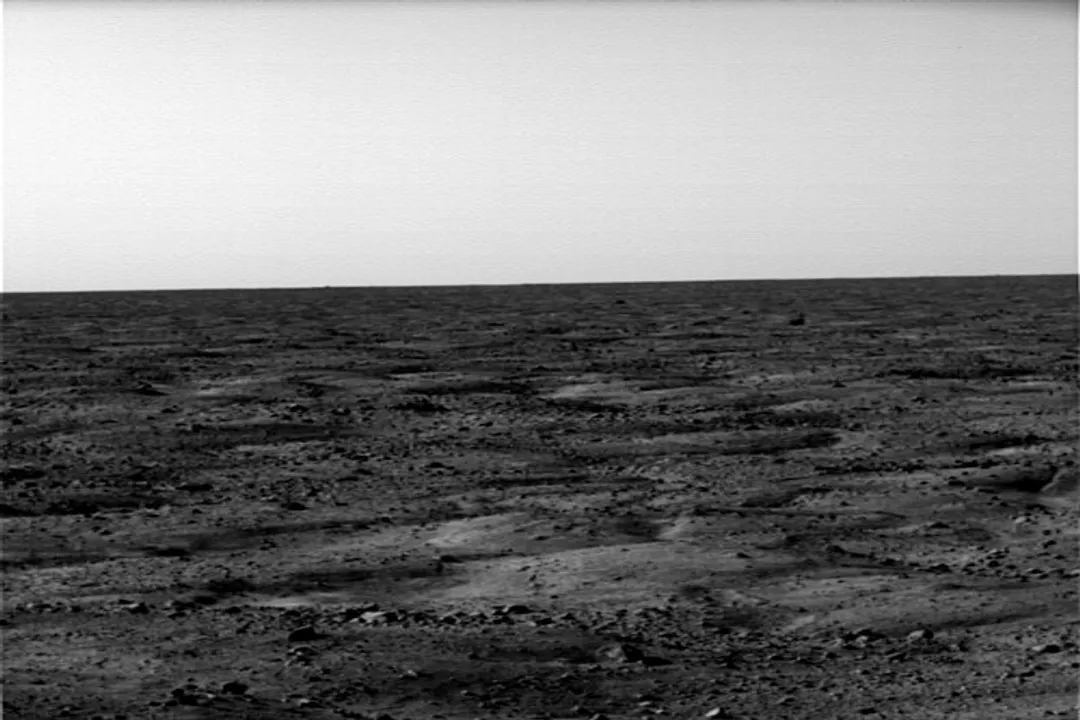
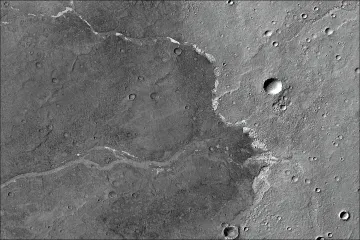
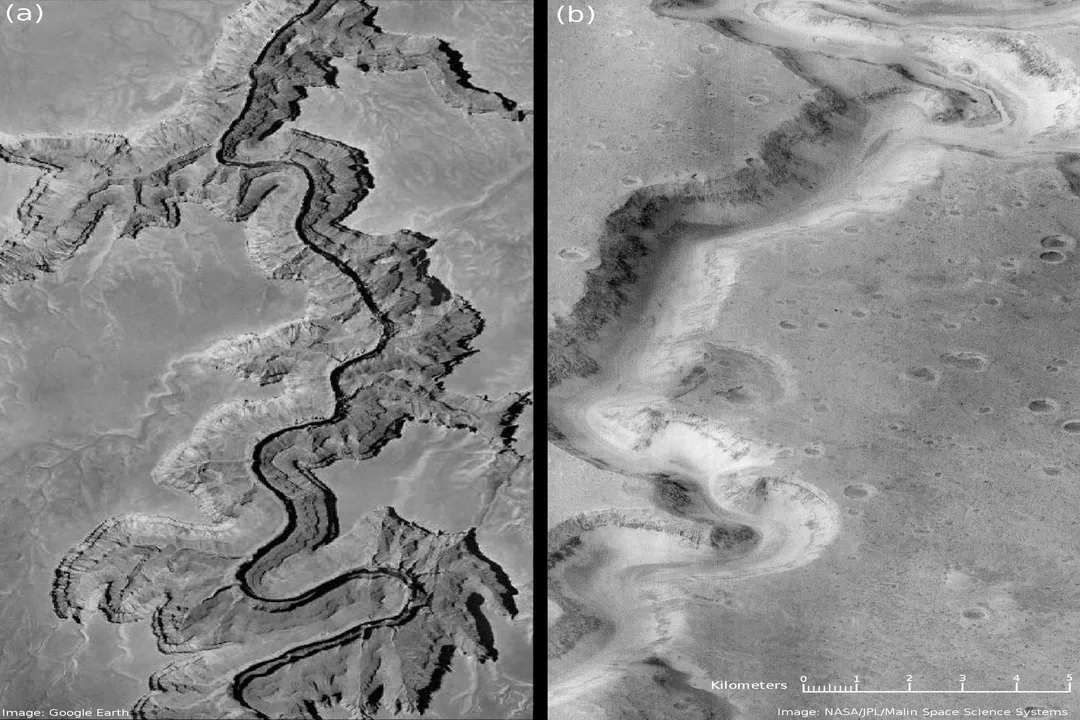
Geologists examining high-resolution images from orbit have identified numerous features that strongly suggest persistent liquid flow over long periods in Mars's past. [10] These include clear evidence of ancient river valleys that appear to cut across the landscape, often terminating in features that look strikingly like deltas—sedimentary fans built up where a fast-moving river slows down upon entering a standing body of water. [1][5] Furthermore, orbiters have mapped ancient shorelines and what appear to be low-lying basins that could have once held oceans. [1][5] If we imagine a scenario where the northern lowlands of Mars, which are significantly lower in elevation than the southern highlands, were filled, this ancient ocean could have covered up to a third of the planet's surface. [1][5] Thinking about the scale, this isn't just a small lake system; this implies a global hydrological cycle capable of redistributing massive amounts of water across the planet's crust. [10]
# Mineral Clues

Beyond the physical shapes of the land, the very composition of Martian rocks provides chemical testimony to past wetness. [2][3] Certain minerals, known as hydrated minerals, only form when rock interacts with liquid water over time. [3] For instance, when the Opportunity rover investigated the plains of Meridiani Planum, it found small, spherical concretions of iron oxide, nicknamed "blueberries". [1][2] These specific formations are widely accepted by scientists as evidence of water percolating through sediment in the ancient past. [1][2] The presence of sulfates and clays, detected by instruments on various rovers, further reinforces the idea that large areas of Mars experienced prolonged periods where the surface was wet enough for chemical weathering to occur. [3]
# Climate Shift
The critical question then becomes: if Mars once hosted surface water, where did it all go? The prevailing scientific consensus points toward a dramatic climate shift. [8][10] Early Mars appears to have been warmer and possessed a much thicker atmosphere, one dense enough to allow liquid water to remain stable on the surface rather than immediately boiling away or freezing solid. [10] As Mars lost its global magnetic field, its atmosphere began to be stripped away by the solar wind over billions of years. [8] Without that atmospheric blanket, surface temperatures plummeted, pressures dropped, and the stable liquid water largely vanished, either freezing into vast subterranean reservoirs or sublimating directly into space. [8][10]
# Current State
Today, accessible surface water on Mars is virtually nonexistent, except perhaps fleetingly in specialized environments. [2] The majority of Martian water is locked up as ice in the polar ice caps, mixed into the soil (permafrost), or trapped within the mineral structure of rocks. [2][3] However, that doesn't mean water has entirely disappeared from the environment. Observational data from the Mars Reconnaissance Orbiter (MRO) has identified Recurring Slope Lineae (RSLs). [7] These dark streaks appear on steep slopes during warmer seasons and fade when it gets colder. [7] While initially exciting, this activity is now strongly associated with the presence of salts, specifically perchlorates, which can significantly lower the freezing point of water, allowing salty, briny liquid to flow briefly on or just beneath the surface. [3][7] This isn't the gentle rain of an ancient river; it’s highly saline, transient seepage. [7]
# Deep Reservoirs
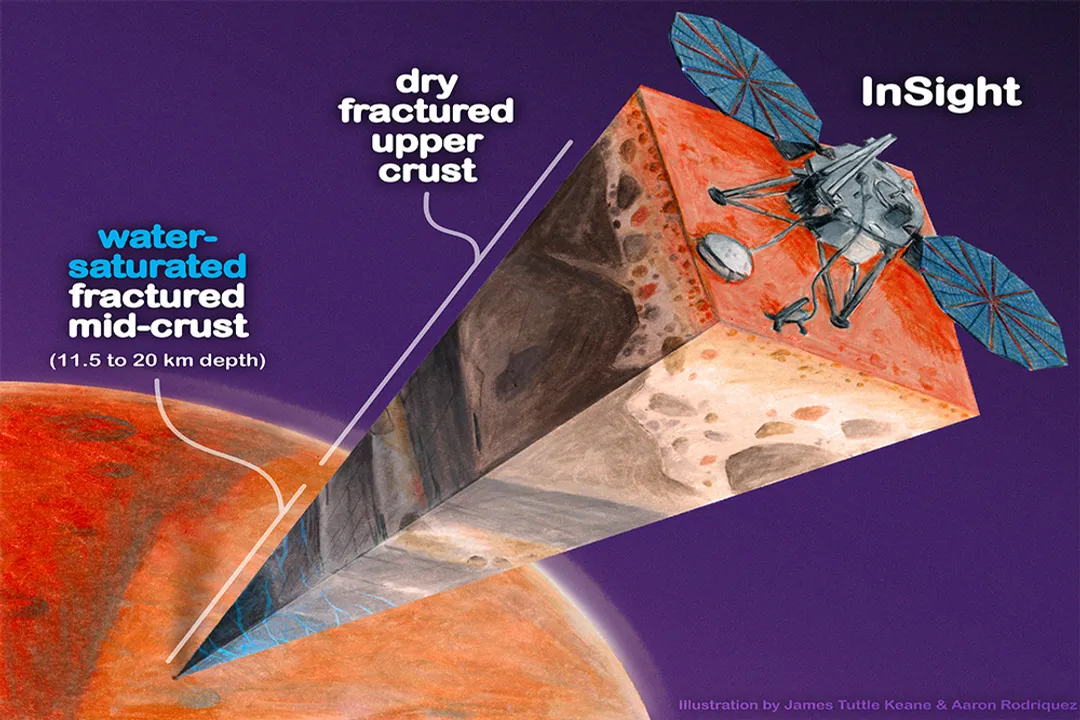
While surface water is scarce, recent advancements have strongly suggested that liquid water remains sequestered deep beneath the Martian south pole. [4][6] Radar sounding instruments have provided evidence for multiple reservoirs of liquid water situated beneath layers of ice and rock. [6] These are not small pockets; some reports suggest these could be significant bodies of water, though they are located kilometers below the surface. [4] The depth at which these reservoirs are found means the water remains liquid due to geothermal heat and the pressure exerted by the overlying ice and rock, even in the extremely cold Martian environment. [6] It is an interesting paradox: the ancient surface was wet because the atmosphere was thick, but the only liquid water remaining today requires extreme pressure and high salt content to stay thawed. [4]
# Astrobiology Focus
The history of water on Mars transforms the planet from a geological curiosity into a prime target in the search for extraterrestrial life. [2] If life ever arose when Mars was warmer and wetter, the best chance of finding preserved biosignatures would be in sedimentary deposits formed in those ancient lakes and deltas. [1][2] Furthermore, the discovery of subsurface liquid water today offers a tantalizing, albeit challenging, contemporary habitat. If any microbes managed to survive the planet's climatic transition, they might have retreated to these deeper, more stable, and insulated environments. [6] Accessing these deep layers, however, presents an immense engineering challenge for future missions, requiring technology far more advanced than what is currently used for surface exploration. [4] Every piece of evidence confirming past water increases the scientific imperative to keep sending sophisticated tools to investigate those ancient, water-formed terrains.
#Videos
Just in: NASA Has Found Oceans of Liquid Water on Mars...For Real
Related Questions
#Citations
Water on Mars - Wikipedia
Why Do We Care About Water on Mars? - NASA Space Place
Water - Mars Education | Developing the Next Generation of Explorers
Scientists find oceans of water on Mars. It's just too deep to tap.
Water on Mars: How We Know It Existed and How We Believe It ...
NASA Confirms Evidence That Liquid Water Flows on Today's Mars
What is the reason for the lack of water on Mars? Did it ever have an ...
Just in: NASA Has Found Oceans of Liquid Water on Mars...For Real
Ghost rivers, hidden lakes: The long search for water on Mars