Why did people think there was life on Mars?
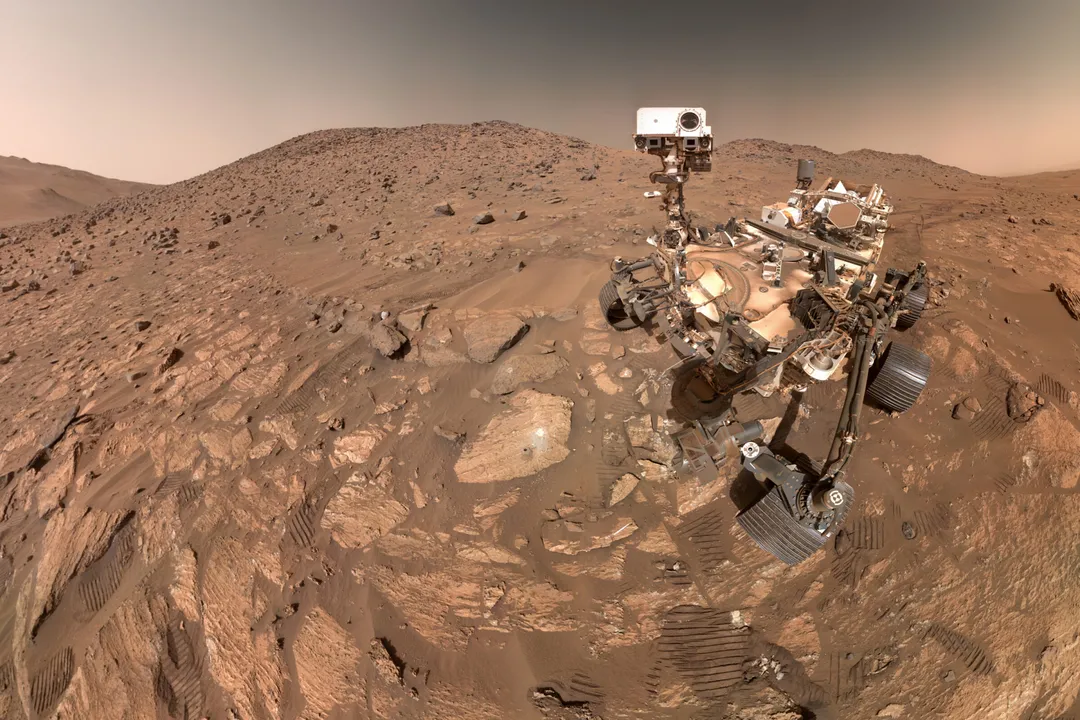
The enduring human fascination with the possibility of life beyond Earth often centers on the ruddy plains of Mars. For centuries, persistent observation, coupled with wishful thinking and dramatic technological leaps, convinced many people—from early astronomers to the general public—that Mars was not a sterile world. This conviction wasn't a single event, but a slow build-up of misinterpreted data, tantalizing hints, and scientific excitement surrounding a neighboring planet that seemed, at times, remarkably Earth-like.
# Canal Visions
The most famous historical driver for believing in Martian life came from visual observation, specifically the controversial idea of canals. In the late 19th century, astronomers like Percival Lowell in the United States became captivated by observations made by Italian astronomer Giovanni Schiaparelli, who had noted faint linear features he called canali, meaning "channels". Lowell, however, interpreted these as vast, artificial waterways constructed by an intelligent, dying civilization attempting to move water from the poles to warmer equatorial regions.
Lowell’s Mount Wilson Observatory, built in 1905, became the epicenter for these observations, where he meticulously mapped what he believed were thousands of these intersecting lines. He published several books promoting this view, which captured the public imagination perhaps more than any scientific finding of the era. This perception of an inhabited Mars persisted well into the early 20th century, fueling speculation about Martians, their technology, and their fate. It’s fascinating to look back at the difference in evidentiary standards: Lowell was basing his grand conclusion on faint, linear smudges viewed through early optics, suggesting a society desperate to believe in cosmic companionship. The burden of proof then was largely perceptual; today, it requires spectral analysis and on-site chemistry.
# Water and Atmosphere
Beyond Lowell’s specific theories, the general state of Mars hinted at habitability for much of its modern study. Early telescopes revealed distinct polar ice caps that appeared to wax and wane seasonally, suggesting the presence of a volatile substance that could change phase—most likely water ice. Furthermore, the Martian atmosphere, though thin, was known to contain carbon dioxide, a key component for life as we know it.
When scientists looked at Mars, they saw a world that had once clearly held liquid water on its surface, a prerequisite for terrestrial life. Geological features like ancient river valleys, flood channels, and sedimentary rock layers suggested a past environment that was warmer and wetter than the current cold, arid desert. This historical context—a "wet Mars" billions of years ago—provided a strong logical foundation for the idea that if life ever arose on Mars, it might have persisted, perhaps evolving to survive in more protected niches as the surface conditions degraded.
# Viking’s Ambiguous Inheritance
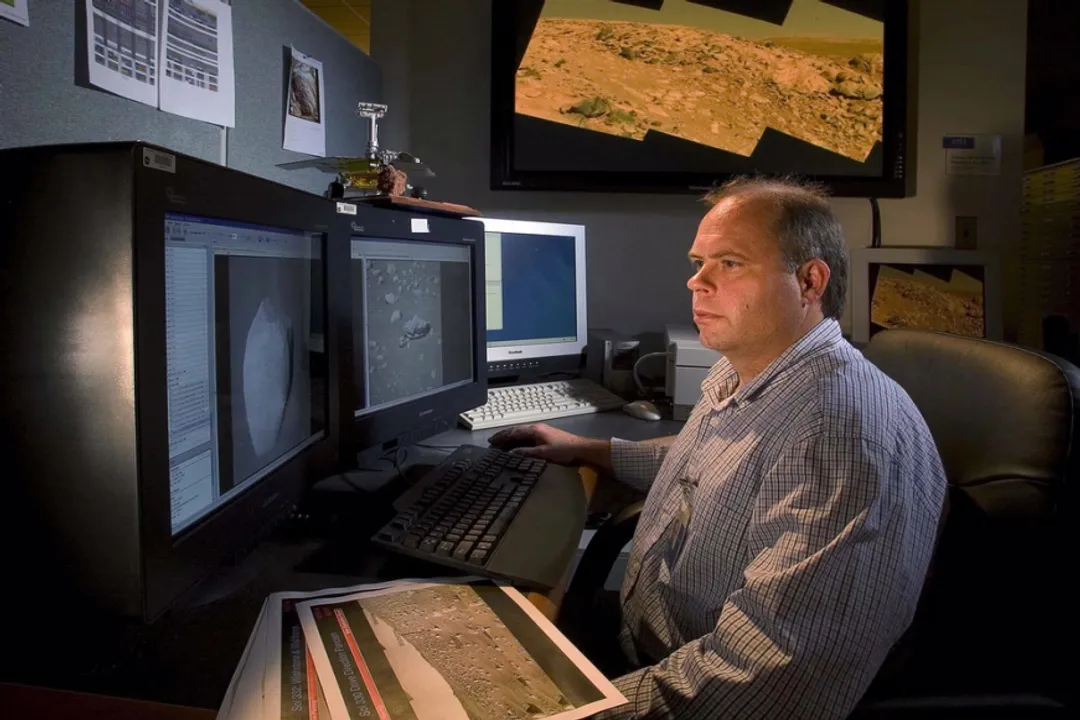
The first truly direct attempt to answer the question of Martian life came with NASA’s Viking landers in 1976. These two spacecraft, Viking 1 and Viking 2, performed three biological experiments designed to detect metabolic activity in Martian soil samples. These experiments, particularly the Labeled Release (LR) experiment, produced results that were simultaneously highly exciting and intensely debated for decades.
The LR experiment involved mixing a nutrient solution with Martian soil and monitoring for the release of radioactive gas, which would indicate that something living had consumed the nutrients and metabolized them. In two of the tests, gas was released shortly after the nutrient solution was added, exactly as expected if active microbes were present. However, other life-detection instruments aboard the landers returned negative results, suggesting no complex organic molecules existed, which are the building blocks of life.
The scientific community ultimately settled on a non-biological explanation for the positive LR results, most likely involving strong oxidizing agents in the Martian soil, such as perchlorates, which could mimic biological reactions by breaking down the nutrients. Yet, for many, the positive LR result remained an tantalizing ambiguity, a historical marker of almost finding life. The Viking data demonstrated the immense difficulty in proving a negative—or even proving a positive—when searching for life remotely with instruments that cannot definitively identify organic chemistry.
# Methane Mystery
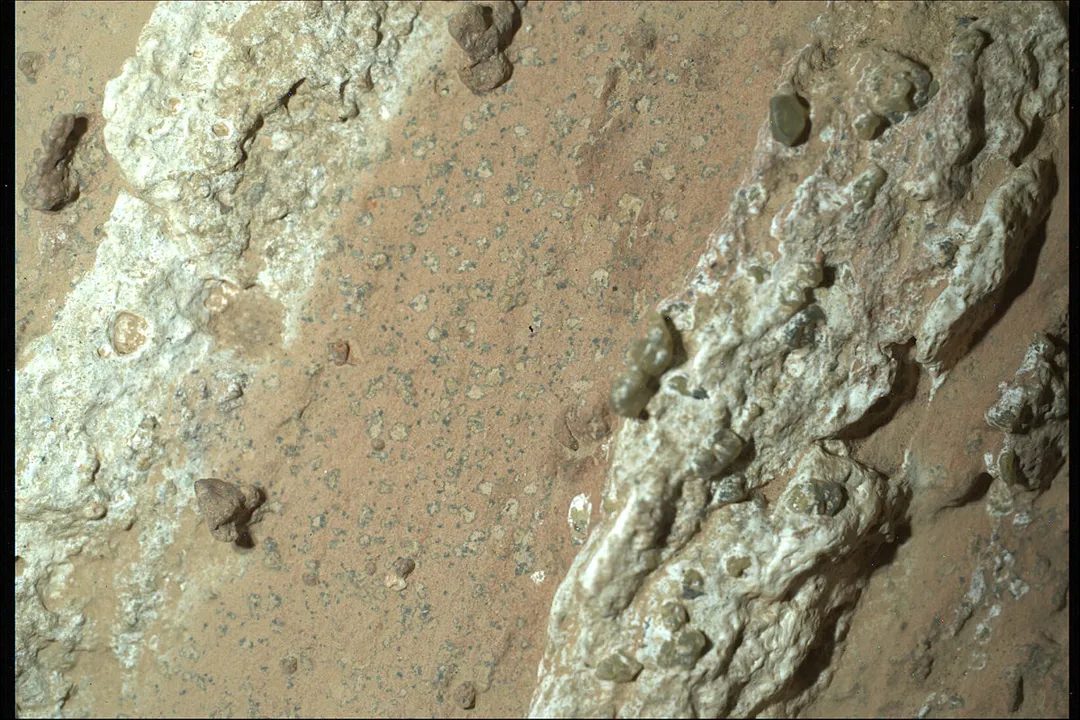
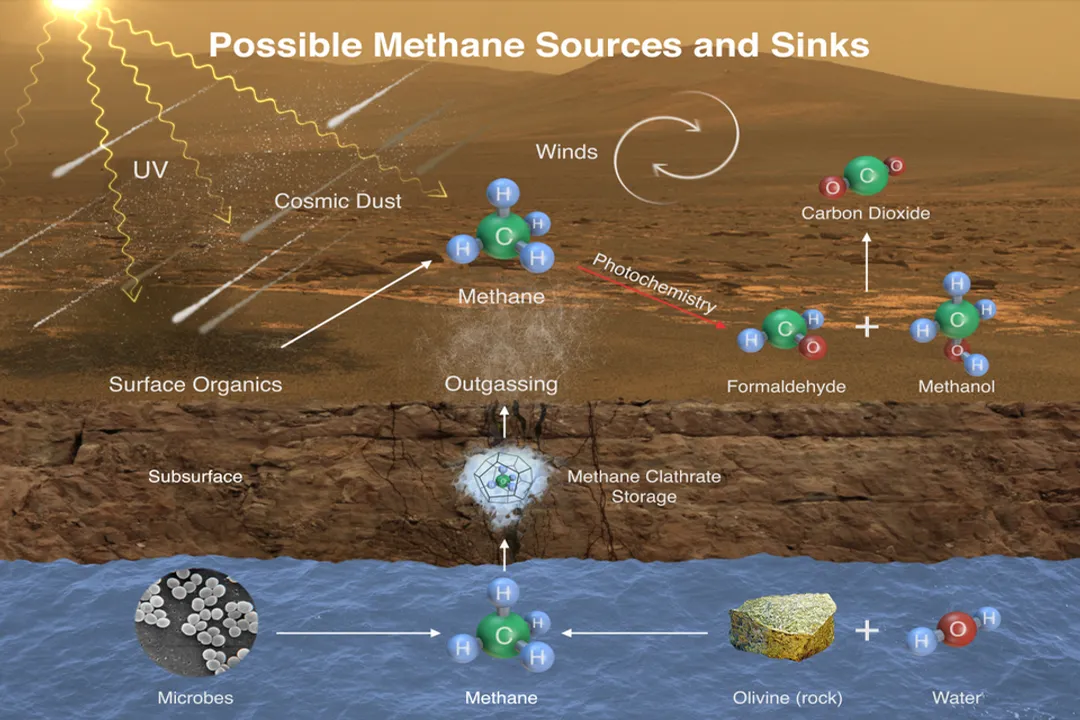
As we moved past the Viking era's direct search, the focus shifted to detecting tell-tale chemical signatures from orbit and ground-based observatories. One of the most compelling recent reasons people remain hopeful is the detection of methane () in the Martian atmosphere. On Earth, most methane is produced by living organisms, though it can also be generated through purely geological processes, such as water-rock reactions or serpentinization.
The detection itself has been inconsistent, which only adds to the intrigue. Methane plumes have been observed that appear to be localized and transient, suggesting an active, contemporary source rather than an ancient, residual atmospheric component. The data suggests that methane levels might fluctuate seasonally or even daily, sometimes spiking to levels significantly higher than the background concentration. While geological explanations exist, the cyclical or localized nature of some detections keeps the biological possibility alive in the minds of many researchers, especially when considering life hiding beneath the surface.
This entire dynamic—chemical detection replacing visual sighting—highlights a major shift in the search. Instead of looking for cities, we are looking for trace gases that represent current biological or geological activity, a much lower bar for existence but one that is vastly harder to confirm definitively without direct sampling.
# Subsurface Havens
The current scientific consensus is that if life exists on Mars today, it is almost certainly subsurface life. The Martian surface is bombarded by intense solar and cosmic radiation due to the planet’s lack of a global magnetic field and its extremely thin atmosphere. This radiation destroys complex organic molecules quickly. Therefore, any extant life would need protection from this harsh environment.
Below the surface, two crucial factors change: radiation shielding increases significantly, and the presence of subsurface water ice or liquid brine pockets could provide a necessary solvent for chemical reactions. This idea is supported by the geological evidence suggesting Mars had significant amounts of water early on; some extremophiles on Earth thrive in deep, dark, water-rich environments, cut off from sunlight.
Recent investigations, such as the analysis of certain salts and mineral deposits, offer potential pathways for energy use by hypothetical subsurface organisms. For instance, if there is liquid water interacting with certain iron-bearing minerals underground, it could provide the chemical energy needed to sustain a microbial ecosystem, independent of sunlight. This concept moves the goalposts from finding a bustling civilization to finding hardy, simple microbes living in protected, chemically active underground reservoirs.
# The Scientific Imperative
The historical arc of Martian life speculation—from Lowell’s canals to the Viking ambiguity to current atmospheric monitoring—illustrates a core aspect of scientific progress: questions get more specific as technology improves. The initial, broad hope for Martians has refined into a focused quest for biosignatures in the geological record or in current subsurface chemistry.
The sheer persistence of the question, even after multiple missions have found no obvious signs of current surface life, tells us something important about our drive to find extraterrestrial biology. It is not just about discovering aliens; it is about understanding the prevalence of life in the universe. If life arose on two adjacent worlds—Earth and Mars—it suggests biology might be a common outcome of planetary formation under the right conditions.
The difficulty in interpreting remote sensing data, like the conflicting Viking results or intermittent methane spikes, leads directly to the next major hurdle: sample return. Missions are now designed not just to look, but to bring tangible pieces of Mars back to Earth labs where they can be subjected to dozens of highly sensitive tests, avoiding the ambiguity inherent in single-instrument readings from millions of miles away. This focus on in situ analysis followed by sample return is the direct technological answer to the historical uncertainty that has characterized the search for life on Mars for over a century. It moves the study from educated guesswork based on optical illusions or faint chemical signals to direct, verifiable material analysis, representing the highest standard of scientific proof we can currently aim for in this field.
Related Questions
#Citations
Why did people used to think that there was life on Mars - Reddit
Life on Mars - Wikipedia
Was There Life on Mars? - NASA Science
Ancient Life on Mars??? - Lunar and Planetary Institute
Why do some people think there could be life on Mars below ... - Quora
Our best proof of life on Mars yet? A deep dive into Cheyava Falls
An Origin of Life on Mars - PMC - NIH
Was There Life on Mars? | Smithsonian Institution
ESA - Why go to Mars? - European Space Agency