What major engineering hurdle must be overcome for a crewed New Glenn realization?
Answer
Designing the Launch Abort System (LAS) and crew capsule interface
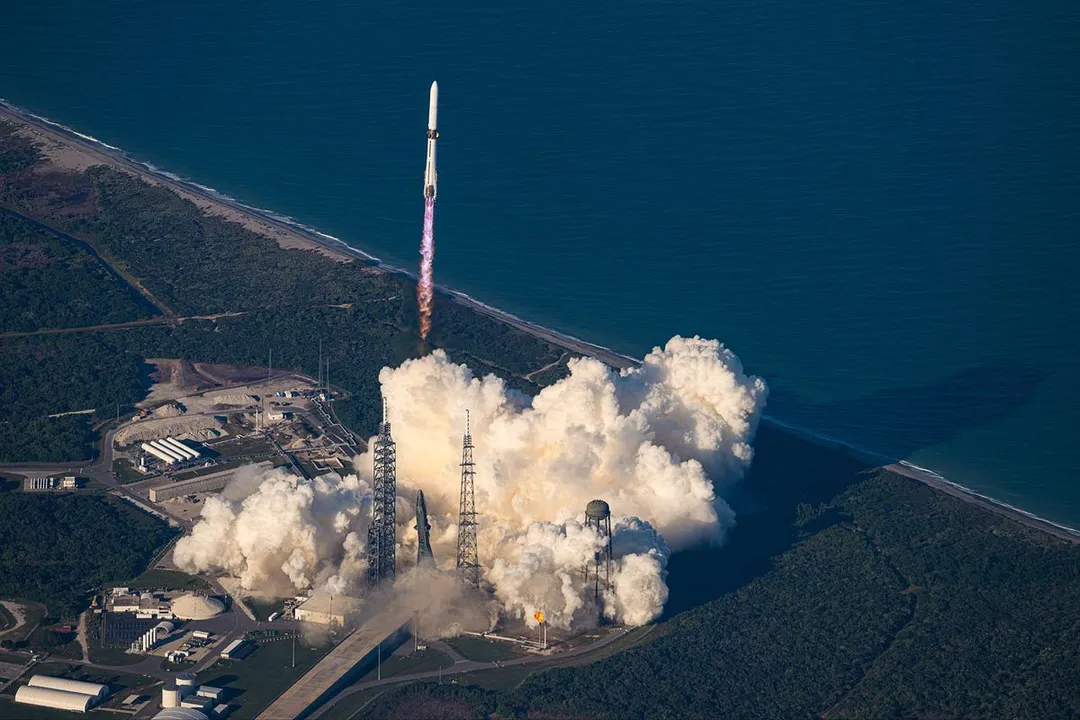
While Blue Origin has long-term goals that imply human spaceflight participation, translating New Glenn into a crew transport vehicle presents significant, distinct engineering challenges separate from booster development. A primary difficulty involves designing the necessary Launch Abort System (LAS) and ensuring a safe, effective interface with the crew capsule. Integrating a system capable of reliably protecting occupants during the high-energy ascent phase of such a massive, heavy-lift vehicle requires substantial engineering effort and validation well beyond what is needed for standard satellite deployment.
Related Questions
What engines power the first stage of the New Glenn heavy-lift vehicle?Where is the reusable first stage of New Glenn intended to land after launch?What is the immediate purpose outlined for New Glenn's initial operational missions?What mandatory safety mechanism is required for a rocket to achieve human-rating?What distinguishes a rocket being merely 'capable' from being formally 'human-rated'?How does Blue Origin's initial deployment strategy contrast with SpaceX's crew focus?What statistical foundation do successful uncrewed cargo missions build toward certification?What is the current planned status of the New Glenn upper stage for initial cargo missions?What major engineering hurdle must be overcome for a crewed New Glenn realization?What strategic advantage do initial uncrewed flights offer Blue Origin financially and strategically?