Does rocket fuel burn clean?
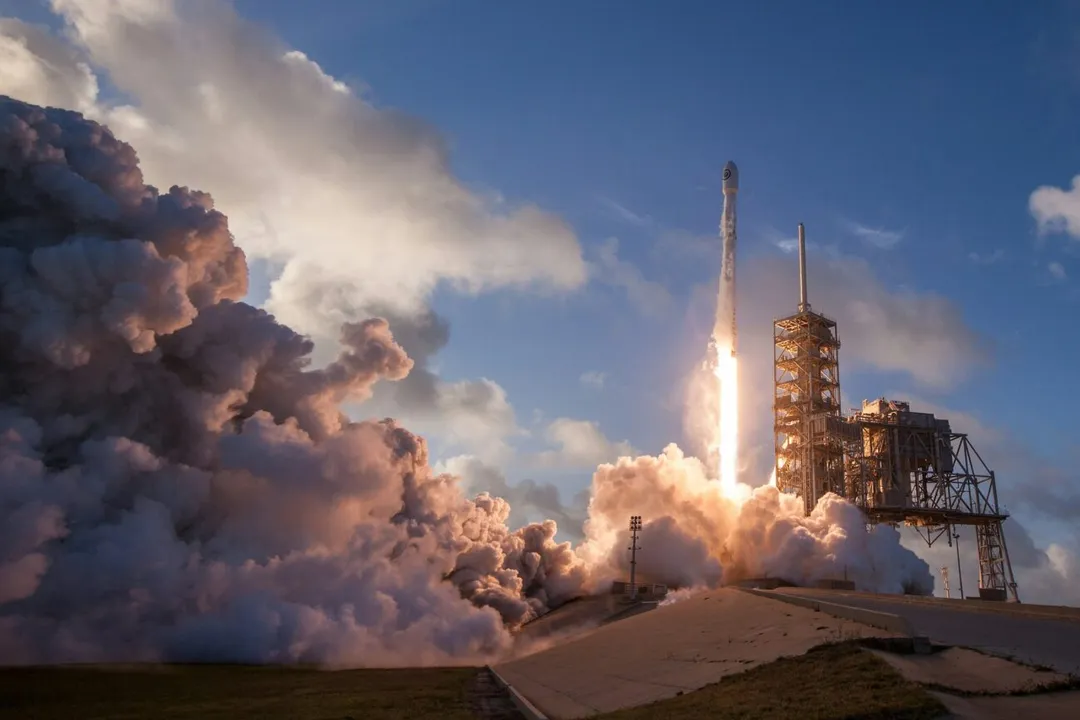
The question of what rocket fuel "burns clean" isn't a simple yes or no; it’s a complex chemical accounting exercise played out miles above our heads. The reality is that every chemical reaction that produces thrust also produces exhaust, and the environmental consequences depend heavily on what is being burned and where that exhaust is deposited. [2][6] Unlike cars or factories where most pollution stays near the ground, rockets inject their byproducts directly into sensitive layers of the atmosphere, changing the calculation entirely. [6]
# Basic Chemistry
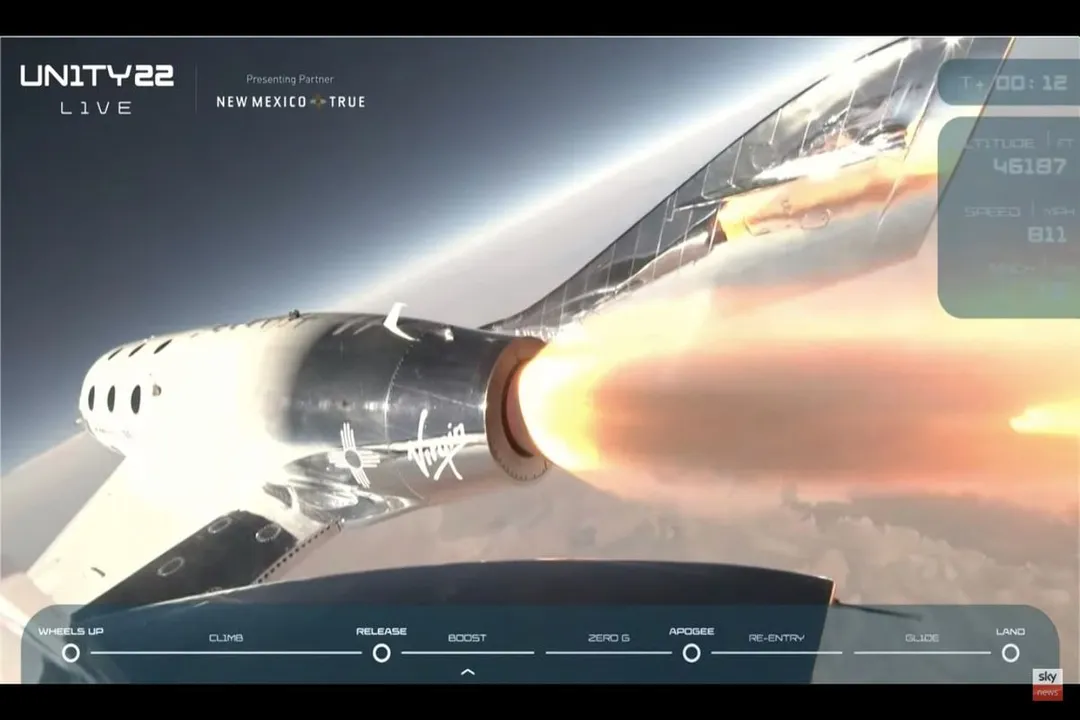
At the most fundamental level, the cleanest theoretical propellant reaction involves components that yield innocuous end products. When we look at the primary chemical processes, the main exhaust constituents for many common rocket combinations are water () and carbon dioxide (). [2][5] This sounds relatively harmless, especially compared to the smog-forming pollutants we deal with daily. However, the context—the sheer altitude of injection and the presence of other chemical species—dictates the true environmental effect. [6][8]
# Kerosene Versus Methane
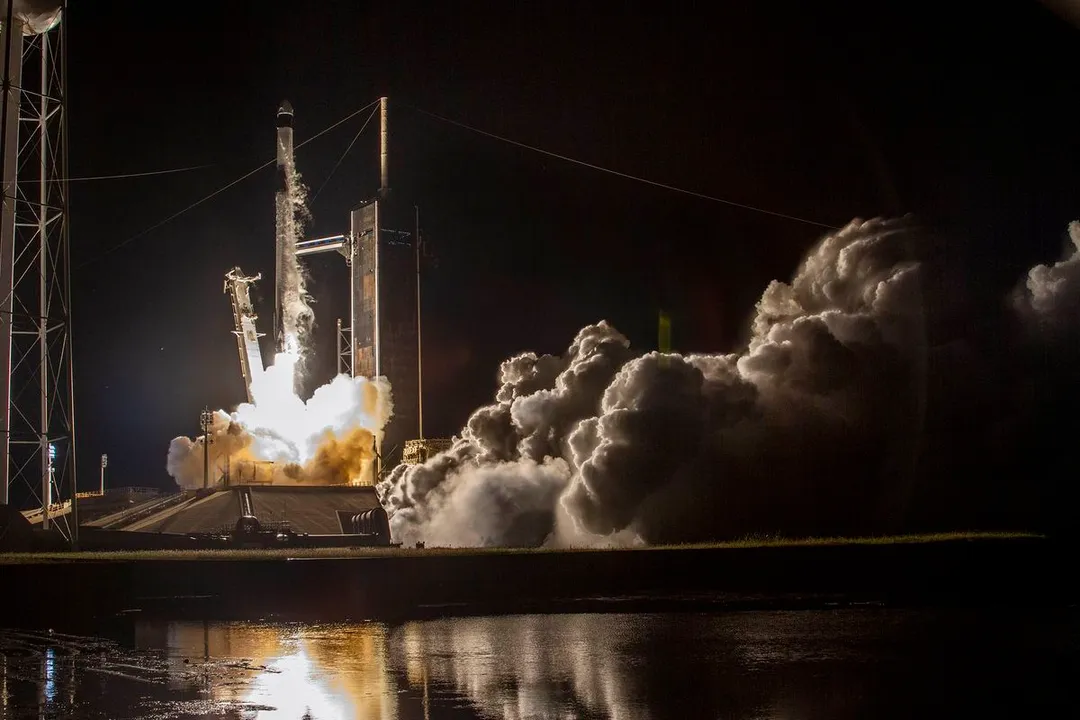
One of the most significant current debates in rocketry centers on the choice between traditional RP-1 (a highly refined kerosene) and liquid methane () as a hydrocarbon fuel source, typically paired with liquid oxygen (). [1][5] Both produce and upon combustion. [2] The critical difference lies in the incomplete combustion products, specifically soot, also known as black carbon or particulate matter. [5]
Kerosene-based engines, like those used on the Falcon 9, produce noticeable amounts of soot. [5] This black carbon is a primary concern because when it is released into the stratosphere—the layer between roughly 10 and 50 kilometers up—it acts as a heat absorber. [6] Soot particles efficiently absorb incoming solar radiation, leading to localized atmospheric warming at that altitude. [6] Furthermore, these particles provide surfaces onto which chemical reactions can occur, potentially impacting ozone chemistry. [6]
Methane, being a simpler molecule, tends to combust more completely than kerosene, leading to a significant reduction in soot output. [1][5] Proponents of methane-fueled systems, such as those powering SpaceX’s Starship, argue that this drastic reduction in particulate matter makes the burn inherently cleaner regarding climate forcing agents in the upper atmosphere. [1] When thinking about the immediate deposition, a methane burn creates far less material that can absorb sunlight compared to a kerosene burn of the same energy output. [5]

# Hydrogen Exhaust
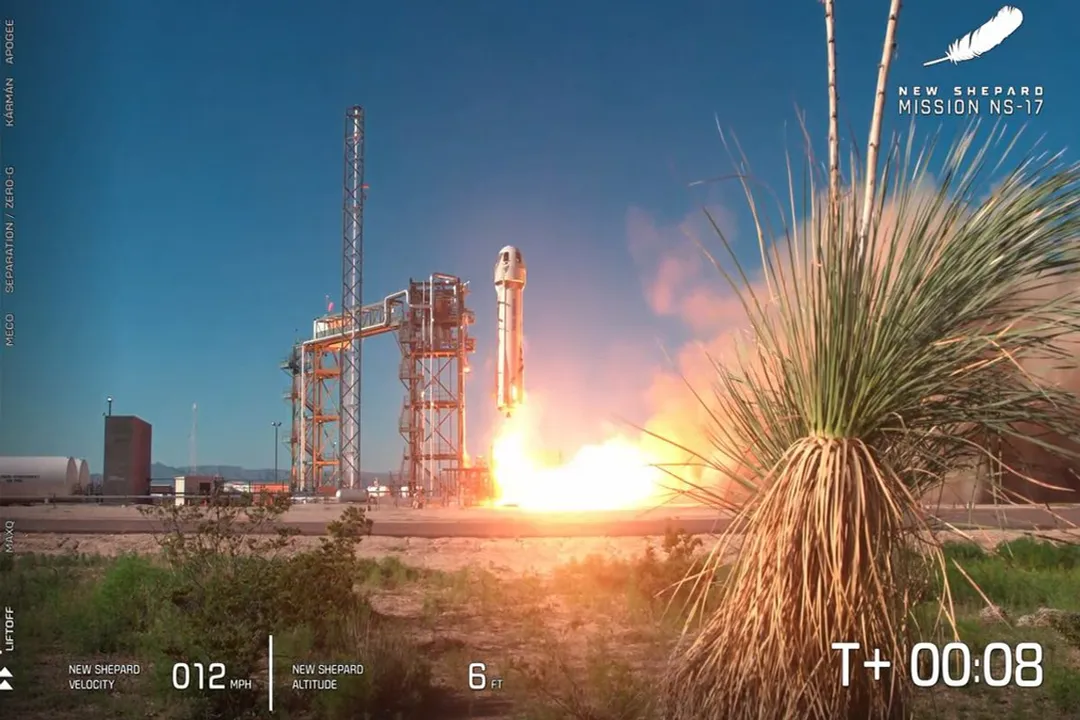
The propellant combination of liquid hydrogen () and liquid oxygen () is frequently cited as the "cleanest" in terms of primary exhaust products, as the reaction yields almost exclusively water vapor () and heat. [2][5] There are virtually no carbon emissions or soot particulates. [5] This would seem to be the environmental gold standard.
However, the issue here shifts from particulate warming to water vapor loading and its effects on atmospheric chemistry. [6] Injecting massive quantities of water vapor directly into the stratosphere or mesosphere is a newer area of study. While water is natural, injecting it concentratedly at high altitudes can alter the local balance of atmospheric chemistry. [6] Specifically, this excess water can promote chemical reactions that lead to ozone depletion. [8] There is also concern that the water vapor could condense around stratospheric aerosols, potentially seeding the formation of noctilucent clouds, which can also influence the Earth’s radiation balance. [6] The sheer volume of water produced by an increasing launch cadence using engines requires careful modeling to understand its long-term climatic effect. [2][6]
# Solid Propellants
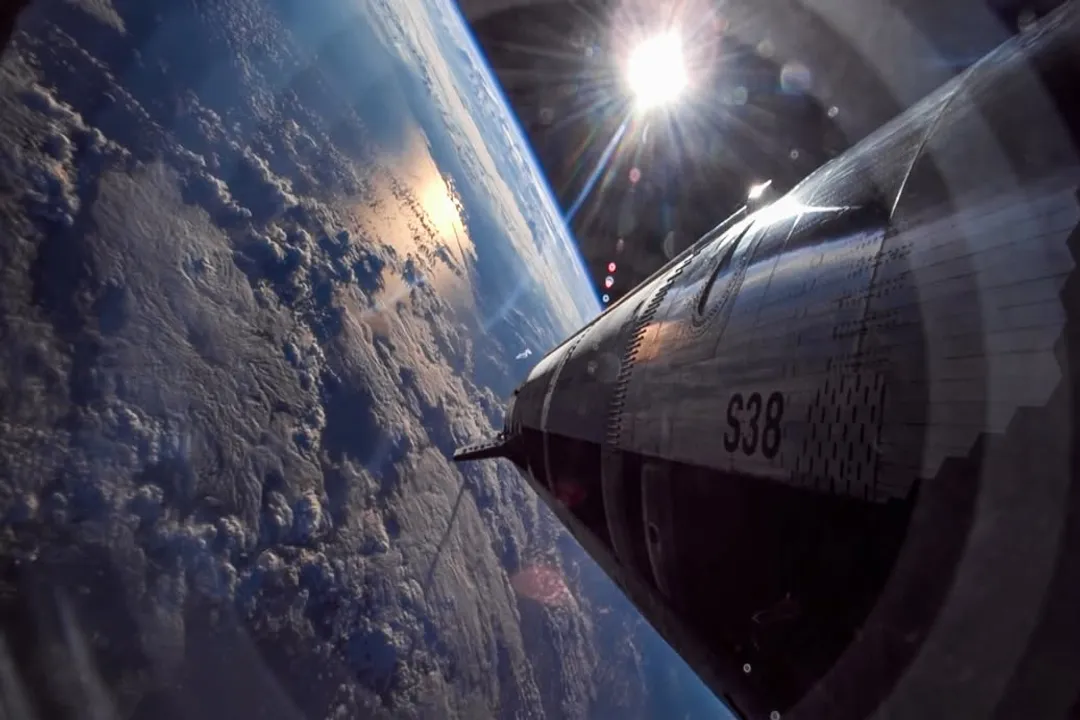
The environmental profile takes a sharp turn when considering Solid Rocket Boosters (SRBs), which are often used as strap-on boosters for large launch vehicles. [2][5] These often employ ammonium perchlorate composite propellant (APCP). [2] The exhaust from these solids is far from clean, releasing hydrochloric acid (), chlorine gas, and aluminum oxide particles. [2][5]
The chlorine released is particularly damaging because it is a well-known catalyst for ozone destruction. [8] While the primary impact of SRB emissions is concentrated near the launch site and in the lower stratosphere, the chemical nature of the exhaust presents a more acute, chemistry-altering pollution event than the pure outputs of liquid engines. [5] The aluminum oxide residue can also persist, acting as an aerosol in the upper atmosphere. [2] Considering the acute chemical payload, one could argue that the instantaneous environmental disruption from a solid rocket burn is the most aggressive of the common propulsion types. [5]
# Altitude Effects
The reason the type of pollution matters so much comes down to atmospheric residence time and interaction zones. Emissions released in the troposphere—the lowest layer of the atmosphere, where weather occurs—are relatively short-lived, often washed out by rain within days or weeks. [6]
Emissions dumped into the stratosphere, however, can linger for years, allowing them to spread globally and interact with the ozone layer or alter the planet's energy budget over an extended period. [6][8] Soot from hydrocarbon burns and water vapor from hydrogen burns are deposited directly into this sensitive region. [6] A comparison of the long-term climate impact of soot versus stratospheric water vapor loading, based on projected future launch rates, suggests that while soot causes direct warming, the ozone depletion potential from water injection is a different, slower-acting threat. [8] It becomes a trade-off between warming caused by absorption (soot) and chemical alteration (water vapor and chlorine). [6]
If we look at the projected increase in space travel, the cumulative effect of many small, stratospheric injections, regardless of fuel source, is what needs rigorous assessment, rather than judging only the initial puff of smoke at the launch pad. [8] For instance, while a single launch's impact is minor, if launches increase by an order of magnitude, the resulting injection—even if cleaner in other metrics—contributes to overall atmospheric loading, a factor often overlooked when focusing only on soot or chlorine. [2] This persistent contribution of from frequent hydrocarbon or methane flights builds up over time, even if the per-launch effect is minimal compared to a large SRB release. [2]
# Launch Frequency Versus Fuel Type
A crucial element often lost in the "clean fuel" debate is the multiplication factor of frequency. [6] A vehicle using the "cleanest" fuel in terms of instantaneous emissions, like , becomes environmentally suspect if it launches fifty times a day, depositing copious amounts of water into the stratosphere. Conversely, a kerosene vehicle launching once a month might have a smaller net global impact than a high-frequency methane vehicle, despite the kerosene producing more soot per burn.
This brings up a practical consideration for future operations: the sheer volume of atmospheric loading. If a engine produces roughly $1.1$ to $1.2$ times the mass of compared to a engine for the same amount of thrust (due to methane's lower molecular weight and slightly higher combustion efficiency translating to more mass exhaust for the same energy), then a shift to methane, while reducing soot, still increases the primary greenhouse gas output slightly on a mass basis for the propellant consumed. [2][5] While is less immediately impactful in the stratosphere than soot, its long-term greenhouse effect is undisputed, meaning that increasing launch cadence with any hydrocarbon fuel carries a climate cost that must be managed through overall launch volume reduction or sourcing fuels from carbon-negative processes. [2]
# Ground Operations Water
Beyond the exhaust plume, some large launch operations involve significant water use at the launch pad itself. This water is typically used in sound suppression systems to absorb the massive acoustic energy generated by the rocket engines, preventing damage to the vehicle and ground infrastructure. [7] The concern here is localized—runoff, potential chemical contamination from the water treatment, and the immediate fate of large water volumes near the ocean or local environment. [7] However, sources suggest that this water dissipates relatively quickly into the environment and is not considered a primary source of long-term, high-altitude pollution or atmospheric change, contrasting sharply with the direct injection of propellant byproducts into the upper atmosphere. [7] The main regulatory focus for pad water is usually on managing runoff and avoiding immediate ecological harm near the launch site, rather than global atmospheric chemistry. [7]
# Assessing Cleanliness
Ultimately, defining "clean" depends on which environmental metric is prioritized: ozone depletion, localized particulate warming, or global forcing.
| Fuel Type | Primary Pollutants (Stratosphere) | Primary Near-Term Concern | Relative Cleanliness Ranking |
|---|---|---|---|
| Water Vapor () | Ozone perturbation via loading | High (If frequency is low) | |
| , Trace Soot | Stratospheric warming via soot | Medium-High (Better than Kerosene) | |
| , Significant Soot | Stratospheric warming via soot absorption | Medium (High soot output) | |
| Solid Propellant | , , | Ozone depletion, aerosol seeding | Low (Acute chemical release) |
The industry trend appears to favor methane because reducing soot is seen as the most manageable way to mitigate immediate stratospheric heating effects while still using dense, relatively high-energy propellants suitable for heavy lift. [1][5] Yet, the industry must remain aware that moving toward a methane-dominated fleet necessitates a hard look at the cumulative global warming potential of the increased output, especially as launch rates rise. [2][6] The cleanest path forward likely involves not just selecting the best propellant chemistry, but drastically reducing the frequency of launches needed to achieve mission objectives, or perhaps developing truly in-situ resource utilization (ISRU) fuels that minimize transport emissions entirely. [6]
Related Questions
#Citations
Will Starship be the most environmentally friendly rocket ever built?
[PDF] Environmental Impacts of Rocket Fuel
The environmental impact of rocket launches: The 'dirty' and the 'green'
How much do rockets pollute? - Everyday Astronaut
Rocket Launches Are Proliferating. What Is This Doing to the ...
What happens to all the water used in rocket launches - Quora
Projected increase in space travel may damage ozone layer
Rockets' environmental impact on the upper atmosphere - Facebook