Is rocket fuel good for the environment?

The plumes rising from rocket launches introduce a unique suite of chemicals directly into the upper layers of the atmosphere, prompting significant discussion about the true environmental cost of reaching orbit. Unlike conventional aircraft pollution, which largely dissipates in the lower atmosphere, rocket exhaust is injected into the stratosphere and mesosphere, altitudes where chemical lifetimes are extended and where compounds can influence ozone chemistry and radiative forcing for much longer periods. [6][1] Determining whether a specific rocket fuel is "good" or "bad" requires examining not just the immediate exhaust products, but also the fuel's entire life cycle, from production to disposal.
# Fuel Chemistry
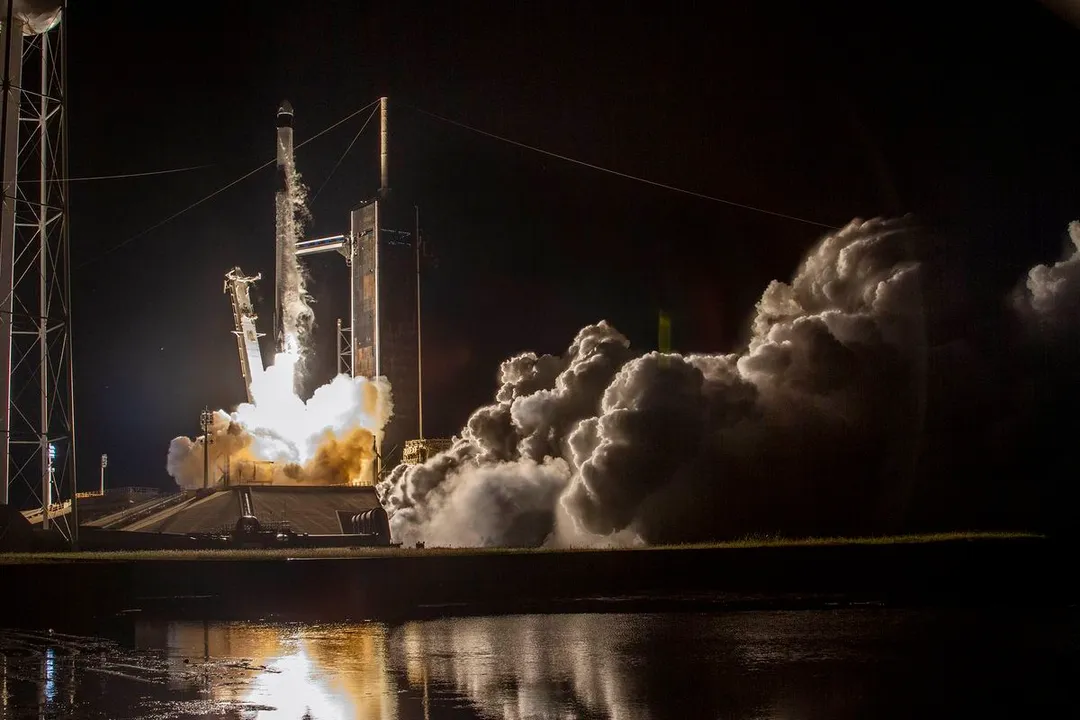
The environmental profile of a launch is fundamentally tied to the propellant combination chosen by the manufacturer. Several main categories dominate the industry today. [9]
Kerosene-based fuels, often referred to as RP-1, when burned with liquid oxygen (), are powerful and dense, making them a common choice for first stages. The environmental consequence here is the production of significant quantities of carbon dioxide () and, critically, soot, also known as black carbon. [1]
Liquid hydrogen () combined with is frequently highlighted as the cleanest-burning option in terms of exhaust composition. The primary byproduct of hydrogen combustion is simply water vapor (). [1][7] However, this "clean" profile is conditional. The release of large amounts of water vapor directly into the dry stratosphere is not without effect, as water vapor itself is a greenhouse gas, and its presence can influence high-altitude cloud formation and stratospheric ozone chemistry. [1]
Methane () and is an increasingly popular propellant, notably used by SpaceX's Raptor engines. Methane burns cleaner than kerosene, producing less soot, but it does generate due to the carbon content in the fuel. [1][9]
| Propellant Type | Primary Fuel | Key Exhaust Products | Environmental Note |
|---|---|---|---|
| Kerosene | RP-1 | , Water, Soot (Black Carbon) | Soot deposition in the stratosphere is a major concern. [3] |
| Hydrogen | Water () | Water vapor injected directly into the stratosphere can affect ozone. [1] | |
| Methane | , Water, Trace Soot | Lower soot than kerosene, but still produces carbon emissions. [1] |
# Stratospheric Fallout
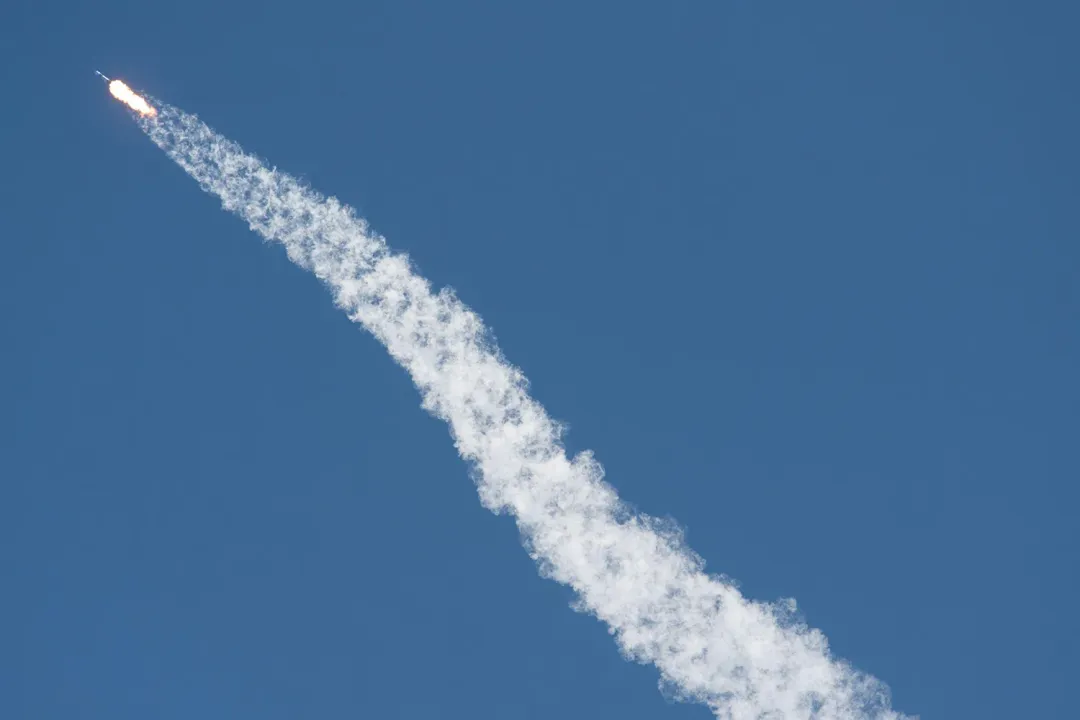
The primary concern shifts from local air quality—which is generally managed quickly by the atmosphere—to the composition of the upper atmosphere where pollutants reside far longer. [3]
Soot particles created by burning hydrocarbon fuels like kerosene settle in the stratosphere, a region extending roughly 10 to 50 kilometers above the Earth's surface. [3] Once there, black carbon absorbs solar radiation, which leads to localized heating of the atmosphere. This warming can, in turn, affect atmospheric dynamics and ozone concentrations. [1][6] While the total volume of soot from rockets is currently small compared to global aviation emissions, the altitude of deposition concentrates its effect.
Consider the launch site's climate. For a launch facility near a major urban center, the tropospheric mixing layer is usually efficient at dispersing ground-level stack emissions relatively quickly. However, the stratospheric plume from a single large booster occurs miles up, affecting a volume of air relevant to global climate models, not just local air quality. This distinction between tropospheric dispersal and stratospheric persistence is key to understanding the risk profile of different fuel types. [1][3]
Nitrogen oxides () are another byproduct of high-temperature combustion, regardless of the fuel used, as atmospheric nitrogen is oxidized by the extreme heat of the engine. [1] These compounds are known catalysts for ozone destruction, adding another chemical stressor to the stratosphere.
# Alternative Concepts

The drive for sustainability in spaceflight centers on eliminating or neutralizing carbon emissions altogether. One pathway being investigated involves using biofuels. [5] Companies are looking into propellants derived from non-petroleum sources, such as oils from algae or camelina plants, which are marketed as potentially being carbon-neutral on a lifecycle basis because the carbon they release upon burning was recently captured from the atmosphere during plant growth. [5]
However, even these seemingly greener options still face chemical hurdles. If the biofuel is hydrocarbon-based, it will still produce and potentially soot when combusted in the rocket engine. [5] The promise here is balancing the carbon budget, not eliminating the exhaust chemistry entirely.
The ultimate pursuit for truly zero-carbon propellant exhausts is often associated with hydrogen, as its exhaust is pure water. [2] Yet, as noted, the impact of stratospheric water vapor must be fully accounted for in climate modeling. [1] Another theoretical path involves fuels that react to produce only benign or quickly dissolving products, sometimes termed "zero-impact" fuels, though achieving this requires significant advancements in propulsion chemistry. [2]
Comparing the "cleanest" options requires looking at the full supply chain. While liquid hydrogen produces only water vapor on ejection, the energy intensity required to cool and store that hydrogen (cryogenics) using current grid power often results in a higher cradle-to-launch carbon footprint than a well-managed methane engine, depending on the manufacturing source for the oxidizer and fuel components. This shifts the environmental debate from immediate exhaust chemistry to industrial energy use. [7]
# Managing Frequency

The environmental ledger for rocket fuel changes dramatically as launch frequency increases. Today, the total mass of propellants burned annually remains relatively minor compared to global fossil fuel consumption. [6] However, the rapid expansion of large satellite constellations means that the frequency of launches is projected to grow substantially. [6]
This escalating cadence transforms the cumulative effect from a manageable, infrequent atmospheric perturbation into a persistent, growing source of upper-atmospheric contamination. If launches jump from dozens per year to thousands, the cumulative impact of soot deposition or persistent water vapor layers becomes a much more significant factor in long-term atmospheric physics. [6]
This growth puts pressure on the industry to adopt sustainability measures quickly. [4] Reducing the environmental toll is now seen as essential for the long-term viability of frequent access to space.

# Reducing Emissions
The industry is pursuing multiple avenues to mitigate the current and future impact of rocket operations. [4] These efforts fall broadly into adopting cleaner fuels and improving engine technology. [7]
- Propellant Switching: The most direct approach is moving away from kerosene to lower-soot fuels like methane or hydrogen, accepting the trade-offs associated with water vapor or lifecycle energy costs. [1][7]
- Engine Optimization: For existing or favored hydrocarbon fuels, engineers focus on combustion efficiency. Better mixing and more complete combustion can significantly reduce the formation of harmful byproducts like soot, even if the basic fuel chemistry remains the same. [7]
- Operational Timing: While difficult to implement universally, launching during periods when atmospheric conditions are expected to quickly disperse exhaust plumes, or favoring launch corridors that minimize high-altitude cross-winds that carry soot into sensitive ozone regions, represents a tactical operational change that operators can implement. [4]
These sustainability considerations are no longer peripheral concerns; they are becoming integral design specifications for the next generation of launch vehicles. The challenge is balancing the undeniable need for powerful, reliable, and cost-effective propulsion against the imperative to maintain the chemical integrity of the upper atmosphere. [4]
Related Questions
#Citations
[PDF] Environmental Impacts of Rocket Fuel
How zero-carbon rocket fuel is doable, and why emissions aren't a ...
How bad is rocket pollution? Fly to the stars to find out | CBC News
Space Sustainability: Reducing Fuel Emissions - KDC Resource
Biofuels Could Be a More Environmentally Friendly Rocket Fuel
The environmental impact of rocket launches: The 'dirty' and the 'green'
The pollution caused by rocket launches - BBC
Do rocket launches need to be an environmental/EPA concern now?
Rocket fuel might be polluting the Earth's upper atmosphere