How does the authorization criteria for using the FTS change significantly when dealing with a crewed flight compared to an uncrewed flight?
Answer
The criteria become far more restrictive, likely requiring near-certainty that the vehicle is on an uncontrolled trajectory toward a populated area
The presence of human life necessitates a far more cautious operational philosophy, meaning FTS authorization is much more restricted and reserved as the absolute last resort when ground catastrophe is highly probable.
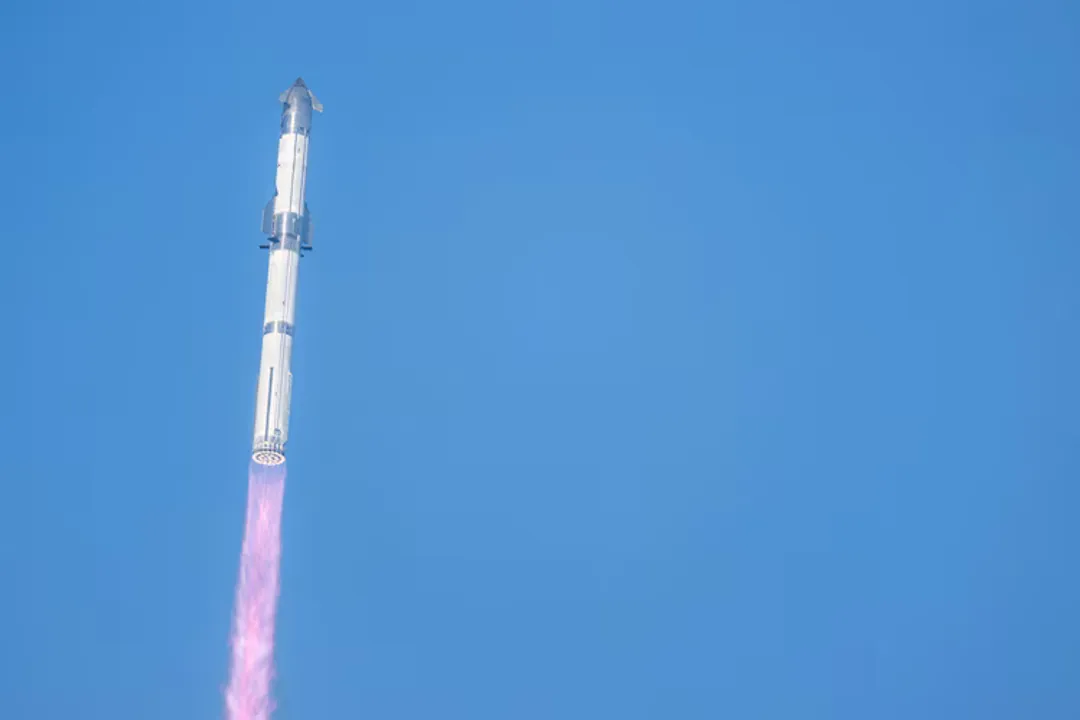
#Videos
SpaceX Starship self-destructs after successful launch and test flight
Related Questions
What is the real-world term for the concept of a rocket's self-destruct mechanism?What is the primary regulatory motivation behind requiring launch providers to implement an FTS?Under what condition is the Falcon 9's FTS primarily designed to activate automatically during an operational flight?Why is rapid, automated activation of the Falcon 9 FTS vital shortly after liftoff?What characterized the initial phases of Starship's integrated flight tests (IFTs) that influenced FTS requirements?What contrast exists regarding the intent of the FTS between an uncrewed Falcon 9 mission and an uncrewed Starship developmental test?How is the physical destruction of the rocket typically engineered to occur via the FTS mechanism?What safety feature is the primary method for saving the crew aboard the Crew Dragon capsule during a booster malfunction?How does the authorization criteria for using the FTS change significantly when dealing with a crewed flight compared to an uncrewed flight?During developmental Starship tests, from where could the termination command originate, provided it met regulatory standards?What is the stated goal of a well-executed FTS injection regarding the rocket's trajectory and debris?What differentiates the Falcon 9's termination system from some older termination systems regarding activation?