How long was Dan Goldin the NASA administrator?
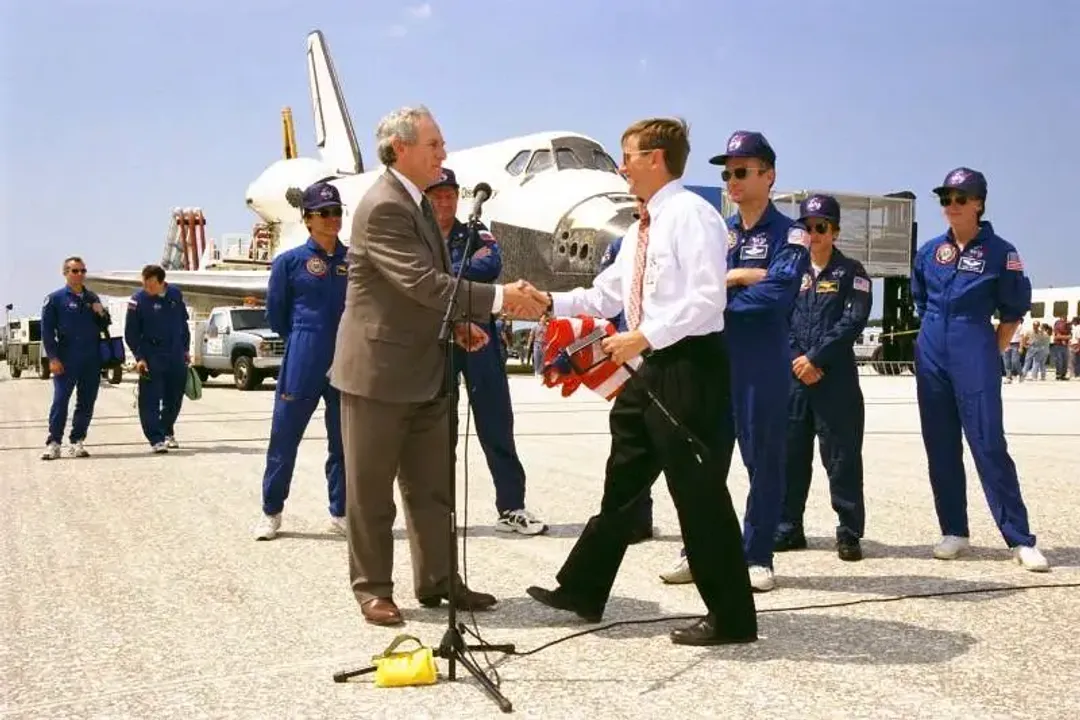
Daniel Goldin occupied the seat of the National Aeronautics and Space Administration (NASA) Administrator for a remarkable span of time, making him the agency’s longest-serving leader. His tenure began in the spring of 1992 and concluded late in 2001, clocking in at just over nine and a half years. This period, spanning from April 1, 1992, to November 17, 2001, was not simply long; it was defined by a radical, often intense, push to fundamentally reorient a massive government agency that many felt had grown slow and bureaucratic.
# A New Mandate
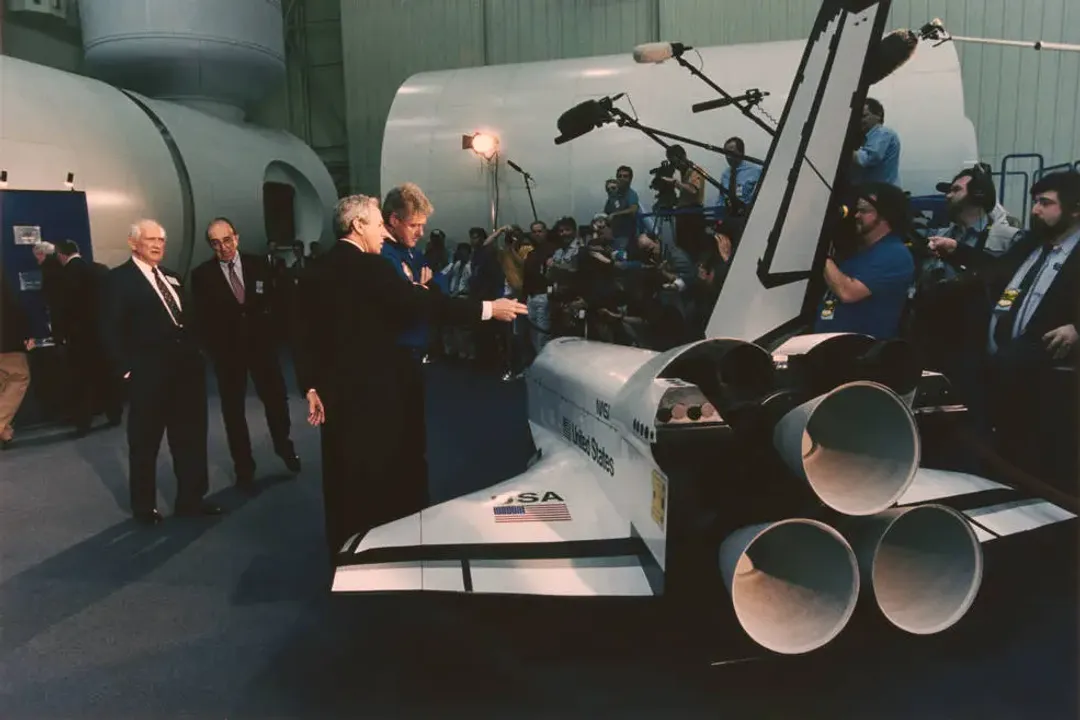
Goldin took the reins as the ninth NASA Administrator, nominated by President George H.W. Bush and confirmed by the Senate, serving throughout the administrations of both Bush and President William J. “Bill” Clinton, and into the beginning of George W. Bush’s term. He succeeded Richard H. Truly. When he arrived, the perception from external observers was that NASA had become a technologically stagnant bureaucracy that was expensive and moved too slowly. Goldin, an engineer by training who spent 25 years at the TRW Space and Technology Group working on classified national security programs, brought a distinct, sometimes abrasive, management style shaped by his private sector and defense background.
One of his first acts signaled this shift away from the past. Sensing a need for an internal morale boost and a clear break from what he viewed as an era of excessive caution, Goldin revived NASA’s original blue "meatball" logo, retiring the stylized red and white "worm" logo that had been in place since 1975. This seemingly cosmetic change underscored a deeper organizational transformation he intended to enact.
# Faster Better Cheaper
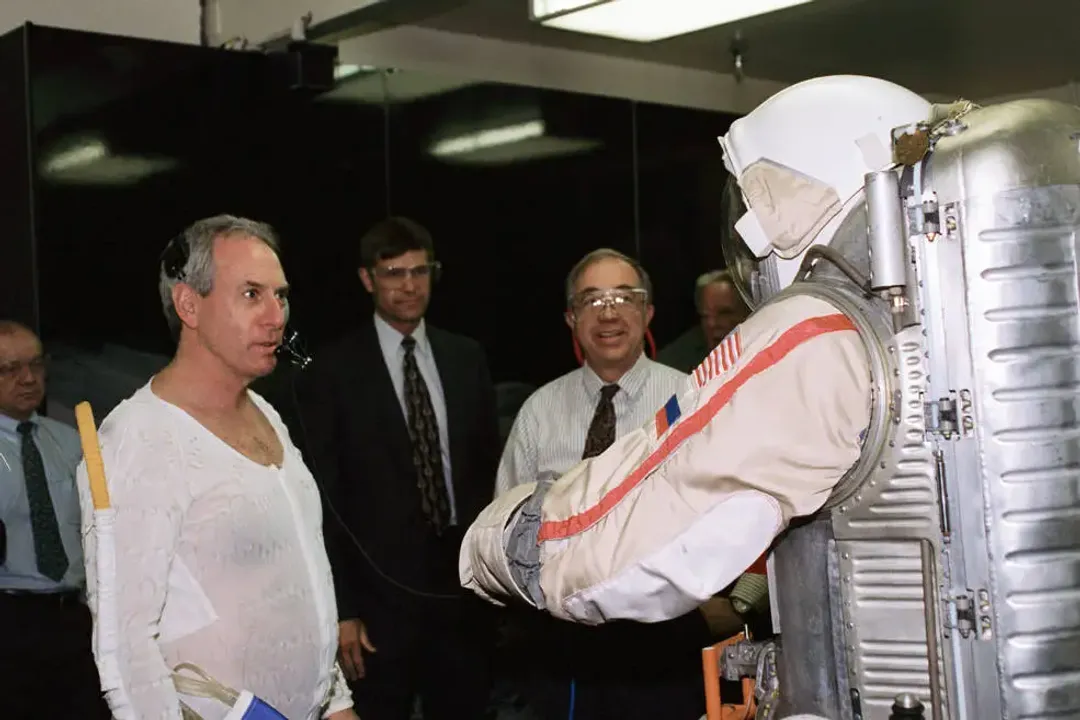
The philosophical cornerstone of the Goldin era was the maxim “faster, better, cheaper”. This concept was a direct response to past mission failures, such as the Mars Observer project, where the high stakes of singular, monolithic projects led to crippling caution, delay, and expense. Goldin wanted NASA to take more risks by making spacecraft smaller, lighter, and less expensive, allowing for a greater frequency of missions without the paralyzing fear associated with high-cost failures. The goal was to deliver timely results and high value to the public while cutting costs.
This philosophy was most visibly applied to NASA’s science missions, especially in the realm of planetary exploration and Earth science. The strategy dramatically increased the number of planetary and science missions launched annually, largely through the Discovery Program, which specialized in small, low-cost spacecraft. The Mars Global Surveyor orbiter and the Mars Pathfinder lander, complete with the Sojourner rover, are frequently cited as crowning achievements of this approach, proving its potential on the Martian surface. The revitalization of Earth observation programs was also notable, refocusing the work to fly more spacecraft and collect significantly more data for less than half the cost projected under earlier plans.
The implementation of "faster, better, cheaper" was not without its struggles. While the success of Pathfinder was undeniable, the approach drew significant criticism following the publicized failures of robotic missions like the Mars Climate Observer and Mars Polar Lander in 1999. This highlights a key challenge in space exploration management: the FBC methodology is much more readily applied to robotic science probes than to the immensely complex, inherently riskier, and politically sensitive human spaceflight enterprises, where schedules and safety margins are less negotiable. Goldin, however, managed to reduce Space Shuttle costs by about a third while simultaneously improving safety indicators.

# Workforce and Budgetary Recalibration

Under Goldin’s aggressive management reforms, NASA underwent a significant contraction in size and budget allocation. He successfully reduced the civil service workforce by about one-third across the agency, and more drastically, cut the civil service and contractor workforce at NASA Headquarters by more than half. Remarkably, these substantial reductions in personnel were accomplished without any forced layoffs, suggesting a reliance on attrition and voluntary separation programs. This downsizing, coupled with other efficiencies, resulted in a reported $40 billion reduction from prior budget plans.
This fiscal discipline necessitated a strategic shift in resource allocation. Goldin actively rebalanced the agency's focus. Funding for human space flight was cut from 48 percent of NASA’s total budget down to 38 percent, while funding for science and aerospace technology saw a proportional increase, rising from 31 to 43 percent. Simultaneously, the agency saw reported productivity gains climb by 40 percent. He also brought a renewed, vigorous emphasis back to aeronautics research, acknowledging the importance of the very first "A" in NASA.
# The International Space Station Era
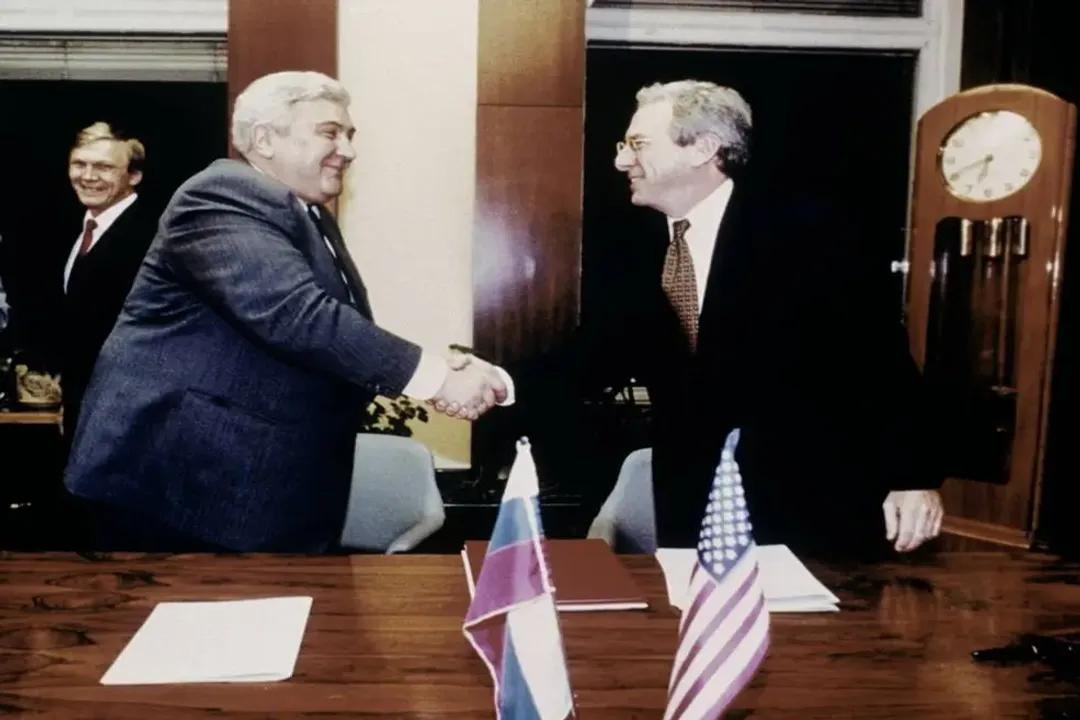
Perhaps Goldin's most enduring legacy involves the transformation of the International Space Station (ISS) program. In 1993, Space Station Freedom was facing intense budgetary scrutiny. Goldin spearheaded a massive redesign effort that pivoted away from the original Freedom concept, incorporating Russian partnership as a core component. This invitation to Russia was strategic, leveraging their extensive experience in long-duration spaceflight to potentially contribute hardware, thereby reducing the American financial burden and accelerating the development timeline.
This cooperation began with the Shuttle-Mir Program, which served as a critical testbed for joint operations, sending seven American astronauts to Mir between 1995 and 1998. The relationship formalized with the signing of an Intergovernmental Agreement among the international partners in January 1998. When the first piece of the ISS launched later that year, it marked the beginning of a new chapter. Goldin’s term concluded with a monumental achievement: the beginning of permanent human occupancy in space when Expedition 1 arrived in November 2000. His vision was that "We're going to be in space forever with people".
# A Legacy of Transformation
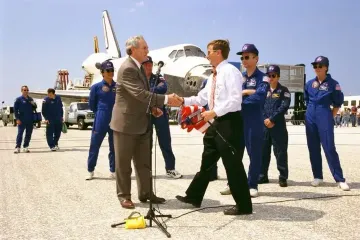
Goldin’s departure was announced in October 2001, effective November 17, 2001. His exit followed a period that saw continued successes, including servicing missions to the Hubble Space Telescope and the launch of the Chandra X-Ray Observatory. He also oversaw the first space shuttle flight commanded by a woman, Eileen M. Collins. During his tenure, he gathered numerous accolades, including the National Space Trophy in 1995 and the French Legion of Honor medal just before his departure in 2001.
After Goldin stepped down, Associate Deputy Administrator Daniel R. Mulville stepped in as the interim acting administrator until Sean C. O’Keefe was confirmed later that December. The foundational work laid by Goldin—streamlining operations, embracing international cooperation, and championing lower-cost science—helped set the stage for the agency’s future directions, including the eventual growth of commercial partnerships for routine operations. While Goldin himself would move on to private-sector consulting and founding a company focused on neural computing, his nearly decade-long service remains a benchmark for large-scale organizational change within a major scientific institution.
# Key Accomplishments Summarized
Goldin's nearly nine-and-a-half years saw a complete recalibration of priorities, budget, and culture at NASA.
| Area of Focus | Goldin Era Action/Result | Measurement/Impact |
|---|---|---|
| Tenure Length | Longest-serving Administrator | ~9 Years, 7.5 Months (April 1992 – Nov 2001) |
| Management Style | Implemented "Faster, Better, Cheaper" | Reduced science spacecraft development time by 40% and cost by two-thirds |
| Workforce | Aggressive reforms and efficiency drives | Reduced civil service workforce by about one-third agency-wide |
| Budget Rebalance | Shifted focus from Human Spaceflight to Science/Aeronautics | Human space flight funding dropped from 48% to 38% of budget |
| International Ties | Reshaped Space Station Freedom | Led to ISS becoming a full partnership with Russia; permanent human presence established |
| Visibility | Revived old NASA logo | Replaced the "worm" logo with the traditional "meatball" emblem |
The structural adjustments made under Goldin—specifically cutting costs and fostering international reliance for routine access to low Earth orbit—created necessary fiscal breathing room. This structural adjustment ultimately allowed the agency to pursue ambitious scientific endeavors like the Origins Program and maintain a strong cadence of robotic exploration to Mars. His management, described as demanding but efficient, successfully steered NASA through a period of transition, proving that a major government agency could reinvent itself in the face of budget constraints. This legacy of cost-consciousness and diversified mission portfolios has had ripple effects, influencing how subsequent administrations have structured programs like Artemis and encouraged private sector involvement in space access.
Related Questions
#Citations
Daniel Goldin - Wikipedia
Daniel S. Goldin - NASA
Daniel Goldin | Biography, NASA, & Facts - Britannica