What do NASA astronauts do when not in space?
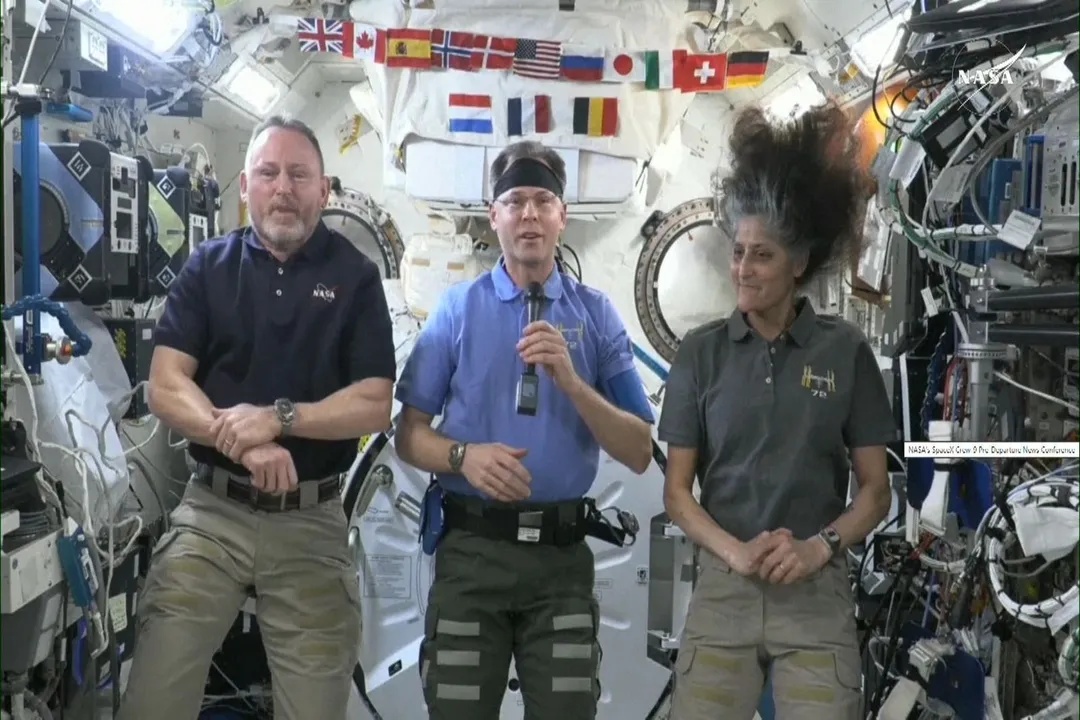
The life of an astronaut seems perpetually defined by the view from orbit—the science experiments, the spacewalks, and the simple act of floating through the International Space Station (ISS). Yet, the reality is that for every day spent above the atmosphere, there are hundreds, sometimes thousands, spent firmly on the ground. When not actively flying a mission, NASA astronauts are deeply engaged in a demanding, multi-faceted schedule that prepares them for the next flight, supports current operations, and aids in the crucial recovery after they return. This non-flight time is far from a break; it is an intense period of continuous development and critical support work.[3]
# Ground Residency
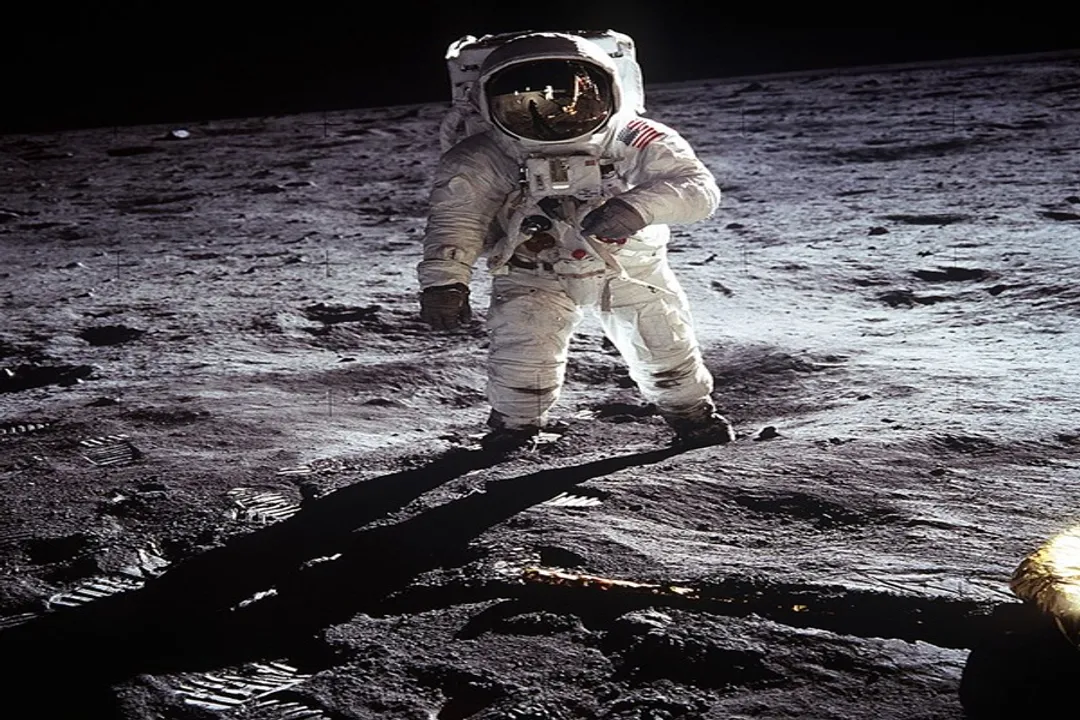
Astronauts assigned to active flight rotations generally reside near the Johnson Space Center (JSC) in Houston, Texas, as this is the hub for much of their training and mission support activities. [3] Even for astronauts based at other centers or those awaiting assignment, proximity to mission control and training facilities is key. Their time on Earth can be broken down into several major categories: training for future missions, supporting active missions, public outreach, and the often-overlooked but vital post-flight recovery period.[3][4]
# Advanced Preparation
The sheer technical depth required to operate in space necessitates an ongoing education that rarely ceases. Astronaut training is a multi-year process, and even after a crew member has flown, they must maintain proficiency in numerous areas, often learning new systems or procedures for upcoming hardware or new vehicle capabilities. [9] This continuous education ensures that when a flight opportunity arises, the astronaut is ready to step into a role with minimal lead time.
This preparation goes far beyond classroom work. Astronauts spend extensive time in simulators that replicate the look, feel, and even the physics of the spacecraft and the ISS modules. [9] These simulations are crucial for practicing emergency procedures—everything from handling minor equipment malfunctions to responding to serious contingencies like sudden depressurization or fire. The goal is to make responses automatic, enabling the crew to react effectively under stress when real-time communication with the ground might be delayed or compromised.
# Specialized Skills Acquisition
A modern astronaut must possess a wide skill set that often mirrors highly specialized technical trades. For example, they train extensively in robotics to operate the Canadarm2, the large robotic arm essential for station maintenance and capturing visiting cargo vehicles. [9] They also train to become proficient in critical on-orbit repairs, practicing tasks that might otherwise require a spacewalk.
Spacewalk training, or Extravehicular Activity (EVA) training, is particularly rigorous and time-consuming, even if the specific astronaut isn't scheduled for an EVA on their next flight. Astronauts train in the Neutral Buoyancy Laboratory (NBL), a massive pool containing full-scale mockups of the exterior of the space station. [5][6][9] Submerged in weighted suits, they practice every movement needed to perform maintenance or installation tasks in a simulated weightless environment, learning how to handle tools and manage their tethering and mobility. [6] This demanding physical and technical rehearsal ensures proficiency, even for support roles.
It is interesting to consider that while science operations in space are often focused on specific biological or material experiments, [5] the ground-based technical training requires astronauts to become generalists capable of fixing almost any system they encounter, essentially serving as onboard engineers, plumbers, and electricians—all while maintaining the specialized scientific knowledge required for their primary research objectives. This dual requirement shapes their entire career path.

# Current Mission Support
When an astronaut is not actively assigned to a flight crew in training, they are almost always assigned to a ground support role, ensuring the safety and success of the currently orbiting crews. [3] This is where their recent flight experience becomes an invaluable asset.
# Capsule Communicator Role
One of the most high-profile ground roles is serving as the CAPCOM, or Capsule Communicator, in Mission Control Center (MCC) in Houston. [3] The CAPCOM is the only person in Mission Control authorized to speak directly to the crew in space. This position demands intense focus, clear communication, and an intimate understanding of the crew's current task load, timeline, and system statuses. The CAPCOM acts as the voice of the entire ground team, translating complex engineering advice, medical updates, or procedural changes into concise, unambiguous language for the astronauts. Serving as CAPCOM means being on shift, often working the same rotational hours as the crew in orbit, to ensure smooth communication flow across the approximately 16 daily orbits the ISS completes.
# System Experts
Beyond direct communication, astronauts are often assigned as technical liaisons for specific systems or segments of the space station. For example, an astronaut might be the Hardware Lead for the Waste and Hygiene Compartment (WHC) or the lead for the station's power management system. [3] In this capacity, they work with the engineers and contractors responsible for developing, maintaining, or upgrading that hardware. They review new procedures, test upcoming software patches in simulators, and often fly to partner facilities (like those in Russia, Europe, or Japan) to review hardware integration plans. This ensures that the operational perspective—that of the person who will actually use the equipment—is incorporated into every ground decision before it affects the crew.
# Public Engagement and Leadership
The public face of the space program rests heavily on the shoulders of its astronauts. A significant amount of time is dedicated to public affairs, educational outreach, and representing NASA to governmental bodies. [3]
Astronauts frequently participate in speaking engagements at schools, museums, and public forums. They share their experiences, demystify the complex science, and serve as role models to inspire the next generation of scientists, engineers, and explorers. This work is fundamental to securing public and political support for future space exploration endeavors.
Moreover, astronauts often take on internal leadership roles within the Astronaut Office, handling administrative tasks, managing training schedules, or advising NASA management on policy decisions related to flight safety and astronaut welfare. [3] This demonstrates that their duties extend into governance and institutional support, utilizing their unique perspective to shape the future direction of human spaceflight programs.

# The Return: Post-Flight Recovery
Perhaps the most challenging "job" for an astronaut is the process of returning to Earth's gravity after months in microgravity. The body undergoes significant physiological changes—muscle atrophy, bone density loss, changes in fluid distribution, and issues with spatial orientation—that must be addressed systematically upon return. [4][7]
# Immediate Medical Assessment
The first phase is intensive medical observation and rehabilitation, often lasting for several weeks or months. [4] Upon landing, astronauts undergo immediate tests to assess cardiovascular function, balance, vision, and general mobility. [7] The shift from weightlessness to is jarring; simple acts like walking or maintaining posture require intense effort as the body readjusts. [4] Post-flight recovery protocols are highly structured, focusing on mitigating the long-term effects of exposure to space.
NASA notes that the duration and intensity of recovery depend heavily on the length of the mission. [4] A short-duration stay requires less intensive rehabilitation than a long-duration stay on the ISS. Astronauts may experience temporary changes in vision, which is a known side effect of long-duration spaceflight due to shifts in intracranial pressure, often requiring careful monitoring post-landing. [7]
# Physical Reconditioning
The core of the return process involves rigorous physical therapy tailored to restore pre-flight fitness levels. This includes exercises specifically designed to rebuild bone density and muscle mass lost in microgravity. [4] The entire rehabilitation process is tracked with detailed measurements and feedback sessions, forming a case study that informs how future crews will be conditioned both on orbit and upon return.
It is fascinating to see the difference between the highly autonomous problem-solving required in space—where a broken item might need an improvised fix—and the regimented, often passive, process of post-flight recovery, where the astronaut must strictly adhere to medical protocols designed by others to heal their system. One requires creative application of knowledge, the other demands disciplined submission to medical science. This cycle of high-stakes physical independence followed by total physical dependence highlights the extreme demands placed on their bodies.
# The Waiting Game Analysis
While the structure of training, support, and recovery is apparent, the time between official assignments can feel ambiguous to outsiders. One original perspective to consider is how astronauts manage the downtime between a completed mission's recovery and the start of the next training cycle. During this period, they are often performing administrative tasks, serving in specialized advisory roles, or taking required personal leave, but they must remain "on call" and ready to reactivate their training status quickly. [3] This readiness is an unwritten job requirement; unlike most professions where one can completely unplug between major projects, an astronaut must maintain a baseline level of physical fitness and technical alertness year-round, knowing that a sudden assignment or an emergency support role could pull them back into intense work with little notice.
This means that even in periods perceived as "downtime," they are functionally still NASA employees operating under unique constraints, always preparing for the next jump to orbit or the next critical ground assignment. It is a career defined by constant preparedness, rather than distinct work phases.
In summary, what NASA astronauts do when not in space is anything but a vacation. They transition from being space operators to being ground controllers, technical advisors, students, system experts, public ambassadors, and dedicated rehabilitation patients. Their ground time is an essential, non-negotiable component that sustains the entire human spaceflight enterprise, ensuring the success of missions past, present, and future.[3][4][9]
#Videos
What Do Astronauts Do When Not In Space? - YouTube
Related Questions
#Citations
What do astronauts do when not in space? What is their day ... - Reddit
What Do Astronauts Do When Not In Space? - YouTube
Do astronauts have other jobs when they are not in space ... - Quora
Life After Microgravity: Astronauts Reflect on Post-Flight Recovery
What astronauts do: Science, spacewalks and chores
'Stranded' NASA astronauts are finally home – but what can being in ...
Astronaut training - Wikipedia