Is NASA only about space?
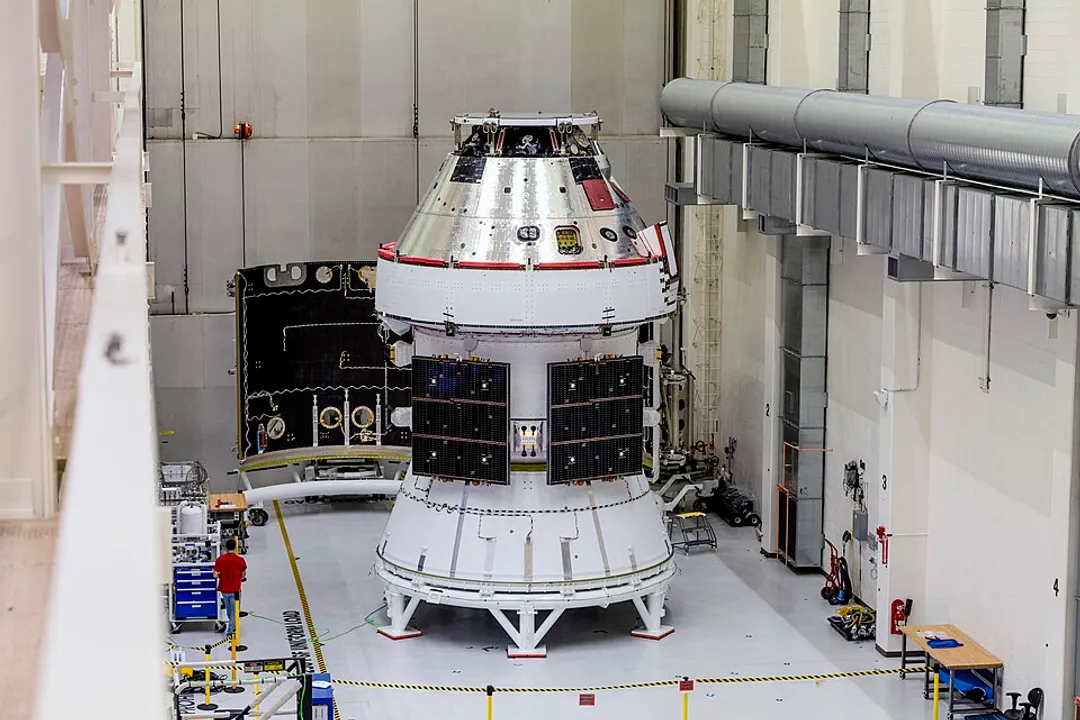
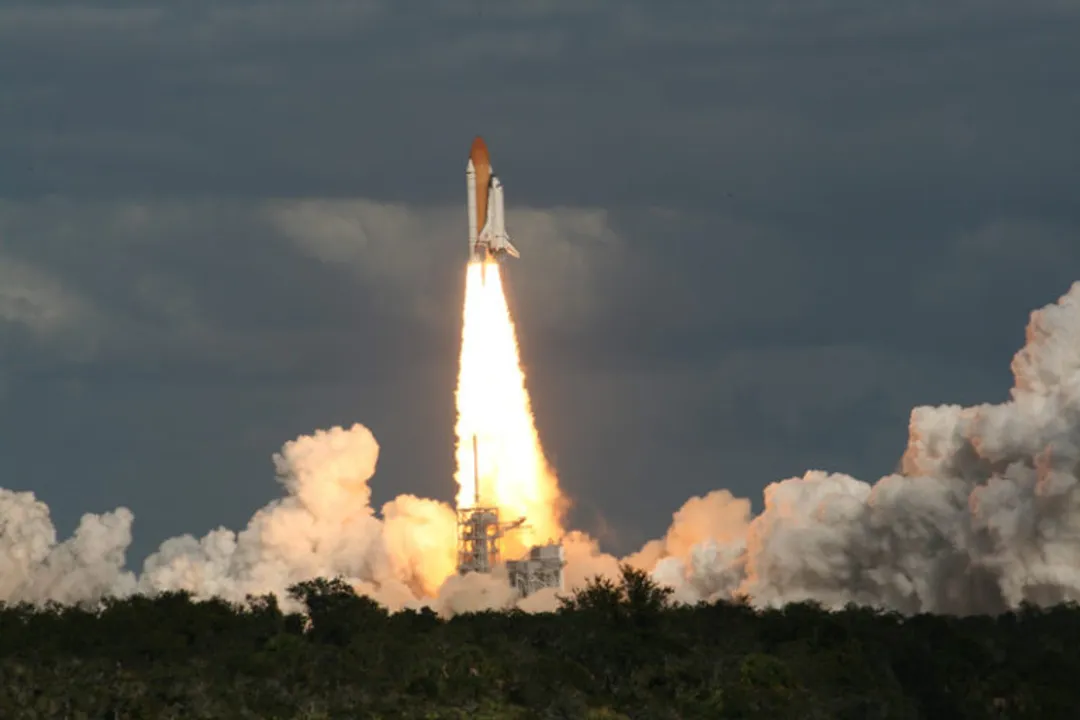
The immediate association for many people upon hearing the name NASA is rockets punching through the atmosphere, boots on the Moon, or perhaps the Hubble Space Telescope peering into the deepest reaches of the cosmos. This focus on visible, high-profile space exploration often leads to the simplification of the agency's entire portfolio, suggesting its work begins and ends light-years away. However, this perception misses the significant, foundational aspects of the agency's mission that keep our feet firmly planted on Earth, even as it reaches for Mars. NASA, officially the National Aeronautics and Space Administration, carries a dual mandate in its very name: Aeronautics and Space.
# Civil Mandate
The agency was established in 1958 through the National Aeronautics and Space Act, succeeding the National Advisory Committee for Aeronautics (NACA). A critical distinction in its formation was the explicit declaration that its activities must be purely civilian. This was intentional, designed to avoid the appearance of a purely military endeavor while still promoting technological development during the Cold War era. While the Department of Defense handles its own space and aeronautics programs, NASA’s civil mandate means its primary purpose is geared toward peaceful scientific discovery and technological advancement for the benefit of the general public. This historical separation from the military apparatus underscores that the why behind NASA is often discovery and inspiration, rather than pure national defense.
# Earth Science
Perhaps the most profound contradiction to the "space only" idea is NASA’s vast contribution to Earth science. The agency operates a fleet of sophisticated satellites dedicated not to looking outward, but downward. These instruments continuously monitor our planet's vital signs, gathering essential data on everything from the atmosphere to the oceans and ice sheets. Monitoring global climate trends, tracking severe weather systems, and understanding the distribution of natural resources are core components of NASA's Earth Science Division.
For instance, data gathered by NASA missions helps track deforestation rates, monitor water levels in key reservoirs, and predict the intensity and path of hurricanes and tropical storms. Think about the precision we expect now when tracking a tropical depression making its way toward a coastal city; much of that early atmospheric modeling relies on data collected by NASA’s remote sensing technology. If we were to consider how local communities benefit directly, understanding that a slight change in sea surface temperature captured by a satellite like the Suomi NPP (a collaboration with NOAA) directly feeds into the models used by your local National Weather Service office offers a very tangible connection. This is not the stuff of distant galaxies; this is data impacting local evacuation orders and agricultural planning today.
# Aeronautics Focus
The "A" in NASA often gets overshadowed by the "S," but the aeronautics side of the agency remains highly active, focusing on research to improve flight safety, efficiency, and environmental performance for air travel. This work is done at several of NASA's centers, such as the Glenn Research Center or the Armstrong Flight Research Center. Researchers there work on next-generation aircraft designs, advanced engine technologies, and improved air traffic management systems.
When considering the speed and efficiency of modern commercial jets, or the ongoing effort to make aviation quieter and use less fuel, much of the underlying foundational research traces back to federally funded aeronautical development. An interesting, though perhaps unquantifiable, comparison point is the long-term economic return: while space missions capture headlines, the incremental safety and efficiency gains delivered by aeronautics research translate into billions saved annually across the global aviation industry, representing a continuous, ground-level return on investment that operates entirely within Earth's atmosphere. This constant refinement in how we move through the air is a direct, non-space function of the agency.
# Technology Transfer
The demanding environment of space exploration requires engineering solutions that push the boundaries of materials science, computing, and miniaturization. When these solutions are developed, they frequently find their way into terrestrial applications—a phenomenon known as technology transfer or spinoffs. This process involves commercializing non-space technologies developed under NASA contracts for use by the public.
The list of these transfers is extensive, covering everything from medical devices to everyday consumer goods. For example, innovations in digital image processing, originally designed to enhance pictures from space probes, are now fundamental to modern medical imaging techniques like MRI and CT scans. Similarly, advancements in insulation materials developed for spacecraft protection have found their way into sleeping bags and building insulation, increasing thermal efficiency here on Earth. Even specialized water purification systems, designed to recycle water for long-duration missions, are adapted for use in remote or disaster-stricken areas where clean drinking water is scarce. These spinoffs illustrate a vital pipeline where taxpayer investment in space science yields concrete, everyday benefits that touch hospitals, homes, and infrastructure globally.
# Information Authority
The public perception that NASA is the only source of space information in America is a common one, often stemming from its historical role as the leading government body in this sector. While private companies and academic institutions certainly contribute, NASA often serves as the authoritative clearinghouse for official data and imagery related to space. This stems from its mandate to conduct scientific research and disseminate the findings.
The agency supports various educational initiatives, providing materials and access points designed for different age groups to explain complex concepts, from basic orbital mechanics to the search for life on exoplanets. For younger students, NASA offers resources explaining what the agency is and what its people do, ensuring foundational scientific literacy. This role is particularly important when discussing complex topics like the search for extraterrestrial life; NASA scientists publish papers, release images from telescopes like the James Webb Space Telescope, and provide context that helps separate scientific possibility from science fiction.
When the public looks for verified updates on Mars rovers, asteroid tracking, or deep-space telescope results, NASA's official channels—websites, social media, and press releases—remain the primary, trusted source for baseline facts, even as other entities like SpaceX or Blue Origin make headlines for their launches. This authoritative position is cemented by decades of successful missions and data collection, creating a high degree of trust, which Pew Research data often reflects in terms of public confidence in its scientific contributions.
# Evolving Commercial Partnership
The landscape of space exploration has changed dramatically in the last two decades, shifting the dynamic between NASA and the private sector. Where once the agency was almost solely responsible for designing, building, and operating every piece of hardware, it now increasingly acts as a customer and facilitator for commercial partners. This allows NASA to focus its internal resources on riskier, more purely scientific endeavors, like deep space probes or advanced telescope development, while relying on commercial providers for routine tasks like ferrying cargo and crew to the International Space Station (ISS).
This evolving relationship is a conscious strategy shift. Recognizing that private industry is capable of innovation and cost-saving in certain areas, NASA has structured programs to encourage commercial growth. One way to visualize this change is to look at budgetary allocation versus mission execution. In the Apollo era, NASA essentially owned the entire chain of command and hardware supply for human spaceflight. Today, a significant portion of low-Earth orbit access is contracted out. However, this partnership is symbiotic; the commercial entities gain vital experience and customers, while NASA benefits from lower operational costs and access to new technologies developed within those private ecosystems.
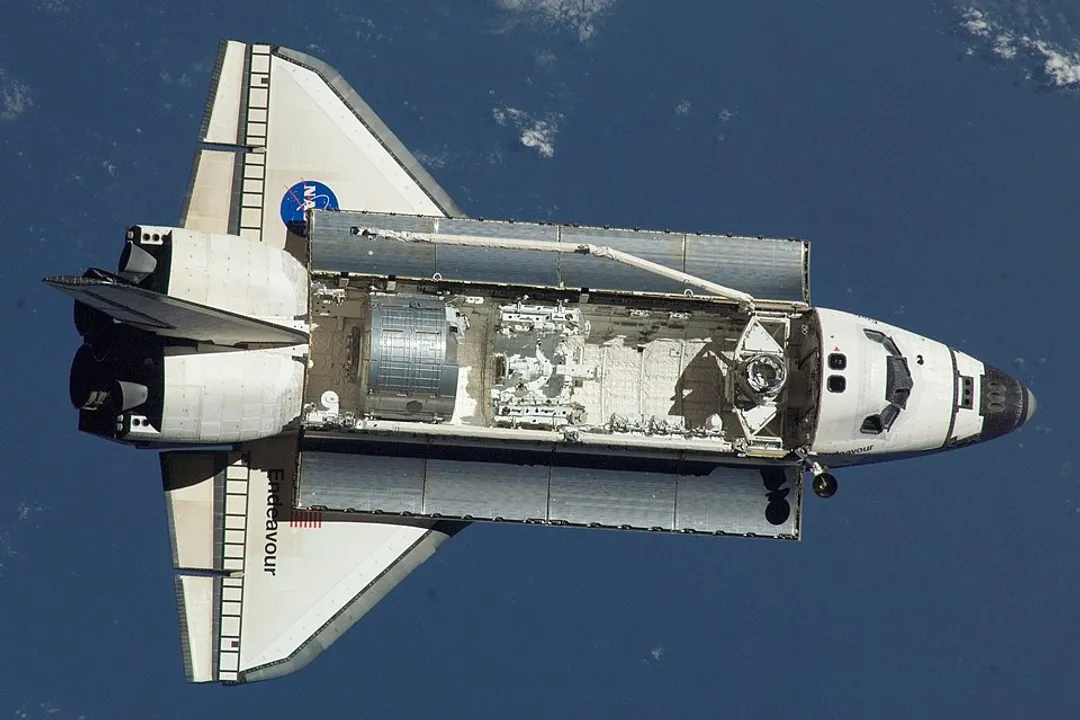
It is important to recognize that while commercial entities might launch the hardware, NASA often provides the initial scientific requirement or the launch infrastructure that makes the operation possible in the first place. Furthermore, NASA continues to manage and operate the ISS, a monumental feat of international engineering and on-orbit maintenance that is very much not solely about launching new hardware, but about sustaining a long-term orbiting laboratory. The very existence of commercially viable rockets is often dependent on earlier NASA research in propulsion and vehicle design, demonstrating a continuous, if less visible, foundational support role.
# Looking Ahead
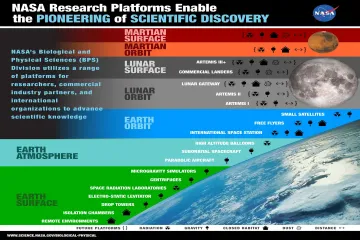
The idea that NASA is only about space exploration is a simplification born from spectacular visuals and compelling astronaut narratives. While those elements are powerful drivers of public interest and inspire future scientists, they represent only one facet of a broad, congressionally mandated agency. Its responsibilities thread through climate science that affects current weather patterns, aeronautics research that underpins commercial air travel, and the transfer of materials science that improves everyday medical tools. NASA's identity is rooted in a dual mission: mastering the air around us and investigating the universe beyond it, all under a framework established to ensure these efforts remain dedicated to the civilian good. If one were to create a quick metric of its work based on immediate public utility versus cosmic discovery, the scales might appear surprisingly balanced between the terrestrial and the extraterrestrial. The agency’s ongoing strength lies in its ability to maintain both the high-altitude view of cosmology and the ground-level focus on Earth's immediate needs simultaneously.
Related Questions
#Citations
NASA - Wikipedia
About NASA
Why is NASA the only source of information about space in America?
Is my memory totally off or was NASA basically saying they weren't ...
The National Aeronautics and Space Administration (NASA)
Are We Alone? - NASA Science
What is NASA? Exploring the universe for 65 years - Space
Americans' Views of Space: U.S. Role, NASA Priorities and Impact of ...