Who manages the Hubble telescope?
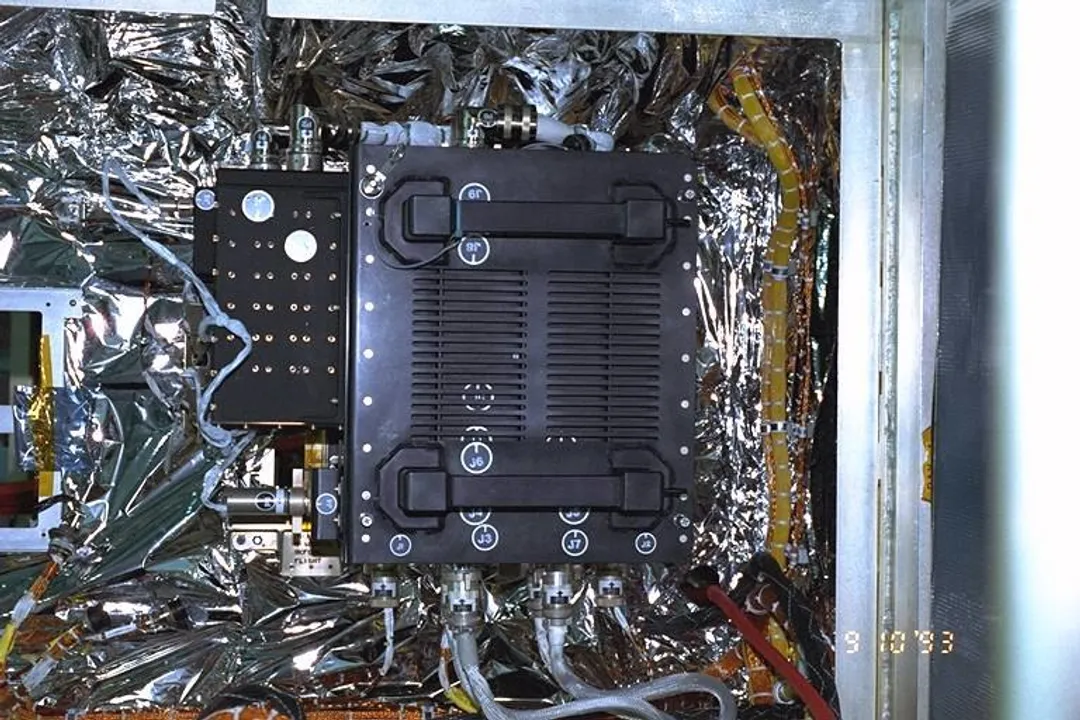
The management of the Hubble Space Telescope is not the job of a single person or even a single organization; it is a complex, multi-layered partnership built over decades. Since its launch in 1990, this iconic observatory has required constant oversight, both for keeping its delicate instruments functioning in the harsh environment of space and for deciding where to point its magnificent eye next. This intricate collaboration involves government agencies, specialized scientific institutes, and private contractors, all working under the umbrella of the National Aeronautics and Space Administration (NASA). [1][3]
# NASA Ownership

The ultimate authority and owner of the Hubble Space Telescope (HST) remains NASA. [1][8] As the primary funding body and the agency that conceived, built, and launched the telescope, NASA sets the overarching goals and approves the mission's continuation. [6]
Within NASA, the responsibility for the mission is generally distributed across different centers based on expertise. The Goddard Space Flight Center (GSFC) in Maryland has historically played a central role in managing the overall mission, including spacecraft development, mission operations, and the integration of science data. [3] GSFC oversees the flight operations—the nuts and bolts of keeping the telescope alive, tracking its orbit, monitoring its health, and ensuring the hardware performs correctly. [4] This ownership structure ensures accountability, but the day-to-day scientific direction is delegated to specialized partners.
The continuity of the mission is demonstrated through long-term agreements. For instance, NASA has repeatedly extended the contracts for the teams responsible for keeping Hubble running and productive, showing significant trust in the established operational teams. [8] This funding and oversight role by NASA anchors the entire enterprise.
# Science Institute

If NASA provides the structure and the hardware, the Space Telescope Science Institute (STScI) in Baltimore, Maryland, acts as the brain behind Hubble’s scientific output. [3] STScI is an operating center for NASA, meaning that while they don't own the telescope, they are solely responsible for its science operations. [3]
This distinction is crucial. While GSFC manages the flight path and the health of the spacecraft itself, STScI manages what Hubble actually looks at and when. Their responsibilities are vast:
- Observation Planning: Scientists worldwide submit proposals detailing the celestial targets they wish to observe. STScI’s staff reviews these proposals and meticulously schedules the observations, balancing competing demands against technical constraints like pointing stability and orbital visibility. [3]
- Data Processing: Once the photons are collected, STScI handles the complex process of calibrating and processing the raw data into the scientifically usable images and spectra that the public and researchers see. [3]
- Archive Management: They maintain the vast public archive of all Hubble data, making the collective scientific history accessible to new generations of researchers. [3]
This organizational split—flight control handled by one group (with NASA oversight) and science direction by another (STScI)—is fascinating because it mirrors management strategies seen in cutting-edge distributed technology companies today, where the teams managing the physical infrastructure are intentionally separated from the teams managing the user experience and product output. This specialization ensures that the technical challenge of operating a delicate machine in space does not overshadow the core scientific mission, and vice-versa. [3]
# Engineering Support
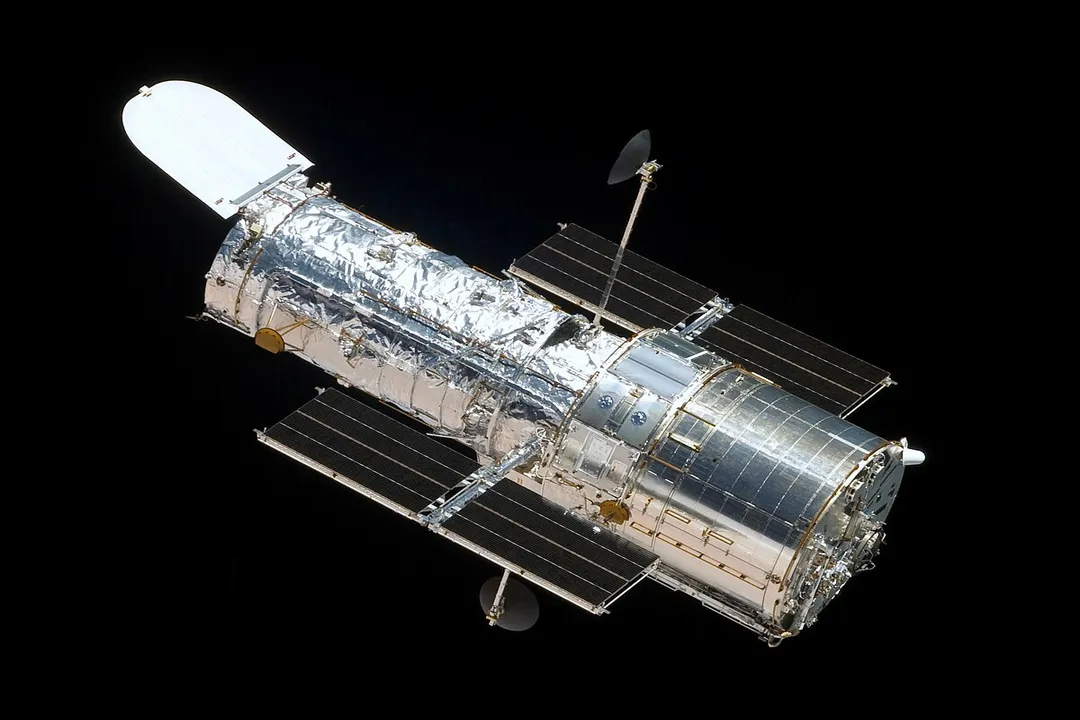
To keep a complex machine like Hubble running for over three decades, expert engineering and maintenance are essential, often handled by aerospace contractors who originally built the components. [2] While the day-to-day maintenance schedule is managed via NASA contracts overseen by GSFC, the specialized knowledge often resides with the original builders.
For example, the telescope was constructed by a consortium of aerospace companies. Lockheed Martin was responsible for building the spacecraft bus (the structure that holds everything together), [2] while Ball Aerospace & Technologies Corp. built the optical Telescope Element (OTE), which contains the primary and secondary mirrors. [2]
Even after astronaut servicing missions replaced failed components and upgraded instruments—a process unique to Hubble—the deep expertise from these original builders remains critical for understanding system failures, designing repairs, and planning future instrument integrations. [2] When an anomaly occurs, the teams at GSFC and STScI coordinate closely with the engineers who know the physical idiosyncrasies of the hardware best.
# Operational Teams
The collective effort requires a vast team of individuals, sometimes numbering in the hundreds, who are responsible for mission execution. These individuals work at NASA centers like Goddard, at the Space Telescope Science Institute, and at contractor facilities. [1]
For the general public, seeing the incredible images—like those featuring galaxies millions of light-years away or planets in our own solar system—is the primary result. [4] However, behind every single stunning image is an astronomer at STScI who helped design the exposure, a software engineer who wrote the commanding code, and an operations specialist who ensured the command was transmitted correctly to the spacecraft orbiting over 335 miles above Earth. [2]
It is important to note the role of the scientific community itself in the management process. Access to Hubble is highly competitive. Scientists submit proposals, often requiring immense justification to receive just a few hours of observation time. [3] This competitive, peer-reviewed access structure functions as an internal management layer, ensuring that the telescope’s time is allocated based on scientific merit, not administrative convenience. This mechanism guarantees that the scientific return on investment remains exceptionally high. [3] Furthermore, the scientists who utilize the data are integral to the process, as they interpret the results and often help validate the data pipeline managed by STScI.
# Collaborative Structure Summary
The management of Hubble can be summarized as a three-pronged structure supported by specialized contractors:
| Entity | Primary Responsibility | Location/Affiliation |
|---|---|---|
| NASA (GSFC) | Overall Mission Oversight, Funding, Flight Operations (Keeping it running) | Goddard Space Flight Center, Greenbelt, MD |
| STScI | Science Operations, Observation Scheduling, Data Calibration, Archiving | Baltimore, MD (University Association) |
| Contractors (e.g., Lockheed Martin, Ball) | Hardware Construction, Technical Maintenance Support | Various Private Facilities |
This arrangement has allowed the mission to adapt significantly over its lifespan, including five separate Space Shuttle servicing missions between 1993 and 2009 which were vital for repair and upgrades. [2] These servicing missions were entirely managed and executed through the combined planning of NASA, the astronauts, and the engineering teams who designed the replacement parts. [2]
The success of Hubble isn't just in its magnificent instruments or its stable orbit; it is a testament to the enduring, functional relationship between government agency oversight, specialized scientific execution, and engineering support. This sustained, multi-organizational management approach has allowed the telescope to remain a leading scientific instrument far beyond its initially planned operational lifetime. [8]
#Videos
The Space Telescope Operations Control Center - YouTube
Related Questions
#Citations
Hubble Team - NASA Science
Hubble Space Telescope - Wikipedia
About | STScI
Hubble Facilities - NASA Scientific Visualization Studio
The Space Telescope Operations Control Center - YouTube
Chapter: 2 Hubble Space Telescope
Hubble, the space telescope exploring the Cosmos
Who take care of hubble telescope and control it? - Quora
NASA extends Hubble Space Telescope science operations contract