Who services and maintains the Hubble Space Telescope?
The longevity of the Hubble Space Telescope (HST), now over three decades into its operational life, is a testament not just to brilliant engineering but to an extraordinary, sustained commitment from multiple organizations on two continents. Keeping a complex machine operational a quarter of a million miles from Earth requires a continuous effort involving scientists, engineers, technicians, and astronauts across several distinct teams. It is a multinational, multi-layered support structure that dictates what Hubble sees and how it stays pointed toward the cosmos.[1][2]
# Partnership Structure

The foundation of Hubble’s operation rests upon a strong international partnership, primarily between the United States' National Aeronautics and Space Administration (NASA) and the European Space Agency (ESA). [1] This collaboration is typical for large-scale space science missions. NASA serves as the primary manager for the overall mission, but the ESA contributes significant hardware and personnel, earning them a share of the observation time. [4] This shared ownership means that decisions about the telescope’s pointing, maintenance scheduling, and scientific output are made through joint agreements between these major bodies.[1]
# Science Command
While NASA and ESA manage the mission structure, the day-to-day scientific direction and management of the data stream are entrusted to a specialized facility: the Space Telescope Science Institute (STScI). [2] Located in Baltimore, Maryland, STScI is operated by the Association of Universities for Research in Astronomy (AURA) under contract to NASA. [2]
The STScI team functions as the mission's brain. Their responsibilities are far-reaching: they coordinate the scheduling of observations requested by astronomers worldwide, manage the massive flow of data returned from orbit, and ensure the telescope’s instruments are calibrated and working correctly to produce high-quality, scientifically accurate images and spectra. [2] If an astronomer proposes a target, it is the STScI staff who ultimately translate that request into precise, executable commands sent to the HST. [8] This contrasts sharply with the role of the original builders, whose focus was on getting the physical machine into space and making it work initially; STScI focuses on maximizing its scientific return every single day. [2]
# Hardware Support
The physical health and continued functionality of the HST hardware rely on a network of technical experts and contractors. Lockheed Martin, for example, was the prime contractor responsible for building the spacecraft and remains involved in providing significant support for its continued operation and servicing missions. [5] This support involves specialized engineers who understand the original design intricacies of the telescope’s structure, power systems, and thermal controls. [5]
It is worth noting the distinct division of labor here: the STScI team worries about the data and pointing, while contractors like Lockheed Martin focus on the hardware’s integrity. When a problem arises, such as an issue with the power supply or a reaction wheel that keeps the telescope stable, the diagnostics often fall back to the original engineering teams who designed those specific components. [5] This historical continuity is invaluable; imagine trying to repair a fifty-year-old car without access to the original manufacturing blueprints or the people who engineered the engine—that is the complexity the Hubble support teams have successfully navigated for decades.[1][5]
# Physical Servicing
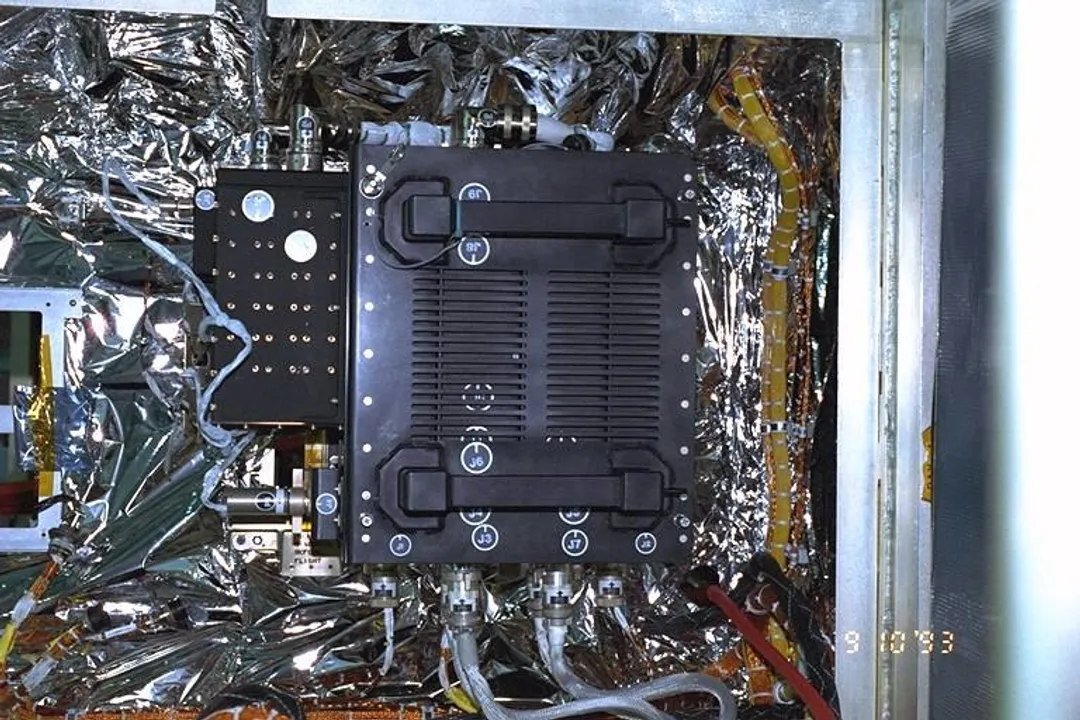
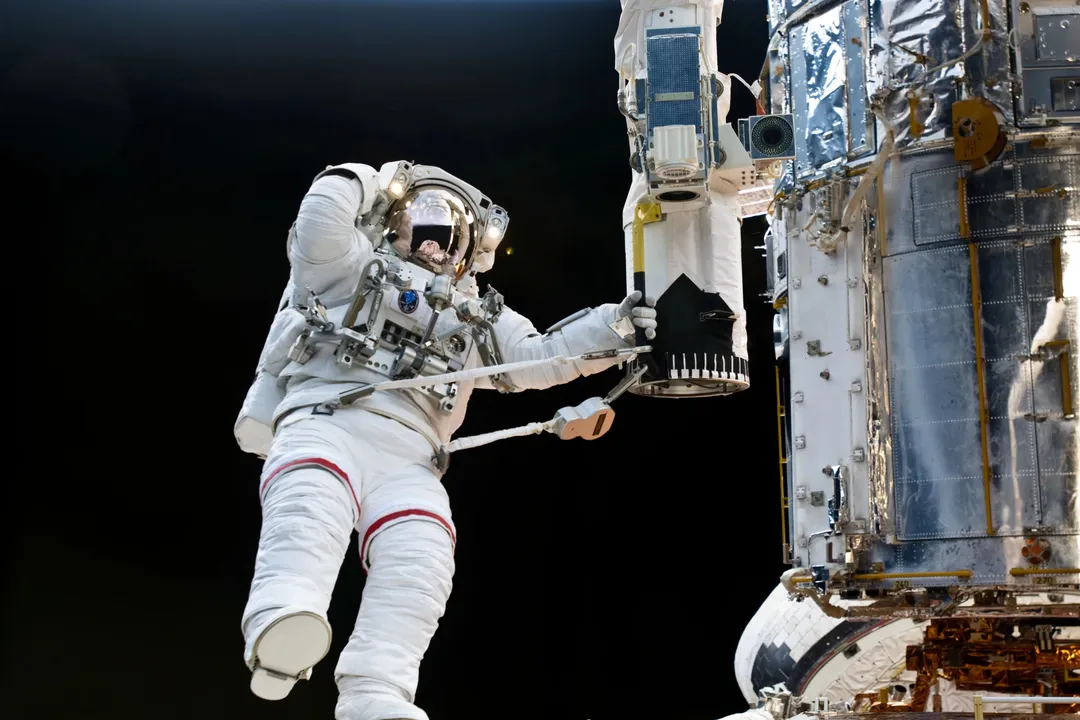
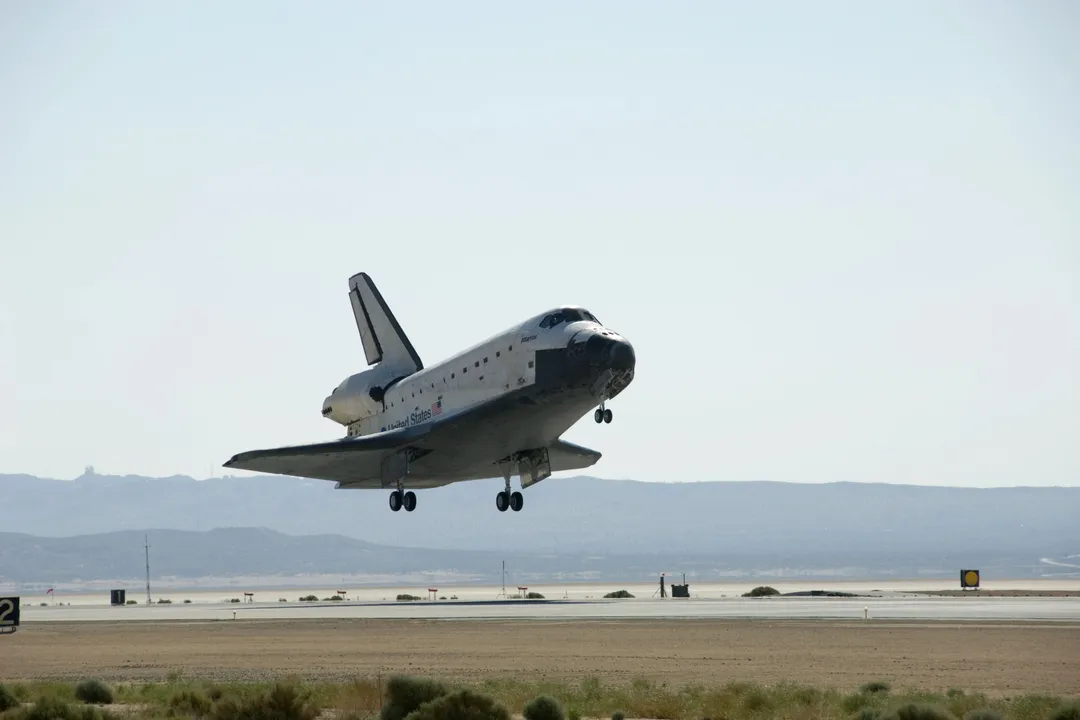
For many years, the primary method of maintaining Hubble—as opposed to remotely operating it—was physical intervention via the Space Shuttle program. [3] This was a bold, unprecedented approach for a space observatory. Between 1993 and 2009, five separate servicing missions were flown by NASA astronauts. [3] These missions were critical, especially the first one, which corrected the telescope’s flawed primary mirror optics. [1]
The subsequent missions replaced aging components, installed new scientific instruments, and upgraded obsolete hardware. [3] This required extraordinary planning by teams on the ground, including those from NASA centers and contractors, to ensure the astronauts had the exact tools, procedures, and timing necessary to perform complex extravehicular activities (EVAs) that sometimes lasted many hours. [5] The successful execution of these five missions is what allowed Hubble to remain healthy and productive so long into its mission. [6] This model of on-orbit repair, however, has its clear limits. Once the Shuttle program was retired, the opportunity for direct human maintenance ended, shifting the operational paradigm entirely toward remote monitoring and component longevity.[3]

# Current Status
Hubble remains operational and productive, a significant achievement given its original design life was only intended to be 15 years. [6] Since the final servicing mission in 2009, the telescope has been running on the lifespan of its installed components, with ground teams managing power consumption and minimizing strain on older systems. [3] This current phase relies heavily on the remote operational expertise of the STScI and the engineering oversight of NASA and its partners to keep the hardware healthy. [2][5]
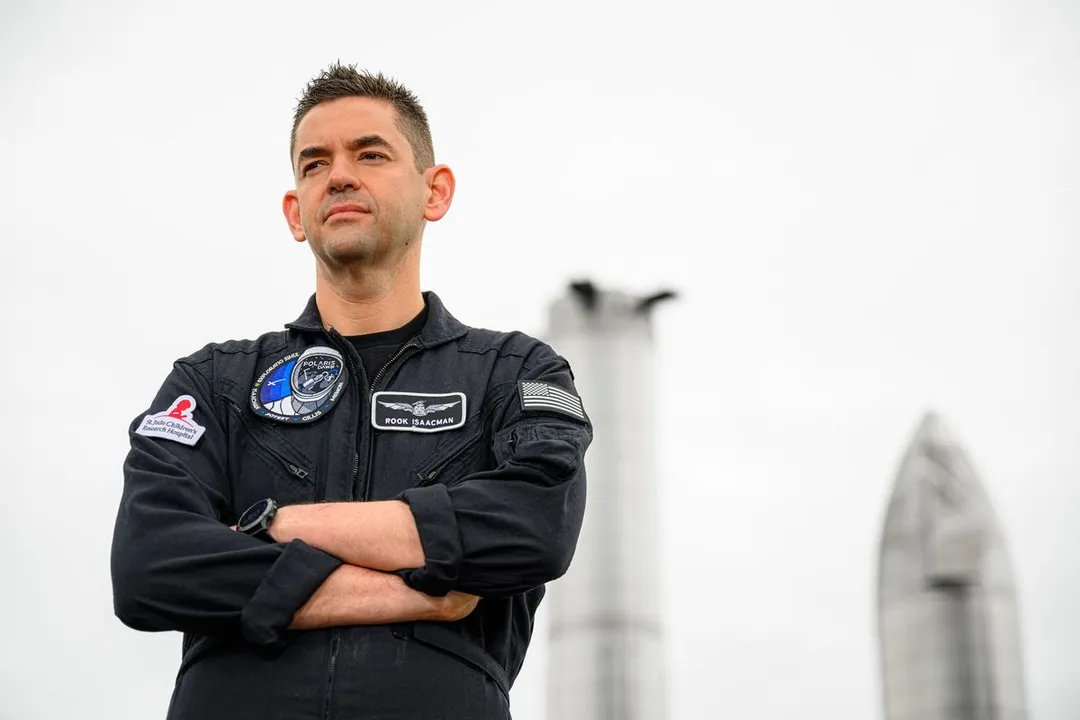
The conversation around future support, however, has changed dramatically since the Shuttle era. While the five servicing missions were government-led, there is now discussion, at least in theory, about commercial involvement in potential future servicing or retrieval missions. [9] Proposals have emerged, such as those connected to commercial initiatives like the Polaris Program, considering private sector capabilities for future orbital service work. [9] This concept represents a massive shift: moving from government astronaut crews performing intricate repairs to potentially commercial spacecraft providing remote robotic or crewed intervention, an evolution that would drastically change who services Hubble should it ever need significant intervention again.[9]
# Longevity Analysis
The contrast between Hubble's servicing strategy and that of its successor, the James Webb Space Telescope (JWST), highlights the change in space mission philosophy. Hubble was designed to be serviced, accepting the risk and expense of astronaut missions to guarantee its longevity and scientific flexibility. [3] JWST, launched in 2021, was designed to be completely unserviceable due to its greater distance and complexity, making its initial instrument deployment flawless a non-negotiable requirement for mission success. [1] This historical divergence—repairable versus sealed—shows how the servicing capability itself became a defining, and ultimately finite, feature of the HST mission profile. The team keeping Hubble running today is essentially managing a slowly ticking clock on components that were never meant to last beyond the reach of a robot arm or an astronaut’s gloved hand.[1][3]
#Videos
Servicing the Hubble Space Telescope - Exploring Space Lectures
Related Questions
#Citations
Hubble Space Telescope - Wikipedia
About | STScI
Astronaut Missions to Hubble - NASA Science
Fact Sheet - ESA/Hubble
Lockheed Martin Team to Support Hubble Space Telescope ...
NASA's Hubble Space Telescope - Facebook
Servicing the Hubble Space Telescope - Exploring Space Lectures
Who take care of hubble telescope and control it? - Quora
A billionaire hopes to upgrade the Hubble Telescope on a private ...