What is another name for moondust?
The material kicked up by an astronaut's boot on the lunar surface might casually be called "moondust," but within scientific and engineering circles, that term often gives way to a much more specific designation: lunar regolith. [2][4][8] While the former sounds evocative, perhaps conjuring images from science fiction or poetry, the latter carries the weight of geological study and the practical concerns of space exploration. [2] The shift in terminology reflects a move from simple description to technical classification, which is crucial when dealing with the realities of operating on another celestial body. [2][4]
# Scientific Moniker
The most direct and widely accepted alternative name for moondust is lunar regolith. [2][4][8] This term is not merely a fancier word; it describes a specific geological layer. Lunar regolith is defined as the fragmented, loose, dusty material that covers the Moon’s solid bedrock. [2] It is the direct result of billions of years of exposure to micrometeorite bombardment and solar wind, which constantly churn and break down the surface material. [2]
When NASA scientists or mission planners discuss the surface material, they almost exclusively use lunar regolith. This precision is necessary because the material’s properties—its size distribution, chemical makeup, and abrasive nature—are central to spacecraft design, life support systems, and astronaut safety. [4][8] Understanding the material as regolith implies an understanding of its formation process and inherent dangers, rather than just its appearance as a fine powder. [2]
# Fine Powder
On a less formal level, or when seeking a general descriptor that emphasizes its physical state, one might encounter simply dust or fine powder when referring to the material. [1] These terms accurately capture the texture that astronauts experience. The material is often described as a fine powder or dust that is abrasive and sharp. [2] While this captures the tactile experience, it risks obscuring the material's unique extraterrestrial origin and composition when used in isolation.
For example, if you were reading a general interest piece describing the visual appearance of the Apollo landing sites, the author might opt for "dust" for accessibility. [1] However, the scientific community prefers the specificity that immediately flags the material as a planetary surface component. It’s akin to calling a complex alloy "metal"—accurate in a broad sense, but lacking the necessary detail for specialized applications. [2]

# Hazard Context
The reason why precision in naming is so important relates directly to the significant challenges moondust presents. While it looks innocuous, lunar regolith is surprisingly hazardous. [8] This danger stems from its physical characteristics: the particles are extremely sharp, due to the lack of erosion by wind or water, and highly abrasive. [2][8]
Astronauts who walked on the Moon reported that the dust clung to everything—suits, equipment, and habitat interiors—causing mechanical wear and potential respiratory issues if inhaled. [4][8] Consider the difference in planning: specifying the need to mitigate dust might suggest filtration systems. Specifying the need to manage lunar regolith, however, immediately brings to mind specialized shielding, electrostatic mitigation techniques, and rigorous airlock protocols based on established material science data. [2] This distinction is vital when designing long-term habitats, as the material's reactivity and tendency to cling can compromise seals and sensitive instruments. [4]
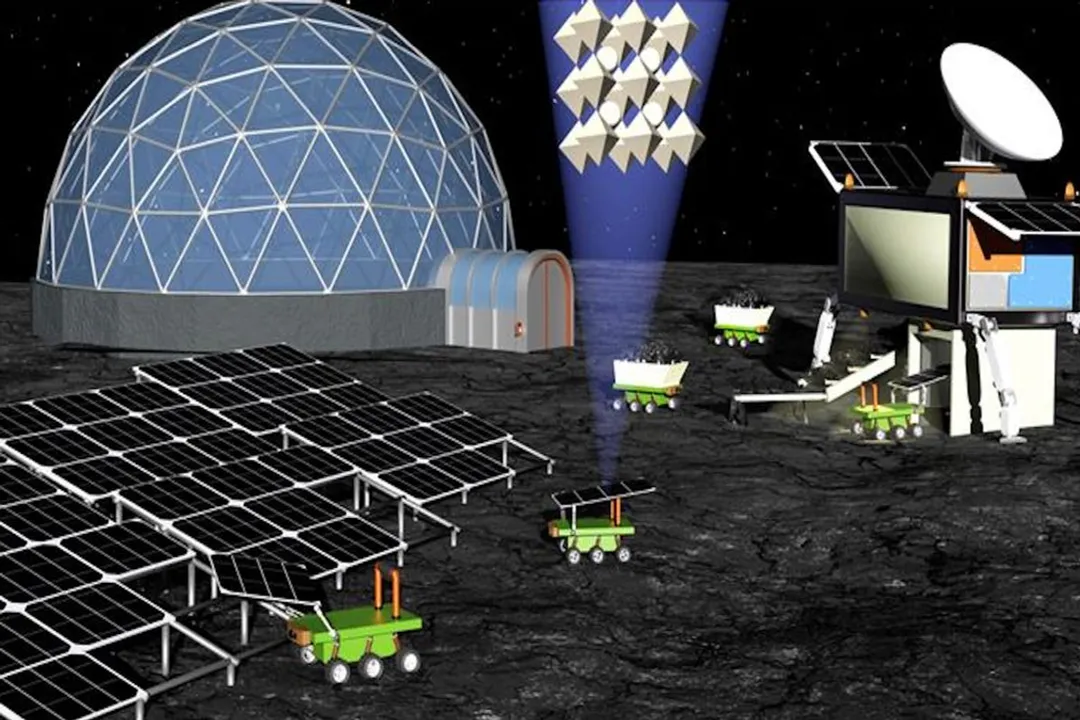
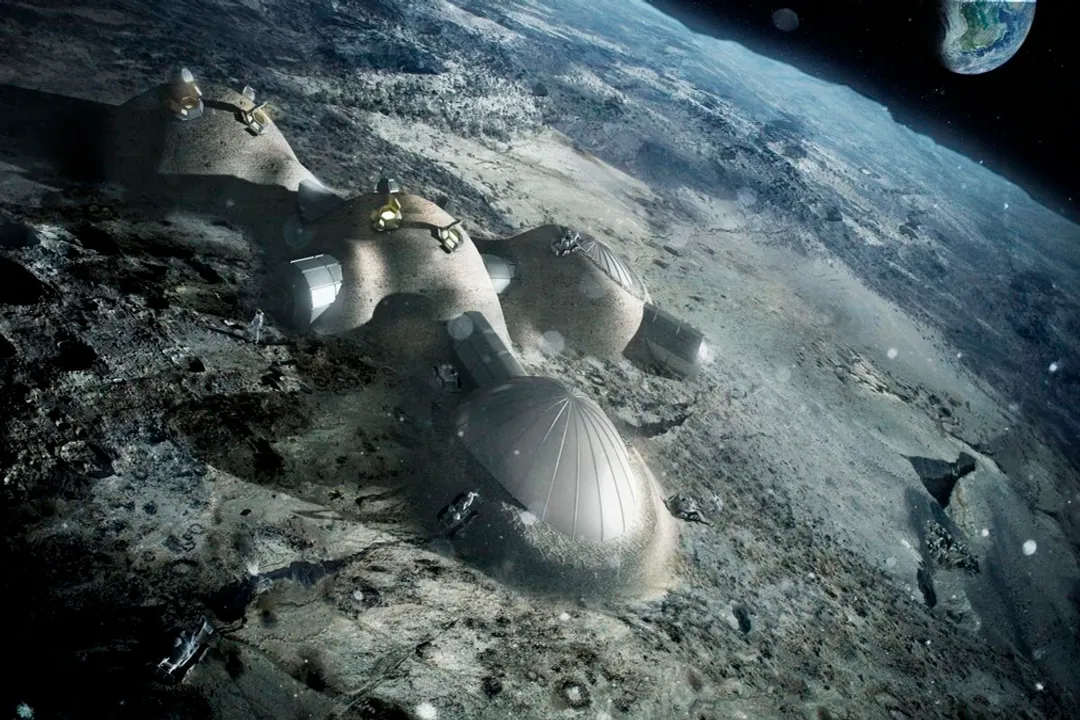
It's interesting to observe how the language evolves as humanity shifts from short visits to planning permanent outposts. Early mission reports focused on immediate survival and sample collection, where "moondust" served well enough. [4] Now, as blueprints for sustainable lunar cities emerge, the material is viewed less as a nuisance and more as a raw resource—perhaps even a power source—requiring the formal designation of lunar regolith for engineering specifications. [6] The inherent value of the material, whether as a radiation shield or a source for oxygen extraction, demands the scientific term. [6]
# Terminology Comparison
To clearly distinguish between the common understanding and the technical reality, comparing the terms based on their typical application helps illustrate the difference in perceived risk and scope.
| Term | Primary Implication | Context of Use | Source Specificity |
|---|---|---|---|
| Moondust | Visual appearance, loose material | General public discussion, informal reports | Low |
| Lunar Regolith | Geological layer, composition, hazard | Scientific research, engineering design, mission planning | High [2][3] |
| Dust/Fine Powder | Texture, physical state | Basic descriptions of appearance [1] | Medium |
When reading scientific literature or technical briefings regarding the Artemis program, for instance, expecting to see "moondust" is like expecting a chemist to call hydrogen gas ``water vapor''—technically related but fundamentally imprecise for the task at hand. [2] The term lunar regolith is authoritative because it describes not just what it is, but where it is located (the surface layer over bedrock) and implies its known physical characteristics. [2]
# Broader Contextual Naming
Beyond the primary synonym, other related terms pop up depending on the specific aspect being emphasized, though these are far less common as direct substitutes for "moondust." For instance, if the focus is on the source material that formed the regolith, terms related to the Moon's crust or basaltic materials might arise in geological discussions, though these are precursors, not the dust itself. [2]
Furthermore, the materials collected by the Apollo missions, which constitute the entirety of our physical samples of this substance, are typically cataloged as Apollo Lunar Samples or simply lunar samples. [2] While this refers to the collection rather than the substance in place, in the context of scientific study, the sample is the regolith. [2] This reinforces the idea that the scientific utility dictates the preferred nomenclature.
In summary, while the term "moondust" remains effective for cultural reference and easy communication about the Moon's surface covering, the unambiguous, technically sound alternative is lunar regolith. [2][4] This alternative name carries the necessary baggage of scientific understanding concerning its abrasive quality, its role as the outermost layer covering the bedrock, and the engineering challenges it imposes on future sustainable lunar infrastructure. [2][6][8]
Related Questions
#Citations
What is another word for moondust? - WordHippo
Lunar regolith - Wikipedia
Moon Dust - NASA Science
Moon dust, also called lunar regolith, is one of the biggest hazards ...
MOONDUST Synonyms: 14 Similar Phrases - Power Thesaurus
Moon dust may help astronauts power sustainable lunar cities ...
"moondust": Fine lunar soil covering Moon. [megaregolith ... - OneLook
moondust Related Words - Merriam-Webster