Who is the Mitra crater named after?
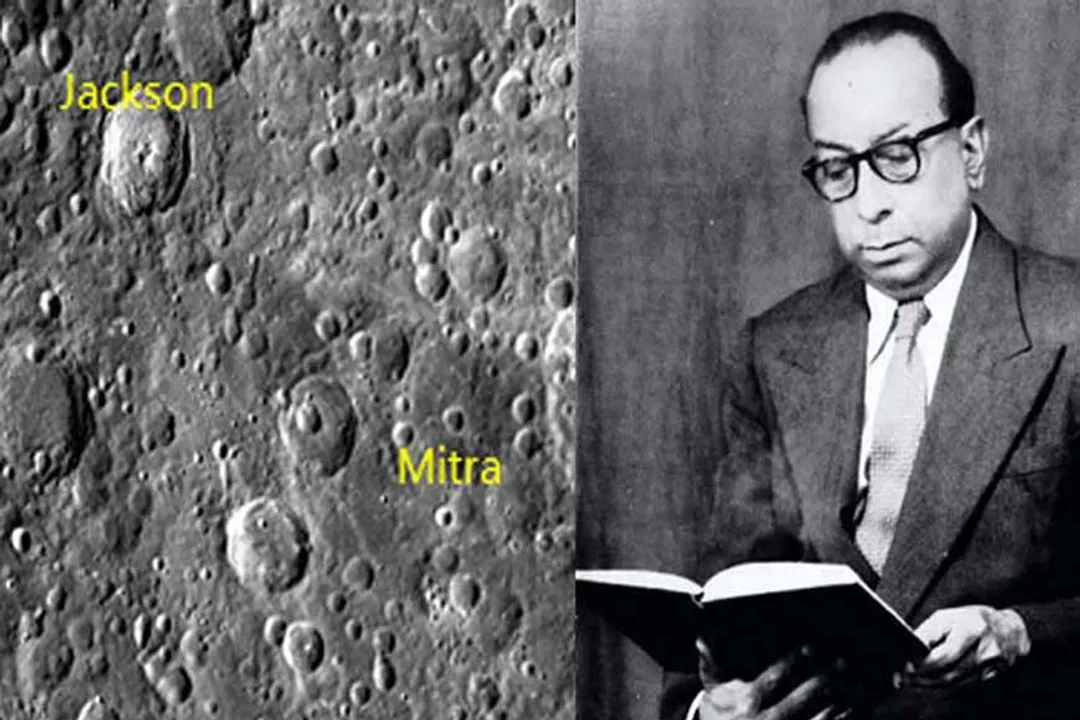
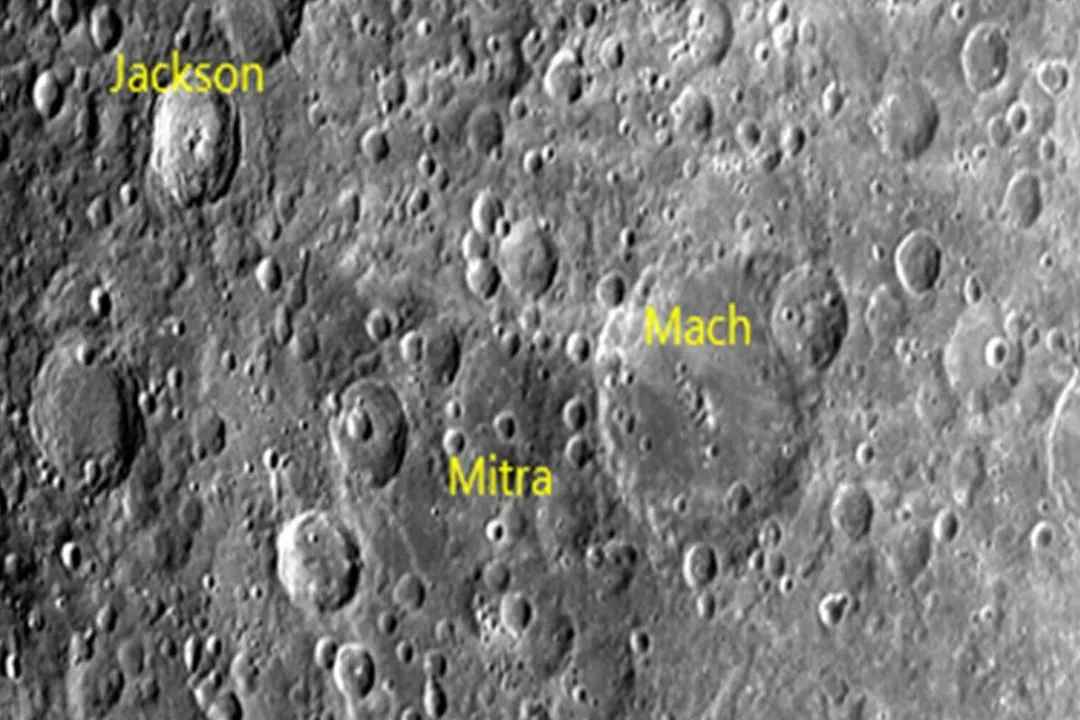
The feature on the Moon's surface known as the Mitra Crater honors the memory of an accomplished Indian physicist, Sisir Kumar Mitra. [1][4][6] This celestial dedication is a quiet but enduring nod to his significant contributions, particularly in the field of radio physics, and was brought into the public eye when India's second lunar mission captured its image. [1][3]
# Sisir Mitra Life
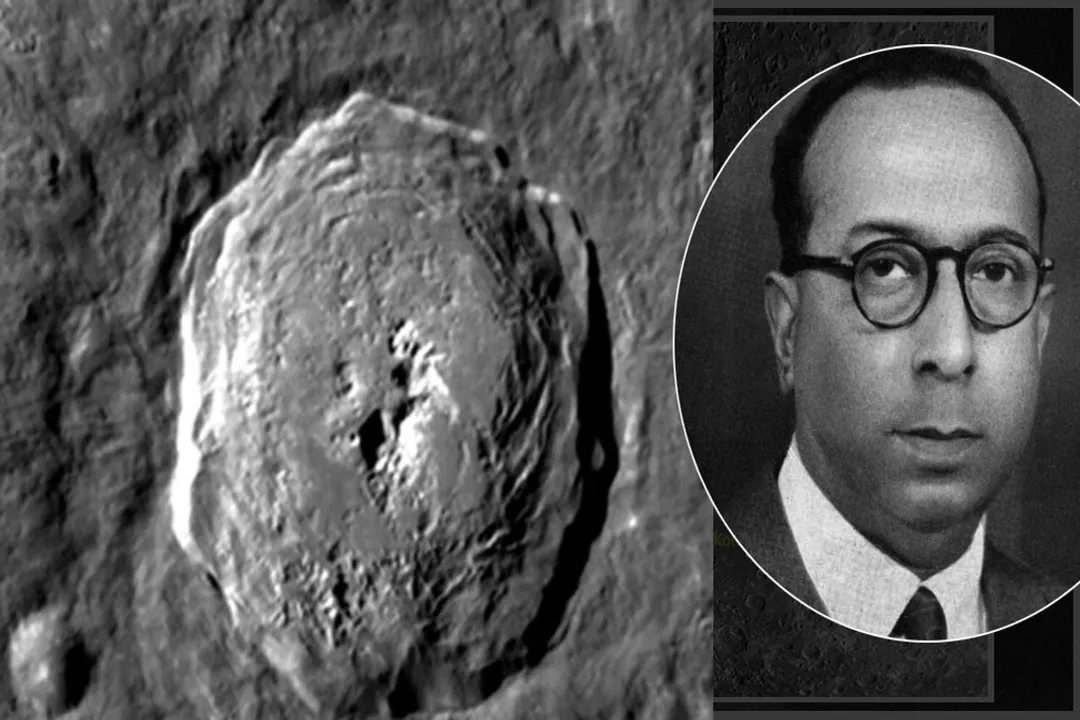
Sisir Kumar Mitra was a distinguished Bengali scientist whose career spanned important developments in atmospheric physics and radio wave propagation. [1][4] He dedicated a substantial part of his scientific life to researching the upper layers of the Earth’s atmosphere, often referred to as the ionosphere. [4] His work provided foundational knowledge for understanding how radio waves travel across the globe, which was incredibly vital for early and mid-20th-century communication technologies. [4][8] Mitra was also known for his academic leadership, holding positions such as President of the National Institute of Sciences of India (now the Indian National Science Academy). [4] The recognition via the crater naming places him in a respected lineage of scientists whose achievements are marked on the Moon, joining others like Galileo, Copernicus, and Newton. [8] He passed away in 1963. [4]
# Lunar Naming Rules
The naming of features on celestial bodies like the Moon is not arbitrary; it follows established international protocols governed by the International Astronomical Union (IAU). [8] When a crater is named, it generally honors a scientist, explorer, or discoverer who is deceased. [8] The Mitra Crater designation is a product of this formal process, marking an official astronomical recognition, distinct from any national honor bestowed by space agencies. [8] While the IAU is responsible for the official nomenclature, the visibility of this particular crater became a matter of national pride when it was photographed by an Indian spacecraft. [6]
It is an interesting nuance that while the IAU assigns the name based on global scientific merit, the public acknowledgement often spikes when a national space agency images the feature, as was the case here. [6][9] One might compare this to how various national observatories might name minor features for local figures, but only IAU-approved names carry international recognition, making Mitra’s crater a dual point of significance: international validation and national heritage. [8]
# Chandrayaan Capture
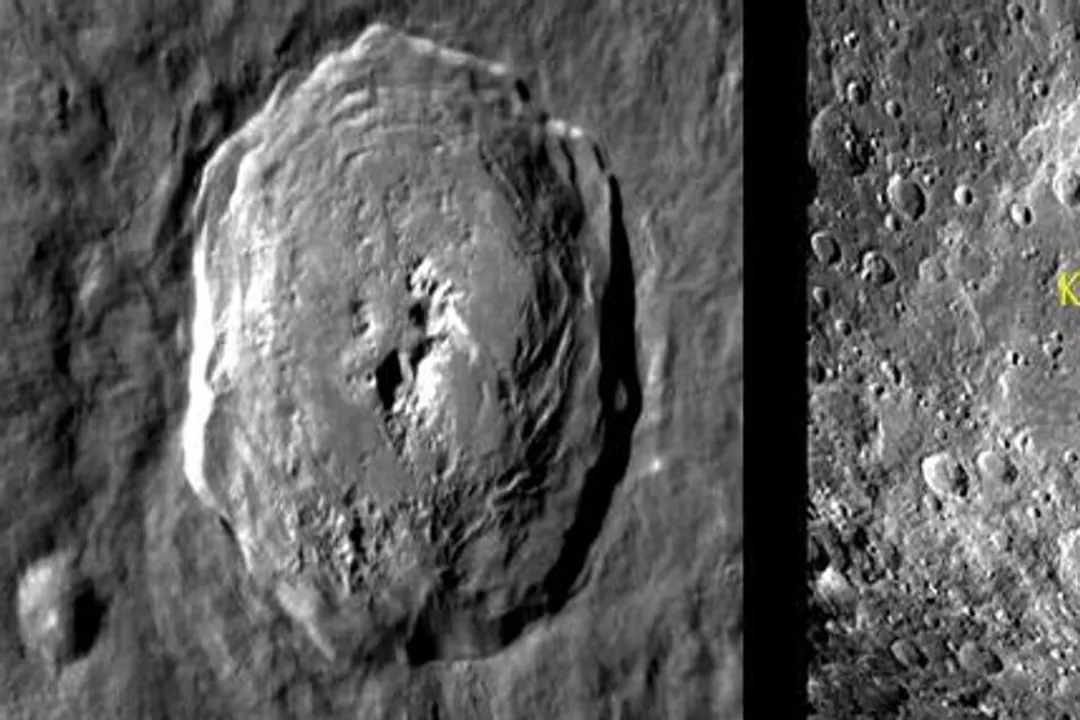
The specific context that brought the Mitra Crater into the focus of many people was the mission of Chandrayaan-2. [3][6] In 2019, the orbiter component of this Indian mission succeeded in capturing clear images of the lunar surface, which included the specific crater named after the scientist. [1][2][5] The images were acquired by the Orbiter High-Resolution Camera (OHRC) aboard the spacecraft. [1] This event represented a successful continuation of the lunar exploration objectives set by the Indian Space Research Organisation (ISRO). [7][9]
The location of the crater is significant in relation to the mission's goals. While the lander, Vikram, unfortunately did not successfully touch down as planned, the orbiting craft continued its work, successfully imaging the area near the intended landing site. [5] Reports place the Mitra Crater in the vicinity of the Moon's south pole. [3] The crater itself is described as being quite old. [4]
The high-resolution imaging provided by Chandrayaan-2 offered more than just confirmation of the name's location; it allowed for detailed morphological study of an ancient part of the Moon, furthering lunar science. [1][7] This ability to resolve details on the Moon's face using indigenous technology gives an extra layer of meaning to a crater named after an Indian scientist—it is an Indian tool looking at an Indian-honored spot. [6]
# Legacy and Recognition
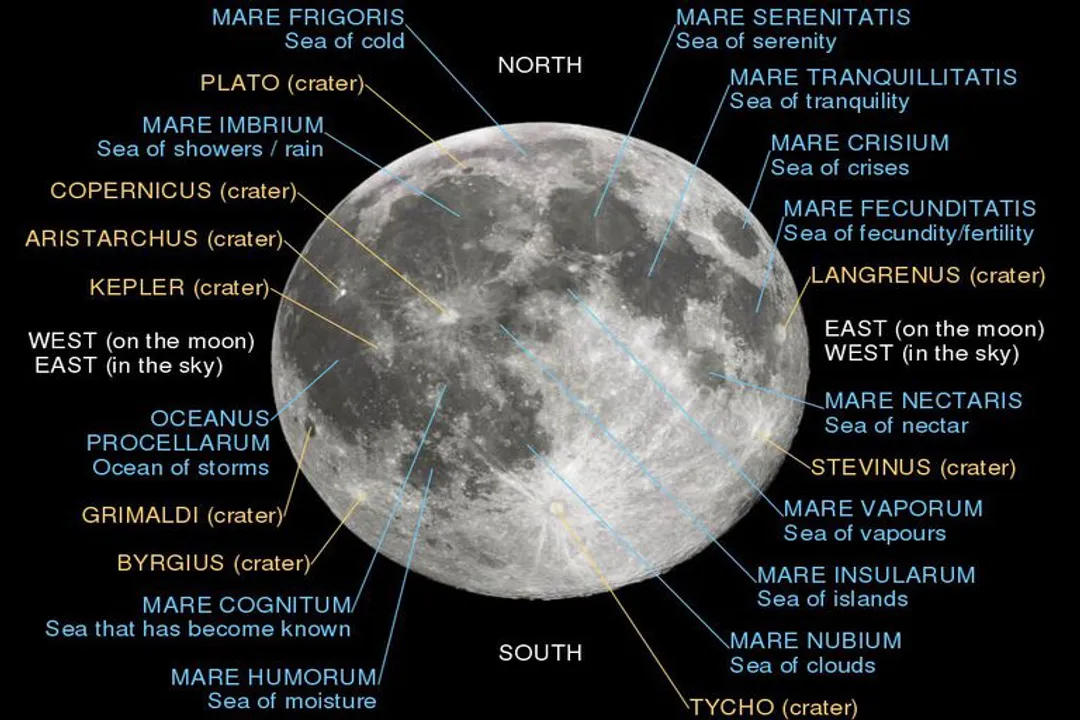
The naming of the Mitra Crater after Sisir Kumar Mitra serves as an excellent case study in how scientific legacy endures across generations and national borders. [8] It bridges the gap between foundational terrestrial physics—Mitra’s expertise in radio waves—and modern celestial exploration. [4] The crater itself is a permanent monument that requires no upkeep or historical retelling; its existence on another world speaks for itself. [3]
Considering the scientific community, one can observe a pattern where names are often chosen to represent fields that have contributed directly or indirectly to space exploration. Mitra’s pioneering work on the ionosphere, which affects radio communication across Earth, has a clear conceptual link to the radio signals that make modern space missions possible. [4][8] This connection is subtle but important: the technology used to control the Chandrayaan-2 orbiter relies on principles that Mitra helped define for Earth’s atmosphere.
For those interested in geology or mapping, crater names are vital for coordination and study. For instance, if future missions plan to study lunar surface materials near the south pole, referencing the Mitra Crater provides an unambiguous geographic marker. [5] The table below illustrates the dual nature of this recognition:
| Aspect of Recognition | Primary Authority/Body | Contribution Honored |
|---|---|---|
| Crater Designation | International Astronomical Union (IAU) | General scientific advancement/Physics |
| Image Acquisition | ISRO / Chandrayaan-2 Orbiter | National achievement in space technology |
This dual recognition—international standardization and national pride—is what makes the Mitra Crater's story particularly noteworthy among lunar features named after scientists. [6][8] It ensures that the foundational work of scientists like Sisir Kumar Mitra remains visible not just in textbooks, but on the illuminated surface of the Moon itself. [1] The fact that a Bengali scientist is recognized in this way also highlights the global impact of contributions stemming from Indian scientific institutions. [1][2]
Related Questions
#Citations
Why is a moon's crater named after illustrious Bengali scientist Sisir ...
In 2019, Chandrayaan II's orbiter captured a crater named after Sisir ...
Why is a crater on the moon called Mitra? - Condé Nast Traveller India
Sisir Kumar Mitra — Indian physicist with a crater named after him ...
Where is the Mitra Crater? Why is it named so? - Quora
Chandrayaan 2 captures images of Mitra crater named after Indian ...
Images of Lunar Surface captured by Terrain Mapping Camera - ISRO
Why a crater on the moon is named 'Mitra'? - INSIGHTS IAS
Chandrayaan-2 spots crater named after Indian scientist