What is the name of NASA solar probe?
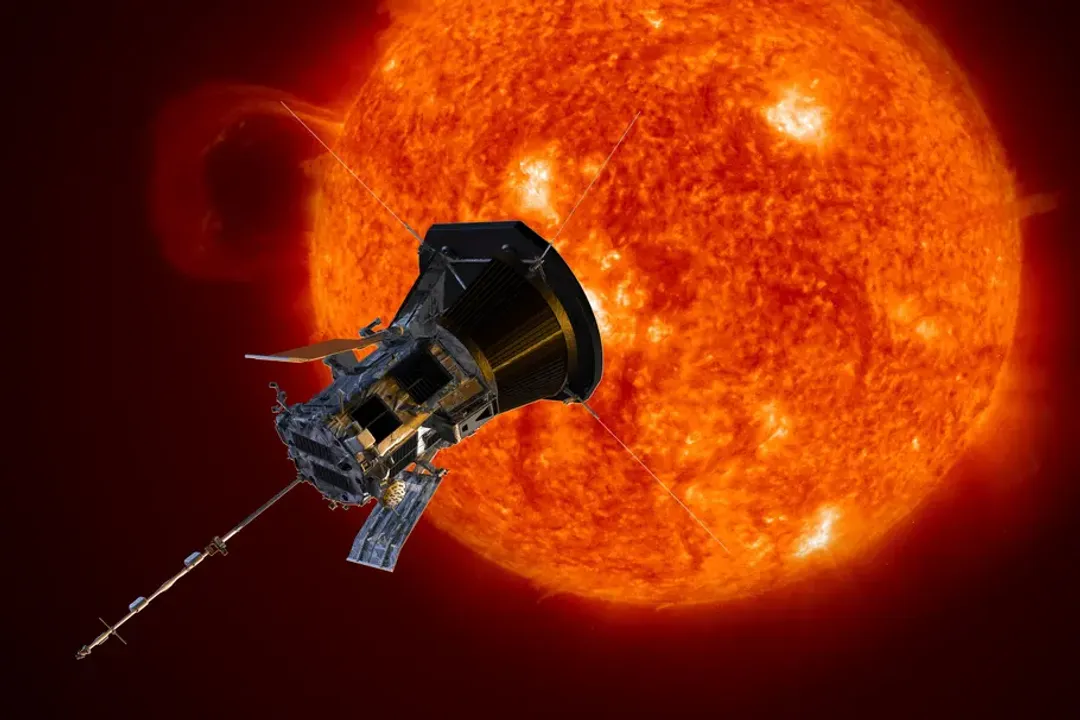
The spacecraft NASA sent to directly study the Sun, plunging closer to its star than any object before it, is named the Parker Solar Probe. This mission represents a monumental undertaking in space exploration, designed not just to orbit the Sun, but to actually fly through the outer layers of its atmosphere. It is an unprecedented venture into the environment that powers our entire solar system.
# Naming Honor
The probe carries the name of a scientist whose theories paved the way for this very mission: Dr. Eugene Parker. Dr. Parker was a groundbreaking figure in heliophysics who, in the 1950s, theorized the existence of the solar wind—a constant stream of charged particles flowing outward from the Sun. At the time, his ideas were quite controversial, but the launch of space probes proved his predictions correct. Naming the spacecraft after him is a recognition of his foundational work in understanding the Sun's influence on the solar system. The mission is managed by the Johns Hopkins Applied Physics Laboratory (APL), working in partnership with NASA, which oversees the science and engineering direction.
# Mission Objective
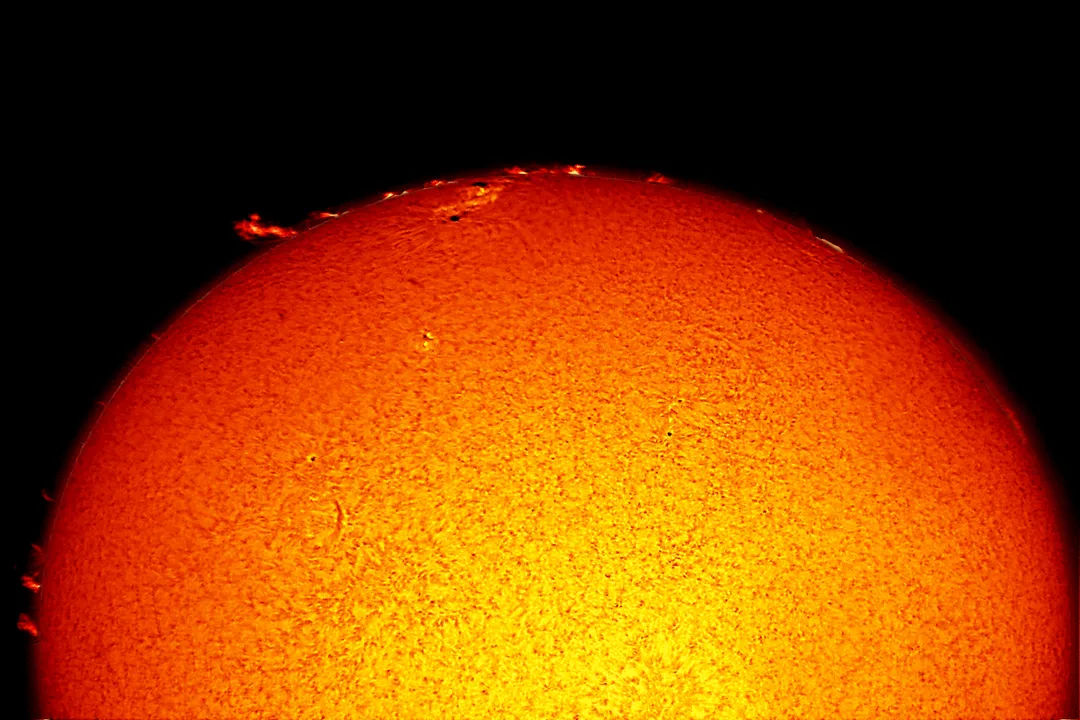
The primary objective of the Parker Solar Probe is to answer questions that have puzzled scientists for decades about the Sun's outer atmosphere, the corona. One of the most persistent mysteries is why the corona is millions of degrees hotter than the Sun's visible surface, the photosphere. Furthermore, the probe seeks to understand the mechanism that accelerates the solar wind to supersonic speeds. By getting closer than ever before, the probe is designed to take direct measurements of the solar wind and the magnetic fields that are entangled within it, right where they originate.
The goal is not just observation from a distance, but direct, in-situ investigation. The plan involves a series of increasingly daring orbits that will bring the spacecraft closer to the Sun than any previous mission, effectively allowing it to "touch the Sun" by flying through the solar atmosphere. The probe is equipped with specialized instruments designed to measure the magnetic field, energetic particles, and plasma composition to unravel these solar behaviors. The ability to map an unseen part of the Sun during its most active periods has already provided new insights, capturing data at moments of intense solar activity.

# Engineering Feat
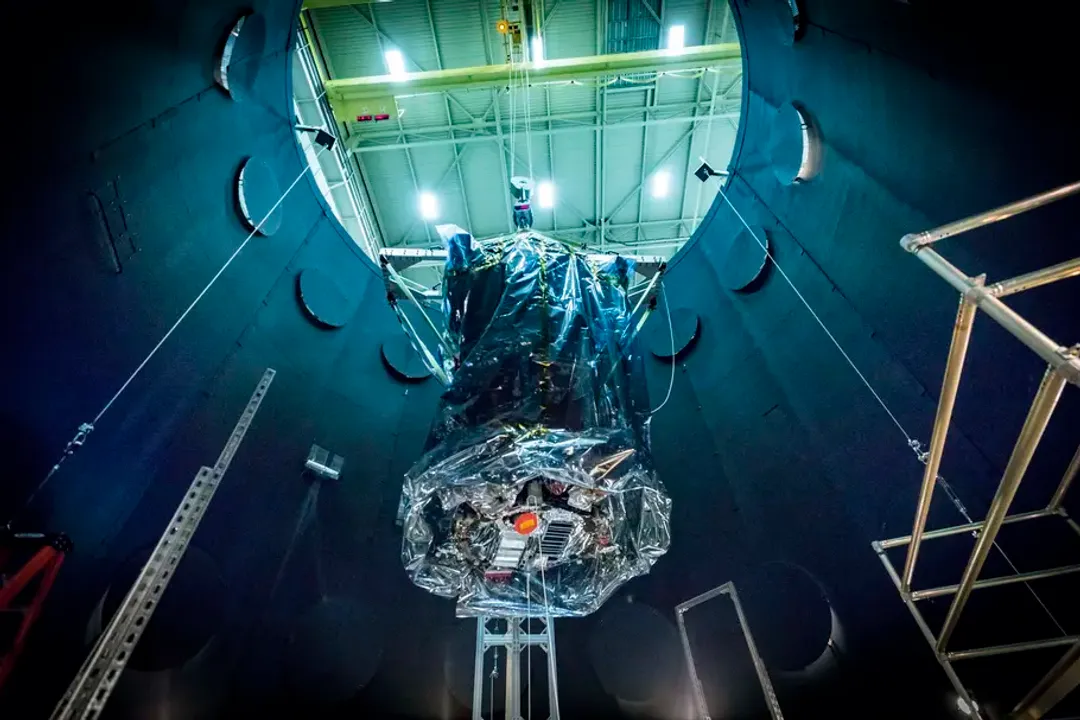
To survive the incredible heat and radiation environment near the Sun, the Parker Solar Probe required revolutionary engineering solutions. The most famous component ensuring its survival is the carbon-composite heat shield. This shield is designed to protect the sensitive instruments and electronics located behind it from temperatures that can reach scorching levels, upwards of near closest approach.
It’s important to note that the engineering challenge isn't just about resisting heat; it’s about speed and proximity simultaneously. As the spacecraft swoops in, its velocity relative to the Sun is tremendous, making the impacts of solar plasma and particles far more energetic than if it were moving slowly. While the heat shield blocks the direct solar radiation, the sheer velocity of the probe means it is essentially flying through the solar atmosphere, rather than just orbiting above it. This sustained interaction at extreme speeds is what makes the data collected so valuable. Engineers had to design systems capable of continuous operation in this harsh environment, not just a brief pass-through.
# Frequent Encounters
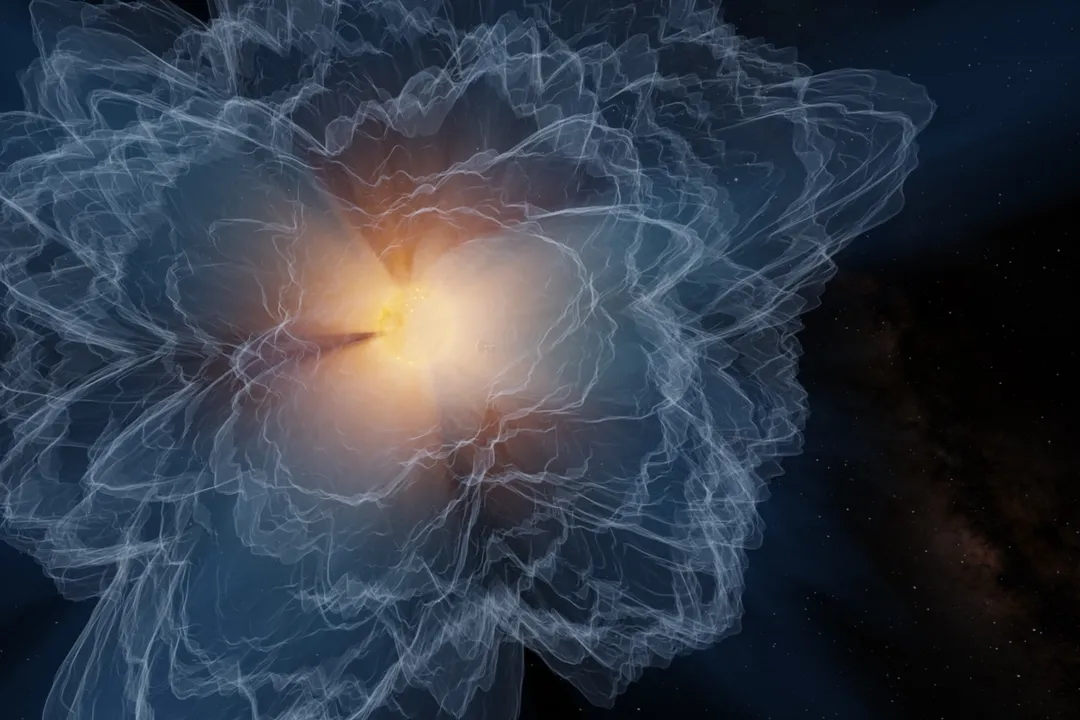
The mission profile is characterized by a series of close passes, using Venus flybys to gradually shrink the orbit closer to the Sun over many years. These frequent encounters allow scientists to gather data across different phases of the Sun's activity cycle. For instance, the mission recently recorded a major operational milestone: the completion of its 26th closest approach to the Sun on December 18, 2025. This level of sustained data collection over numerous orbits provides a temporal density of information that older, less frequent missions could not match. If we consider that a solar maximum cycle is roughly 11 years, having 26 highly detailed data points within that cycle, each at unprecedented proximity, allows researchers to correlate changes in the solar wind directly with changes in the Sun's immediate environment over time. This repetition builds a picture of solar dynamics that evolves rather than remaining a static snapshot.
# Public Involvement
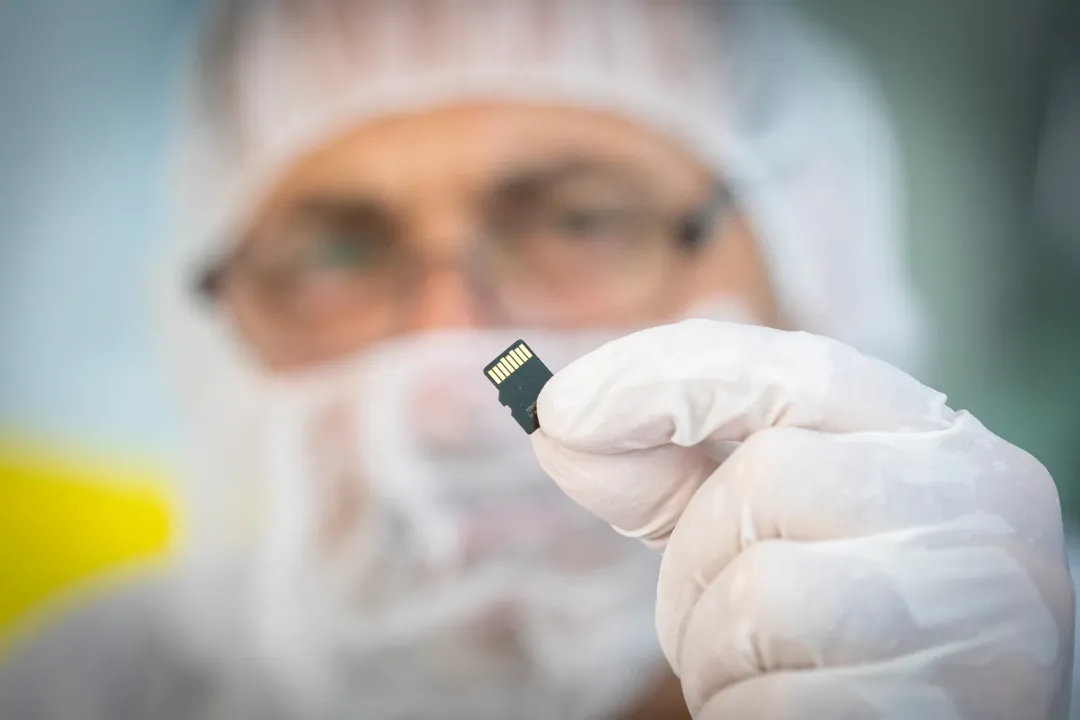
Beyond the complex physics and engineering, the Parker Solar Probe carries a very human element: millions of names etched onto three microchips installed beneath the probe's sunshield. Over a million individuals participated in a public campaign to have their names—written in lines smaller than one-ten-thousandth the width of a human hair—etched onto these chips and flown aboard the spacecraft. This initiative connects the general public directly to a cutting-edge scientific endeavor, allowing everyday citizens to technically be part of the hardware making the closest approach to our star. This is a powerful example of public engagement, turning a highly technical mission into a shared accomplishment.
# Scientific Returns
The data streaming back from the probe is already challenging prior assumptions about the near-Sun environment. One significant finding involves mapping areas of the Sun that were previously obscured or inaccessible to detailed study. By flying through these regions, the probe can discern the characteristics of solar features, such as coronal mass ejections or wind streams, as they begin to form or accelerate. For example, during one of its most active moments, the probe successfully mapped an unseen portion of the Sun, providing crucial context for understanding solar eruptions. The probe’s ability to sample the plasma directly where the magnetic field lines are highly convoluted offers a new perspective compared to remote sensing from Earth or Lagrange points.
The information gathered is vital for understanding space weather. Space weather, driven by the Sun, affects everything from satellite communication and GPS accuracy to power grids on Earth. By understanding the source and mechanics of the solar wind and coronal heating, scientists can develop better predictive models for dangerous space weather events that propagate throughout the solar system. The consistent data points from multiple perihelion passes, as demonstrated by the 26th approach milestone, will feed into these models, providing the necessary ground truth from the source region itself.
#Videos
NASA's Parker Solar Probe Touches The Sun For The First Time
Related Questions
#Citations
Parker Solar Probe - NASA Science
Parker Solar Probe
More Than 1.1 Million Names Installed on NASA's Parker Solar Probe
Parker Solar Probe's Mission to Solve Stranger Things
NASA's Parker Solar Probe Touches The Sun For The First Time
NASA's Parker Solar Probe mapped an unseen part of the sun at its ...
NASA prepares for Parker Solar Probe to make its closest-ever ...
Parker Solar Probe - Center for Astrophysics | Harvard & Smithsonian