Who are moons named after?
The naming of celestial objects, particularly the natural satellites orbiting planets, often feels like a direct nod to ancient history, yet the conventions reveal fascinating shifts in cultural focus across centuries of astronomical discovery. While many immediately think of Roman or Greek gods when considering planetary neighbors, the reality is a blend of mythology, literary tradition, and centralized decision-making. [5][4] The vastness of our solar system means that moons aren't all lumped into one naming category; the system used depends heavily on which planet they orbit and when they were found. [1][9]
# Mythological Roots
For the inner solar system, the tradition heavily leans on the classical pantheons of Greece and Rome. [5] This practice originated with the naming of the planets themselves, which were named after major Roman deities—Mercury, Venus, Mars, Jupiter, and Saturn. [5] It was a natural extension to name their associated moons after mythological figures connected to those primary gods or goddesses. [5]
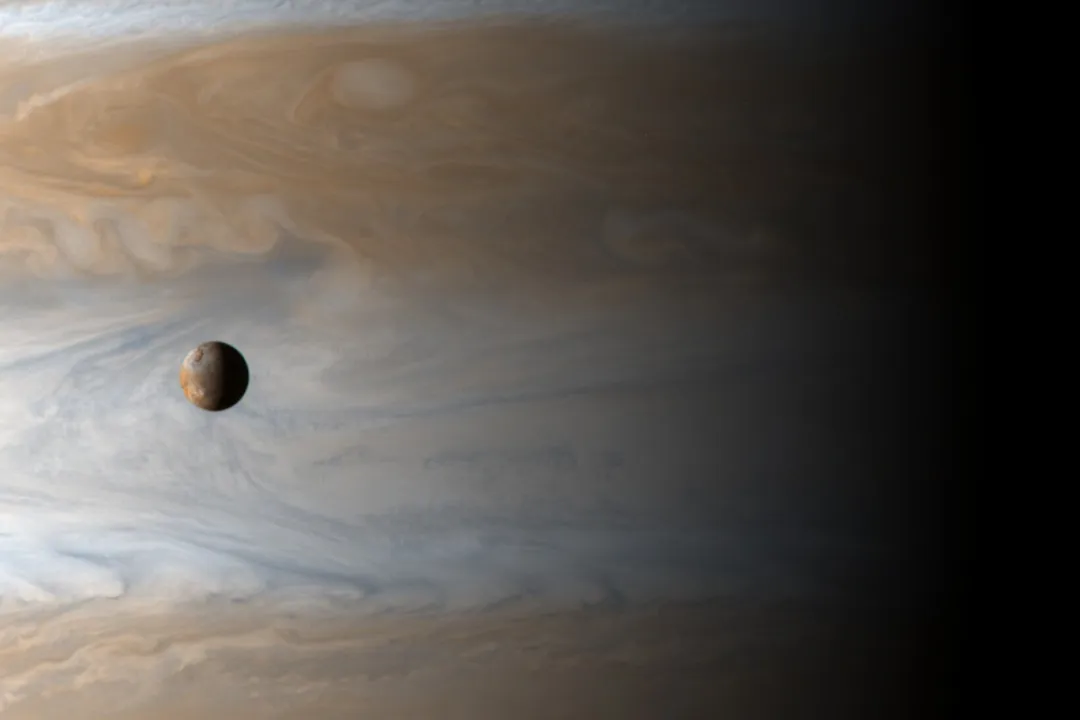
Take Jupiter, for instance. Its four largest moons, the Galilean moons discovered by Galileo in the early 17th century, are named after mythological lovers or attendants of Jupiter (the Roman equivalent of Zeus). [5] Io, Europa, Ganymede, and Callisto all share this classical lineage, tying the discoveries firmly into established astronomical history. [5]
Mars offers another clear example, though its satellites are distinctly less grand in origin than Jupiter's large companions. [6] Mars, the god of war, has two small moons named Phobos and Deimos. [6] These names translate to "fear" and "panic," respectively, perfectly suiting the entourage of the Roman god of war. [6] This naming convention shows consistency: even the smaller, more recently discovered companions of the mythological planets generally adhere to that original thematic pairing. [6]
The naming process for any new satellite must eventually pass through an official body to ensure global uniformity and avoid confusion among researchers. [9] Historically, naming rights often fell to the discoverer, but over time, this has been formalized, now resting with the International Astronomical Union (IAU). [9] The IAU maintains the official nomenclature for all solar system bodies, which provides a crucial layer of standardization when cataloging the hundreds of confirmed moons now known to exist. [9]
# Literary Shift
As astronomers pushed farther out into the solar system, they encountered planets that demanded a break from the established Roman mythological directory. This is most apparent with the ice giants, Uranus and Neptune. [5]
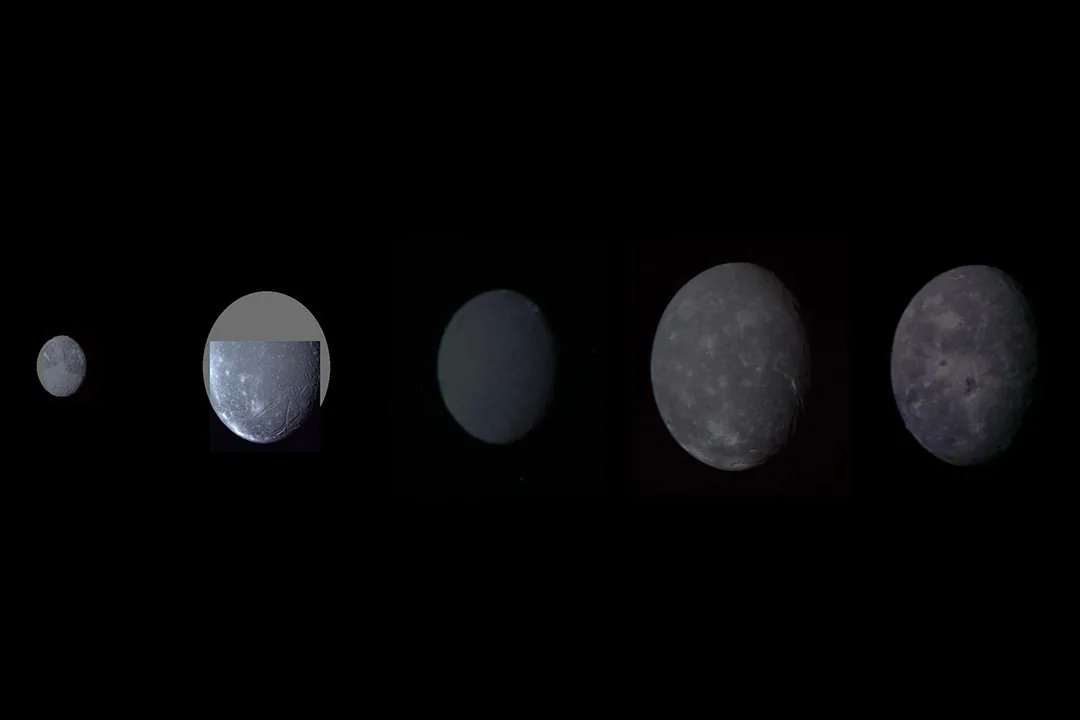
Uranus, for example, deviates from the classical theme. [7] Instead of naming its satellites after Greek or Roman gods related to the sky or heavens, the accepted tradition for Uranus's moons is to use characters from the works of William Shakespeare and Alexander Pope. [2][7][8] This deliberate thematic shift offers a fascinating contrast to the tradition established by the inner planets. [5]
The moons of Uranus include names like Titania, Oberon, Ariel, Umbriel, Miranda, Puck, and Sycorax. [2][8] Titania and Oberon are major characters in Shakespeare's A Midsummer Night's Dream, while Ariel and Umbriel appear in Pope's The Rape of the Lock. [2][7] This literary naming scheme was adopted by Clyde Tombaugh, who discovered the first moon of Uranus, Umbriel, in 1948. [7] When Uranus's 10th moon was discovered in 2003, it was fittingly named Mab, another Shakespearean reference. [7]
It’s interesting to observe how this literary dedication reflects a changing cultural appreciation within the astronomical community over time, moving from ancient divine figures to celebrated literary figures centuries later. [5] One might speculate that by the time Uranus was thoroughly studied, astronomers felt the major mythological figures relevant to the solar system had already been allocated to the brighter, closer planets, necessitating a new, equally dignified source of nomenclature. [3]
# The Naming Body
The authority responsible for confirming these names holds significant weight. The IAU is the globally recognized organization responsible for assigning official names and designations to celestial bodies, including planets, their moons, asteroids, and comets. [9] When a new moon is first observed, it receives a provisional designation, a somewhat awkward string of letters and numbers. [4] Only after confirmation and a proposal from the discoverer or relevant scientific body is a formal, evocative name assigned by the IAU. [9][4]
This standardization process is vital, especially now that discoveries are frequent. Consider the planet Saturn, which boasts a massive retinue of moons. While many of the largest ones follow the mythological pattern (Tethys, Dione, Rhea, Titan, Iapetus, all figures from Greek myth associated with the titan Saturn/Cronus), [5] the sheer number of smaller, fainter satellites means a strict, centralized process is the only way to maintain an orderly catalog. [9] If every discoverer could name their find without oversight, scientific discourse would quickly become cumbersome. [4]
# Varied Systems
While the mythological theme dominates for the classical planets and the literary theme for Uranus, other bodies show subtle variations, illustrating that the rules are bent as necessary when context demands it. [5] Neptune’s moons, for instance, are named after minor sea deities in Greek mythology, continuing the water theme suggested by Neptune’s Roman identification as the god of the sea. [5] Triton, Neptune's largest moon, is named after the son of Poseidon (Neptune's Greek counterpart). [5]
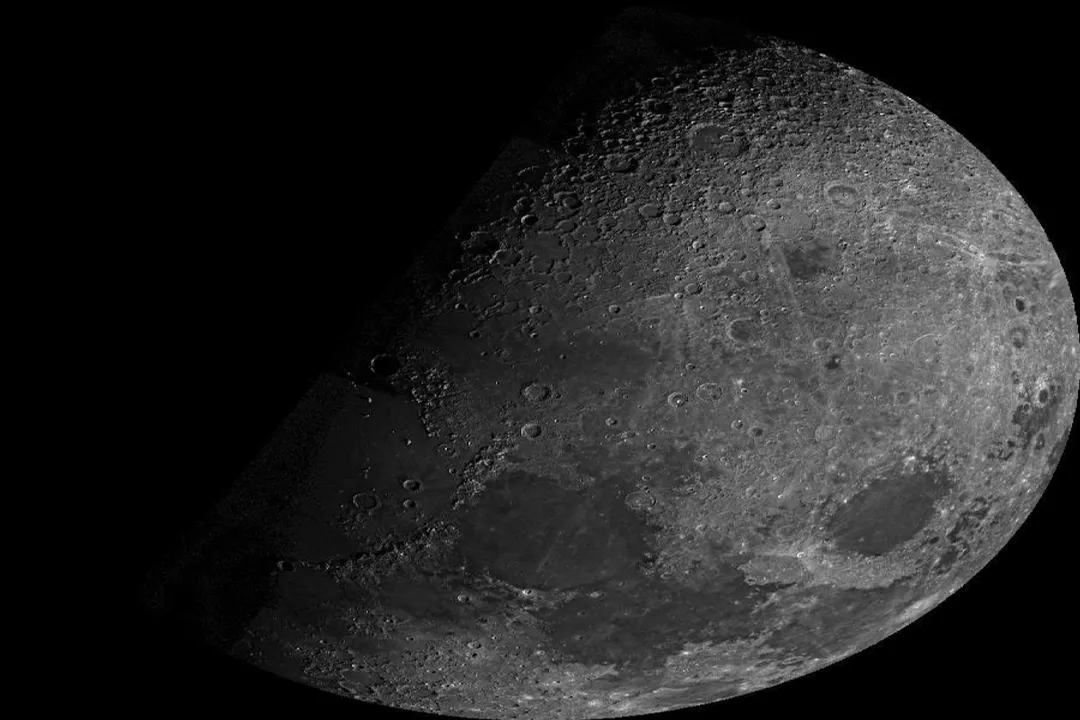
Earth’s single natural satellite, the Moon, retains a name that is simply the common noun in English, though in other languages, it often aligns with their own terms for "moon" or specific deities. [5] This simplicity, contrasting with the multi-named companions of Jupiter or Saturn, is a direct result of its unique status as our primary celestial neighbor, known and named long before systematic discovery began elsewhere. [1]
This stratification—Roman gods for the inner planets, sea gods for Neptune, and literary figures for Uranus—shows a pattern where themes are chosen to complement the planet's primary mythological association, rather than strictly adhering to a single source like only Roman mythology for every single satellite discovered. [5] The theme chosen for a moon's name often acts as a secondary clue to its orbital host's identity.
For example, when a researcher finds a new small object orbiting Jupiter, they immediately know the IAU is likely looking for a name related to Jupiter's mythical relations, which significantly narrows the field of potential suggestions compared to, say, naming a new Kuiper Belt Object, which has its own distinct set of naming guidelines. [4] This structure allows scientists to instantly associate a moon with its primary planet's established theme just by hearing its name, which is a surprisingly efficient form of data communication baked right into the nomenclature.
When new moons are discovered, they often circle back to mythological sources if the host planet has space within that theme, but sometimes, particularly with very distant, small moons, the naming convention can become a bit more elastic, though the IAU still attempts to maintain some thematic connection to the host body if at all possible. [9][3] The complexity grows as we find moons that orbit other moons—though these are exceptionally rare and often temporary—which would present an entirely new level of nomenclature challenge should they be confirmed and require official titles. [1]
The continued discovery of new satellites, especially around the gas giants, means the work of the IAU's naming committees is ongoing. Every new faint object that clears the threshold for official recognition requires an assessment of which established theme applies, or if a new one must be subtly introduced to keep the catalog rich yet orderly. [9] This behind-the-scenes process ensures that while the names sound ancient and romantic, the system supporting them is modern, rigorous, and essential for continued scientific exploration. [4]
Related Questions
#Citations
Moons: Facts - NASA Science
The moons of Uranus are named after Shakespeare characters.
The controversial origins of naming moons - Physics Today
Moons of Planets
How did all the planets with their moons get their names?
How did Mars and its moons get their names? - Cool Cosmos
Why the moons of Uranus are named after characters in Shakespeare
Uranus' 28 Moons Named After Shakespeare & Pope Characters
Planet and Satellite Names and Discoverers - Planetary Names