How deep is the Tycho crater on the moon?
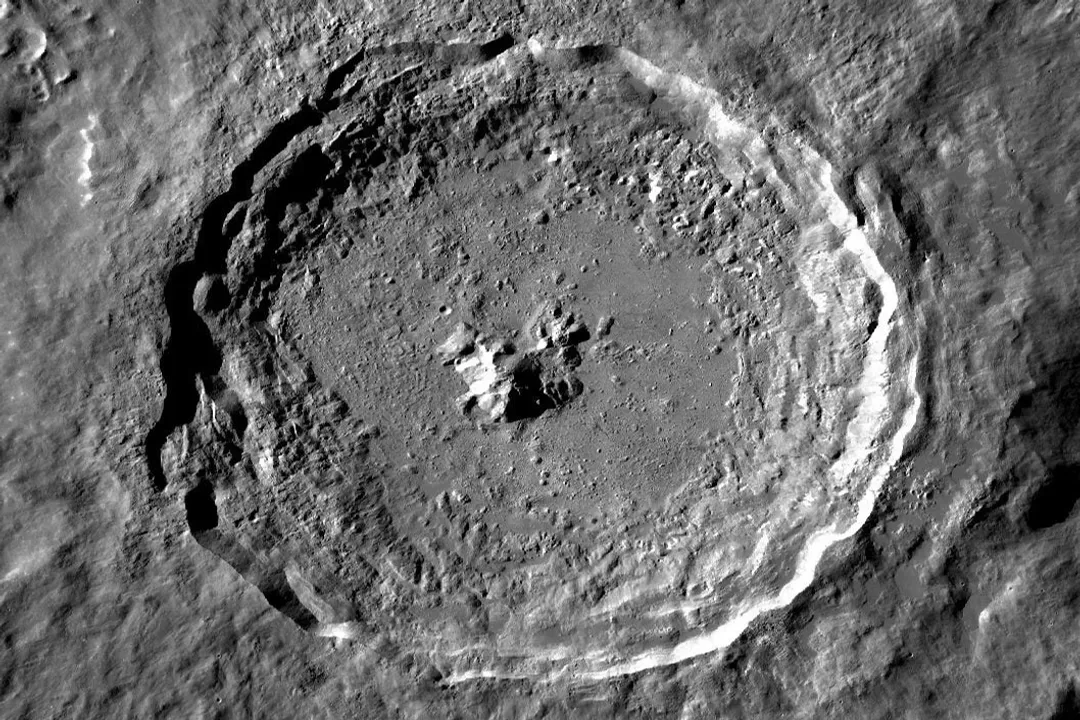
The sight of the Tycho crater from Earth is unforgettable; it is the heart of the Moon’s most extensive and brilliant ray system, marking it as one of the brightest features visible on the lunar near side. [3] The impact that carved this massive scar into the regolith occurred relatively recently in geological terms, estimated to be about 100 to 110 million years ago, meaning the dinosaurs might have been around to witness the event. [1][3][4] While its bright ejecta streaks can span over 2,600 kilometers across the lunar surface, [3] the real question for those studying impact mechanics lies in the sheer scale of the resulting depression itself—specifically, just how deep is this famous lunar basin?
# Key Dimensions
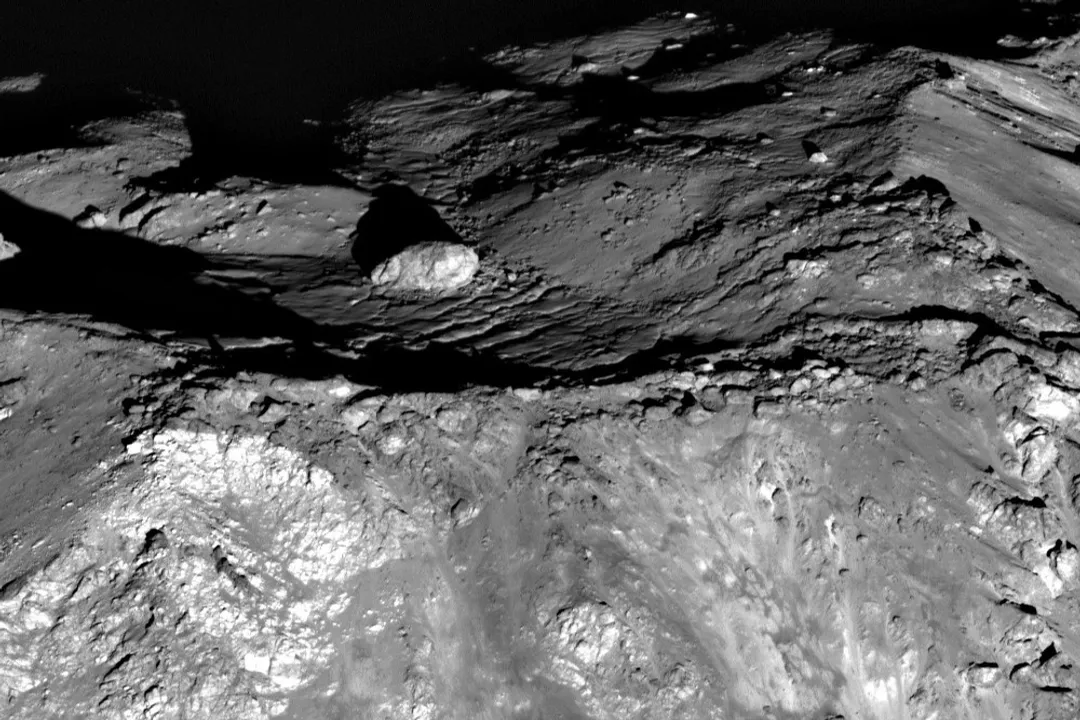
Tycho is classified as a large, complex impact crater, a designation that immediately suggests a more intricate structure than the simple bowl-shaped depressions that pepper the lunar surface. [2] Its size is substantial, measuring approximately 85 to 86 kilometers (or about 53 miles) in diameter. [1][3] When examining the primary vertical measurement—the distance from the elevated rim down to the crater floor—Tycho exhibits a significant depth. Scientific measurements place this depth consistently around 4.8 kilometers (or 4,800 meters). [1][2] In English units, this translates to roughly 2.5 miles deep. [3]
To put 4.8 kilometers into perspective, if one were to take Denali, which is the highest mountain in North America measured from its base to its peak in Alaska, and place it on the floor of Tycho, the summit of Denali would still rise slightly above the crater’s rim. [2] This gives a tangible sense of the enormous volume of material displaced when the impactor struck the Moon, creating this spectacular formation. [1]
# Ratio Significance
Despite the impressive depth figures, when comparing a large, complex feature like Tycho to its diameter, the resulting crater is surprisingly shallow relative to its width. [2] Scientists often use the depth-to-diameter ratio to categorize crater morphology. For Tycho, and other large, complex craters such as Copernicus and Aristarchus, this ratio hovers between approximately 1/15 to 1/25. [2] If we take the approximate diameter of 85 km and the depth of 4.8 km, the ratio is roughly , falling perfectly within this expected range for a complex impact structure. [2]
This ratio highlights a fundamental difference between large and small craters on the Moon. Smaller, fresher craters—those less than about 15 to 20 km across—have much higher depth-to-diameter ratios, often approaching , making them proportionally deeper, much like a soup bowl. [2] The reason Tycho’s depth is comparatively small is due to the rebound effect following the massive impact, which forces material back upward after the initial compression. [1] In essence, the energy of the strike was so immense that it didn't just dig a hole; it caused the entire subsurface to behave like a fluid, compressing deeply and then springing back, filling in much of the initial cavity. [1]
Considering the Moon's curvature further complicates the perception of this depth. Because the Moon is relatively small compared to Earth, its horizon is much closer. [2] For an observer standing on the floor of Tycho, the rim would appear less imposing than we see from orbit or from Earth, as the curvature of the Moon's surface effectively causes the far edges of the rim to sink beyond the local horizon. [2] This geometric reality means that the features of Tycho are only fully appreciated when viewed from above, where the full vertical relief is apparent. [2]
# Central Peak Structure
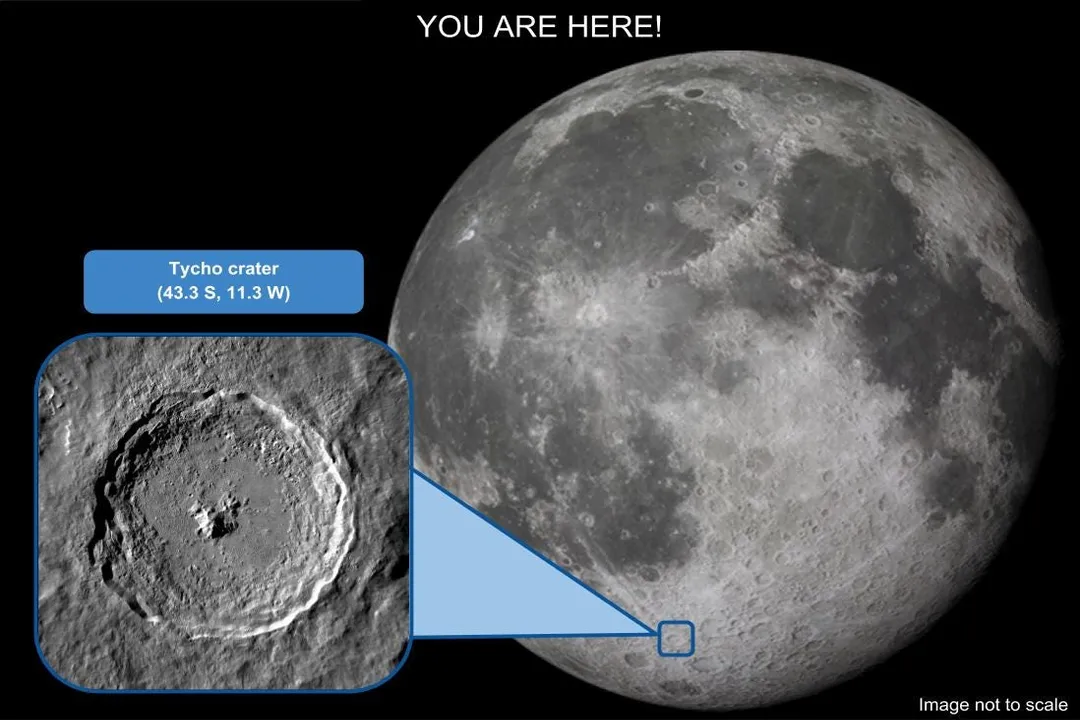
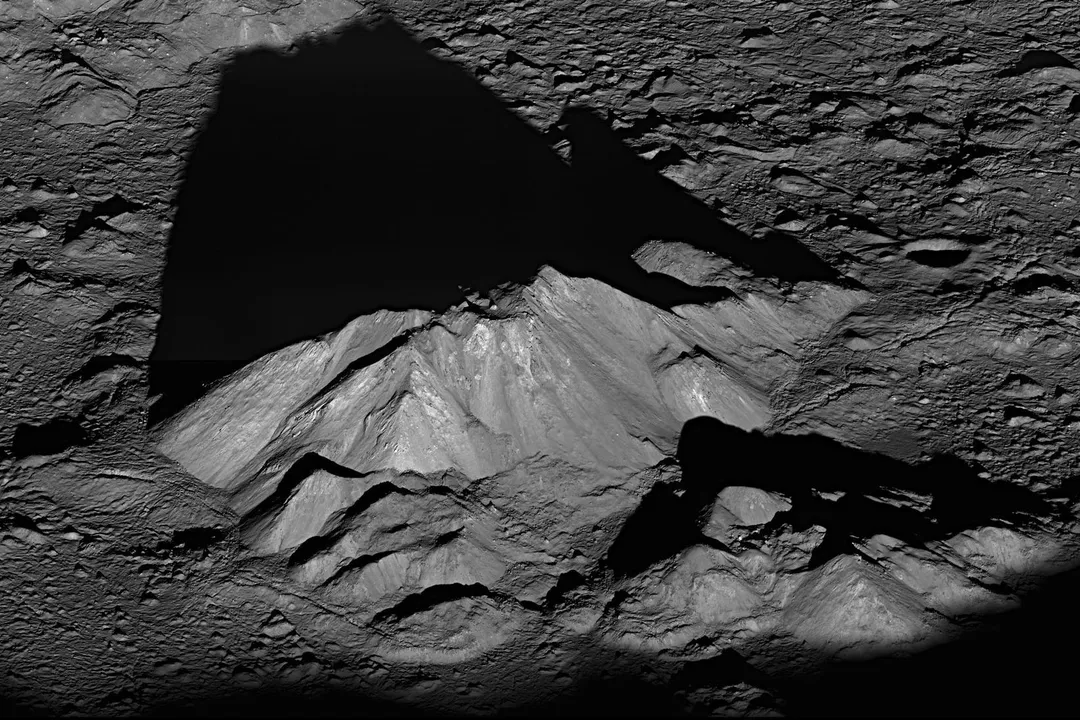
A defining characteristic of complex craters, and a key aspect related to the concept of depth, is the formation of a central peak complex. [3] Tycho’s central mountain rises significantly from the crater floor, providing a tangible measure of the rebound mechanics. [1] Various measurements suggest this peak rises about 1.6 kilometers (1,600 meters) above the crater floor, though some readings place the summit height closer to 2 kilometers above the floor. [1][4]
The existence and height of this peak confirm the super-critical impact conditions that created Tycho. [1] As the asteroid punched through the crust, the material beneath the point of impact was compressed, and the resulting void was unstable. [1] Just like a drop of water splashing on a hard surface, the ground material rebounded upwards, creating the towering central mound before the surrounding structure settled. [1] Spectral analysis from missions like Clementine has shown that the composition of this central peak rock differs from the surrounding crater floor, supporting the theory that these features are composed of material originating from deeper within the lunar crust, uplifted during this violent rebounding action. [3]
# Feature Preservation
The relative depth and the sharpness of Tycho’s features—its terraced walls, hummocky rim deposits, and the clear central peak—are direct consequences of its relative youth. [3][4] At only around 110 million years old, it is one of the best-preserved large craters on the near side. [1][4] This youth means it has not yet suffered significant erosion from the constant bombardment of smaller micrometeorites, which slowly grind down sharp slopes over billions of years. [4]
To contrast, one can look toward features like the Bhabha crater, which serves as a preview of what Tycho might look like in a few billion years; Bhabha's features are much smoother and less defined due to eons of space weathering. [4] The preservation of Tycho’s steep walls and distinct features allows planetary scientists a relatively pristine laboratory to study the physics of large impacts—a major goal for future sample return missions that might target the crater floor. [1] Had the impact occurred 3.5 billion years ago, the resulting 4.8 km depression would likely have been almost entirely filled in, with the central peak severely degraded or entirely buried by subsequent material accumulation and seismic settling.
# Impact Energy Context
While the specific depth of Tycho is precisely measured, understanding the immense energy required to create that 4.8 km depression offers valuable context. [2] The impactor, believed to be a large asteroid, was so energetic that it ejected material far beyond the crater rim, creating the prominent rays visible across the Moon. [1][3] The forces involved were so high that the crustal rocks were fractured and likely melted, with that impact melt coating the inner structure. [4] Furthermore, the large boulder visible near the summit of Tycho’s central peak is a significant piece of ejected crustal material, highlighting the extreme mechanics at play during the rebound phase. [4] The energy release dictates the depth, but the rebound process dictates the final retained depth and the formation of the peak structure. [1]
For anyone observing the Moon, remembering these figures helps recontextualize the view. That bright, conspicuous spot is not just a stain; it is a bowl approximately 85 kilometers wide and nearly 5 kilometers deep, a topographical feature so dramatic that its base remains deeper than the highest peaks on Earth, even after a significant portion of the initial cavity was naturally filled back in by the Moon’s crust reacting to the sudden shock. [1][2]
Related Questions
#Citations
Tycho Crater's Central Peak on the Moon - NASA Science
Mountain in a crater! – Tycho - jatan.space
Tycho | Lunar Impact, Astronomy & Astronomer - Britannica
How deep are the craters on the Moon? | Astronomy.com