What is the biggest impact crater on the Moon?
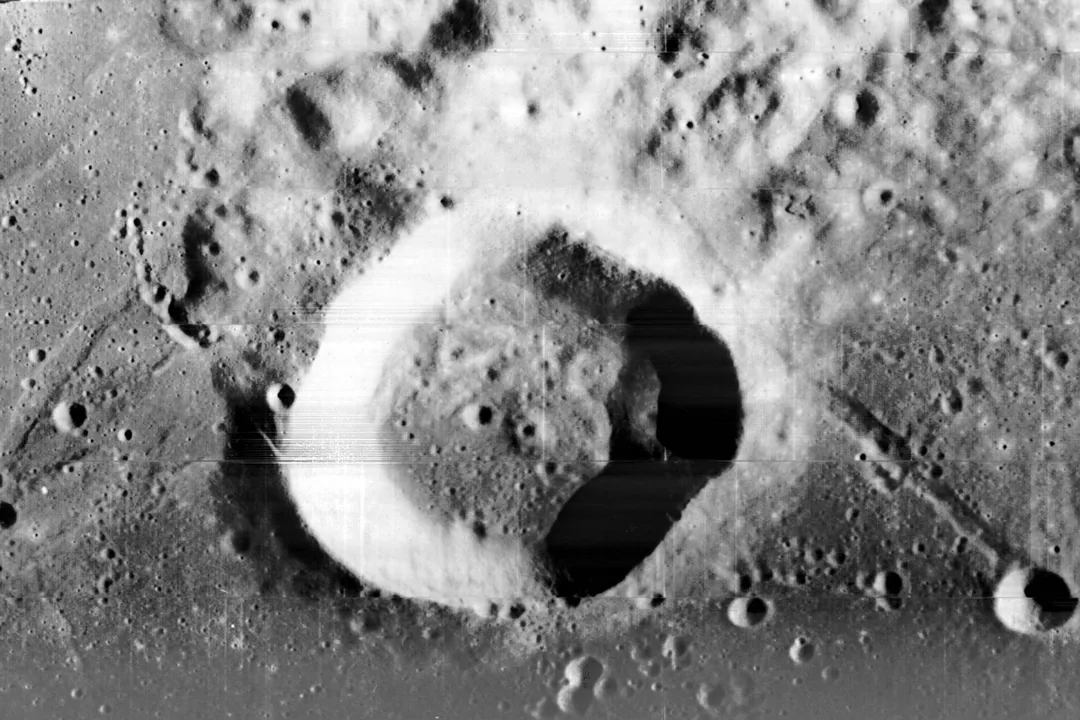
The largest impact structure scarring the face of our Moon is officially known as the South Pole–Aitken basin, often abbreviated as SPA. [1][2][8] This colossal scar on the lunar far side is more than just the Moon's biggest crater; it holds the distinction of being the largest confirmed impact feature across the entire Solar System known to date. [2] Its sheer size is difficult to grasp, stretching across an approximate diameter of 2,500 kilometers (1,600 miles). [1][2][4] To put that scale into perspective, this single feature covers nearly a quarter of the Moon’s entire diameter. [4]
# Immense Dimensions
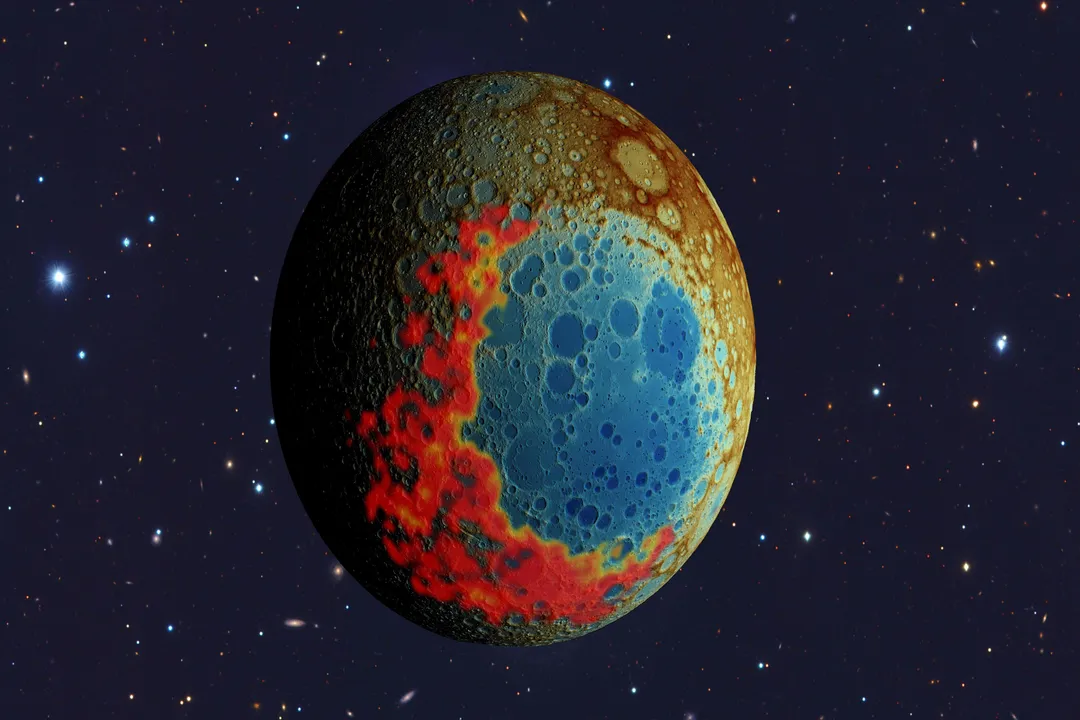
When we discuss impact craters, we usually picture bowls like the famous Tycho or Copernicus. The SPA, however, is an entirely different category of event—it is a basin, representing an impact so powerful it fundamentally changed the shape and structure of the underlying crust. [5] Its vast span means it stretches from the South Pole area all the way up toward the crater named Aitken, hence its rather literal designation. [1]
Beyond its width, the depth of the impact is also staggering. Measurements indicate that the basin plunges to depths of over 8 kilometers (5 miles) below the surrounding plain. [2] For a comparison, if one were to place the entirety of the SPA basin onto Earth’s topography, its deepest parts would be comparable in vertical relief to the height of Mount Everest above sea level. This extreme removal of material is what makes the basin scientifically invaluable. [4] While social media discussions often celebrate the visual spectacle of various lunar features, [3] the SPA’s importance lies not in its aesthetic view from Earth, but in the raw geological cross-section it provides. [1]
# Deep Excavation
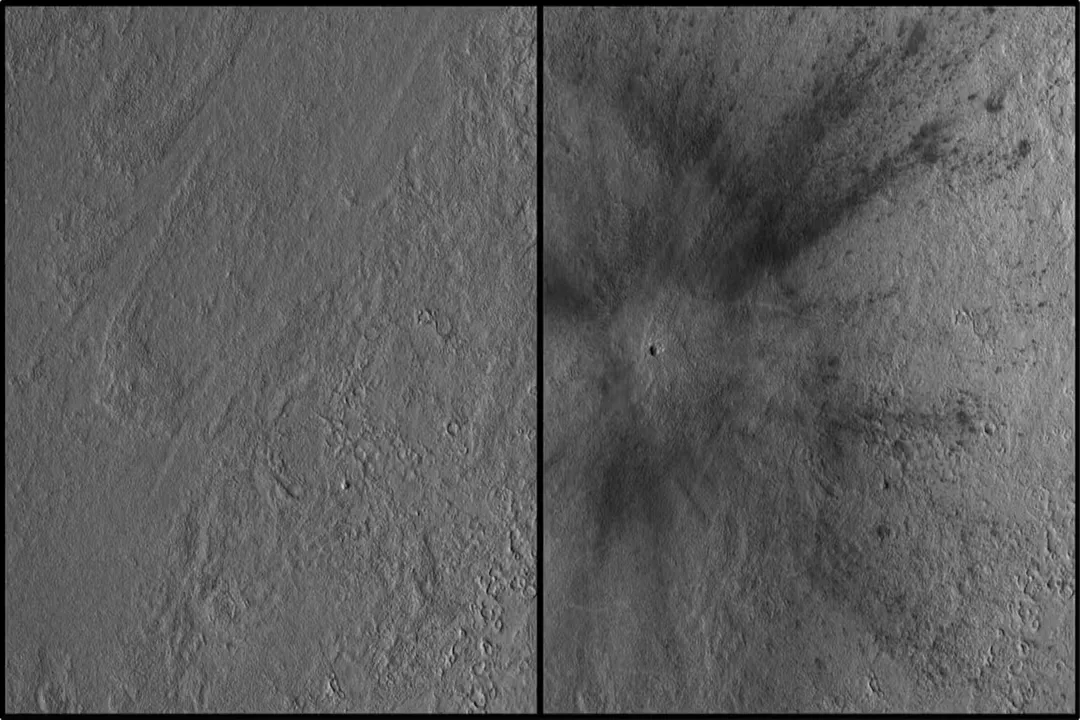
The formation of the South Pole–Aitken basin occurred very early in the Moon's history, resulting from the impact of an enormous asteroid or comet. [2] The energy released during this collision was so immense that it excavated material that had been buried for billions of years. [1] This process acts like turning the planet inside out, bringing ancient secrets to the surface. [4]
The material found within the basin floor is chemically distinct from the more common basaltic rock found on the Moon’s maria (the dark plains). [4] Scientists believe the impact punched through the Moon’s crust and churned up material from the deeper crust or even the lunar mantle. [1][2] Studying this exposed material gives researchers a unique window into the Moon’s primordial composition, something that would be impossible to achieve by simply looking at the surface everywhere else. [1]
It has been suggested that this cataclysmic impact may have even resulted in a "radioactive splash" across the Moon, distributing altered materials widely due to the sheer kinetic energy involved. [4] The basin, therefore, isn't just a hole; it's a giant, ancient chemical sample container delivered directly to us via a high-speed collision. [4]

# Underneath Structure
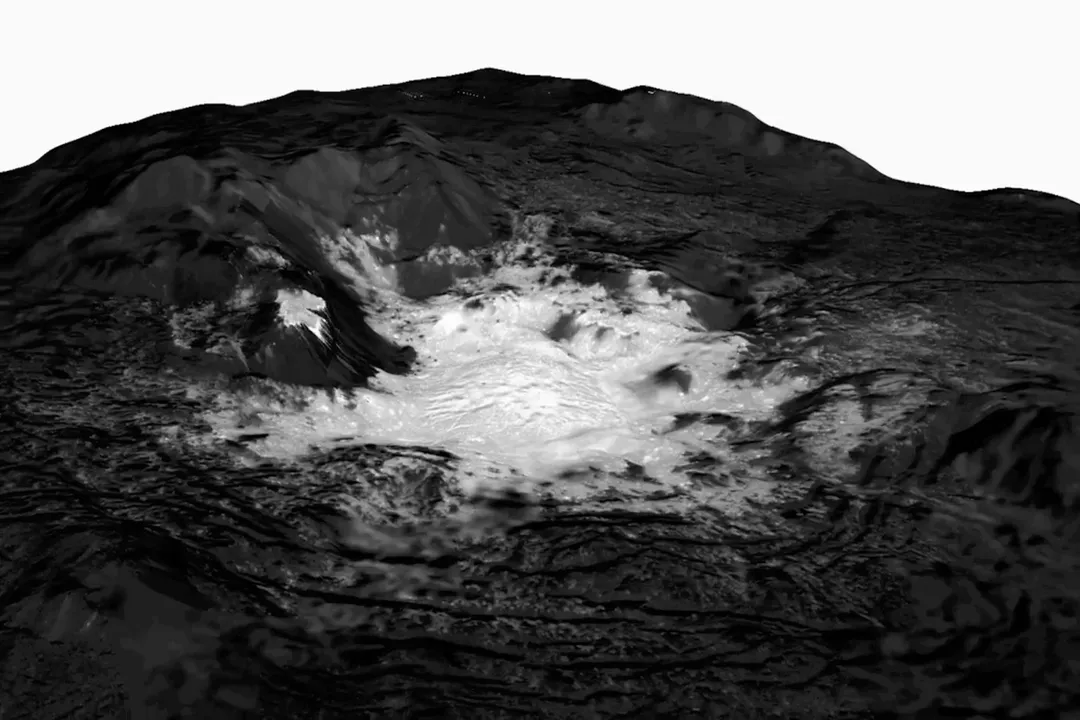
One of the most compelling mysteries surrounding the SPA relates to what lies beneath the basin itself, rather than just what it exposed on the surface. Geophysical studies, particularly those focusing on gravity data, have revealed a significant mass anomaly located deep underneath the gigantic structure. [6]
This anomaly suggests that the impact did not just create a uniform void or simply expose the mantle; the mechanics of the collapse and the resulting distribution of mass are complex. [6] The presence of this concentrated mass deep below the crust might imply that the impactor itself—or dense material it excavated—settled in a particular way, or that the structure of the underlying crust was already unusual before the impact. [6] It is an open question whether this mass anomaly represents a denser mantle plug pushed up or simply the remnants of the impactor deeply buried and compressed. The difference in material density between the relatively thin, ancient crust of the far side and the denser material brought up or exposed by the impact provides a sharp gravitational contrast, which is what sensors pick up. [6]
# Lunar History
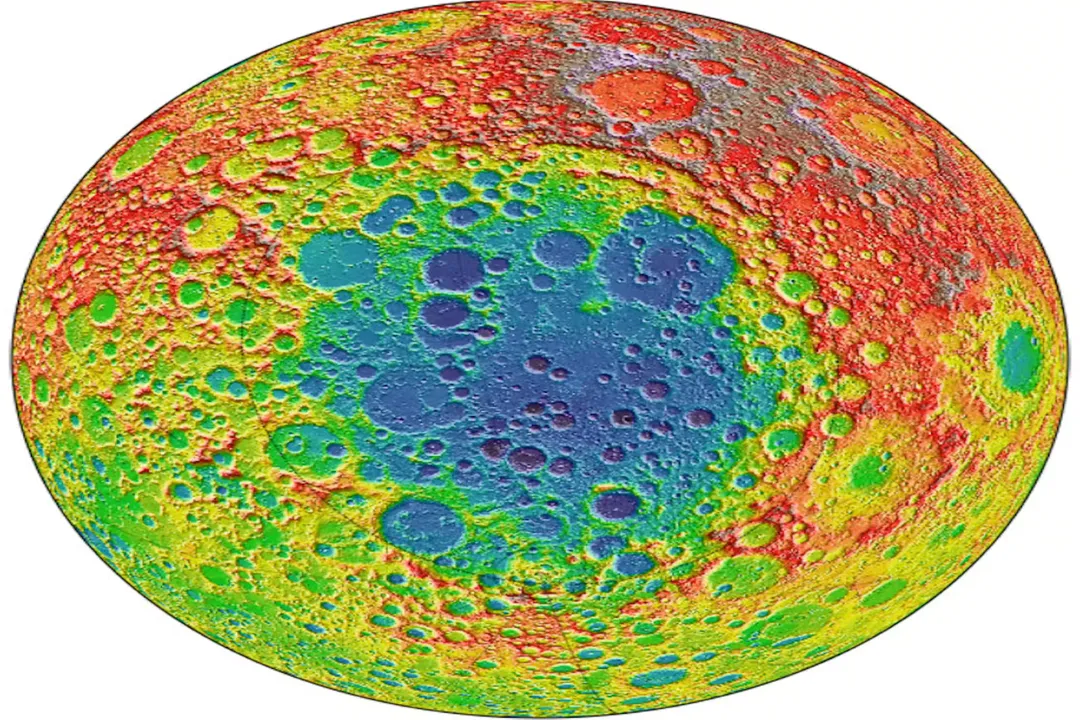
The Moon’s surface is a library written in impact craters, but the SPA is the first and most important chapter. [7] The Moon has endured a long period of heavy bombardment, evidenced by the thousands of impact scars covering its landscape. [7] While many well-known craters are visible from Earth, the SPA is mostly situated on the far side, meaning we could not see it clearly until the advent of space exploration. [2]
It is interesting to consider that many other dramatic craters, like the Aitken Crater itself (which names the basin), are actually inside the larger basin structure. [1] This means Aitken Crater formed after the grand SPA event, illustrating that even after the largest impacts, smaller, but still significant, collisions continued to shape the terrain. [5] When mission planners select landing sites, the SPA region becomes highly attractive precisely because of this complex stratigraphy—layers upon layers of geological history are compressed and exposed within one massive geographic feature. [1]
In thinking about the differences between the near side and far side, the SPA contributes to the overall picture of lunar dichotomy. The far side, where the SPA resides, generally possesses a thicker crust compared to the near side, which is why we see fewer large maria there. [2] The magnitude of the SPA impact suggests it may have been one of the last events capable of penetrating that thick crust, making the resultant exposure particularly unique to that hemisphere. [4] Any future in-situ analysis conducted within the SPA will likely refine our understanding of lunar differentiation—the process by which the Moon separated into core, mantle, and crust during its formation. [1]
Related Questions
#Citations
South Pole–Aitken basin - Wikipedia
What is the South Pole-Aitken Basin? - NASA Science
The Biggest Crater on The Moon Is Much Bigger Than We Ever ...
The moon's biggest impact crater made a radioactive splash
5 incredible craters that will make you fall in love with the grandeur ...
Mass Anomaly Detected Under the Moon's Largest Crater
Moon's largest crater is rounder than 1st thought - EarthSky
What is the name of the largest crater on the Moon? - Quora