What is the Moon characterized as?
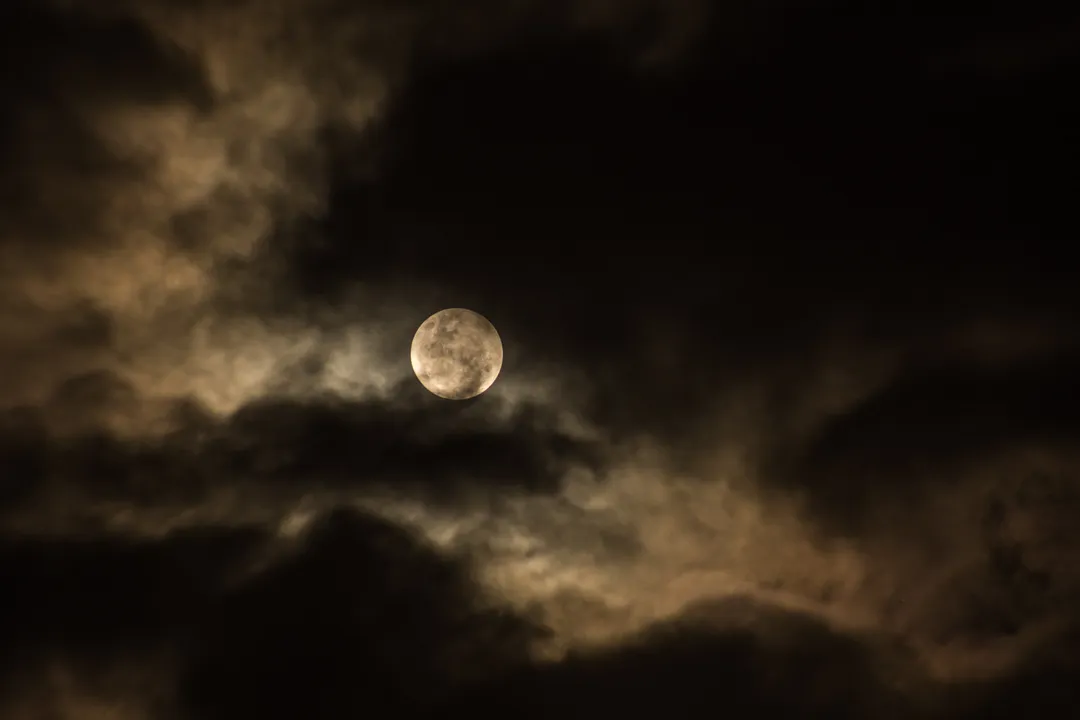
The Moon, our closest celestial neighbor, rarely inspires just one description. Its characterization shifts dramatically depending on whether we approach it through the lens of astronomy, mythology, or pure metaphor. To truly grasp what the Moon is described as requires looking beyond its physical dimensions to the cultural weight it carries. Scientifically, it is characterized first and foremost as Earth's sole natural satellite, [2][8] a distinction that separates it from planets, though some general knowledge tests might erroneously present it as a planet in multiple-choice formats. [5]
# Celestial Status
The defining characteristic from an objective scientific standpoint is its orbital relationship with Earth. It does not orbit the Sun independently but rather remains bound by our planet’s gravity. [8] This satellite status results in several physical attributes that shape its very existence. It is a relatively large satellite when compared to its parent body, possessing a diameter of about 3,474 kilometers. [2] Its mass is significantly smaller than Earth's, translating to a surface gravity that is just about one-sixth of what we experience here. [2] This difference is profound; while we live under the constant pull of nearly 10 meters per second squared, the Moon offers a gentle reprieve, holding objects with a force of only about . [2] This low gravity paints a picture of serene, slow-motion existence, which perhaps contributes to the 'quiet observer' personality assigned to it metaphorically—every action there would appear deliberate and unhurried compared to the frantic pace of Earth-bound life.
The Moon is decidedly not a world of its own making in terms of light; it is characterized by reflection, shining due to the sunlight it bounces back toward us. [8] Furthermore, its environment is one of extremes, with temperatures swinging wildly from scorching highs when facing the Sun to frigid lows in the darkness, ranging over hundreds of degrees Celsius. [2]
# Physical Makeup
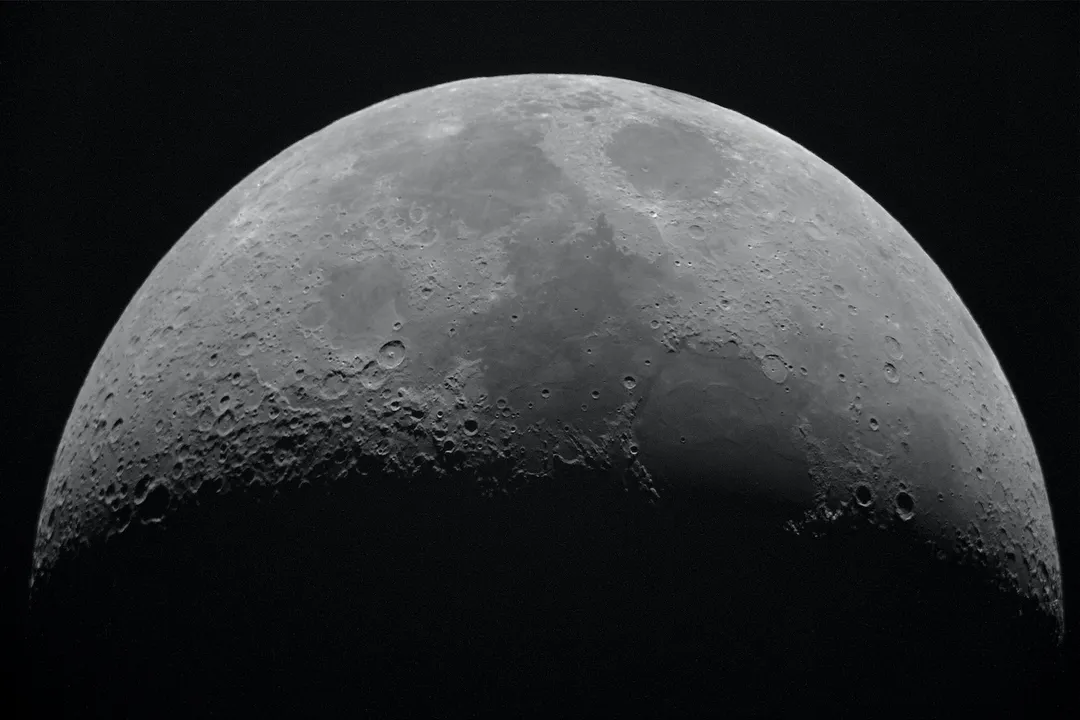
When we examine what the Moon is made of, the characterization becomes purely geological. It is fundamentally a rocky body. [2] Its composition is not a uniform mixture, but rather an assemblage of elements dominated by oxygen, silicon, magnesium, iron, calcium, and aluminum. [6] The surface itself, the part we see most clearly, is covered in a layer of dusty, broken material called regolith, formed by billions of years of micrometeorite impacts. [6][8] This grey, stark landscape, peppered with craters, often leads to its characterization as a dead, barren world, a contrast to Earth’s vibrant blues and greens.
A key characteristic of its physical reality that profoundly impacts its cultural perception is its rotation. The Moon is tidally locked with Earth. [8] This means that it rotates on its axis at the same rate it orbits our planet, resulting in the same hemisphere always facing us. [8] This eternal unveiling of one face while keeping the other perpetually hidden naturally casts the Moon as a figure of mystery, a constant presence that remains only partially revealed, a source of reliable cycles but incomplete knowledge.
# Mythological Duality
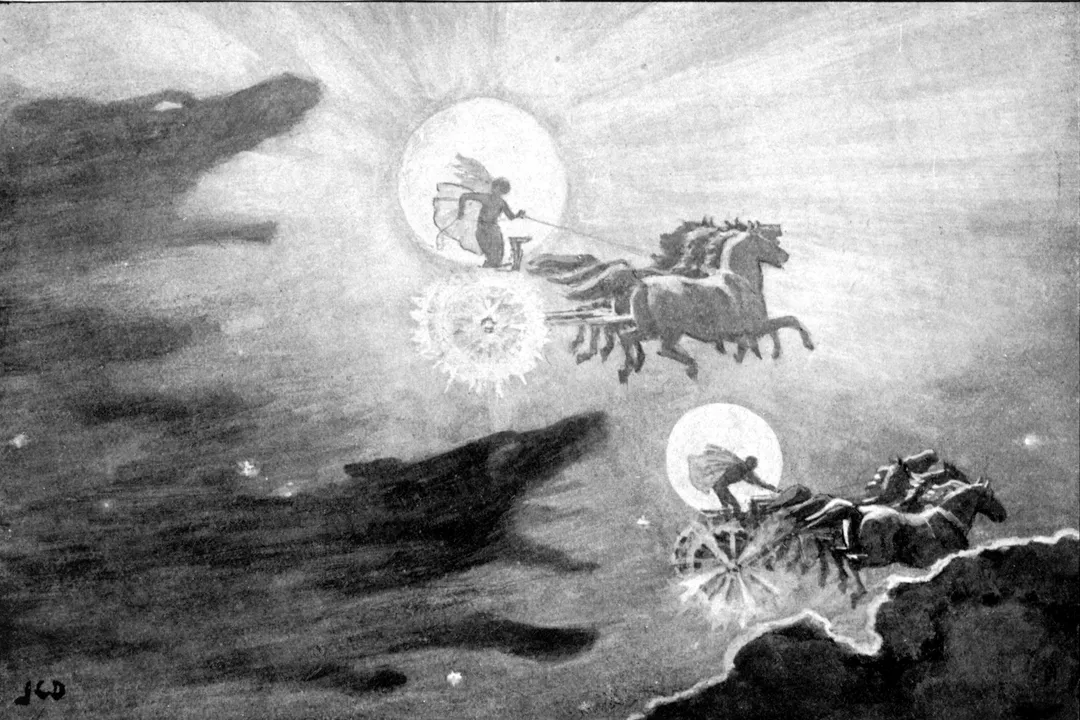
Moving away from geology, the Moon is frequently characterized through gender, a feature highly dependent on the specific cultural tradition being referenced. In many modern Western contexts, the Moon is strongly associated with the feminine divine. [4] This association is often tied to its visible cycles—the waxing and waning mirroring cycles of life, fertility, and emotion, linking it closely with intuition and the subconscious mind. [4] This feminine characterization aligns with concepts of changeability and deep emotional tides that the Moon seems to govern on Earth. [8]
However, this is not universal. Historically, some cultures have characterized the Moon with masculine traits. [4] For instance, in certain Germanic and Norse traditions, the Moon figure, Mani, is explicitly male. [4] This demonstrates that the Moon’s inherent character is less about the object itself and more about how ancient observers projected their social structures and dualities (such as Sun as masculine/day and Moon as feminine/night) onto the cosmos. [4] When comparing these dualities, we see that the Moon is characterized by ambiguity—it is both, depending on the observer's cultural inheritance. [4]
# Metaphorical Persona
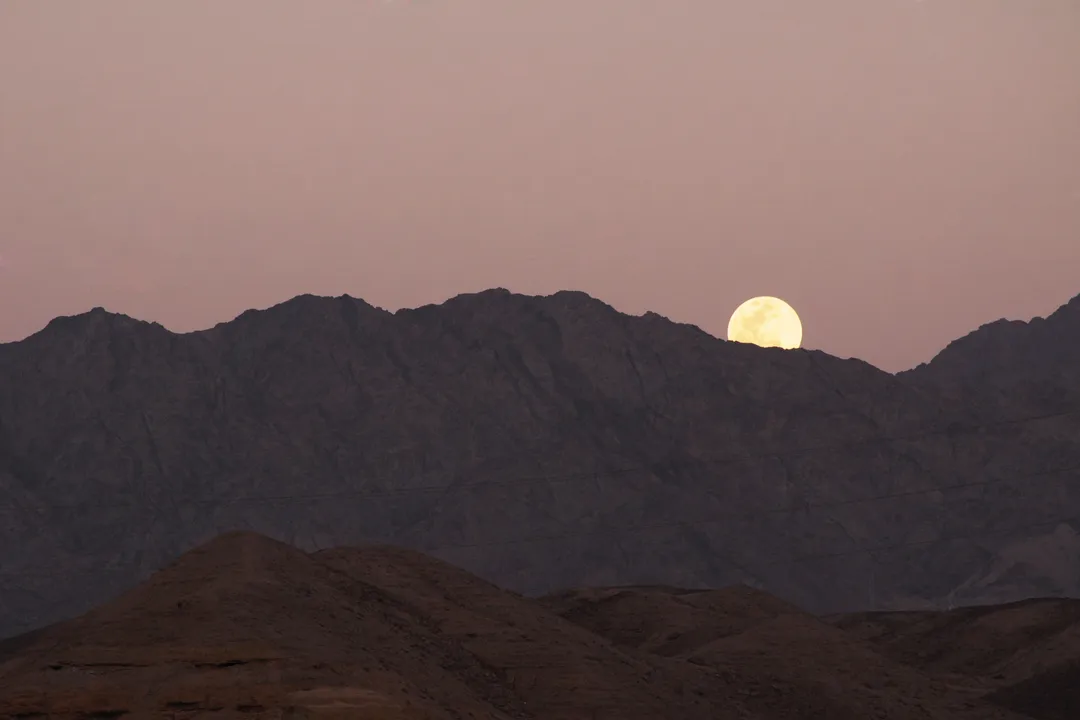
When people are asked to assign a personality to the Moon as if it were a person, the characteristics drawn often reflect its silent, distant nature and its consistent, predictable light. [9] The dominant personality traits ascribed to a personified Moon tend to revolve around being serene and reflective. [9] It is often seen as a quiet observer of terrestrial events, maintaining a dignified, almost detached attitude because it has witnessed eons of history without directly interfering. [9]
The Moon's phases also suggest a cyclical personality: sometimes full and commanding, other times a sliver, suggesting periods of retreat or introspection. [9] This cyclical nature contrasts sharply with the characterization of the Sun, which, by contrast, is often described as energetic and overtly powerful. [9] The Moon’s character is one of subtlety. If we were to create a profile for this celestial entity based on its observable behavior, we might describe it as someone who listens far more than they speak, whose influence (like gravity affecting tides) is felt deeply even if their physical presence seems gentle. [8][9]
In literature and popular culture, this characterization has inspired countless narratives, where the Moon might be the silent confidante or the haunting backdrop to human drama, originating from deep cultural roots in storytelling. [1] Its characterization in commerce, surprisingly, even extends to being used as branding for everyday goods, indicating its powerful, almost universal recognition as a symbol. [3] Ultimately, the Moon is characterized as a paradox: a physically dead, desolate rock governed by strict physical laws, yet simultaneously a vibrant, powerful symbol of femininity, mystery, and quiet contemplation across human experience. [2][4][9]
#Videos
The Moon - Its Characteristics and Impacts on Earth - YouTube
Related Questions
#Citations
Does anyone know if there's an origin for the idea of the moon as a ...
Moon | Features, Phases, Surface, Exploration, & Facts | Britannica
Is the Moon a Planet? QVC Asks, I Answer.
Is the Moon Feminine or Masculine? It Depends On Who You Ask
What is the moon described as in the passage? a) a planet b) a star c..
Moon Composition - NASA Science
The Moon - Its Characteristics and Impacts on Earth - YouTube
Everything you've ever wanted to know about the Moon
If the moon was a person, what would be her or (his ... - Quora