Can Blue Origin go to the moon?

The aspiration of sending humans and hardware back to the Moon is rapidly moving from concept to reality, and Blue Origin, founded by Jeff Bezos, is positioned as a primary contender in this new era of lunar exploration. The company's work is deeply interwoven with NASA’s Artemis program, aiming to establish a sustained human presence on and around the Moon. While SpaceX often captures headlines with its Starship development, Blue Origin is making demonstrable progress on its own vehicle architecture necessary for lunar transit and surface operations. The fundamental question of whether they can go is rapidly becoming a question of when they will arrive.
# Lunar Goals
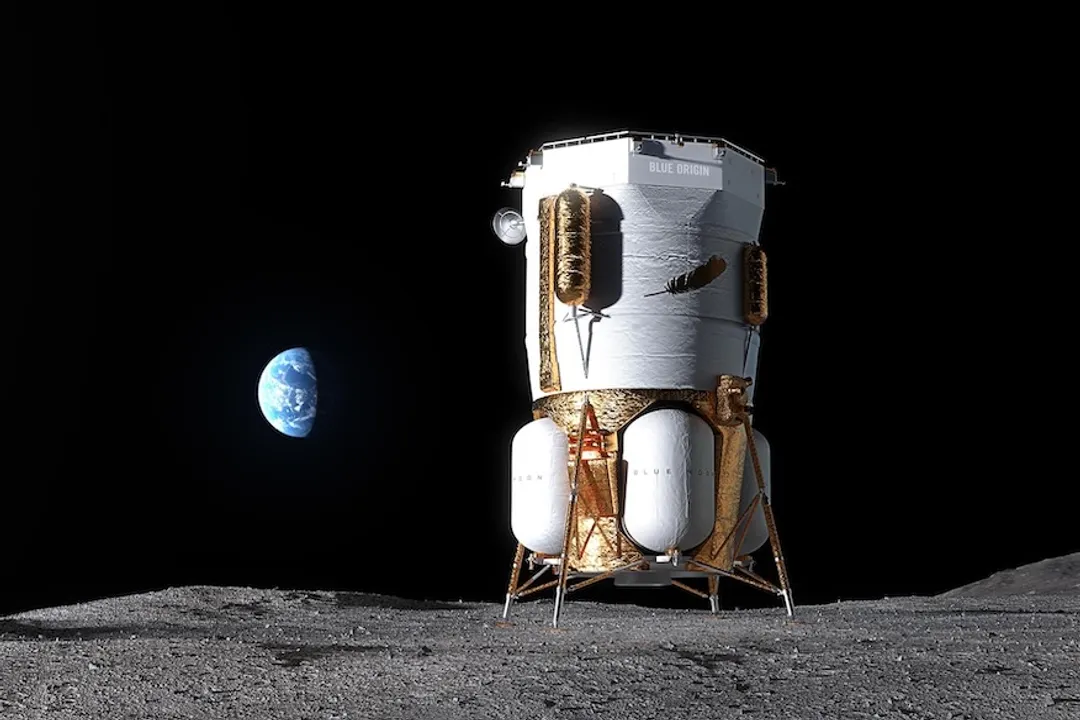
Blue Origin’s vision for lunar access extends beyond merely achieving a soft landing. Company leadership has articulated plans that look toward establishing permanent outposts on the lunar surface. This viewpoint suggests a long-term infrastructure development strategy, rather than simply meeting the immediate requirements of the initial Artemis missions. Where early missions focus on proving the technology for boots on the ground, Blue Origin's CEO has spoken about the necessity of building bases, implying a future market for regular transport, construction, and resource utilization. This strategic difference—focusing on long-term settlement capabilities rather than just rapid return capability—suggests an emphasis on building a reusable, foundational lunar economy that transcends initial exploration phases.
# Lander Vehicle
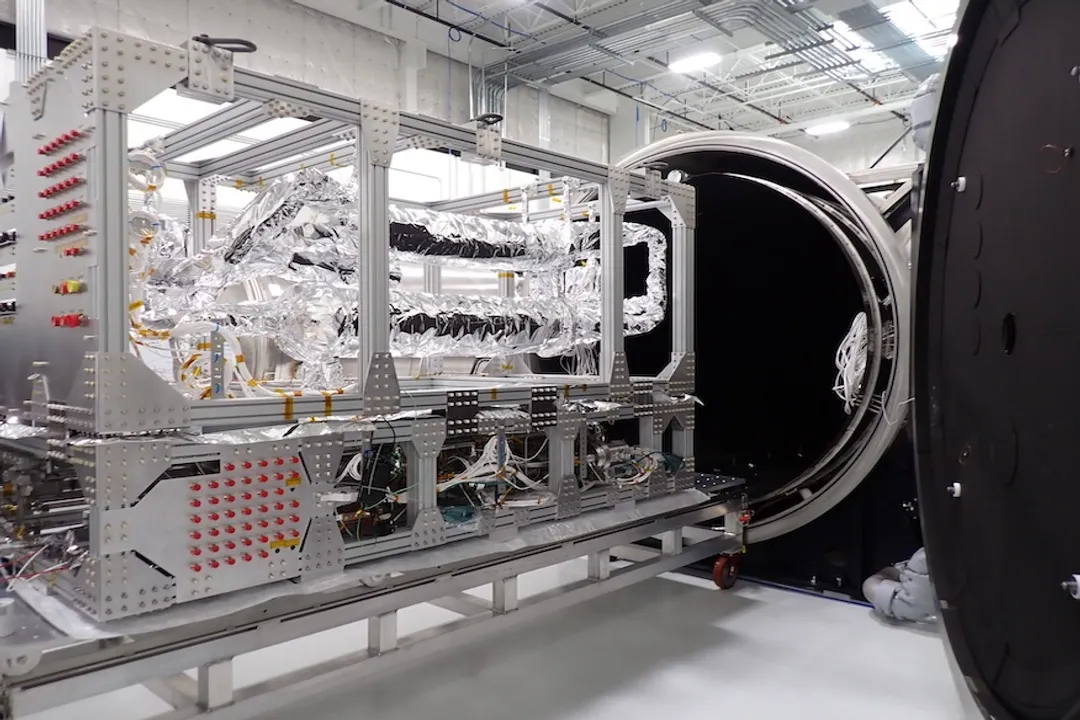
The centerpiece of Blue Origin's lunar surface plans is the Blue Moon spacecraft. This system is designed to ferry cargo, and eventually crew, to the lunar surface. The development path for Blue Moon has involved iteration, adapting to specific mission needs outlined by NASA. For instance, a critical near-term objective involves using a version of the lander to deliver NASA's VIPER rover to the Moon's South Pole. This cargo delivery mission serves as a crucial proving ground for the landing systems and operational procedures necessary for future human missions. The evolution of the Blue Moon design—moving from initial concept studies to hardware development tailored for specific payloads like VIPER—demonstrates that the company is creating landing hardware that directly supports NASA’s phased surface exploration strategy, rather than attempting to apply a single, monolithic design across all objectives.
# NASA Work
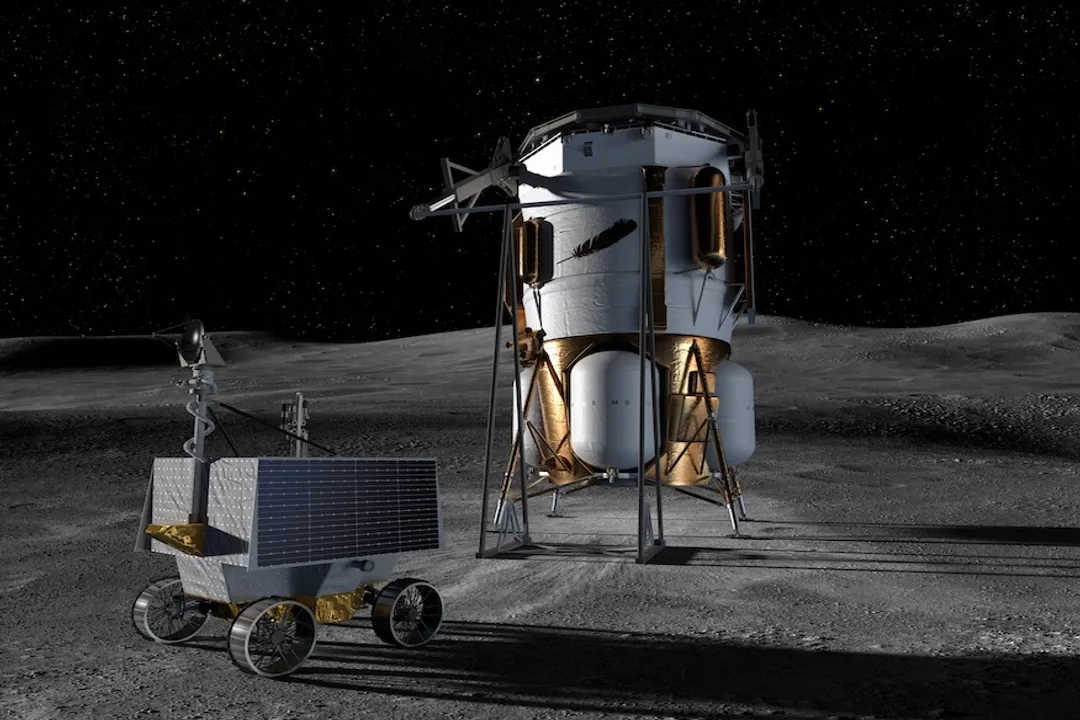
Blue Origin has secured significant contracts that tie its future directly to NASA’s goals for returning Americans to the Moon. The contract to transport the VIPER rover is a tangible demonstration of the company's current operational pathway to the lunar surface. This mission aims to characterize water ice resources, a key step for any long-term human habitation. Furthermore, the landscape of lunar lander procurement has seen recent turbulence. Both SpaceX and Blue Origin submitted updated plans in late 2025 outlining how they could get astronauts back to the Moon sooner, indicating an ongoing competitive selection process even after initial awards were made. This dynamic environment means that Blue Origin’s development timelines are heavily influenced by the agency’s evolving strategy and budgetary considerations, particularly following the shakeup regarding the initial contract awards for Artemis 3.
# Competitive Timelines
The race to the Moon involves more than just Blue Origin and NASA; competition drives speed. SpaceX remains a primary competitor, and the fact that both companies submitted updated plans to accelerate astronaut return times underscores the intensity of the effort to achieve lunar surface access rapidly. This competitive pressure can sometimes result in accelerated progress across the industry, as companies vie to prove their readiness and reliability before NASA commits to final major contracts. For Blue Origin to succeed in its long-term goal of building bases, demonstrating timely and reliable execution on current near-term contracts, like the VIPER delivery, is essential for establishing trust and securing future investment.

# Operational Readiness
While the Blue Moon lander handles the descent, the broader Blue Origin infrastructure plays a supporting role in realizing the Moon objective. The company is developing its New Glenn heavy-lift orbital rocket, which is intended to launch its personnel transport vehicles and other necessary hardware into Earth orbit before transferring them onward to the Moon. Without a reliable, high-cadence launch vehicle like New Glenn to place components into orbit, the Blue Moon lander cannot fulfill its mission profile. Therefore, Blue Origin's capability to reach the Moon is contingent not just on the lander itself, but on the successful integration and operation of its entire launch and space transportation architecture. The company’s roadmap is clearly focused on creating a comprehensive, end-to-end system for accessing cislunar space.
#Videos
Blue Origin is Landing on The Moon This Year - YouTube
Blue Origin CEO explains why building bases on the moon is so ...
Related Questions
#Citations
Blue Origin CEO explains why building bases on the moon is so ...
New NASA Boss Says the Moon Race Is on Between SpaceX and ...
Blue Moon (spacecraft) - Wikipedia
NASA says SpaceX, Blue Origin submitted new Moon mission plans
Blue Origin is Landing on The Moon This Year - YouTube
Jeff Bezos' Blue Origin could land on Moon in 2026, rivaling SpaceX
NASA Selects Blue Origin to Deliver VIPER Rover to Moon's South ...
Blue Origin details lunar exploration progress amid Artemis 3 ...