What concept did the ancient observers contrast Earth with, unlike Mars and Jupiter, which were seen as distant wanderers?
The ground beneath their feet
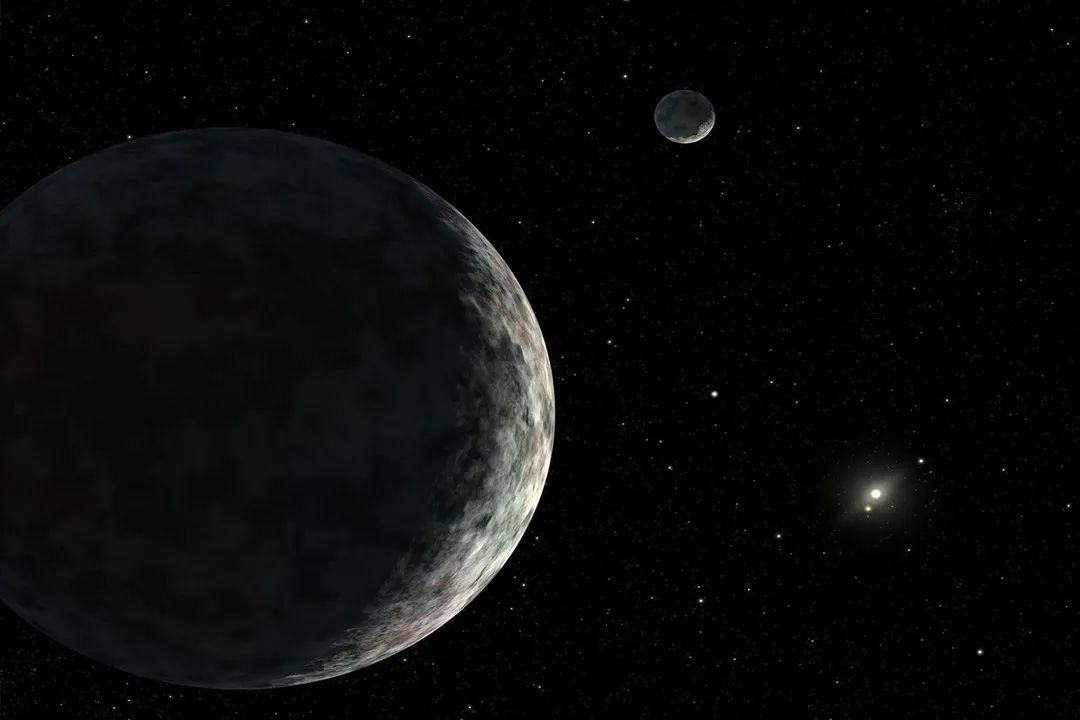
The fundamental difference in naming derived from how early observers perceived Earth relative to the other visible planets. For ancient observers, Mars, Jupiter, and the others were distinct, bright entities moving across the heavens, leading them to assign mythological names appropriate for distant 'wanderers' or 'gods.' Earth, however, was perceived as being 'here'—it was the ground beneath their feet, the environment sustaining life, and the source of sustenance. The primary distinction they made was between the land itself (Earth) and the objects 'up there' (the cosmos). This proximity meant Earth was not elevated to the status of a separate mythological entity, as its identity was tied to its physical composition as soil or land, unlike the remote, god-named planets.