Have we ever found liquid water on another planet?
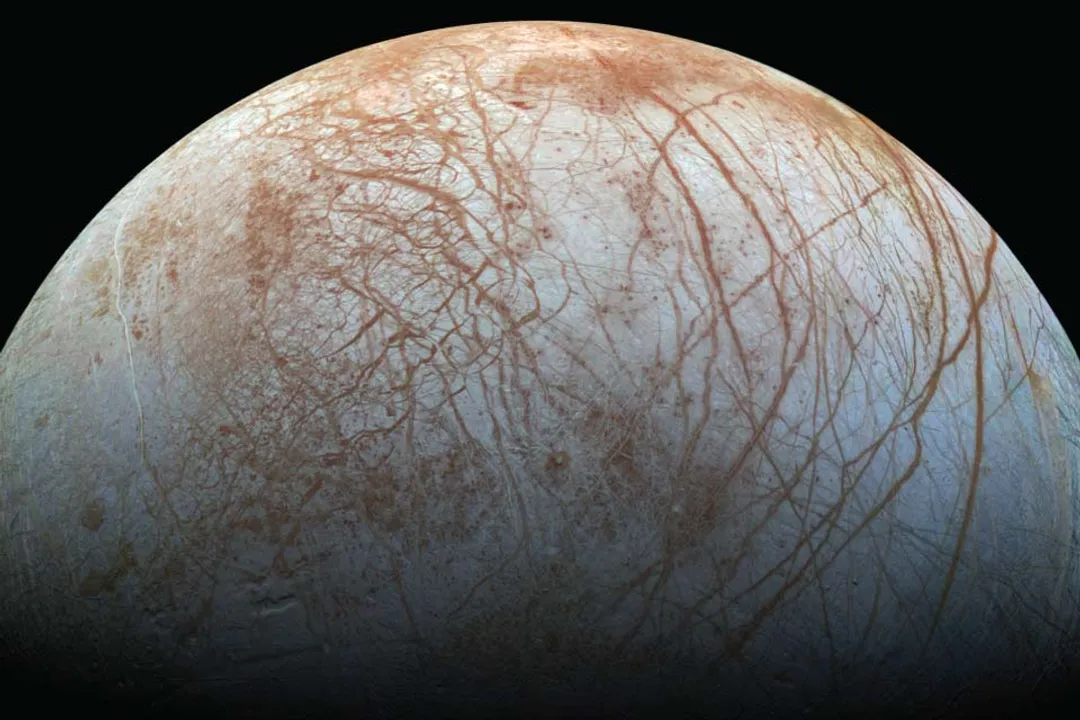
The search for liquid water beyond Earth has captivated scientists for generations, often conjuring images of rivers running across the Martian plains or vast, open seas on distant exoplanets. While we have not yet discovered a second Earth with surface oceans teeming with life, the reality we have uncovered is arguably more fascinating and complex: liquid water is present elsewhere in our solar system, existing in forms and locations far removed from our terrestrial experience. [1][3] The answer to whether we have found liquid water elsewhere is a definitive yes, but the qualifying clauses—where and how—are where the real story lies.
# Martian Depths
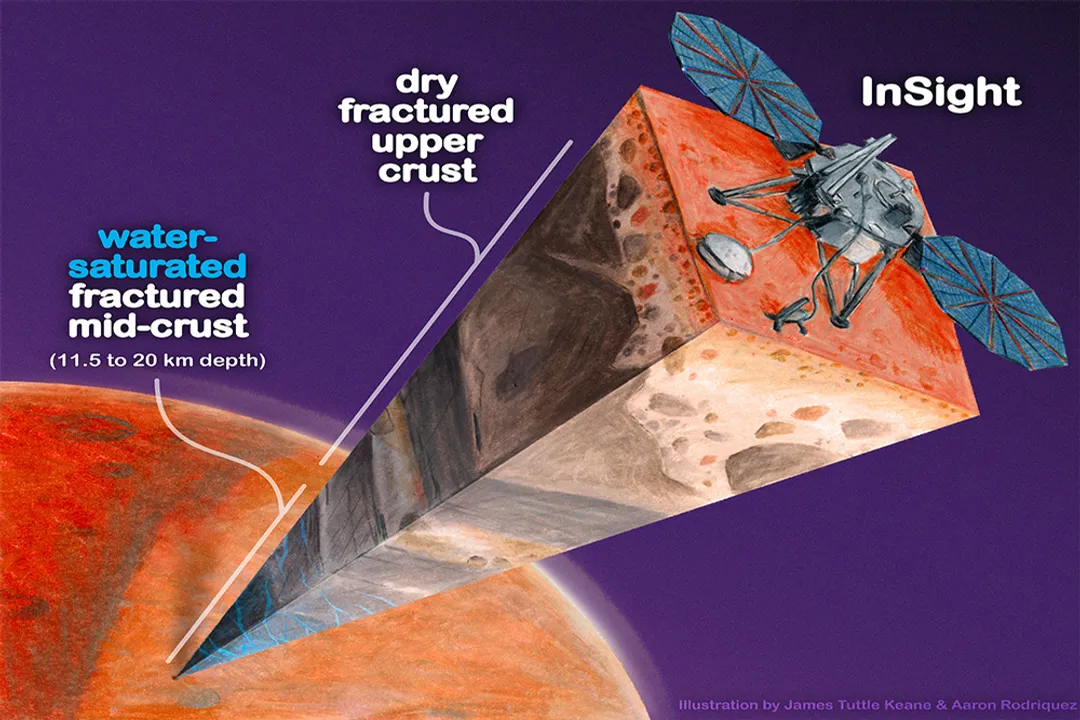
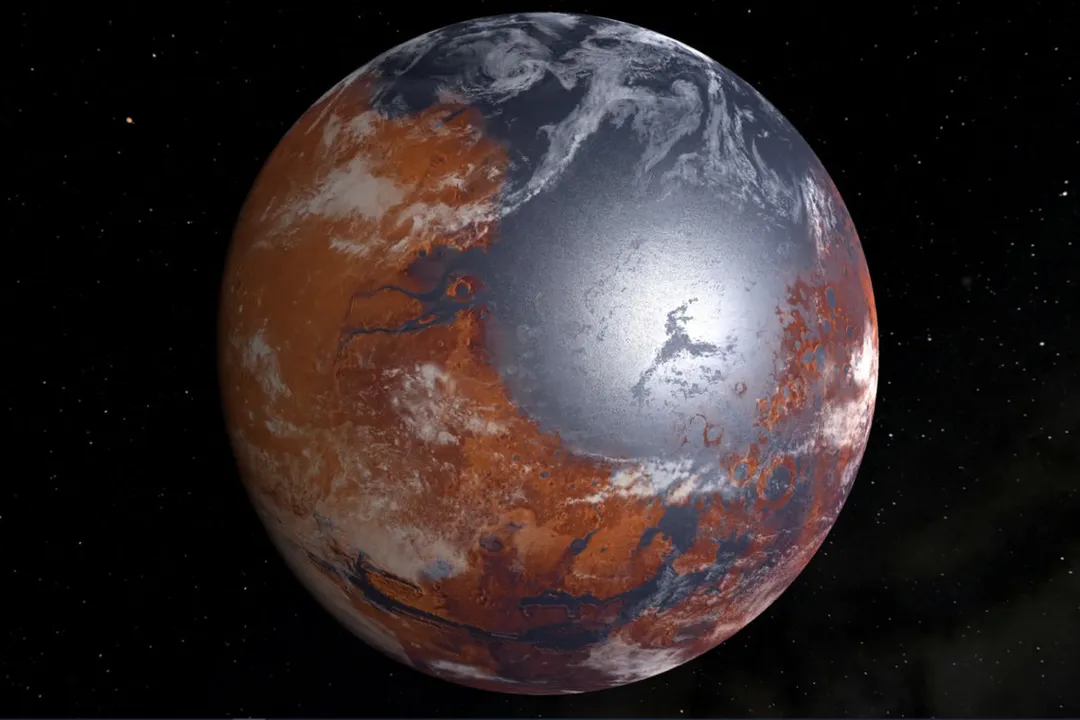
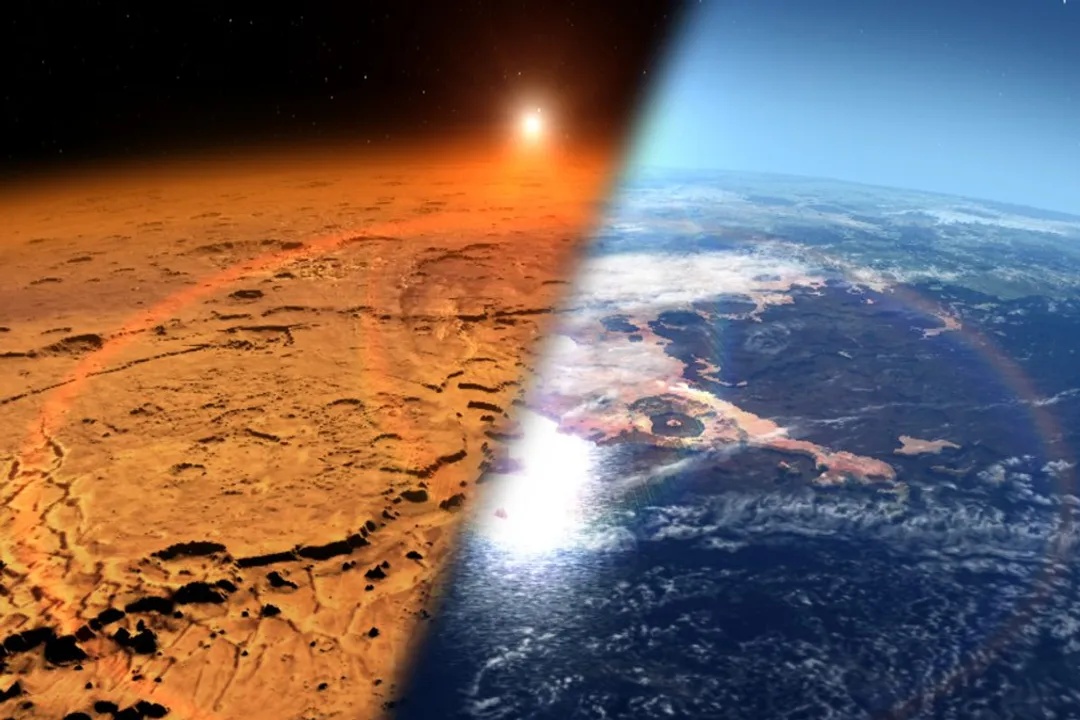
For a long time, the prevailing wisdom regarding Mars suggested that while evidence of past liquid water—fossilized riverbeds and deltas—was abundant on the surface, the planet's current thin atmosphere and frigid temperatures made liquid water impossible today. [3] The atmospheric pressure is so low that if water were to reach the surface, it would rapidly transition from ice directly to vapor, a process called sublimation, or boil away instantly, making stable puddles or lakes untenable. [2] This historical context is crucial because it highlights the magnitude of recent discoveries concerning water trapped underground. [3][6]
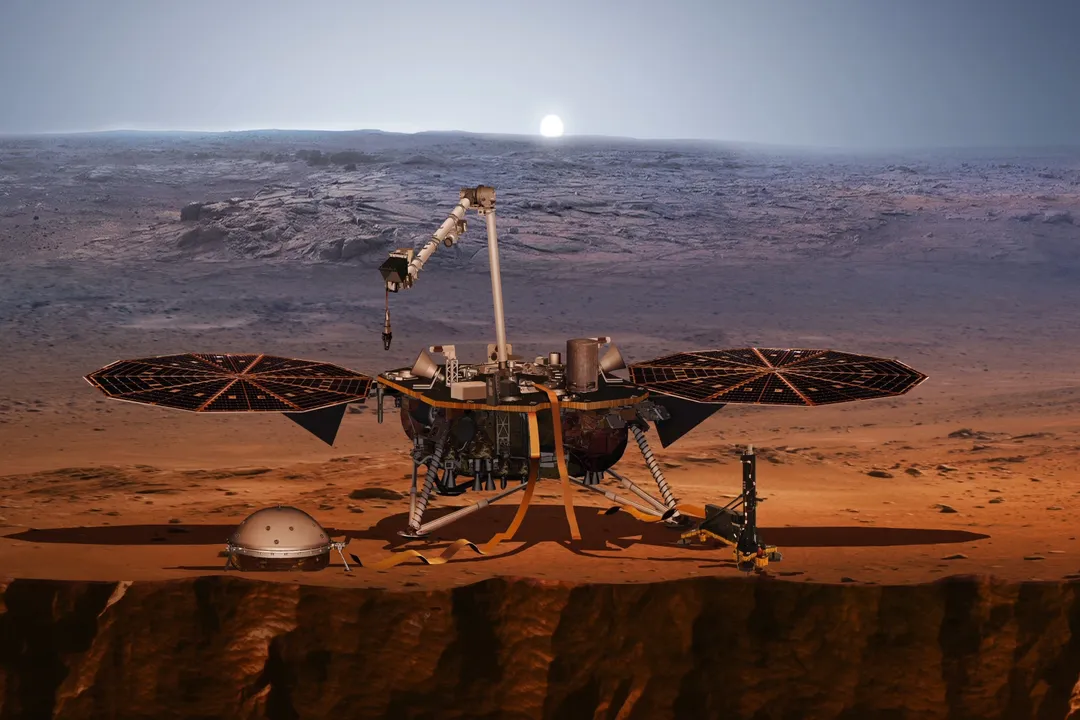
Today, data strongly supports the existence of substantial reservoirs of liquid water deep beneath the Martian south polar ice cap. [7][9] Scientists estimate that these vast quantities could equate to oceans’ worth of water, though they are far from accessible. [6] This water isn't simply trapped as ice; it exists in a liquid state, kept from freezing by a combination of insulating layers above it—a thick blanket of ice and rock—and likely an increased salt content. [7]
This subsurface liquid water on Mars is fundamentally different from the water that covers roughly 71% of Earth’s surface, which we commonly define as oceans. [5] The Martian reservoirs are not maintained by solar warmth, but rather by geological processes, specifically the high pressure and the presence of dissolved salts, known as brine, which drastically lower the freezing point of the water. [7] If we imagine the water on Mars, it is not a flowing stream but a vast, hyper-saline, pressurized body held captive miles below the rusty surface, a stark contrast to the surface memories captured by rovers of an ancient, wetter world. [3]
# Icy Satellites
While Mars holds its liquid water deep beneath its crust, the most promising locations for significant, long-lived liquid water environments are the ocean worlds orbiting the gas giants Jupiter and Saturn. [1] These moons are not planets, but their internal oceans may hold more liquid water than exists on Earth. [1]
The mechanism keeping this water liquid is entirely different from that on Mars. Instead of geothermal heat alone, these moons, such as Europa, Enceladus, Titan, Ganymede, and Callisto, experience intense gravitational tugging from their massive parent planets. [1] This constant squeezing and stretching causes internal friction, generating heat through tidal flexing. [1] This tidal energy is enough to melt vast quantities of water ice, creating deep, global subsurface oceans beneath thick icy shells. [1]
For instance, Enceladus is particularly exciting because plumes of this subsurface water have been observed erupting into space through cracks near its south pole. [1] Analyzing these plumes offers a direct, albeit brief, sample of the ocean's composition without the need for deep drilling, a significant advantage over the challenges posed by the Martian deep water. [1] Europa’s ocean is also thought to be in direct contact with its rocky seafloor, raising the possibility of hydrothermal vents—environments on Earth that support rich ecosystems entirely independent of sunlight. [1]
To better visualize the distinction in environments, consider this comparison:
| Location | Type of Body | Water State & Location | Primary Heating Mechanism | Accessibility |
|---|---|---|---|---|
| Mars | Planet | Deep, sub-ice/crustal reservoirs [7] | Geothermal pressure, high salinity [7] | Extremely difficult (miles deep) |
| Europa/Enceladus | Moon | Global, subsurface ocean beneath ice shell [1] | Tidal flexing/gravitational friction [1] | Difficult (requires penetrating thick ice) |
# Water's Condition
The very definition of liquid water in these extraterrestrial settings requires adjustment from our Earth-centric view. [7] On Earth, the vast majority of surface water is relatively pure H₂O, remaining liquid between and at standard pressure. [5]
On Mars, maintaining liquidity requires extreme concentrations of dissolved salts, making the water brine. [7] This suggests that if life were to exist in these reservoirs, it would need to be adapted to highly concentrated salt solutions, far exceeding what many terrestrial organisms can tolerate. [7] The presence of salts is a double-edged sword: it keeps the water from freezing, but it also dramatically changes the chemistry and potential habitability of the environment. [7]
The oceans on the icy moons, while potentially containing more water volume, also face pressure and temperature extremes, though the continuous energy input from tidal forces makes their liquid state more robust than the potentially transient or highly localized brines on Mars. [1] The key takeaway is that liquid water, when found off-world, is rarely the comfortable, temperate water we swim in; it is usually frozen, salty, or trapped under crushing pressure. [1][7]
# Access Hurdles
Finding the water is only the first step; accessing it, particularly if we are searching for extant life, presents an engineering obstacle that dwarfs our current capabilities. [7] The Martian liquid reservoirs are estimated to be deep enough that tapping them would require drilling through miles of rock and ice, a feat that current planetary missions are not equipped to perform. [7] While the discovery confirms the resource exists on Mars, it remains practically unavailable to us now. [7]
On the ocean worlds, the challenge is piercing the ice shell. While Enceladus offers us plumes, capturing a pristine sample directly from the main body of the ocean requires technology capable of descending through perhaps ten or more miles of solid ice. [1] Missions are being planned to fly through these plumes to seek biosignatures, offering a proxy access method that avoids the extreme drilling requirements. [1]
This inherent difficulty in accessing confirmed liquid water shapes our priorities. Because drilling into Mars seems prohibitively complex for the near future, much of the current focus shifts back to the icy moons where geologic activity (the plumes) might offer natural pathways to sample the deep environments. [1] It highlights a fundamental principle of astrobiology: the environments most hospitable to life—liquid water—are often the hardest to reach, sequestered beneath protective layers of rock or ice that shield them from harsh surface radiation. [1][6] Ultimately, the scientific consensus confirms liquid water is out there, just not on the easily reachable surface, forcing us to look deeper, both literally and technologically. [3][7]
#Videos
They Finally Found Liquid Water on Mars - YouTube
Just in: NASA Has Found Oceans of Liquid Water on Mars...For Real
Related Questions
#Citations
Ocean Worlds: Water in the Solar System and Beyond - NASA Science
Eli5 why scientists say that no water could be found on other planets ...
Mars water: Liquid water reservoirs found under Martian crust - BBC
They Finally Found Liquid Water on Mars - YouTube
Are there oceans on other planets? - NOAA's National Ocean Service
Mars may host oceans' worth of water deep underground
Scientists find oceans of water on Mars. It's just too deep to tap.
NASA Has Discovered Oceans of Liquid Water on Mars - Facebook