Did Messier ever find a comet?
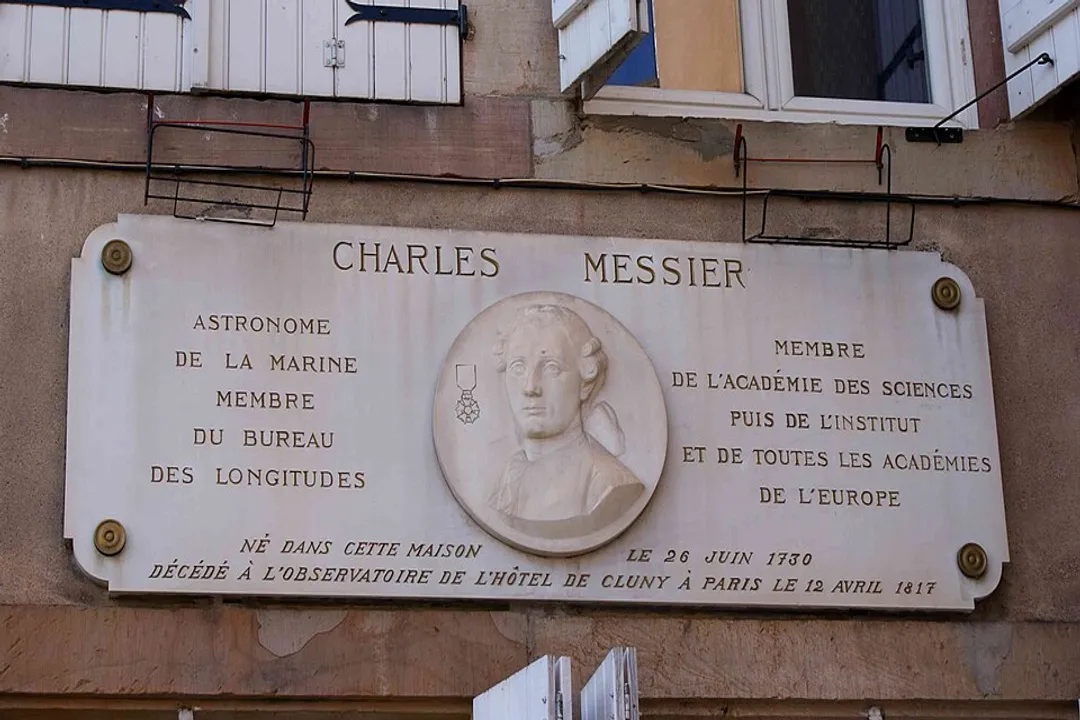
Charles Messier, the 18th-century French astronomer, dedicated a significant portion of his life to scanning the night sky, driven by a singular, obsessive goal: to be the first to discover a comet. In that era, finding a comet was a fast track to scientific fame and recognition, a sort of celestial lottery ticket compared to the slower accumulation of prestige from cataloging dimmer, stationary deep-sky objects. This intense focus on the swift-moving, ephemeral visitors of the solar system defined much of his observational career, making the question of his success in this pursuit a natural point of inquiry for anyone studying his work.
# The Comet Hunter
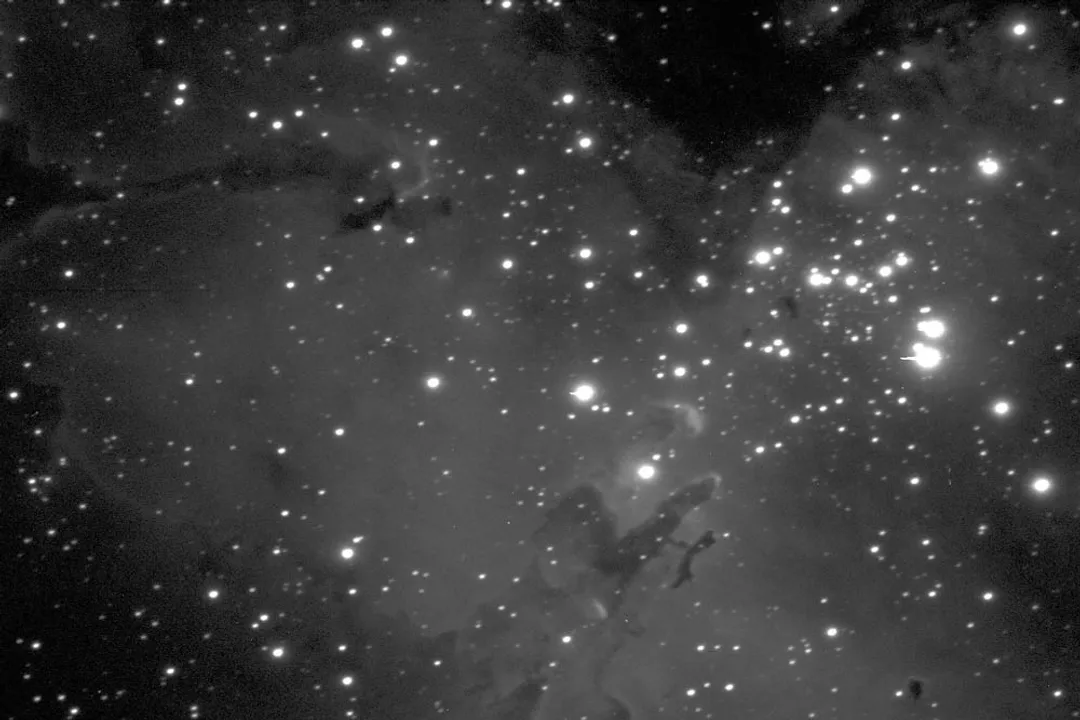
Messier's quest was fueled by an awareness of his contemporaries, most notably the renowned comet discoverer Caroline Herschel and her brother William. For Messier, securing a comet discovery meant a place in the annals of astronomy that few could rival at the time. He meticulously tracked celestial objects, often using his self-built telescope in Paris, hoping to catch a fuzzy patch of light that no one else had recorded. The desire for this glory was so pronounced that it propelled him through countless long, cold nights staring into his instrument. His early career involved extensive sky surveys specifically aimed at tracking down these elusive objects.
# Successes Noted
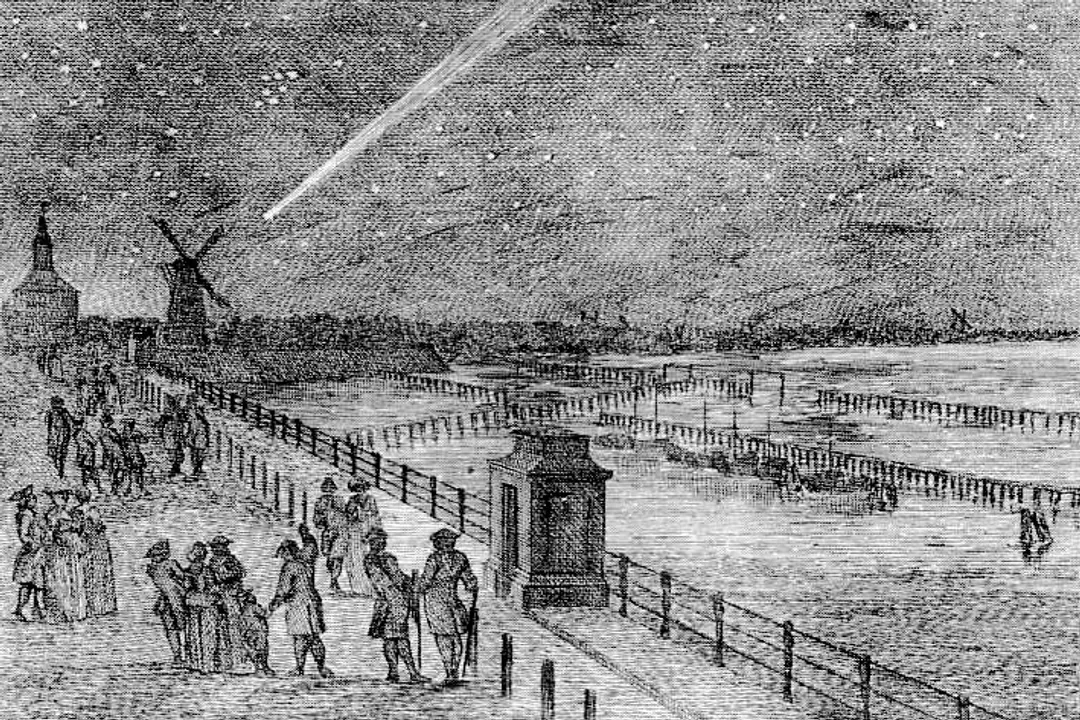
Despite the intense competition and the difficulty of early telescopic observation, Messier was not entirely unsuccessful in his primary ambition. While his permanent legacy rests on the catalog of nebulae and star clusters that bear his initial, Messier did indeed discover or co-discover several comets. This fact sometimes gets overshadowed by the enduring popularity of the "Messier Objects," but the record confirms his comet hunting bore fruit. For instance, comet appearances attributed to him are noted in historical astronomical records, often shared with other observers who spotted them around the same time. The challenge often lay in achieving sole credit, as comets frequently appeared across Europe nearly simultaneously due to improved observational techniques.
Here is a brief look at the distinction between his two major astronomical pursuits:
| Pursuit | Primary Motivation | Resulting Legacy | Frequency/Nature |
|---|---|---|---|
| Comet Hunting | Immediate Fame and Recognition | A handful of confirmed discoveries/co-discoveries | Swift, dramatic, fleeting |
| Nebula Cataloging | Avoiding confusion with comets | The enduring "M" Catalog (110 objects) | Slow, methodical, permanent |
# The Catalog Shift
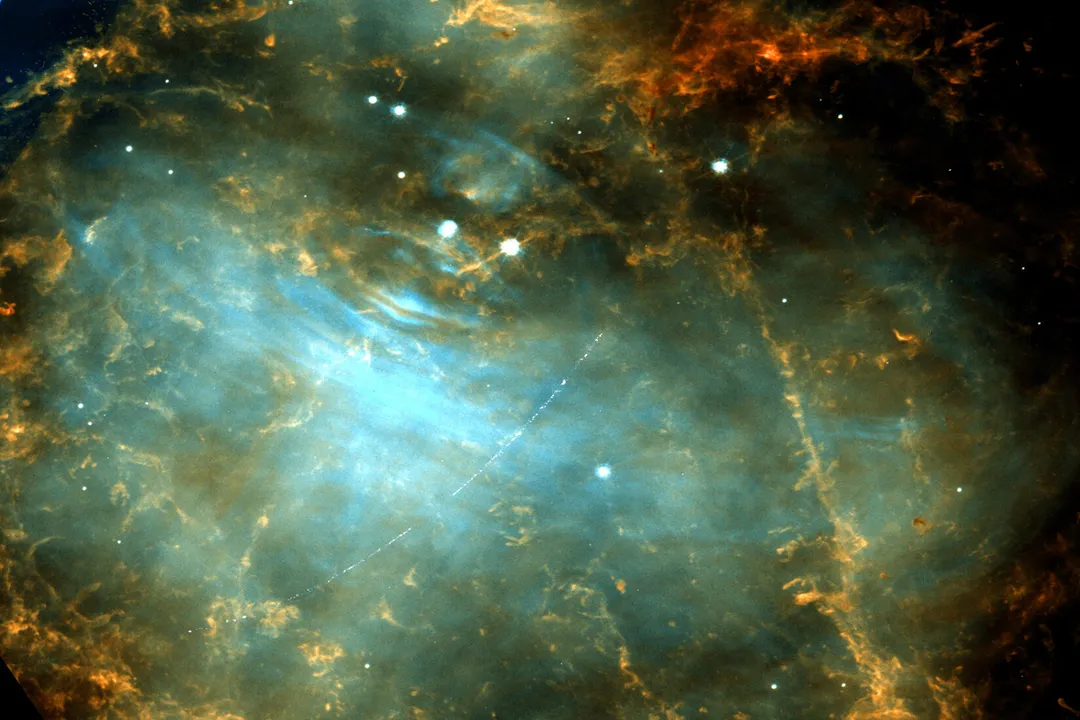
The fame associated with comets led to an interesting, perhaps unintended, consequence in Messier’s work. He began systematically recording any fixed, faint objects that other astronomers might mistake for the comets he was hunting. This initial, secondary purpose—clearing the field of false positives—is what ultimately secured his place in astronomical history. Messier compiled what would become the famous Messier Catalogue, an inventory of nebulae, star clusters, and galaxies. This work, which began as a necessity to avoid misidentifying a nebula as a comet, became an incredibly valuable reference for deep-sky observation that lasts to this day.
It is fascinating to consider that the very obsession that drove him—the pursuit of comets—directly informed the creation of his most famous contribution. Had he achieved overwhelming, singular success in finding, say, ten comets on his own, it’s conceivable that his motivation to methodically document the fainter, "unexciting" smudges of light might have waned. The very failure to consistently achieve sole comet discovery pushed him toward a more meticulous, long-term project that has proven far more enduring for modern stargazers. His initial priority was the quick hit; his eventual masterpiece was the slow burn.
# Observing Practice
To appreciate the scale of his effort, one must consider the tools available to Messier and his contemporaries. His primary instrument was a small, reflecting telescope—often about two inches in aperture—which, by modern standards, is quite modest. This limited aperture meant that the faint, fuzzy nebulae he cataloged were barely more than smudges, sometimes described by early observers as looking like faint smoke or tiny cotton balls. He was working under conditions far removed from the pristine, dark skies implied by modern observatory settings; Paris in the mid-18th century was not known for its transparency. Messier’s observational expertise lay not just in what he saw, but in his ability to consistently see faint objects through light pollution and with relatively primitive optics. When one looks at the Messier Objects today, they are often viewed through much larger amateur telescopes, making it easy to forget the sheer observational skill required for Messier to record their positions using only his eye and a micrometer.
# The Modern View
Today, Messier is universally known for his catalog, making his name synonymous with deep-sky targets like the Andromeda Galaxy (M31) or the Orion Nebula (M42). However, the story of his ambition provides a valuable context for understanding scientific motivation. Many amateur astronomers today feel a similar pull toward comet hunting, perhaps inspired by Messier's initial drive. Yet, modern tracking technology and vast sky surveys mean that finding a new, bright, naked-eye comet is exceedingly rare for the individual observer. This reality shifts the focus for contemporary amateurs toward the very objects Messier cataloged as secondary nuisances. For a modern hobbyist, successfully locating and logging all 110 Messier objects is a recognized milestone, a rite of passage that speaks to dedication rather than a race against rivals.
His life shows a transition from the pursuit of immediate, transient glory—a comet—to the establishment of a permanent, foundational reference—the nebula list. While he undoubtedly sought the thrill of the chase, the scientific community ultimately remembers the quiet accumulation of data over the spectacular, but fleeting, discovery. The fact that we still use the designation M followed by a number for objects across the cosmos is a testament to the structure he imposed on chaos, even if his heart was set on tracking transient visitors from the Oort cloud.
Related Questions
#Citations
Charles Messier - Wikipedia
The obsessive comet hunter | Astronomy.com
While hunting for comets in the skies above 18th century ... - Reddit
Messier's Comets
A Comet-Hunter's Legacy: The Messier Catalog
The Failure of Charles Messier - Museum Hack
"Comet of the Week:" Week 35 - The Earthrise Institute
M27: Not a Comet While hunting for comets in the skies above ...
Messier's Comets - Skyscrapers, Inc.