Why do modern, large-scale research telescopes primarily utilize reflecting telescopes?
Answer
To focus incoming light using large, precisely shaped mirrors, avoiding color distortions inherent in lens-based designs
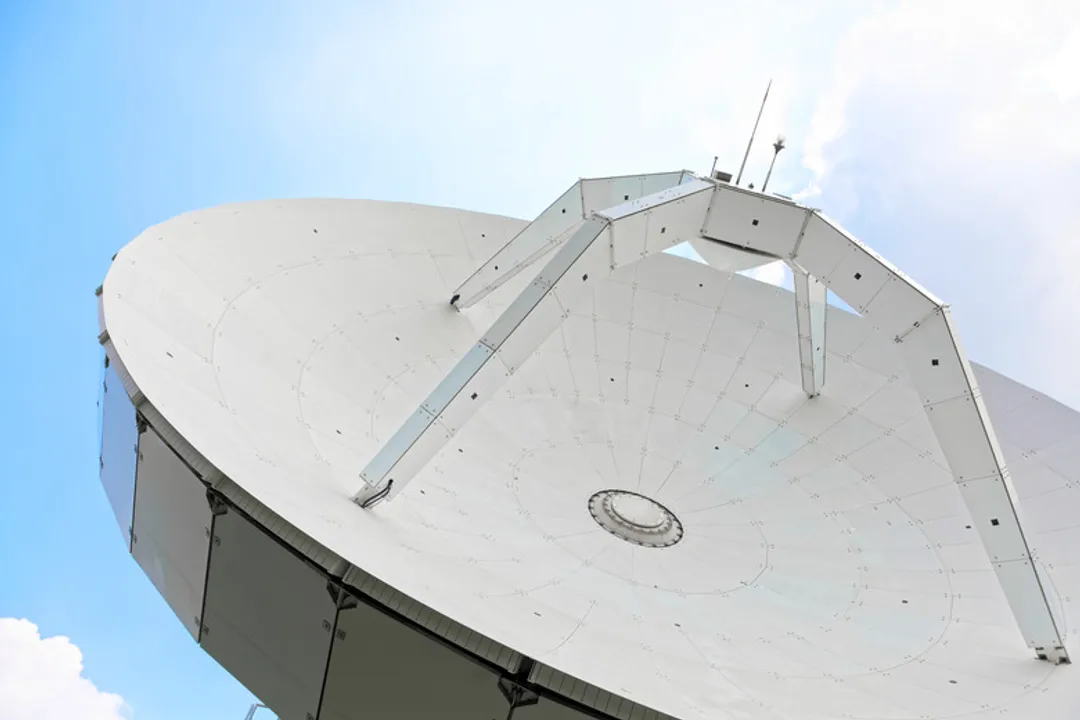
While the earliest telescopes relied on refraction through lenses, modern, large-scale astrophysical research heavily favors reflecting telescope designs. This preference stems from the significant technical advantage offered by large, precisely shaped mirrors. Mirrors are superior in focusing incoming light without introducing chromatic aberration—the inherent color distortions or fringes that commonly plague purely lens-based optical systems. By utilizing reflection rather than refraction as the primary focusing mechanism, researchers achieve clearer, less distorted images, which is critical for detailed analysis.
Related Questions
What specific measurements could skilled users determine using the ancient astrolabe?What is the essential, primary function of any modern telescope, regardless of its deployment environment?Why do modern, large-scale research telescopes primarily utilize reflecting telescopes?What key advantage do massive ground-based telescopes possess over space telescopes regarding their physical capabilities?What scientific data do spectrographs primarily allow scientists to determine about a star by splitting focused starlight into its component wavelengths?What specialized instrument aboard the Hubble Space Telescope is used for multi-band imaging?For which specific tasks is the photometer considered essential in measuring stellar light?What specific atmospheric interference do adaptive optics systems on ground-based telescopes actively correct for?After a specialized instrument captures light, what crucial steps must occur to the resulting digital data from a modern observatory?What key advancement provided the *understanding* of what was being seen, which the telescope only provided the *ability* to see?