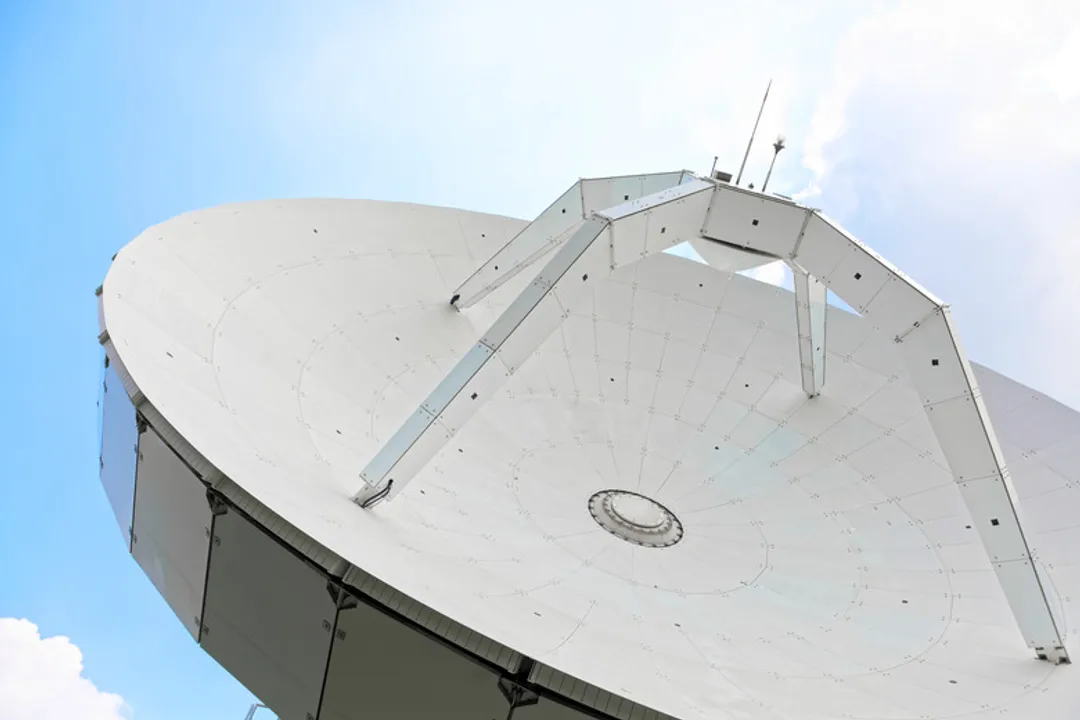
After a specialized instrument captures light, what crucial steps must occur to the resulting digital data from a modern observatory?
Processing computational power to correct for instrument noise, calibrate against standards, and convert signals to final scientific products
The process of astronomical discovery extends well beyond the moment photons strike the electronic sensor; significant computational work is required afterward. Astronomical datasets generated by modern instruments are often enormous in scale. This raw electronic data is unusable until extensive digital processing occurs. This crucial post-capture work involves applying powerful computational algorithms to remove inherent instrument noise, calibrating the signal levels by comparing them against known astronomical standards, and accurately converting the raw electronic responses into the final, interpretable scientific products, such as calibrated images or processed spectral plots.