What key advantage do massive ground-based telescopes possess over space telescopes regarding their physical capabilities?
Answer
They can achieve vastly superior light-gathering power due to their sheer size constraints
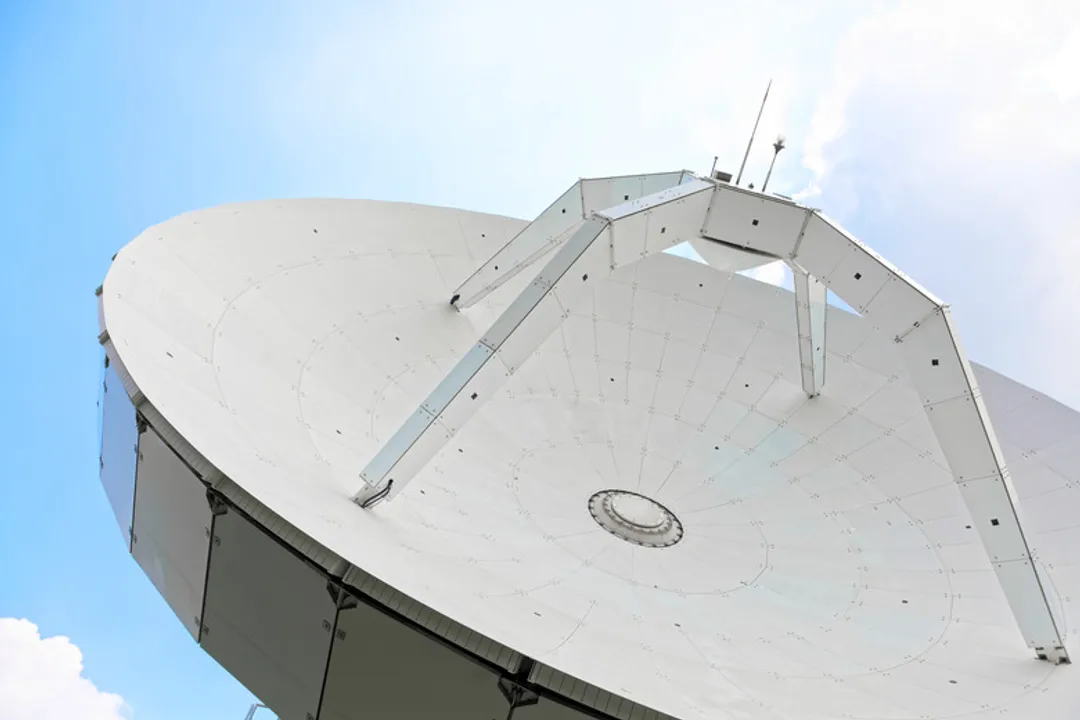
When comparing ground-based and space-based light-gathering systems, the trade-off between size and clarity becomes apparent. Ground telescopes, whose primary limitation is engineering capacity and budget rather than atmospheric obstruction, can be constructed with apertures measuring several meters in diameter. This colossal size allows them to capture far greater quantities of photons, granting them vastly superior light-gathering power compared to their typically smaller orbital counterparts. Space telescopes sacrifice this sheer size for the benefit of atmospheric clarity and access to blocked wavelengths.
Related Questions
What specific measurements could skilled users determine using the ancient astrolabe?What is the essential, primary function of any modern telescope, regardless of its deployment environment?Why do modern, large-scale research telescopes primarily utilize reflecting telescopes?What key advantage do massive ground-based telescopes possess over space telescopes regarding their physical capabilities?What scientific data do spectrographs primarily allow scientists to determine about a star by splitting focused starlight into its component wavelengths?What specialized instrument aboard the Hubble Space Telescope is used for multi-band imaging?For which specific tasks is the photometer considered essential in measuring stellar light?What specific atmospheric interference do adaptive optics systems on ground-based telescopes actively correct for?After a specialized instrument captures light, what crucial steps must occur to the resulting digital data from a modern observatory?What key advancement provided the *understanding* of what was being seen, which the telescope only provided the *ability* to see?