What is the essential, primary function of any modern telescope, regardless of its deployment environment?
Answer
To act as a highly efficient light bucket
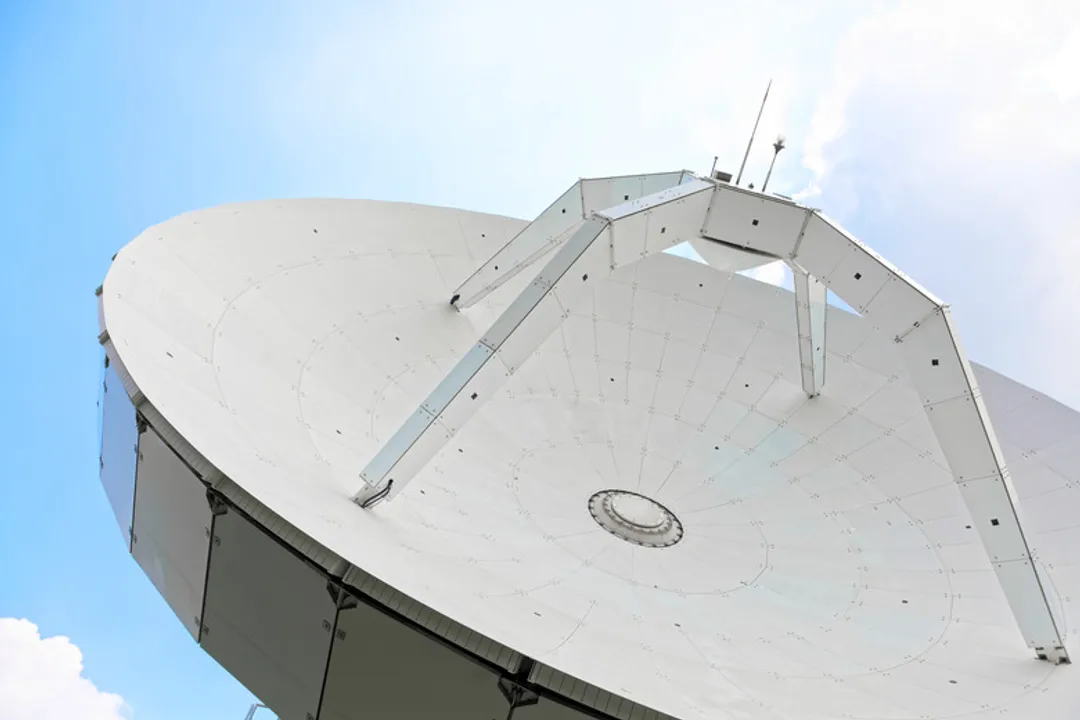
The fundamental purpose underlying all modern telescopic technology, whether situated on a mountaintop or operating in orbit, centers on maximizing light collection. A telescope functions by employing large lenses or, more commonly in research settings, precisely shaped mirrors to gather photons over a very broad area. This collected light is then concentrated onto a much smaller focal point. This process results in the essential functions of magnification and brightening, which allows instruments to detect objects far too faint for the unaided human eye, thus extending observational range significantly further into space.
Related Questions
What specific measurements could skilled users determine using the ancient astrolabe?What is the essential, primary function of any modern telescope, regardless of its deployment environment?Why do modern, large-scale research telescopes primarily utilize reflecting telescopes?What key advantage do massive ground-based telescopes possess over space telescopes regarding their physical capabilities?What scientific data do spectrographs primarily allow scientists to determine about a star by splitting focused starlight into its component wavelengths?What specialized instrument aboard the Hubble Space Telescope is used for multi-band imaging?For which specific tasks is the photometer considered essential in measuring stellar light?What specific atmospheric interference do adaptive optics systems on ground-based telescopes actively correct for?After a specialized instrument captures light, what crucial steps must occur to the resulting digital data from a modern observatory?What key advancement provided the *understanding* of what was being seen, which the telescope only provided the *ability* to see?