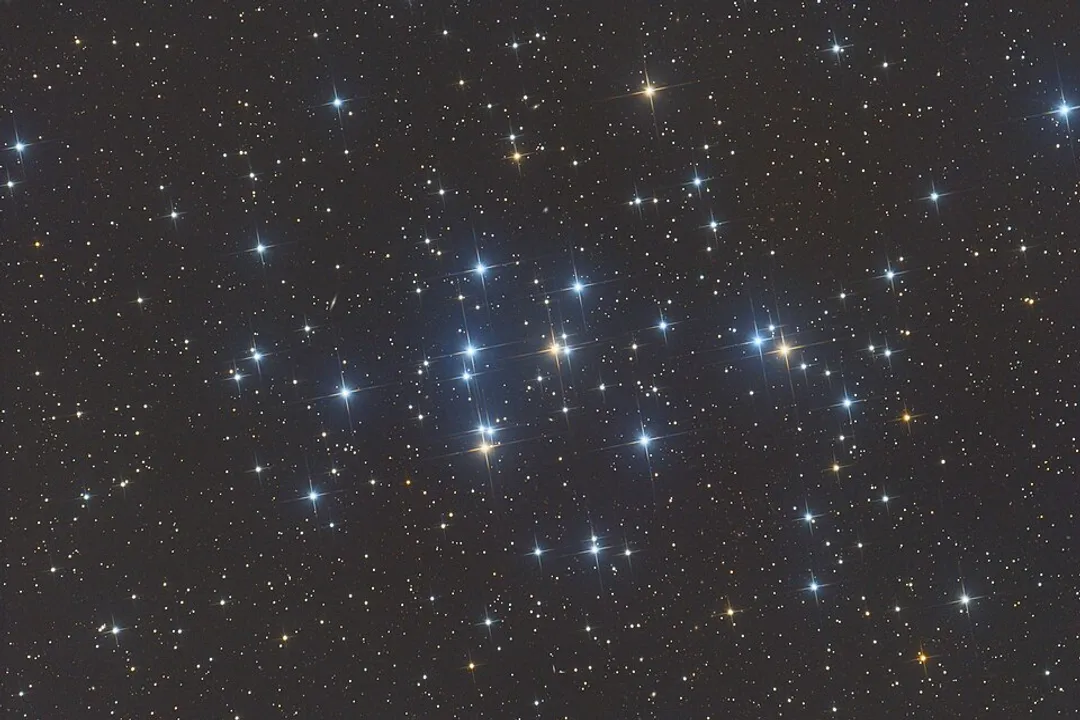
What fundamental conclusion did the age conflict between early Hubble Constant estimates and Globular Cluster ages establish?
The Universe cannot be younger than its oldest constituent stars.
An important paradox arose when early calculations of the Hubble Constant yielded an estimated age for the Universe around 10 billion years. However, initial assessments of the oldest stars contained within globular clusters suggested those stars were even older, dating between 12 to 15 billion years. Since stars must have formed *after* the Big Bang, the age derived for the oldest stars imposes a necessary lower boundary for the age of the cosmos itself. Although the paradox was resolved later by refining the Hubble Constant measurements, the existence of these ancient globular clusters provided the crucial lower limit: the Universe must be at least as old as its oldest observable stellar populations.