How do astronomers track the chemical enrichment history of the Galaxy by comparing cluster types?
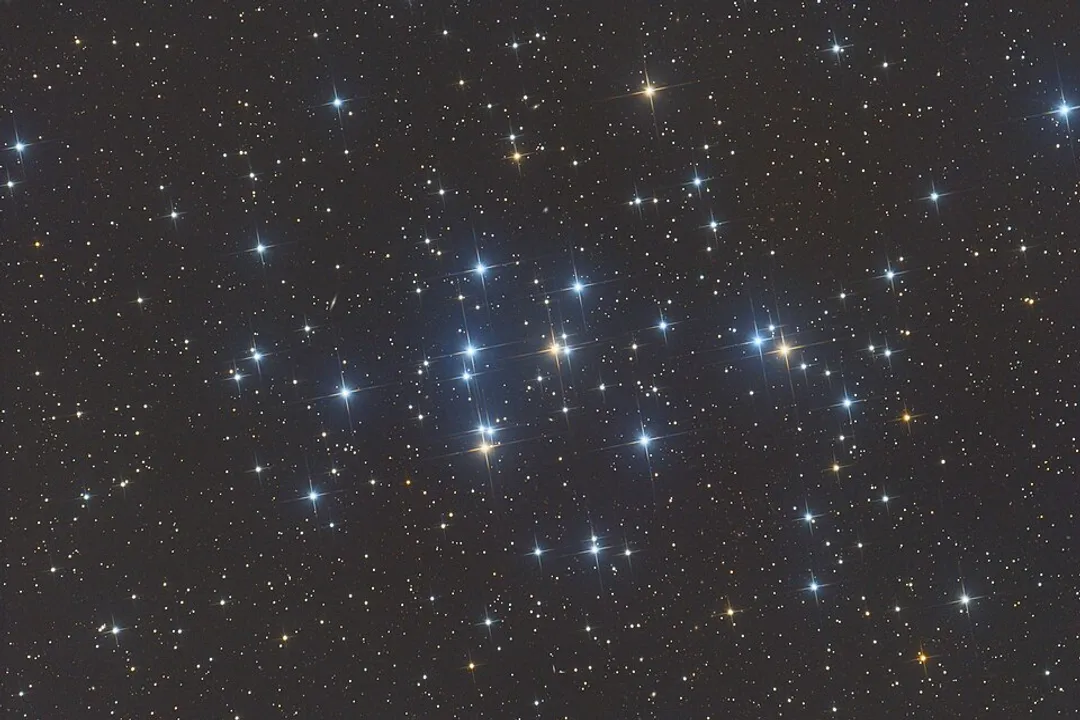
Ancient Globular Clusters are metal-poor, having formed before enrichment, while younger Open Clusters are metal-rich from incorporating prior supernovae products.
The comparison of chemical makeup between Globular Clusters and Open Clusters provides a timeline for chemical evolution in the Galaxy. Globular Clusters are ancient, meaning they formed when the interstellar medium was chemically primitive, resulting in them being characteristically metal-poor (containing fewer elements heavier than hydrogen and helium). Conversely, younger Open Clusters formed much later, after multiple generations of massive stars had lived and died, enriching the surrounding medium with heavier elements through supernova explosions. This contrast shows that open clusters are generally metal-rich, reflecting the chemical progression of the Galaxy over cosmic time.