Over what approximate timescale can the core of a massive star collapse down to a few tens of kilometers?
Mere milliseconds
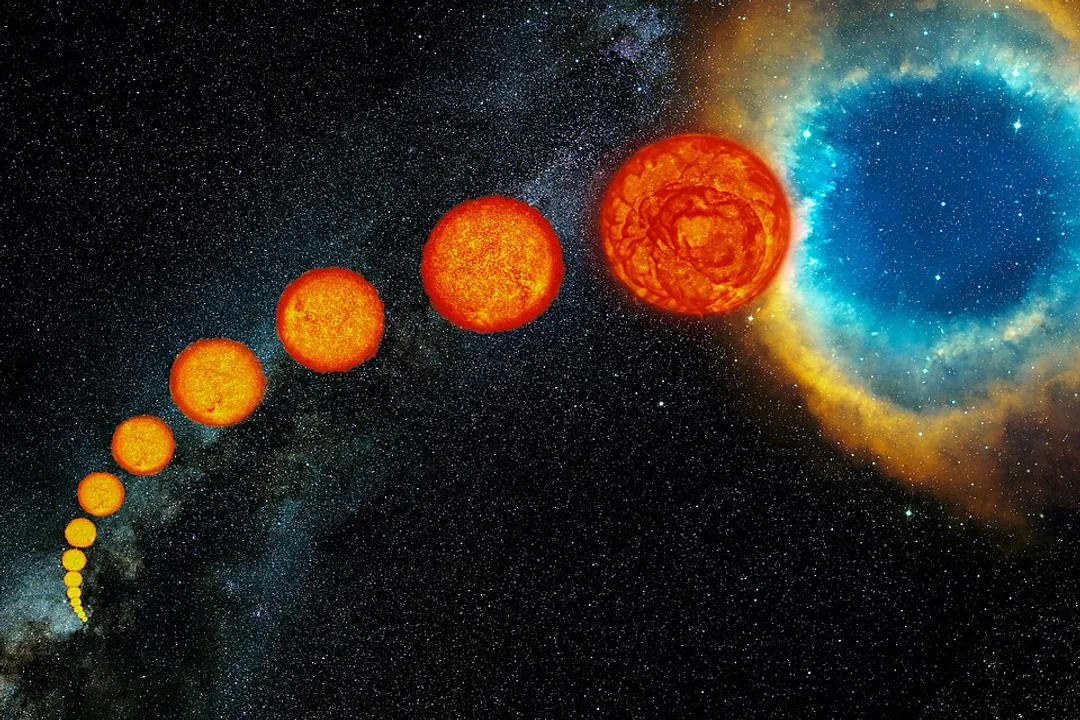
The gravitational collapse of the iron core in a massive star proceeds at a rate that defies everyday experience due to the immense pressure gradient and lack of outward thermal support once fusion ceases. Once the core is composed of iron, gravity wins immediately, initiating a collapse that crushes the core from a size comparable to the Earth down to a sphere only tens of kilometers in diameter. This implosion is astonishingly rapid, occurring within a timeframe measured in mere milliseconds. This near-instantaneous physics stands in dramatic contrast to the comparatively gradual, gentle fading processes experienced by smaller stars, emphasizing the extreme nature of the physical forces dominating the final moments of a stellar titan.