Why does the formation of an iron core mark the absolute end of stellar energy generation?
Nuclei up to iron contribute positively to binding energy upon fusion, but fusing iron requires an input of energy rather than releasing it.
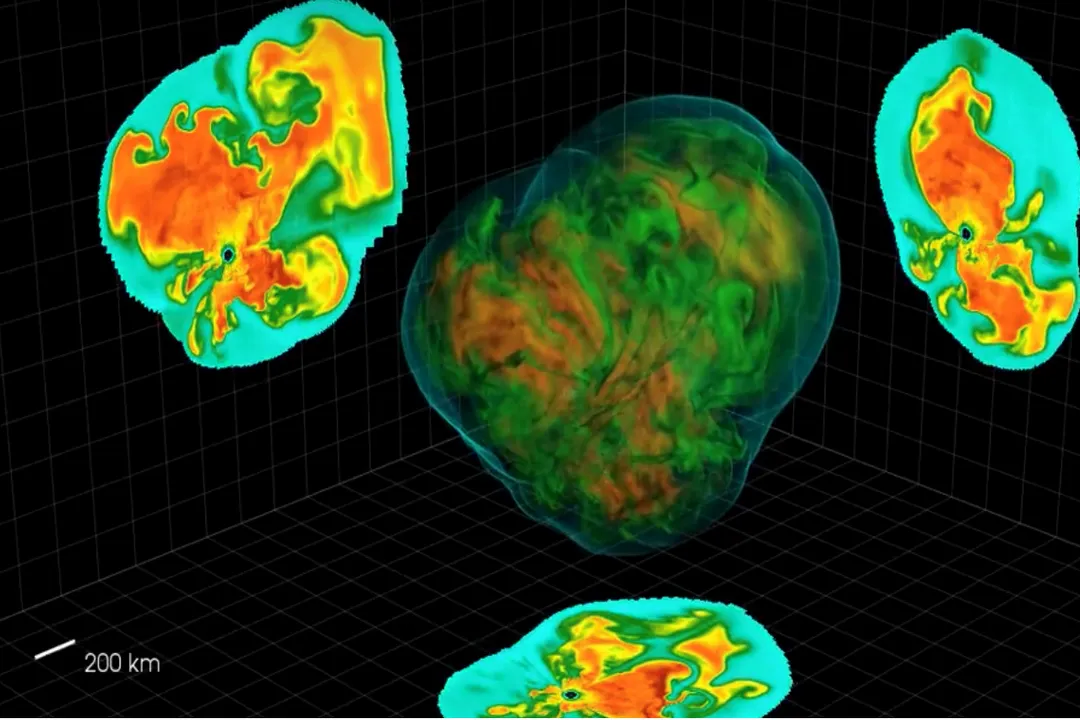
Stellar stability relies on the outward pressure generated by nuclear fusion counteracting inward gravitational force. For elements lighter than iron, combining their nuclei releases energy, contributing to this pressure. Iron is unique because it represents the peak of nuclear stability; its binding energy contribution is maximal. Consequently, when a star attempts to fuse iron nuclei together in the core, this reaction does not generate energy; instead, it consumes energy from the surrounding environment, instantaneously removing the primary source of outward pressure that was supporting the star against its colossal self-gravity. This loss of energy input triggers the catastrophic collapse.