What are the elements in a massive star?
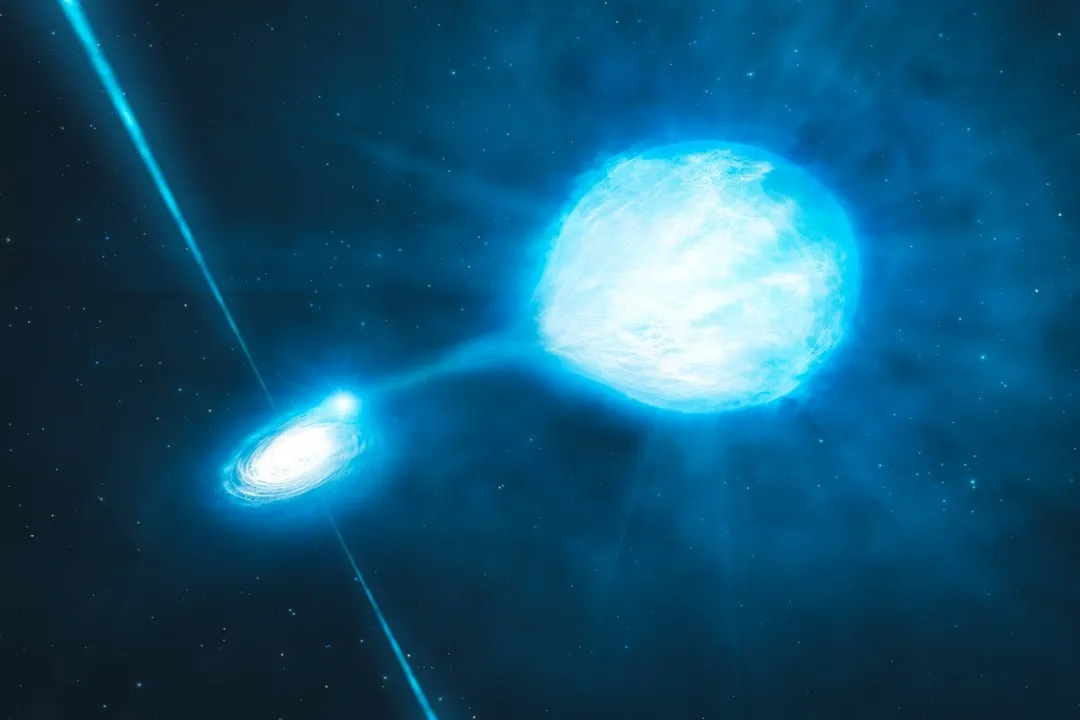
The vast majority of the elements that make up our world—the silicon in the rocks, the oxygen we breathe, and the iron in our blood—owe their existence to the fiery crucible of massive stars. These stellar behemoths, far outstripping the Sun in mass, are not merely bright lights in the night sky; they are the universe's primary element factories. Understanding what elements reside within them requires tracing their intense, albeit brief, life cycle, a process driven by nuclear fusion occurring under unimaginable pressure and heat.
# Stellar Definition
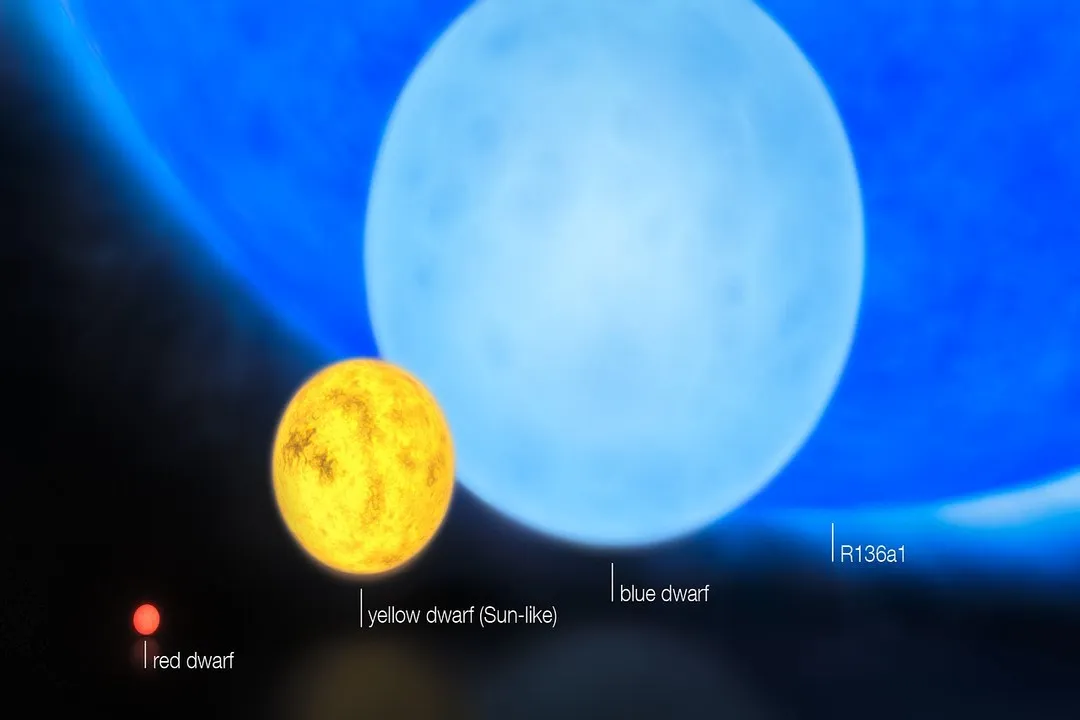
A massive star is generally defined by its initial heft, being significantly larger than our own Sun. While the exact cutoff can vary slightly depending on the context, these stars begin life with many times the Sun's mass. This extreme mass results in core temperatures and pressures high enough to ignite nuclear reactions far more aggressively than in smaller, longer-lived stars. Because their energy output is proportional to a high power of their mass, they deplete their nuclear fuel at an alarming rate.
# Hydrogen Burning
Like all true stars, the life of a massive star begins with the fusion of hydrogen nuclei into helium in its core. However, due to the greater gravitational forces squeezing the core, the temperature needed to overcome the electrical repulsion between protons is reached much faster and maintained more intensely. This process, known as the proton-proton chain or the CNO cycle in more massive stars, produces energy that counteracts gravity, stabilizing the star for a period. For the most massive stars, this hydrogen-burning phase might last only a few million years, a mere blink in cosmic terms, compared to the billions of years our Sun has dedicated to this stage.
# Layered Synthesis
The defining characteristic of a massive star's elemental makeup is its internal architecture during later life stages: it builds a structure resembling an onion, with different elements fusing in concentric shells around an inert core. Once the central hydrogen is exhausted, the core contracts and heats up until the temperature is high enough to fuse helium into heavier elements, primarily carbon and oxygen.
The speed at which these subsequent stages occur is staggering. While hydrogen burning might take millions of years, the following stages occur in progressively shorter timescales as the core temperature climbs with each contraction.
- Helium Burning: Fuses helium into carbon and oxygen.
- Carbon Burning: Once helium runs out, carbon fuses to create neon, sodium, and magnesium.
- Neon Burning: Produces oxygen and magnesium.
- Oxygen Burning: Creates silicon and sulfur.
- Silicon Burning: This is the final energy-generating stage before collapse, converting silicon into a dense mix of elements centered around iron and nickel.
This layered progression shows an elegant, albeit violent, path up the periodic table. An observer peering into a sufficiently massive star just before its dramatic end would see distinct shells, each fusing the product of the shell just outside it.
An interesting consequence of this rapid layering is how trace elements show up. For instance, while carbon fusion is often cited as creating neon and magnesium, the presence of trace amounts of sodium or even small amounts of heavier elements like phosphorus in these outer shells depends sensitively on the exact initial mass and metallicity of the star, showcasing that the final composition isn't perfectly clean-cut between stages.
# The Iron Limit
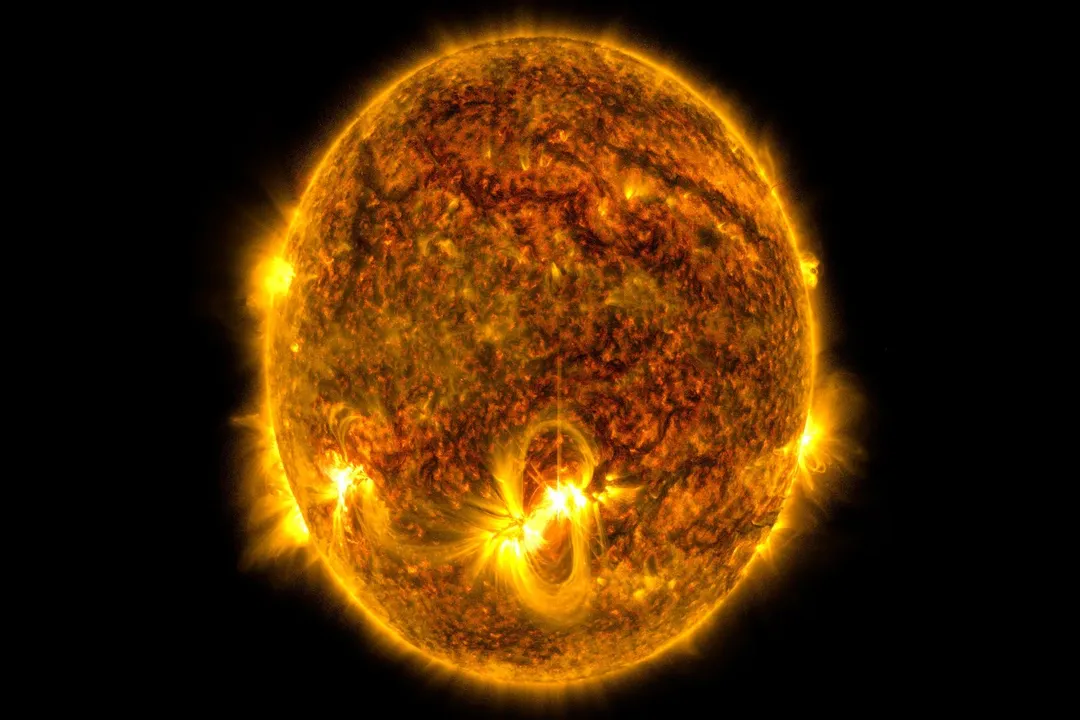
The fusion process grinds to a halt when the core becomes predominantly composed of iron () or nickel. Iron holds a unique place in stellar nucleosynthesis because it possesses the highest binding energy per nucleon of any element. This means that while fusing lighter elements releases energy (which supports the star against gravity), fusing iron requires an input of energy.
When the core turns to iron, the star loses its primary energy source abruptly. The outward thermal pressure sustaining the star vanishes, and gravity wins the final, catastrophic battle. This marks the transition point where the star switches from being a generator of energy to being the catalyst for creating the very heaviest elements through explosive means.
# Elements Beyond Iron
The elements up to iron are forged during the star's life through the slow, progressive fusion shells described above. However, the elements heavier than iron—such as gold, uranium, and lead—cannot be created through standard fusion because they require an energy input. These heavier elements are created in the immediate aftermath of the core reaching the iron limit, during the star's spectacular demise: the supernova explosion.
The extreme neutron density created in the microseconds following core collapse drives processes called neutron capture:
- The s-process (slow neutron capture): This process can occur in AGB stars (less massive, evolved stars), but the most significant production of the very heaviest elements happens during the explosion itself.
- The r-process (rapid neutron capture): This is the primary mechanism for creating the heaviest, most neutron-rich elements. The environment during a core-collapse supernova explosion provides the necessary flood of free neutrons that bombard existing iron-peak nuclei, allowing them to rapidly absorb many neutrons before they have time to radioactively decay.
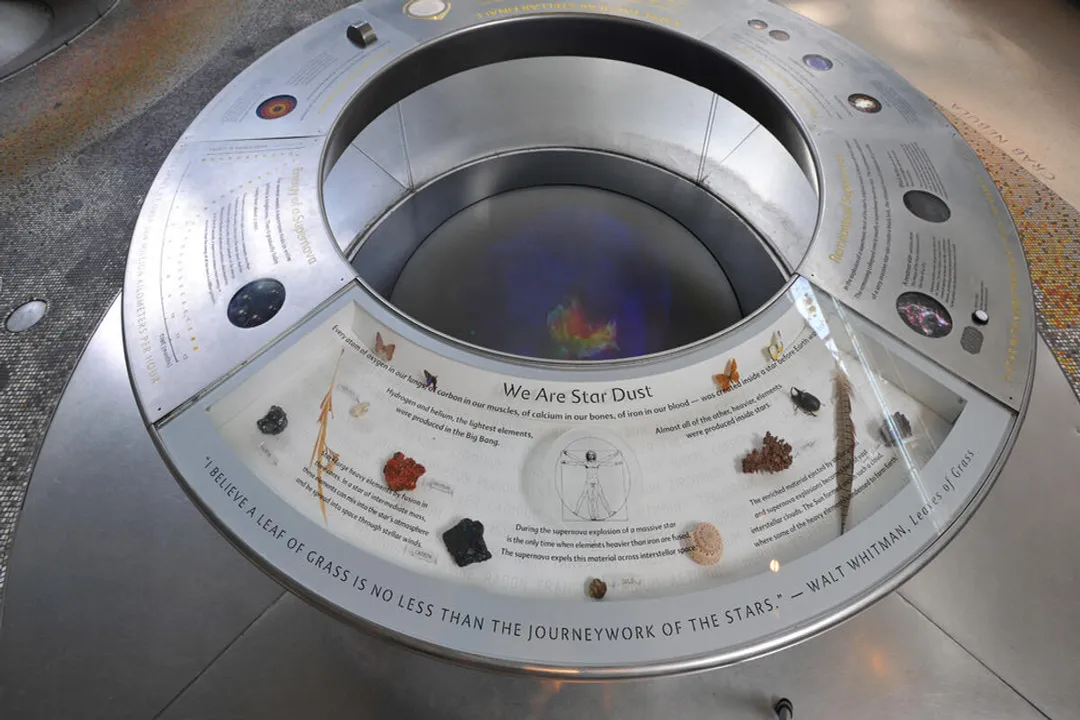
It is during this explosive event that the elements like gold, platinum, and uranium are synthesized and then violently ejected across the cosmos, seeding the next generation of stars and planetary systems. A second or third generation star, like our own Sun, carries a higher proportion of these "metals" (elements heavier than helium) precisely because it formed from the remnants of such earlier, massive stellar deaths.
# Stellar Wind Contribution
While the supernova is responsible for the creation and dispersal of the heaviest elements, massive stars are also chemically active before they explode. They shed significant amounts of their outer layers through powerful stellar winds throughout their lives. These winds are primarily composed of the lighter elements they have processed, often enriched with products from the helium and carbon burning stages. This steady outflow continuously replenishes the interstellar medium with processed material, including significant quantities of elements like carbon, oxygen, and nitrogen.
In summary, the elements within a massive star at any given time vary dramatically depending on its evolutionary stage. Initially, it is mostly hydrogen and helium. During its short active life, it becomes an onion of hydrogen, helium, carbon, neon, oxygen, silicon, and finally, an iron core. Upon collapse, the iron core triggers a supernova which, through the r-process, cooks the heaviest elements, while the resulting explosion scatters the entire range of newly synthesized material—from processed helium to the rarest heavy metals—into the galactic environment.
Related Questions
#Citations
Star Basics - NASA Science
Stellar nucleosynthesis - Wikipedia
The Elements: Forged in Stars | PBS LearningMedia
Fusion of elements inside heavy stars - Astronomy Stack Exchange
Massive stars - Professor Paul Crowther
Massive Star | Definition & Life Cycle - Lesson - Study.com
Extreme conditions in stars produce the universe's heaviest elements
We Are Stardust | AMNH
Why do second and third gen stars contain heavier elements that the ...