What is the source of energy as a star evolves from an interstellar cloud to the protostar stage?
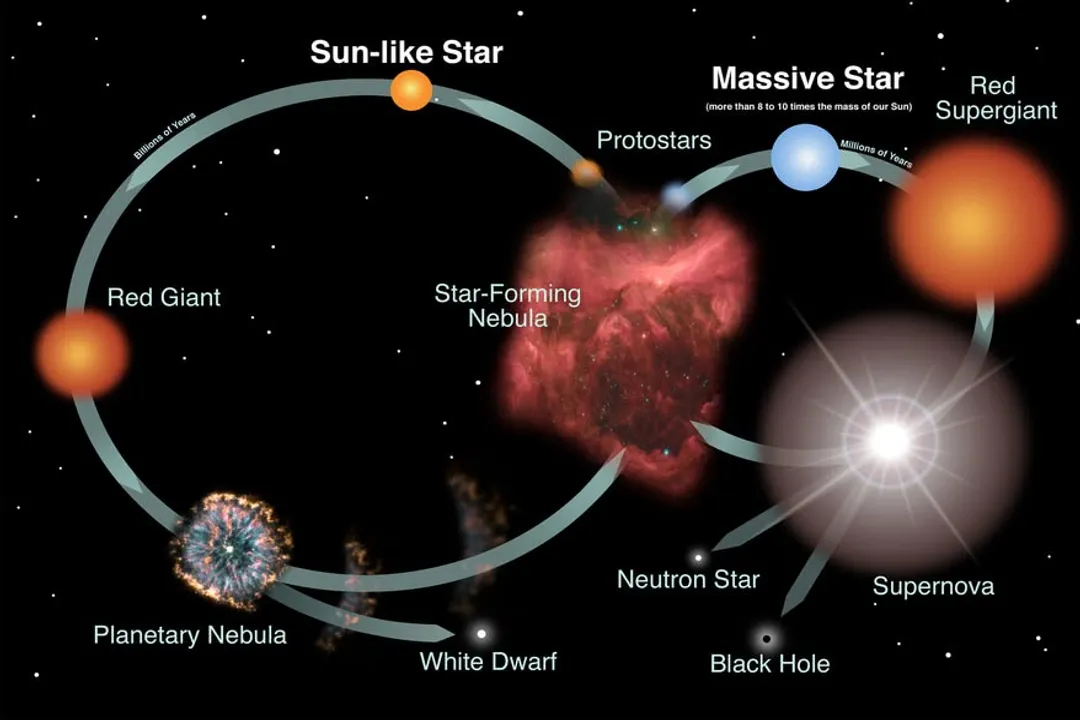
The process by which a star is born begins in the cold, dark reaches of space, originating from vast reservoirs of material known as interstellar clouds. [3][6] These clouds, sometimes referred to as nebulae, are not empty voids but rather complex mixtures dominated by molecular hydrogen and helium, interspersed with trace amounts of heavier elements and dust grains. [3][9] For an object like our Sun to begin forming, a specific region within one of these massive, low-density clouds must overcome the outward pressure of its own particles and begin to contract.
# Interstellar Matter
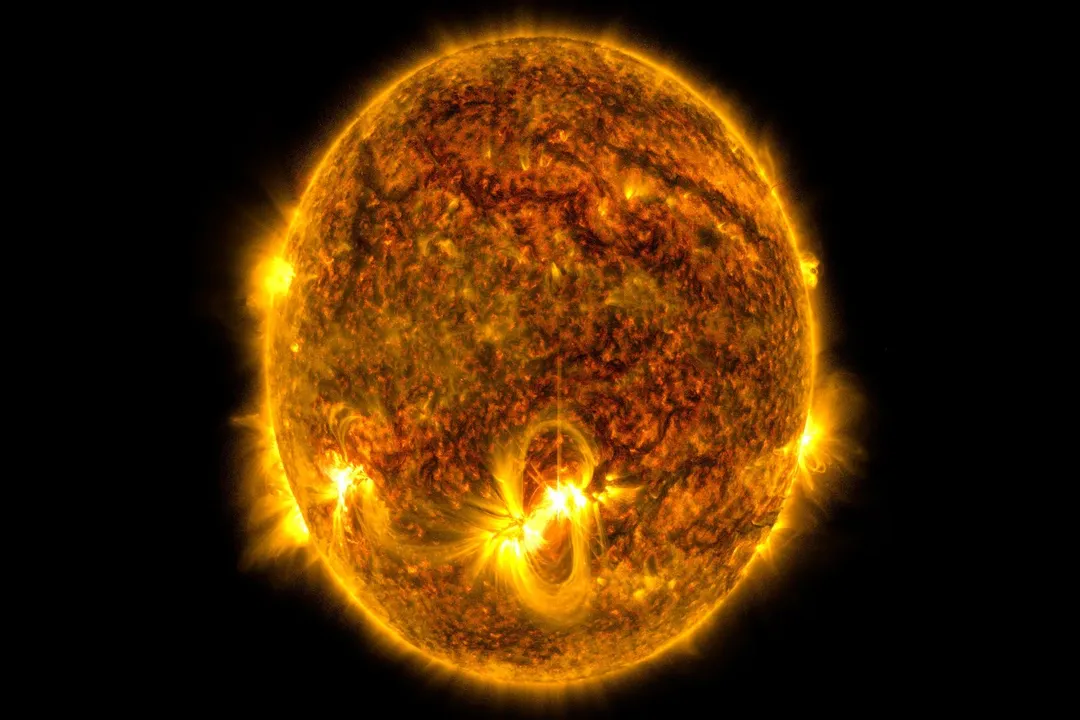
The raw material for star birth is inherently cold, often just tens of degrees above absolute zero. [9] Despite this frigid temperature, these regions harbor enough mass to create hundreds or even thousands of solar-mass stars. [3] The key condition for starting the process isn't necessarily high temperature, but rather high density in localized pockets within the cloud. [4][9] If the cloud were uniformly dense, its own slight internal thermal pressure would resist collapse.
# Gravitational Collapse
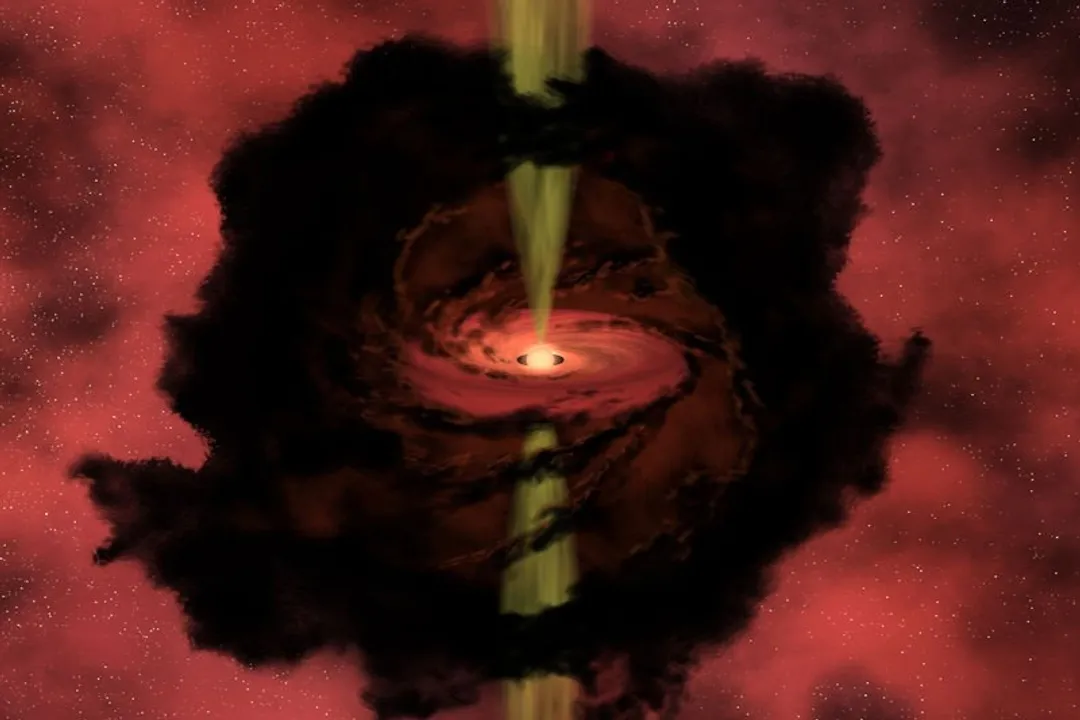
The actual engine driving the initial transformation from a diffuse cloud segment into a star is gravity. [4][6][10] When a section of the cloud becomes sufficiently dense, its self-gravity begins to dominate over the thermal pressure attempting to push outward. [5] Star formation is often triggered externally; a passing shockwave from a nearby supernova explosion, or the collision between two molecular clouds, can compress the gas just enough to initiate this irreversible inward fall. [4][9] It is fascinating to consider that the very seeds of stars are often tiny, random statistical fluctuations in density across the cloud. These small over-densities, perhaps only slightly higher than their surroundings, are the locations where gravity gains the necessary localized advantage to start accumulating more mass against the general outward expansion or pressure of the larger cloud structure. [9]
# Energy Conversion
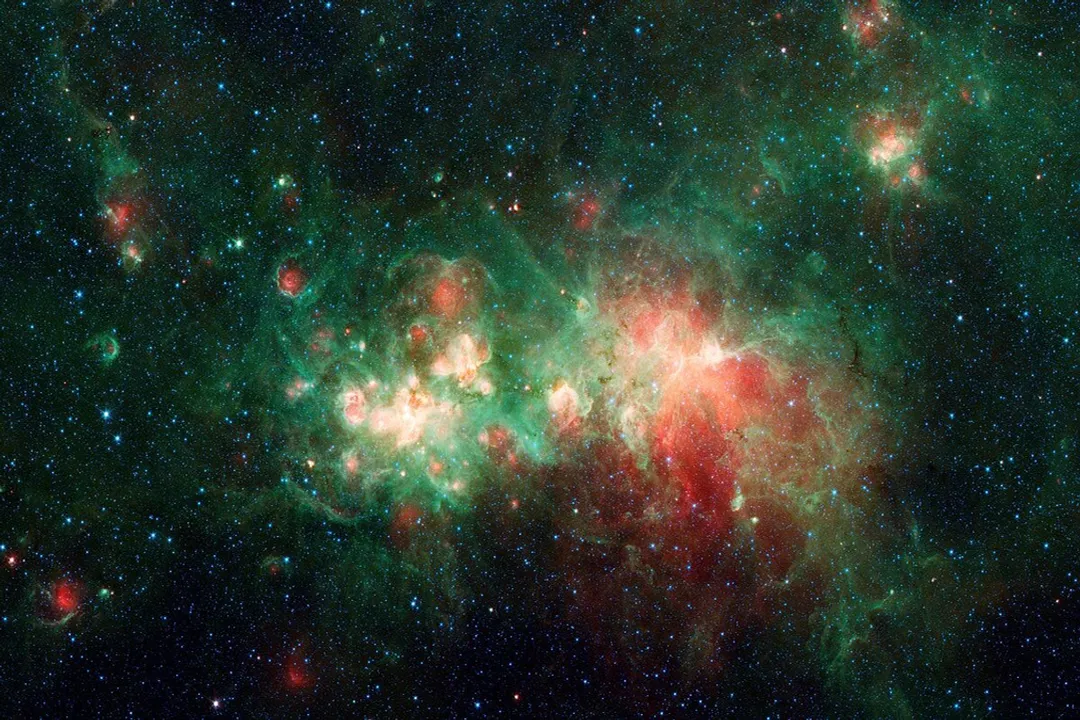
As the gas and dust fall inward toward the center of the collapsing clump, the source of energy powering this dramatic event is not yet nuclear fusion—that process requires much higher core temperatures—but rather the conversion of gravitational potential energy into thermal energy (heat). [2][5][7] Every time a particle drops closer to the center of mass, its potential energy decreases, and this lost energy must be conserved, primarily manifesting as an increase in kinetic energy. [5] The particles speed up, and as they collide with other particles—the very definition of increasing temperature—the central region begins to heat up tremendously. [7] This process is fundamentally how a star ignites its birth stages.
Consider a simple analogy: if you compress a gas rapidly in a cylinder, it gets hot. In star formation, gravity acts as the universe’s largest compressor, driving this thermal runaway. [5] The conversion of potential energy to heat means that the collapse itself is the energy source, allowing the object to shine brightly long before hydrogen atoms fuse into helium. [2][7]
# Protostar Emergence
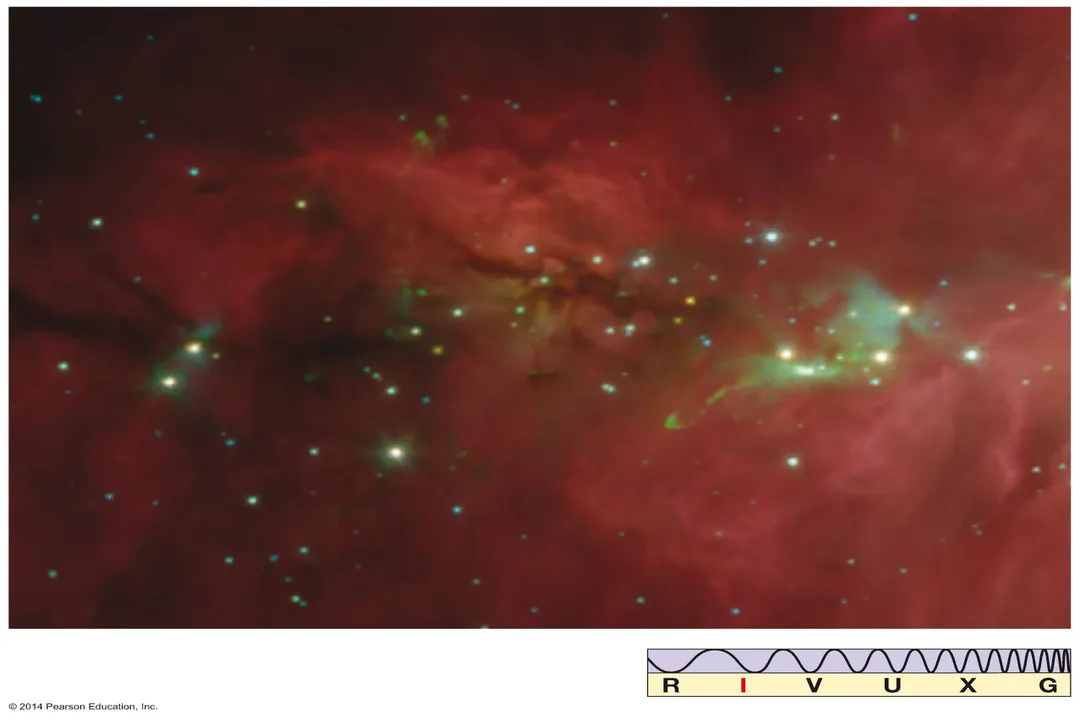
This collapsing, heating core, still shrouded by the infalling material of the parent cloud, is what astronomers call a protostar. [6][8] A protostar is defined as an object that is not yet generating energy through sustained core nuclear fusion, but is powered solely by the energy released from its continuing gravitational contraction. [2][8]
Because the object is still embedded deep within the thick cocoon of gas and dust from which it formed, it is often invisible in the light we see with our eyes. [8] The dust effectively traps the visible light generated by the core’s heat. However, this heat is efficiently radiated away in the longer wavelengths of infrared radiation. [8] Therefore, astronomers study these nascent stars by observing the characteristic infrared glow escaping through the dust envelope. [8]
The contraction phase releases enormous amounts of energy. While the main sequence star (like the Sun on the hydrogen-burning phase) generates energy at a steady rate via fusion, the protostar's luminosity comes from the ongoing collapse. [7] If we were to compare the total energy released over the lifetime of a low-mass star’s contraction phase versus its later main-sequence life, the pre-main-sequence phase, though shorter, often releases a greater total amount of energy per unit mass because the rate of gravitational energy release is so intense early on when the radius is large and the gravitational potential difference is significant. [2] This rapid energy release dictates the initial evolutionary track on diagrams charting stellar properties.
# Fusion Ignition
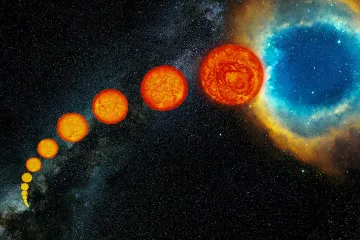
The gravitational contraction cannot continue indefinitely. As the protostar gathers more mass, the pressure and temperature at its very center continue to climb relentlessly. [4] The stage of contraction and heating persists until the core reaches a critical threshold: approximately 15 million Kelvin. [7] At this extreme temperature and corresponding pressure, the kinetic energy of the hydrogen nuclei is finally high enough to overcome their mutual electrostatic repulsion, allowing the strong nuclear force to take over and initiate sustained nuclear fusion—specifically, the fusion of hydrogen into helium. [2][7]
Once thermonuclear fusion takes hold and generates enough outward pressure to perfectly balance the inward crush of gravity, the object stops contracting and settles onto the main sequence. [2][7] At this moment, it officially graduates from being a protostar to a true, self-sustaining star, like our Sun, powered by the stable conversion of mass to energy in its core. [7]
Related Questions
#Citations
Chapter 14 Connect Homework Flashcards | Quizlet
Star Basics - NASA Science
Star formation - Wikipedia
Chapter 19, Section 2
The formation of a star begins as a cloud of gas and dust - Facebook
Astronomy 122 - Star Formation
Protostar - Las Cumbres Observatory
Star formation - Astronomy 1101 - The Ohio State University
Protostars | American Scientist