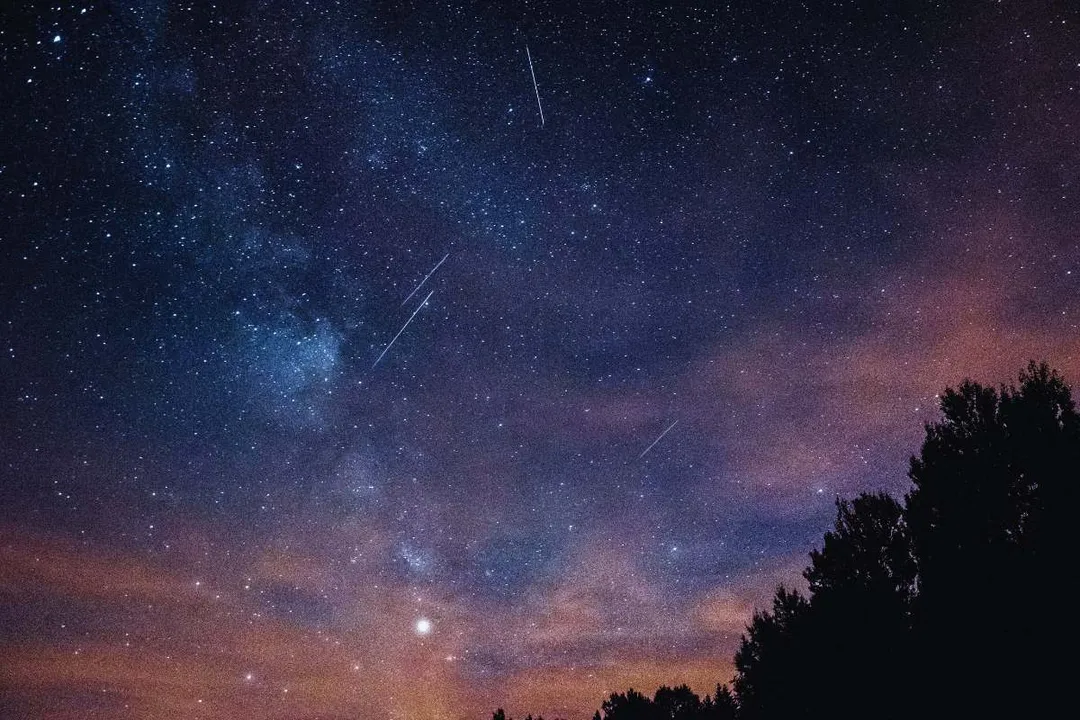
How does light pollution typically affect the count during a major shower like the Geminids?
It drowns out the fainter background meteors, leaving only bright fireballs visible.
Light pollution, originating from urban sources like streetlights and vehicles, is one of the most common causes of viewing disappointment because it severely degrades sky darkness. This artificial light essentially washes out the night sky, making the subtle, fainter meteors—which usually constitute the bulk of a shower's total count—invisible. While very bright meteors, sometimes called fireballs, might still be occasionally visible even under moderately bright skies, the majority of the lower-magnitude streaks that contribute significantly to the overall hourly count are completely obscured by the artificial glow. For example, an observer in a dark rural location might count 100 meteors per hour while a city dweller might only register five or six bright streaks in the same timeframe.