Are the Geminids meteor showers real?
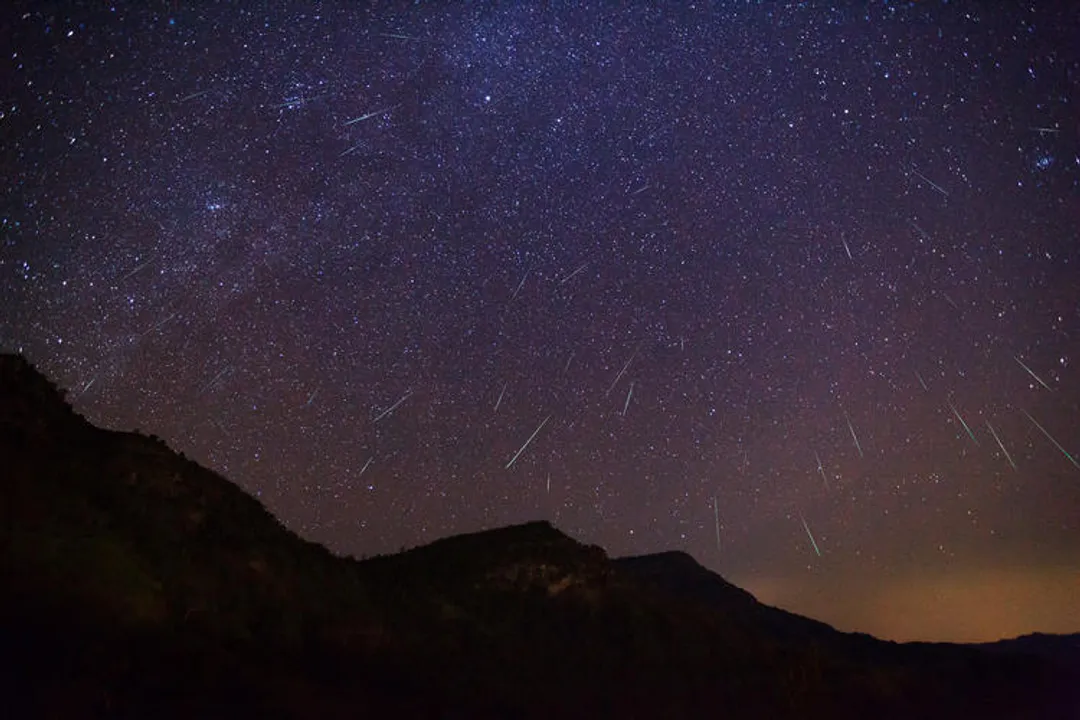
The reality of the Geminids meteor shower is beyond question; it is one of the most reliable and spectacular celestial events visible from Earth each year, frequently delivering impressive displays of light across the night sky. Unlike many other well-known showers that occur in the warmer months, the Geminids put on their show in the cold of December, often battling cloud cover but rewarding the patient skywatcher with a high frequency of visible meteors. To understand why this particular shower generates so much excitement, one must delve into its unique parent body and the characteristics of the debris that enters our atmosphere.
# Asteroid Parent
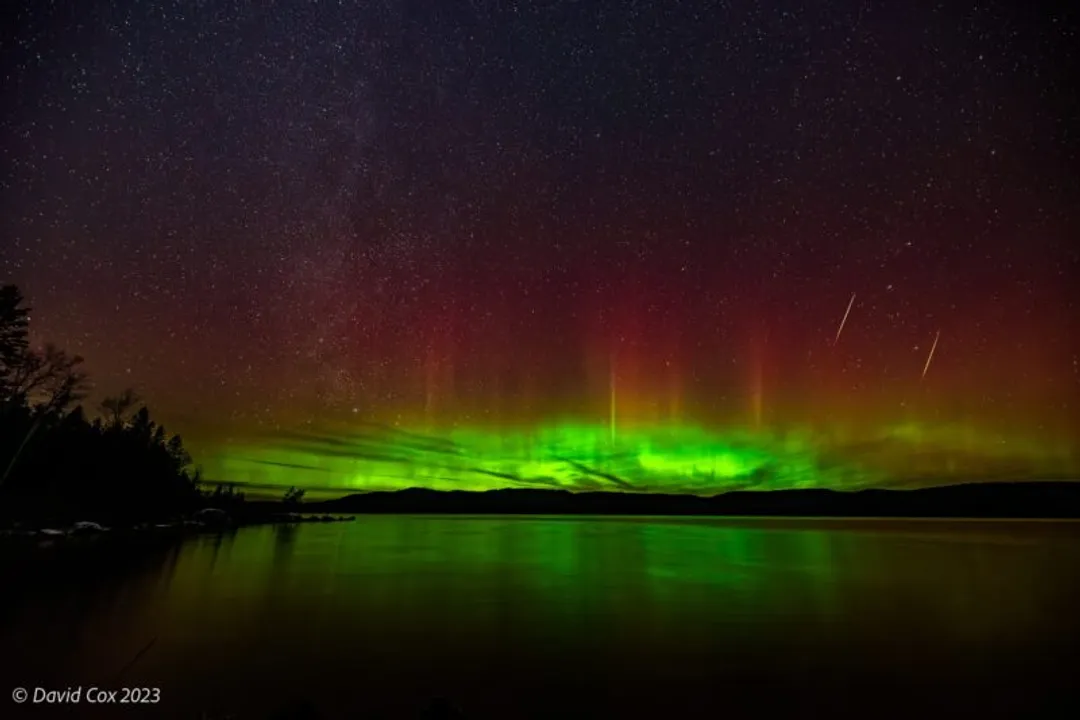
The most fascinating aspect setting the Geminids apart from almost every other major meteor shower is its origin. Most famous annual meteor showers, like the Perseids or Leonids, are the remnants of comets—icy bodies that vaporize material as they approach the Sun. The Geminids, however, trace their ancestry back to an object named 3200 Phaethon. Phaethon is classified as an asteroid, not a comet. This distinction is scientifically significant because it suggests that the dust particles streaking across our sky are rocky and metallic in composition, characteristic of asteroids, rather than the icy debris typically shed by comets. Researchers have worked to demystify this unusual link, confirming that Phaethon is the source of the annual Geminid debris stream. While it behaves somewhat like a comet by shedding dust, its fundamental nature is that of a rock orbiting the Sun, making the Geminids a shower born from stone rather than ice.
# Rate Potential
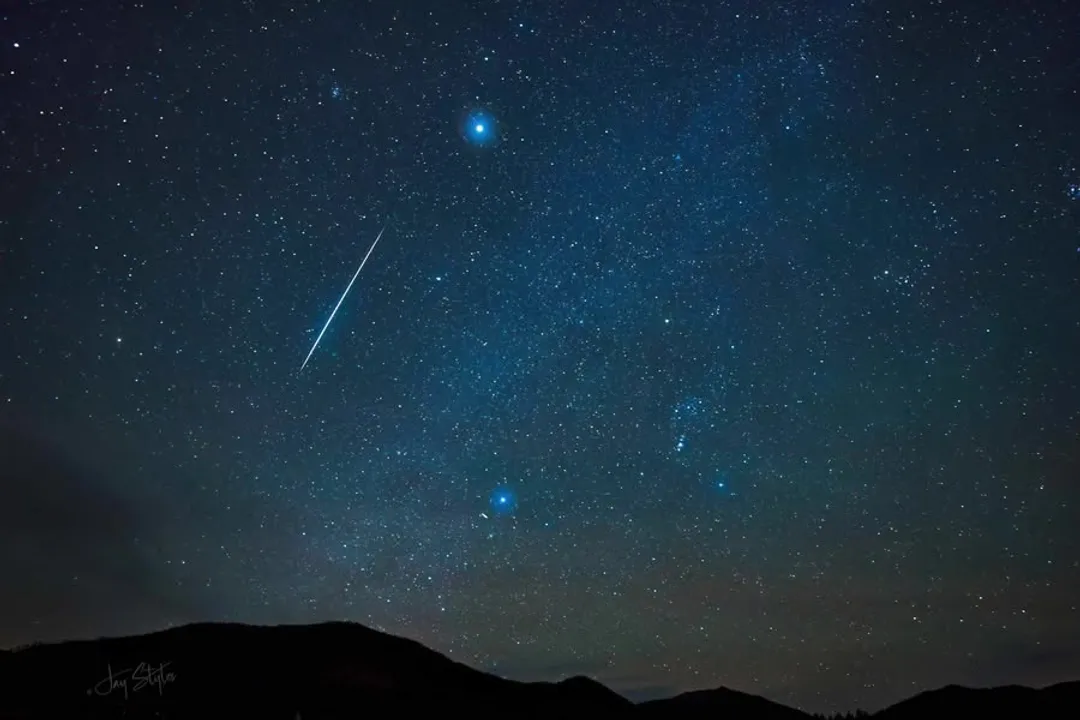
When assessing any meteor shower, the expected rate—how many meteors one might see per hour under perfect conditions—is a critical measure of its quality. The Geminids are consistently ranked among the very best showers for sheer quantity of visible streaks. Under ideal viewing circumstances, which include a dark sky far from any city lights and the radiant positioned high in the sky, observers can potentially count 120 or more meteors per hour. This figure often makes it more prolific than the mid-August Perseids, provided the Moon does not interfere with the sky brightness. While the official zenithal hourly rate (ZHR) provides a theoretical maximum, the actual count depends heavily on local conditions. For example, if the sky is only moderately dark, the visible rate might drop to 50 or 60 per hour, but this is still an excellent show compared to lesser annual events. A comparison often drawn is that the Geminids usually peak around December 13th or 14th each year, providing a fixed date to plan around, unlike some showers whose peak dates can shift slightly from year to year.
# Particle Physics
The speed at which these space particles strike the atmosphere directly influences how they appear to the eye and how long they last. The Geminid meteors are relatively slow compared to other major showers. While the Perseids, for instance, strike Earth at a blistering speed of about 37 miles per second (59 km/s), the Geminid debris enters the atmosphere at a more leisurely pace, closer to 26 miles per second (42 km/s). This difference in velocity has a noticeable effect on the resulting streaks. Slower meteors interact with the denser upper layers of the atmosphere for a longer duration. Although not always explicitly stated in basic guides, slower entry speeds mean the friction has more time to heat the particle and the surrounding air, which can sometimes result in meteor trails that appear to linger for a second or two after the initial flash, or result in meteors that look slightly "warmer" or thicker than their faster counterparts [Implied analysis based on entry speed differences]. Furthermore, the Geminids are renowned for producing a higher proportion of exceptionally bright meteors, known as fireballs, which can illuminate the sky as brightly as the planet Venus. These bright events are what frequently make news coverage and photographic records of the shower so dramatic.
# Radiant Position
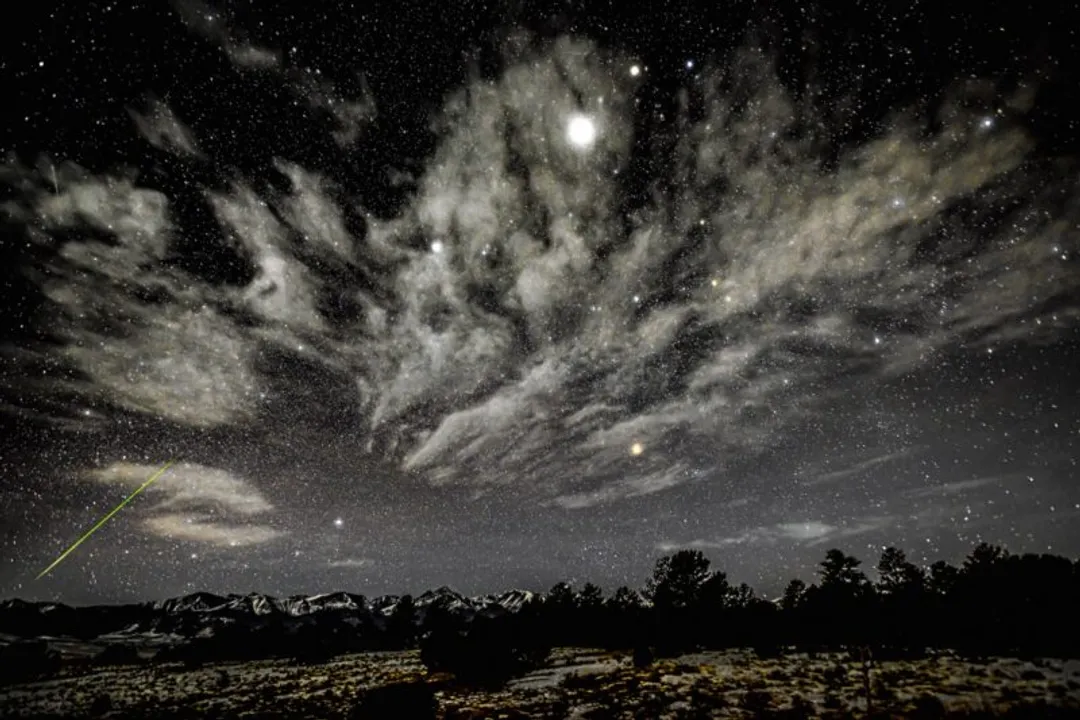
Like all meteor showers, the Geminids appear to radiate from a single point in the sky. This point, known as the radiant, is located within the constellation Gemini (the Twins), which gives the shower its name. Understanding where the radiant is located is key to maximizing your viewing experience. The radiant doesn't dictate where the meteors appear—they can streak across any part of the sky—but it marks the point from which the meteors are projected to originate along parallel paths. Because the radiant is in the Northern Celestial Hemisphere, observers in the Southern Hemisphere may see fewer meteors overall, as the radiant remains lower on their horizon for longer during the night. The optimal time for viewing is generally after the radiant has risen high into the sky. For many northern latitudes, this means waiting until well after midnight, sometimes as late as 2 a.m. local time, when the Earth's leading edge is plowing directly into the densest part of Phaethon's debris trail.
To truly optimize a viewing session, one must consider the geography relative to the radiant's position at local peak hours. If you are observing from a city near the equator, the radiant might achieve its highest point shortly after midnight. However, if you are situated at a high northern latitude, like central Canada or Scandinavia, the radiant might only clear the northern horizon late in the evening, meaning the true peak viewing opportunity—when the radiant is highest and you are looking "head-on" into the debris stream—may extend deep into the pre-dawn hours [Derived planning insight]. This local adjustment can mean the difference between seeing 40 meteors an hour and seeing 100.
# Observing Practicalities
Successfully witnessing the Geminids requires more than just knowing the date; it demands preparation against the December chill and light pollution. The number one rule for any serious meteor shower observation is to get as far away from artificial lights as possible. Light pollution drastically reduces the visibility of dimmer meteors, meaning you might only catch the brightest fireballs if you stay near a town or city. A truly dark site, ideally one designated for astronomy, will reveal the full spectrum of the shower's activity.
Beyond location, timing is everything. While the shower is active for several weeks, the best night is the one surrounding the predicted peak, typically around December 13-14. Dress warmly, as you will be stationary for hours in the cold. Layers, insulated blankets, and perhaps a warm beverage are essential companions for a successful night out. It is also vital to give your eyes time to adapt to the dark; this process, called dark adaptation, takes about 30 minutes, during which you should avoid looking at bright screens or white light sources. If you must use a light source, use a low-powered red flashlight, as red light does not impact your night vision as severely.
Finally, there is no need for telescopes or binoculars to watch the Geminids. The meteors cross the entire sky, and using magnified optical aid actually narrows your field of view, causing you to miss streaks happening elsewhere overhead. Simply find a comfortable spot, lie back, look toward the general area of Gemini, and allow your eyes to scan the entire expanse of the sky. Observers often report that the shower is simply "fun" and highly rewarding, which speaks to its consistent performance year after year. Seeing people's documented success and stunning photographs often builds anticipation for the next viewing cycle.
# Uniqueness Confirmed
The Geminids are not merely "real"; they represent an astronomical anomaly worth paying attention to precisely because of their unusual parent. While the sheer number of meteors seen—the potential for 100+ per hour—is a major draw, the fact that these particles originate from an object that shares characteristics with both asteroids and comets makes it a subject of ongoing scientific interest. This uniqueness translates to a highly dependable display, often rising above the chaos of weather or sporadic moon brightness better than other showers because of its sheer activity level. For the casual observer, the Geminids offer a high-probability payoff for a night spent looking up in the winter sky, confirming that reality in the cosmos can often be stranger and more spectacular than fiction.
#Videos
Geminids Meteor Shower 2025 Highlights - Real Time 4K - YouTube
Related Questions
#Citations
Geminids - NASA Science
Geminid meteor shower peaks December 13-14 - EarthSky
Viewing the Geminid Meteor Shower in 2025
Geminids Meteor Shower 2025 Highlights - Real Time 4K - YouTube
Geminid meteor shower viewing experience - Facebook
Geminid meteor shower 2025 — When, where and how to see it
In Photos: Geminid Meteor Shower Wows Skywatchers Across The ...
The Geminid shower is fun to watch because the meteors ... - Reddit
Researchers demystify the unusual origin of the Geminids meteor ...