What are Geminid meteors?
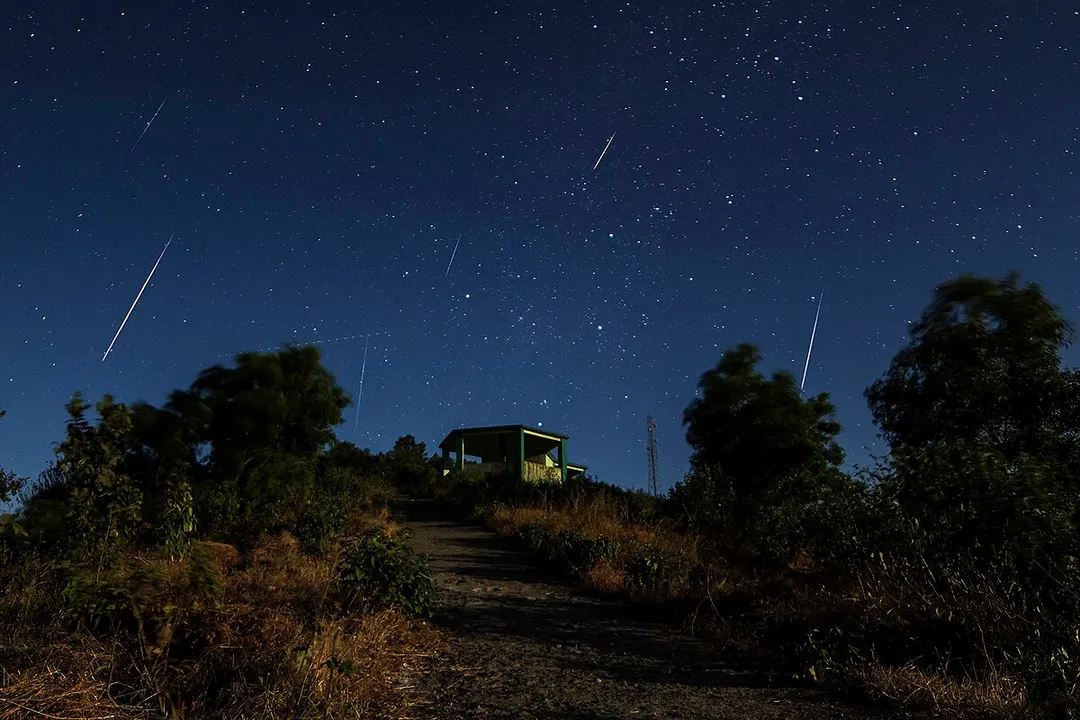
The Geminid meteor shower stands out annually as one of the most reliable and often spectacular celestial events visible from Earth, typically gracing the December night sky. [3][5] When stargazers talk about "shooting stars," they are describing small particles, often no bigger than a grain of sand, burning up upon entry into our planet's atmosphere at tremendous speeds. [1] What sets the Geminids apart, however, is not just their predictable abundance, but the truly unusual nature of their source material, which challenges the typical understanding of how meteor showers form. [2][6]
# Shower Origin
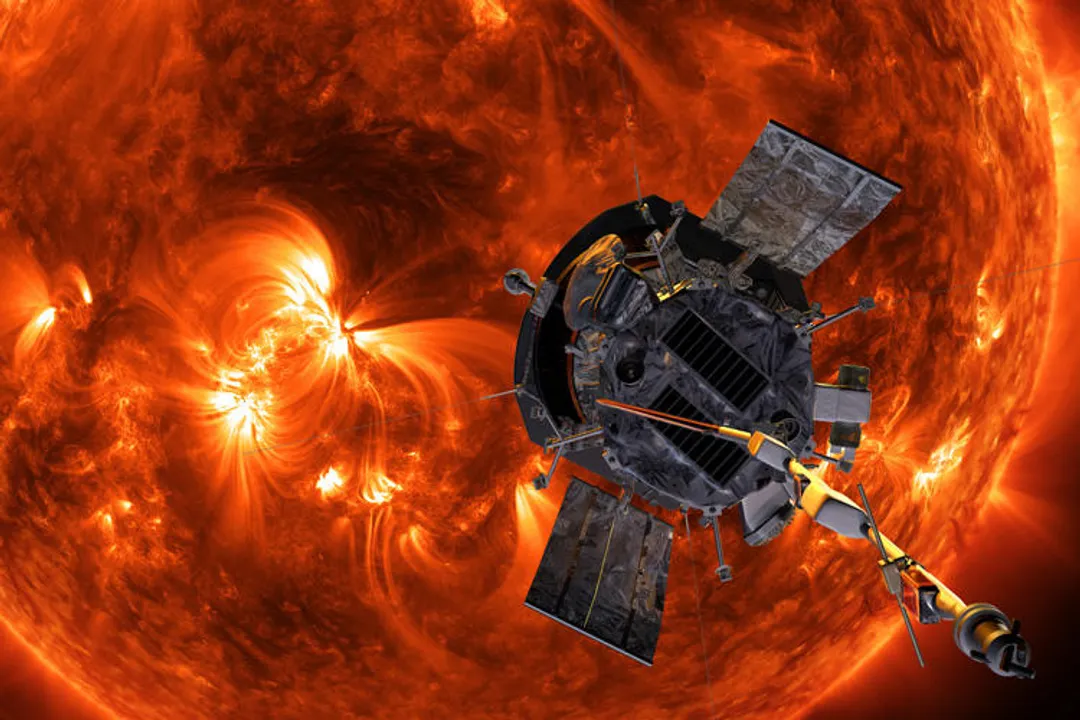
Like all meteor showers, the Geminids occur when Earth, in its annual orbit around the Sun, plows directly through a trail of dusty debris left behind by a celestial body. [1] This debris trail is essentially a river of tiny particles spread out along the object’s orbit. [1] As these particles slam into our atmosphere, they create the bright streaks of light we observe, which appear to radiate from a single point in the sky known as the radiant. [1][3] For the Geminids, this radiant point is located in the constellation Gemini, the Twins, giving the shower its name. [1][2] The activity generally begins around the start of December and can last well into late January, though the peak viewing window is brief and intense. [1]
# Parent Body
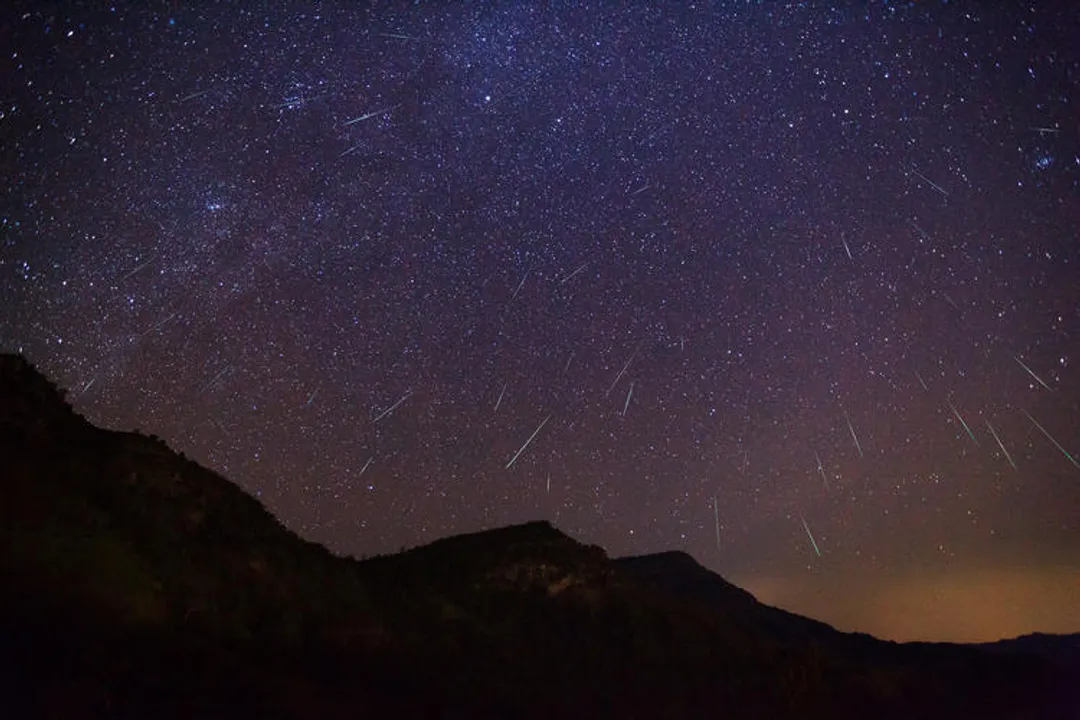
The single most fascinating aspect of the Geminids is the object responsible for seeding this stream of meteoroids: the asteroid 3200 Phaethon. [2][6] This fact immediately separates the Geminids from nearly every other major annual shower, such as the Perseids (which come from Comet Swift-Tuttle) or the Leonids (from Comet Tempel-Tuttle). [4][5] Meteor showers are overwhelmingly linked to comets, which are essentially "dirty snowballs" that heat up near the Sun, causing ice to sublimate and release dust particles into space. [4]
Phaethon, however, is fundamentally different; it is classified as a rocky, spent asteroid. [2][4] Researchers have worked to demystify this anomaly, observing that Phaethon behaves like a comet despite its asteroid classification. [4] It ejects dust streams, which is what produces the Geminids, yet it appears to lack the large ice component typical of comets. [4] This behavior has led some to label Phaethon an "active asteroid" or a "rocky comet". [6] The dust stream itself was first identified in 1983 by the Infrared Astronomical Satellite (IRAS). [1] The existence of a robust meteor stream originating from an object primarily made of rock rather than ice offers a valuable natural laboratory for understanding how different types of solar system bodies evolve and shed material. [4]
# Meteor Speed
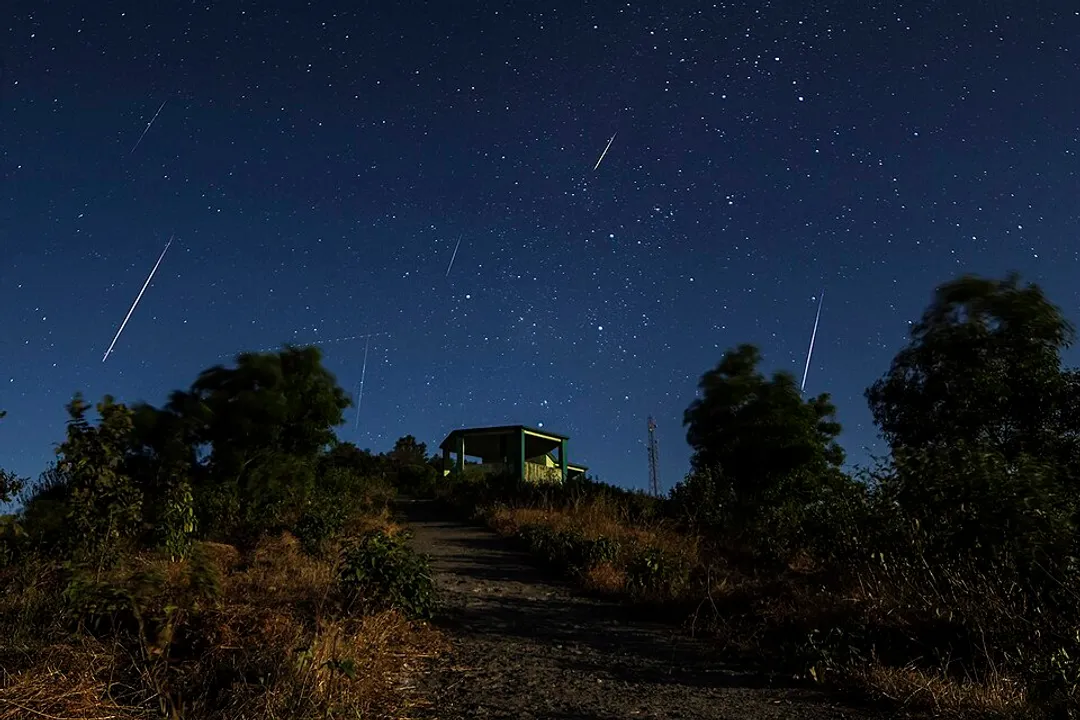
The velocity at which these space particles strike our atmosphere plays a significant role in how bright and visible the resulting streaks appear. [1] Geminid meteors are considered relatively slow compared to some of the faster showers observed throughout the year. [1][3] The particles associated with Phaethon enter the atmosphere at speeds around 35 kilometers per second (or about 78,000 miles per hour). [1] While this speed is certainly fast by earthly standards, it is considerably less than the entry speeds of meteors from other showers, which can sometimes exceed 70 kilometers per second. [1] This slower speed contributes to the distinctive visual quality of the Geminids, often making them appear somewhat brighter or more sustained than their faster counterparts, though the specific mechanism for this perceived brightness can relate more to the density and angle of entry. [6]
# Peak Timing
The Geminids are renowned for their consistency, making them a highly anticipated event, especially given their placement near the end of the year. [5] The main event usually occurs around December 13th or 14th annually. [1][3] The duration of the activity is quite long, spanning from early December through late January, but the zenith of the shower—the point of maximum activity—is narrow. [1]
Determining the best time to observe is crucial for maximizing the count. While some daylight heat causes debris trails to spread out, the highest rates of visible meteors often occur after midnight, particularly in the pre-dawn hours before sunrise. [3][5] This is partly because this viewing window positions the observer facing the direction of Earth’s travel through the debris stream, effectively running into the particles head-on, which increases the impact rate. [5] In the UK, for instance, activity might peak with the best rates occurring between midnight and dawn. [10]
# Viewing Tips
To best experience the Geminids, careful preparation is key, particularly because the shower’s peak often coincides with early winter evenings in the Northern Hemisphere. [8] You do not need specialized equipment like telescopes or binoculars; in fact, these instruments can hinder your experience by restricting your field of view. [5] Your best tool is simply your own two eyes and a dark location. [5]
Here is a checklist for maximizing your Geminid viewing success:
- Find Darkness: Light pollution is the single biggest obstacle. Drive as far away from city lights as possible. Even a small amount of artificial light can wash out fainter meteors. [8]
- Look Up, Not at the Center: While it’s tempting to stare directly at the radiant in Gemini, meteors will streak across a much wider area of the sky. [5] Pick a spot about halfway between the radiant and the horizon, or simply let your eyes roam freely across the sky. [5]
- Allow Time for Adaptation: Your eyes need about 20 to 30 minutes to fully adjust to the darkness. During this time, avoid looking at phones, car headlights, or flashlights, as this resets the adaptation process. [8]
- Dress Warmly: Since peak viewing is often in the colder months, dress in layers. Bring warm drinks, blankets, and perhaps a reclining lawn chair or sleeping bag so you can look up comfortably for long periods. [10]
If you know the Zenithal Hourly Rate (ZHR) is advertised as 150 meteors per hour, remember that this number is calculated for a perfect, dark sky directly overhead. [1] A practical consideration for viewers in suburban areas is that light pollution severely reduces the count. If you are viewing from a location where the sky is generally dark but you can still make out a few of the fainter stars in the Big Dipper, you might reasonably expect to see closer to 30 to 40 visible streaks per hour during the peak, even if the sky overhead doesn't seem completely black. [8] This accounts for the difference between theoretical maximums and real-world experience.
# Uniqueness Factor
The combination of high Zenithal Hourly Rates (ZHRs) and an asteroid parent places the Geminids in a class of their own. [2][5] At peak, under optimal, dark-sky conditions, observers can witness anywhere from 100 to 150 meteors per hour, sometimes even more, making it one of the most active showers of the year. [1] This high rate, coupled with the fact that the debris trail is well-established and the stream is relatively broad, means the shower remains bright and rewarding even when viewing conditions aren't perfectly ideal. [5]
Unlike cometary showers where the ice component vaporizes quickly, the rocky debris from Phaethon may persist in its orbital path for longer periods, contributing to the shower's long activity window. [4] This longevity is a distinct advantage over showers sourced from more volatile comets, which can fade in brightness over decades or centuries as their parent bodies diminish. [1] Therefore, when planning your celestial calendar, the Geminids are generally considered a must-see event, often outshining the more famous Perseids, provided the Moon isn't excessively bright during the peak dates. [3] Observing the Geminids provides a reliable annual connection to the strange, rocky heart of an object that defies simple categorization in our solar system. [4]
#Videos
Everything to know about the Geminid Meteor Shower | In the News
Related Questions
#Citations
Geminids - Wikipedia
Geminids - NASA Science
Geminid meteor shower peaks December 13-14 - EarthSky
Researchers demystify the unusual origin of the Geminids meteor ...
Geminid meteor shower 2025 — When, where and how to see it
The Geminids are one of the best meteor showers of the year—and ...
Everything to know about the Geminid Meteor Shower | In the News
Viewing the Geminid Meteor Shower in 2025
Don't miss out on the night sky's decorations this holiday ... - Instagram
Geminid meteor shower 2025: when and where to see it in the UK