What is the best time to view the Geminid meteor shower tonight?
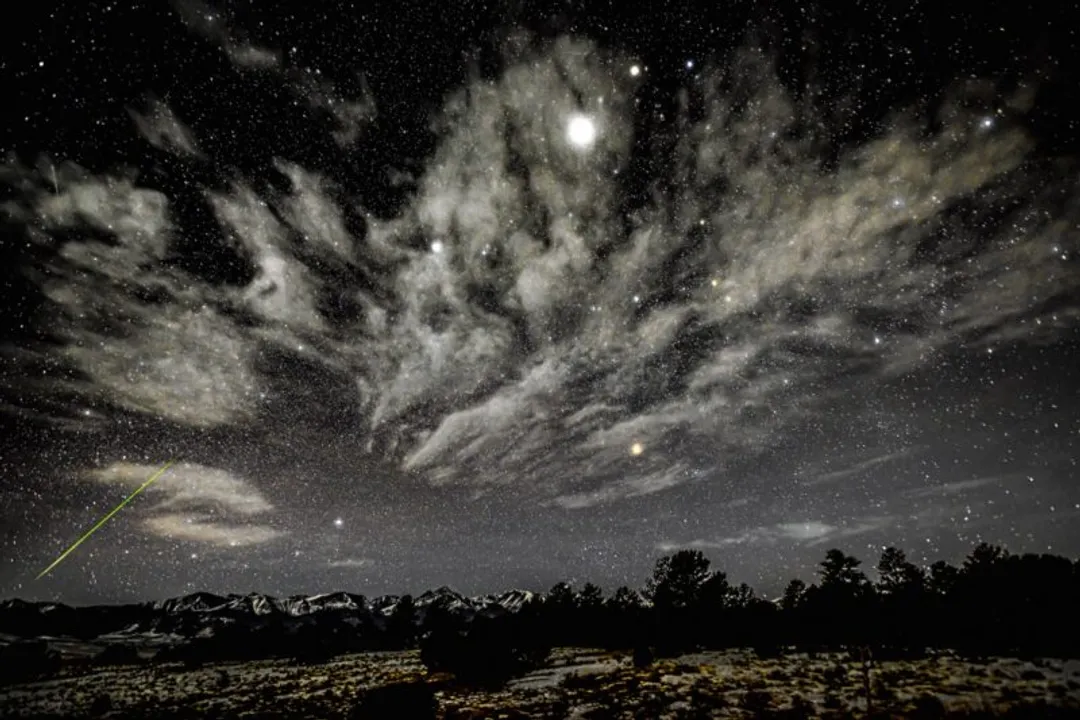
The ideal window for catching the most brilliant streaks of the Geminid meteor shower centers around the darkest hours, specifically the time just before dawn. [1] While the Geminids are active for several weeks, their peak intensity usually occurs around mid-December. [4][7] For the best show tonight, you are looking for the period when the shower's radiant point—the spot in the sky from which the meteors appear to stream—rises highest above the horizon. [2] Generally, this translates to the hours between midnight and sunrise. [2][5] Meteor activity increases as the night deepens because Earth is moving into the densest part of the debris trail left by the parent body, 3200 Phaethon. [6] Therefore, if you step outside at 10:00 PM, you'll likely see fewer meteors than if you wait until 2:00 AM or 3:00 AM. [2]
# Prime Viewing Hours
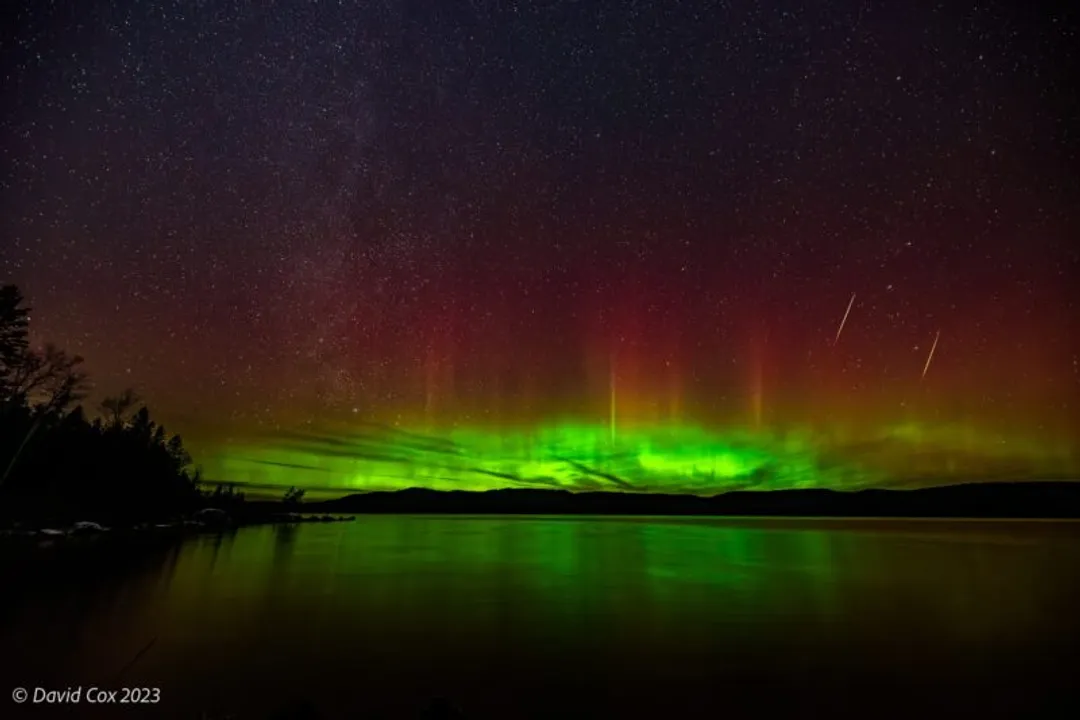
The consensus among astronomy guides points to the hours after midnight as the sweet spot for meteor shower observation. [2][8] Specifically, the peak hourly rate often occurs when the radiant is at its highest point in the sky, which maximizes the number of meteors you can see per hour from your location. [1][8] For the Geminids, this often means the hours leading up to dawn offer the highest chance of catching the maximum number of visible meteors. [2] If you have to choose just one time slot, make it the three or four hours leading up to local sunrise. [8]
However, the exact timing shifts depending on where you are on Earth and the specific date of the peak. [8] Many sources provide viewing information based on Universal Time (UTC). [8] If the guides state the peak is around 06:00 UTC, and you live in Eastern Standard Time (EST, which is UTC-5), your local peak viewing time would effectively be 1:00 AM EST, assuming the radiant is high by then. You should check the specific peak time for the date in question and then adjust for your local time zone, remembering that the later the hour, the higher the radiant will be. [8] You might find that a period starting around 11:00 PM local time shows a steady increase, but the late hours, like 2:00 AM to 4:00 AM, are usually where the activity really ramps up, provided the moon isn't interfering. [5]
If you happen to be looking at the sky just as the radiant emerges above the horizon, you might catch some activity, but the rates will be far lower than when it's high overhead. [1] The apparent speed of the meteors also increases as the radiant climbs higher; when the radiant is near the horizon, the meteors appear to skim the Earth's atmosphere, resulting in slower, longer streaks, which can be incredibly beautiful, even if the count is lower. [1] A dedicated observer might want to sample both times: an earlier viewing around 10:00 PM for those spectacular low-angle Earth-grazers, followed by a return trip around 3:00 AM to catch the main event when rates are highest. [1]
# Radiant Ascent
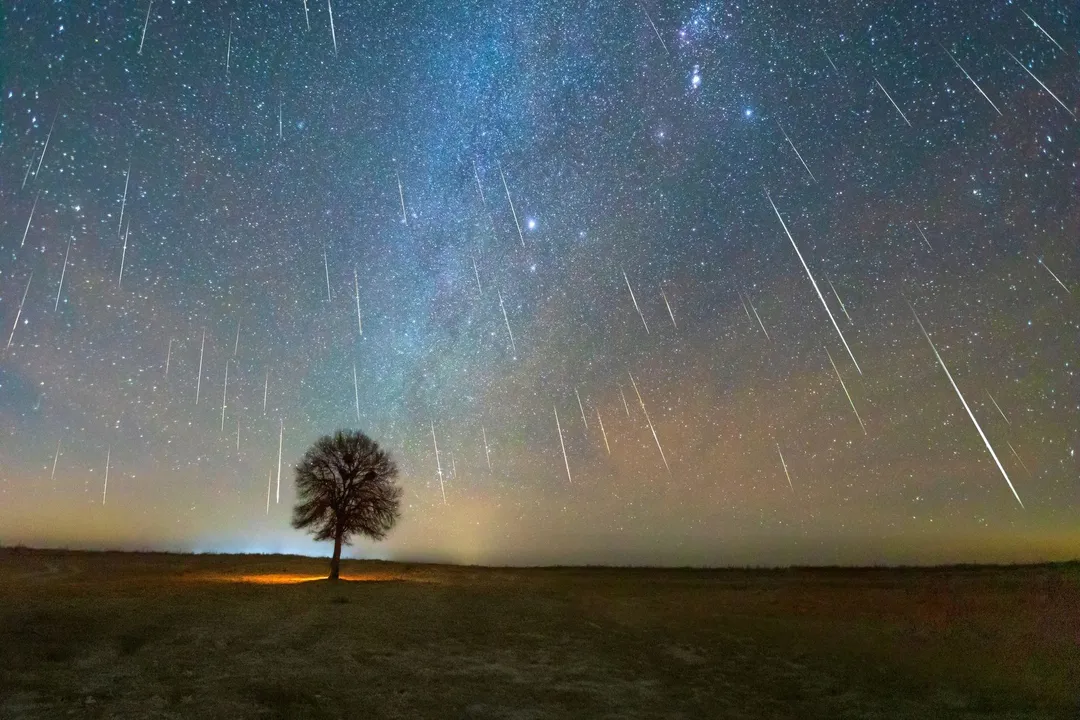
Understanding the radiant helps explain why the pre-dawn hours are superior. The Geminid radiant lies in the constellation Gemini, close to the star Castor. [1][2] Meteors are named for the constellation they appear to originate from; thus, the Geminids appear to radiate outward from Gemini. [6] Because the Earth rotates from west to east, constellations rise in the east and set in the west. [1] For the highest count, you want Gemini to be directly overhead, or at least as high in the sky as possible, meaning you need to observe when Gemini is well above the eastern horizon. [2]
If you live at a mid-northern latitude, the radiant rises in the eastern sky around sunset but remains low until well after midnight. [1][8] For instance, if the radiant is at its highest point (due south at midnight for some showers, but Gemini rises in the east), you need to wait until it has climbed sufficiently high in the sky for your viewing angle to be most effective. [1] Any meteor shower is best viewed when the radiant is high because it maximizes the amount of sky area you are sampling and minimizes the atmospheric interference that scatters or dims the fainter meteors near the horizon. [2]
It is worth noting that while the Geminids are famously rich in bright fireballs, which are often visible even when the radiant is low, the bulk of the fainter meteors that contribute to the high Zenithal Hourly Rate (ZHR) calculations require that high altitude. [6] The ZHR, often cited around 120 or more for the Geminids, is a theoretical maximum under perfect, dark-sky conditions with the radiant directly overhead. [4] Since the radiant is rarely directly overhead for most observers, your actual rate will be lower, making it even more critical to wait until the radiant has cleared all local obstructions and haze. [4]
# Getting Ready
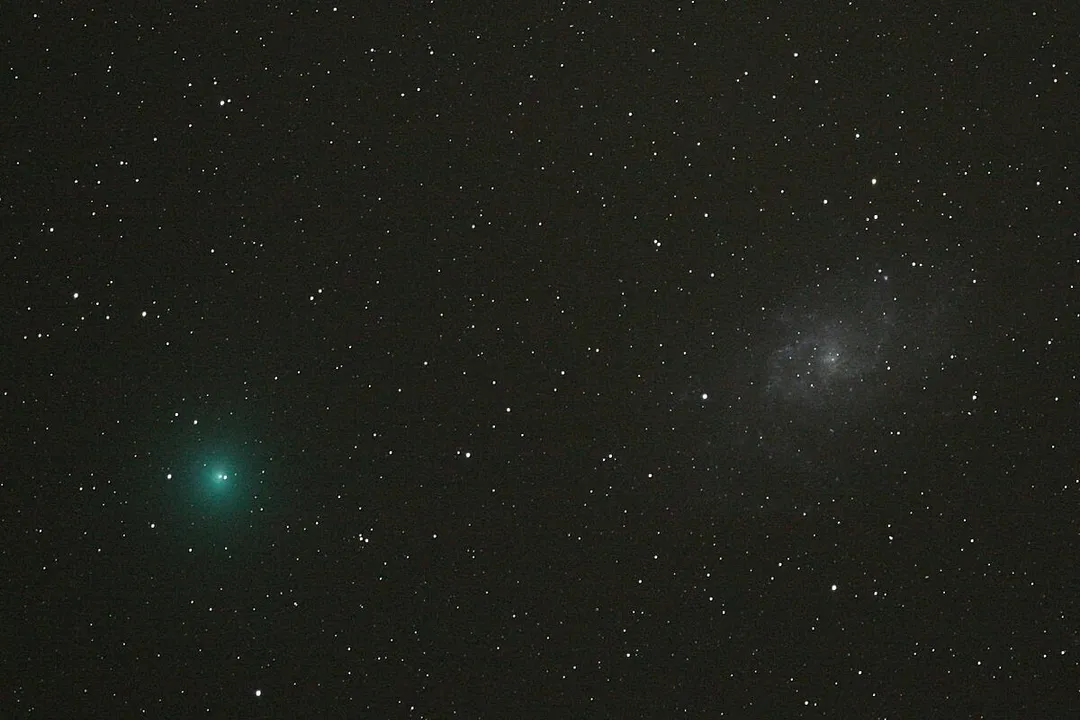
Optimal viewing relies as much on preparation as it does on timing. Since the best hours—post-midnight—are also the coldest, you must dress appropriately for extended outdoor exposure. [7] Even if the day was mild, temperatures drop significantly once the sun sets and stay low until dawn. [7] A common mistake is underestimating the cold when lying down or sitting still for hours. Plan on bringing blankets, insulated pads to sit or lie on (to separate you from the cold ground), and several layers of warm clothing. [7]
Beyond warmth, light pollution is your greatest enemy. [6] The Geminids are a strong shower, meaning they can punch through moderate city light pollution, but to see the fainter meteors that contribute to the high counts cited in the guides, you need genuine darkness. [6] This means driving away from city lights, perhaps finding a rural area or a dark hilltop. [7] If you cannot leave the city, look toward the northern sky, away from the bulk of the urban glow, and focus your gaze slightly away from the radiant itself. [1] Pointing directly at the radiant often results in seeing only the shortest, faintest meteors; looking about 45 degrees away from the radiant gives you a better chance of seeing the long, dramatic streaks as they cross your field of view. [1][6]
Finally, give your eyes time to adjust. This process takes at least 20 to 30 minutes for full dark adaptation. [3][6] During this time, absolutely no exposure to white light—no phones, no flashlights, not even looking at a car's headlights. [6] If you must check the time or your map, use a red-light flashlight or a phone set to its lowest red-light setting, as red light affects night vision far less than blue or white light. [6] Patience here is non-negotiable; showing up at 1:00 AM and only looking for ten minutes means you've missed the entire adaptation period and will see drastically fewer meteors than someone who arrived at 11:30 PM and settled in. [3]
# Meteor Origin
What makes the Geminids so beloved by stargazers is their consistency and reliability, traits tied directly to their parent body. [7] Unlike most major meteor showers that originate from comets—icy bodies that leave dusty trails that disperse over time—the Geminids stream from 3200 Phaethon, which is classified as an active asteroid. [6][7] This small, rocky body behaves differently than a typical comet, leading to a much denser and more stable debris stream. [7]
Because the stream is denser, the Geminids are not as susceptible to disruption from planetary alignments or solar wind effects as cometary showers like the Perseids. [7] This predictability means that while other showers can fluctuate wildly year to year based on how Earth passes through the stream, the Geminids tend to deliver a strong performance annually, making them a dependable celestial appointment for skywatchers. [6] This dependable nature allows amateur astronomers and casual viewers alike to plan ahead with confidence, knowing that if the weather cooperates, the show is almost guaranteed to be spectacular. [7] This reliability sets them apart from many other annual celestial events which can sometimes disappoint if the comet has recently passed the sun and "boiled off" too much dust. [6]
# Eye Adaptation
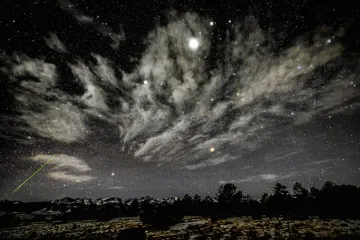
While finding the best time is about when the shower is active and the radiant is high, maximizing your count is about technique and your eyes' sensitivity. [3] To truly appreciate the Geminids, you need to let your vision succumb to the darkness, a process that involves more than just turning off the lights. [6] When you first look up, the sky will look black, but after 20 minutes, you will start to perceive a faint, silvery texture to the darkness itself—this is your night vision kicking in. [3]
When scanning the sky, avoid staring fixedly at one point, even at the radiant. [1] Instead, allow your gaze to wander slightly or look just off-center in the general direction of Gemini. [1] The peripheral vision in your eye is actually more sensitive to low light levels than the central part of your vision (the fovea). [3] A meteor flashing across your peripheral field of view will appear brighter and more noticeable than one you are trying to focus on directly. [1] If you are observing with a friend, establish a rough area of the sky that you will both watch, perhaps one person covers the eastern half and the other the western half of that celestial quadrant, and simply note the streaks you see without needing to point them out verbally every time, which only breaks dark adaptation. [6]
If you plan an early viewing around 10:00 PM to catch those low-grazers, and then plan a second session around 3:00 AM for the peak, remember that the transition back outside after going indoors is the hardest part. [3] If you must go inside the house for a break or to warm up, keep the duration minimal and use only a red light, or better yet, try to stay outside bundled up if the temperature allows. Allowing yourself to become comfortable and warm while still under the dark sky ensures you don't waste valuable peak viewing minutes regaining your night vision after stepping back outside. [7] Planning your viewing sessions around the darkest, moon-free hours, which typically span from a couple of hours past local sunset until about an hour before sunrise, is your best strategy for a memorable experience with the Geminids. [8]
Related Questions
#Citations
Geminid meteor shower peaks December 13-14 - EarthSky
Geminid meteor shower 2025 — When, where and how to see it
Best viewing places for geminid meteor shower tonight? - Facebook
Meteor Shower Calendar 2025-2026
Geminid Meteor Shower viewing times : r/space - Reddit
The Ursid meteor shower 2025: How to watch | The Planetary Society
The Geminid Meteor Shower Peaks Tonight. Here's How to See It.
Geminids Meteor Shower 2025 - Time and Date