What does a Geminid meteor shower look like?
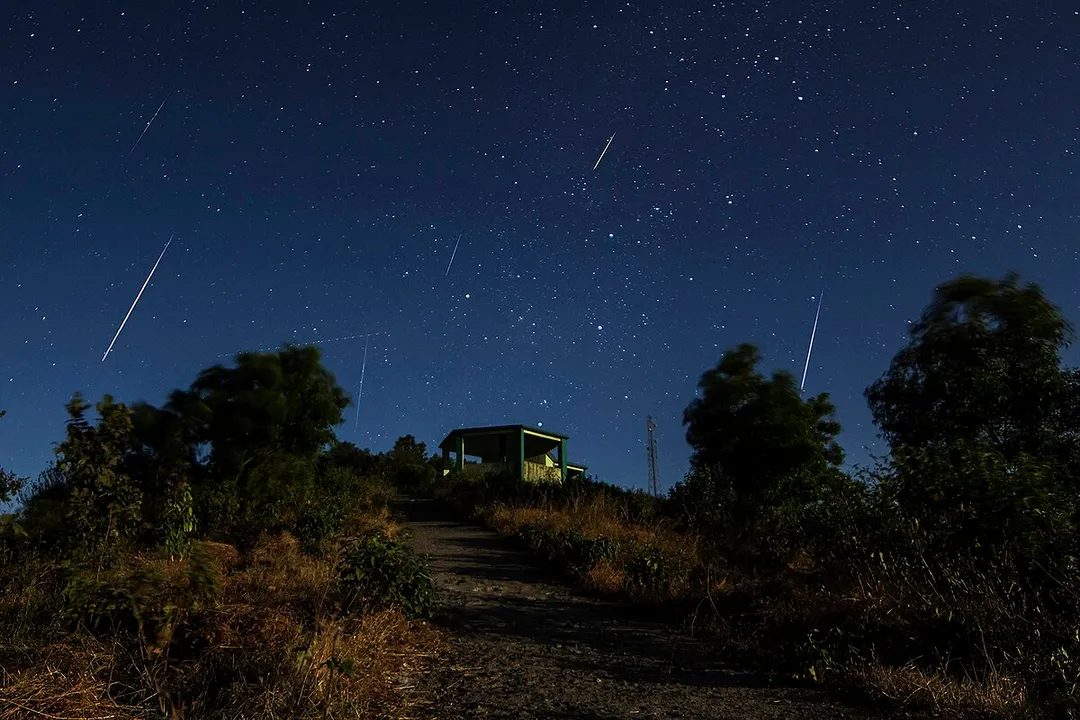
The Geminid meteor shower offers skygazers one of the most reliable and spectacular displays of the year, usually peaking in the cold darkness of mid-December. [1][6] When you look up at this event, what you are seeing is Earth plowing through the dust trail left behind by a bizarre celestial body. [1] Unlike most annual showers which originate from the icy remnants of comets, the Geminids are famously linked to the asteroid known as 3200 Phaethon. [1][6] This fundamental difference in origin contributes to the unique visual signature of the Geminids compared to their counterparts.
# Visual Characteristics
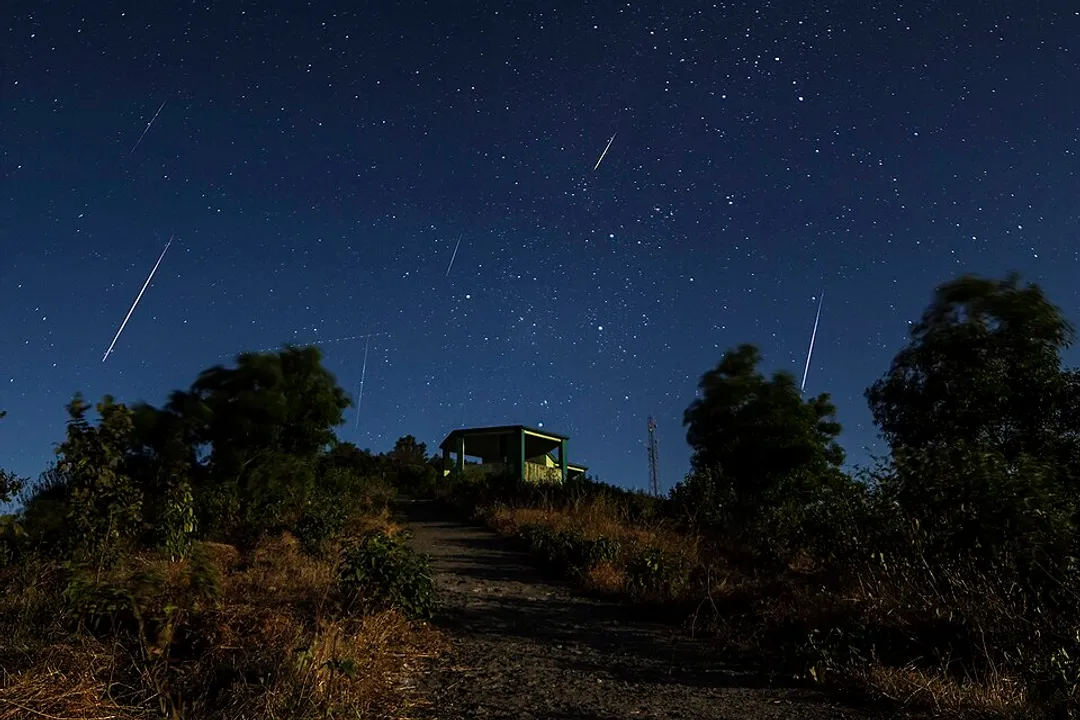
The most striking feature that defines what a Geminid meteor "looks like" is its pace. Observers frequently note that these meteors appear remarkably slow as they cross the sky. [1][5] Astronomers measure their speed relative to Earth at approximately 35 kilometers per second. [1] To put that speed into perspective, many faster showers, like the Perseids, streak across the darkness much more rapidly, giving their meteors a quick, fleeting appearance. [1] The Geminids, however, linger, allowing your eye more time to register the event. [1]
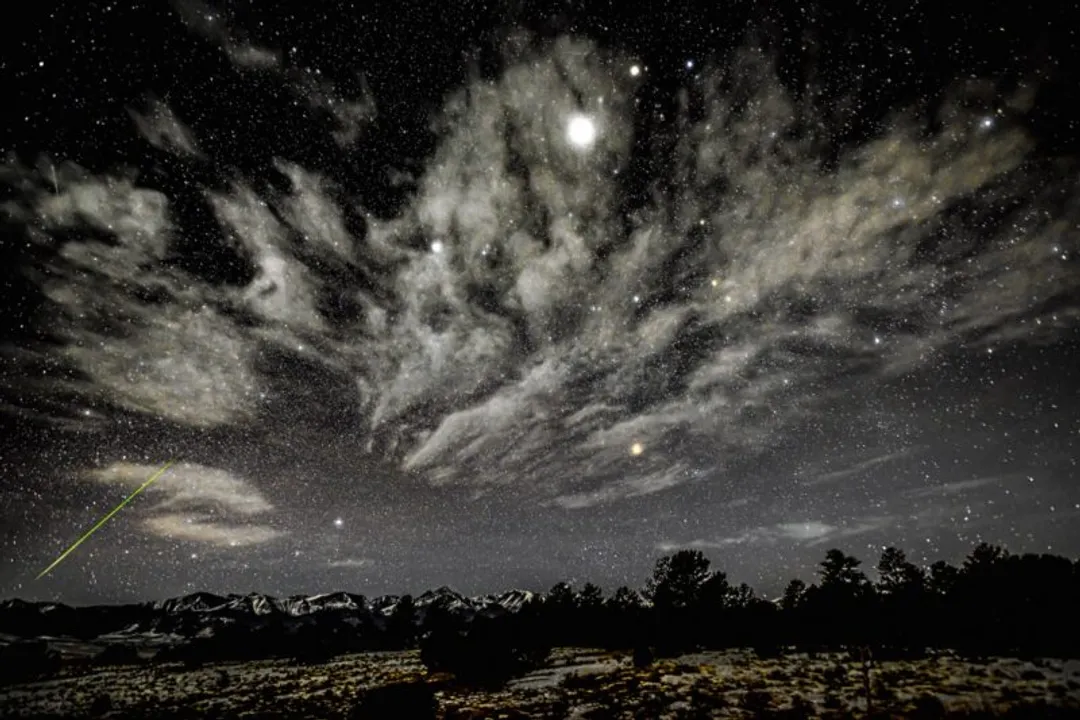
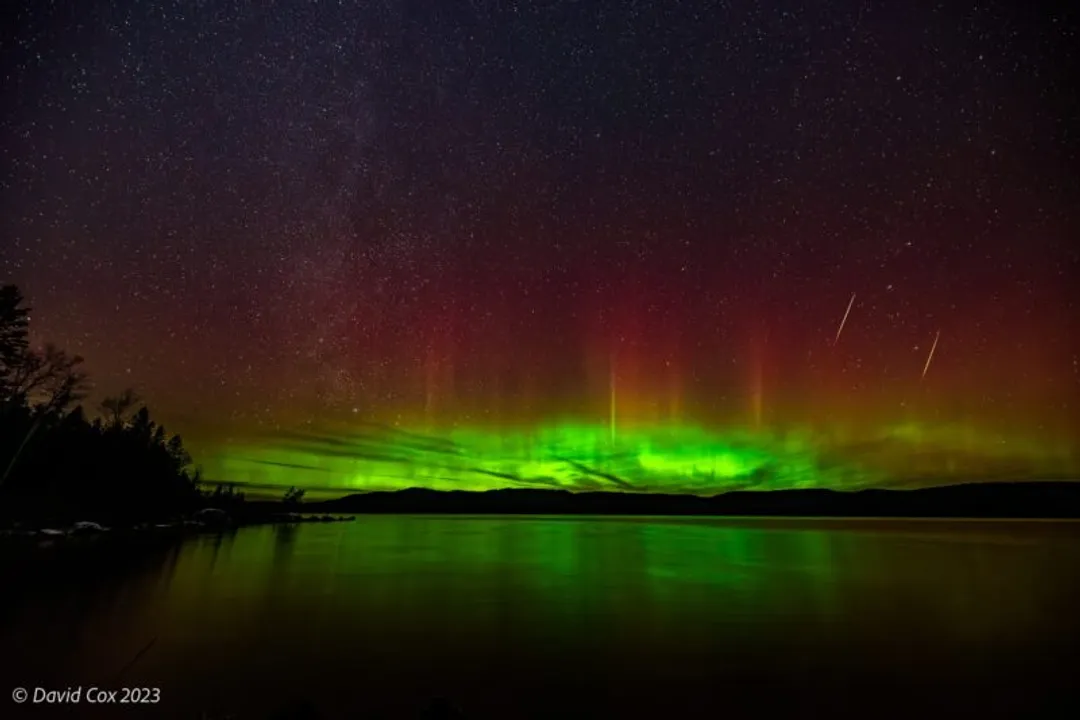
This slower passage often translates directly into brighter meteors. [1][5] Because the dust particles are entering the atmosphere at a less extreme velocity than particles from other streams, they tend to create brighter streaks rather than just quick pinpricks of light. [1] You can frequently expect to see exceptionally bright meteors, sometimes classified as fireballs, during this shower. [1] While the background glow of the night sky is usually dark, some captured images suggest that the streaks themselves can sometimes take on faint, distinctive hues, with reports of greenish tones appearing against the dark canvas. [2]
Because the Geminids move relatively slowly, they provide an excellent opportunity for visual observation. If you are watching a fixed point in the sky, a slower meteor gives your eye a better chance to track its entire path from its point of origin to where it fades out, an experience that is far more difficult during the swift passes of faster meteor streams. [1]
# Hourly Counts
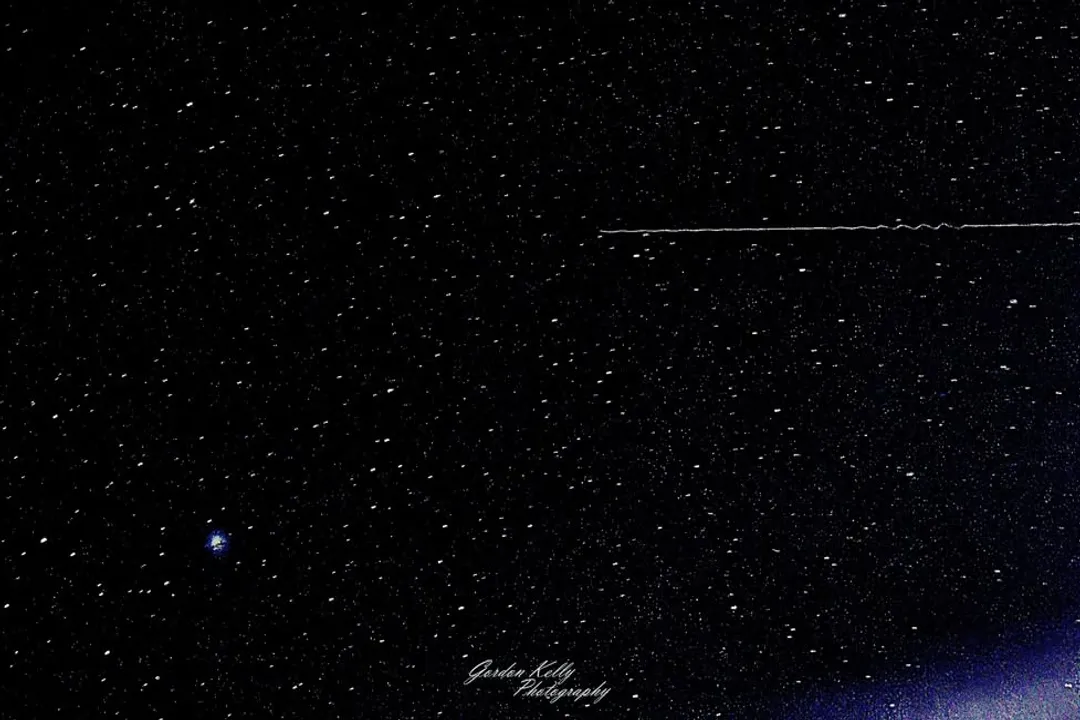
The Geminids are renowned for their high activity rate, making them a favorite among serious meteor watchers. [6] Under perfect conditions—meaning you are far from city lights, the Moon is not out, and the radiant point is high in the sky—you might witness rates of up to 120 meteors per hour. [1] Some estimates push this maximum potential rate even higher, suggesting peak activity could reach between 120 and 150 meteors per hour. [6]
However, it is vital to manage expectations, as these numbers represent the theoretical Zenithal Hourly Rate (ZHR). [1] The ZHR is calculated as if the radiant point of the shower were directly overhead (at the zenith) and the sky were perfectly dark. [1] In reality, your viewing rate will almost certainly be lower based on your latitude, local horizon obstruction, and light pollution. [1] A good dark-sky location might yield 50 to 70 visible meteors per hour during the peak night, which is still an impressive performance compared to most other annual showers. [1][6] The constancy of the Geminids is another key feature; they tend to maintain high activity for a longer duration surrounding the peak night of December 13th or 14th, which offers several nights of good viewing potential. [1][6]
# Asteroid Origin
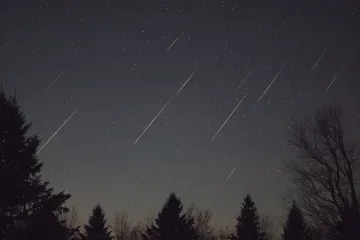
The source material for the Geminids, the asteroid 3200 Phaethon, gives the shower its unique character. [1][6] Most meteor showers originate from comets, which are essentially dirty snowballs that sublimate when heated by the Sun, releasing streams of dusty debris. [1] Phaethon, however, is classified as an active asteroid. [6] This suggests that its material—the source of the Geminid particles—is ejected through mechanisms other than simple cometary sublimation, possibly involving fragmentation or thermal cracking, which may contribute to the density and brightness of the resulting debris stream. [1]
The debris shed by Phaethon is also thought to be denser than typical cometary dust. [1] This increased density is one theory explaining why the Geminids appear so bright and numerous, as there is simply more material packed into the Earth's path as we cross Phaethon's orbit each December. [1]
# Optimal Viewing
To see the Geminids at their best, timing and location are paramount. [5] The shower radiates from the constellation Gemini, hence the name. [1][6] While you can look directly toward the radiant point in Gemini, you will see fewer meteors than if you look away from it. [1]
The best viewing strategy involves lying back, allowing your eyes about 20 to 30 minutes to fully adjust to the darkness, and looking toward the part of the sky roughly 45 degrees away from the radiant. [1] This position maximizes the number of meteors you see streaking across your field of vision, even though they only appear to be coming from Gemini when traced backward. [1]
For example, if you are viewing from the Northern Hemisphere around midnight, you might orient yourself toward the south or southeast, scanning the sky generally, rather than staring intently at Gemini itself. [1] In places like the UK, watching after midnight when the radiant is higher in the sky generally yields the best results for that local time zone. [5] Avoiding any artificial light sources is essential; even the light from a cell phone screen can ruin your night vision for several minutes. [1] Finding a spot with an unobstructed view of the entire sky ensures you capture the greatest number of streaks as Earth moves through the debris stream over the course of the night. [1]
#Videos
The Geminid Meteor Shower Peaks Tonight | December 13/14 -
Photographing the Geminid Meteor Shower with 5 Cameras over 5 ...
Related Questions
#Citations
Geminid meteor shower peaks December 13-14 - EarthSky
Geminid meteors streak under green sky photo of the day for Dec ...
The Geminid Meteor Shower Peaks Tonight | December 13/14 -
Geminid Meteor Shower 2025 ☄️ How many meteors can you spot?
Geminid meteor shower 2025: when and where to see it in the UK
Geminids - Wikipedia
Geminid meteor shower last night - Facebook