Why does Venus look like its flickering?
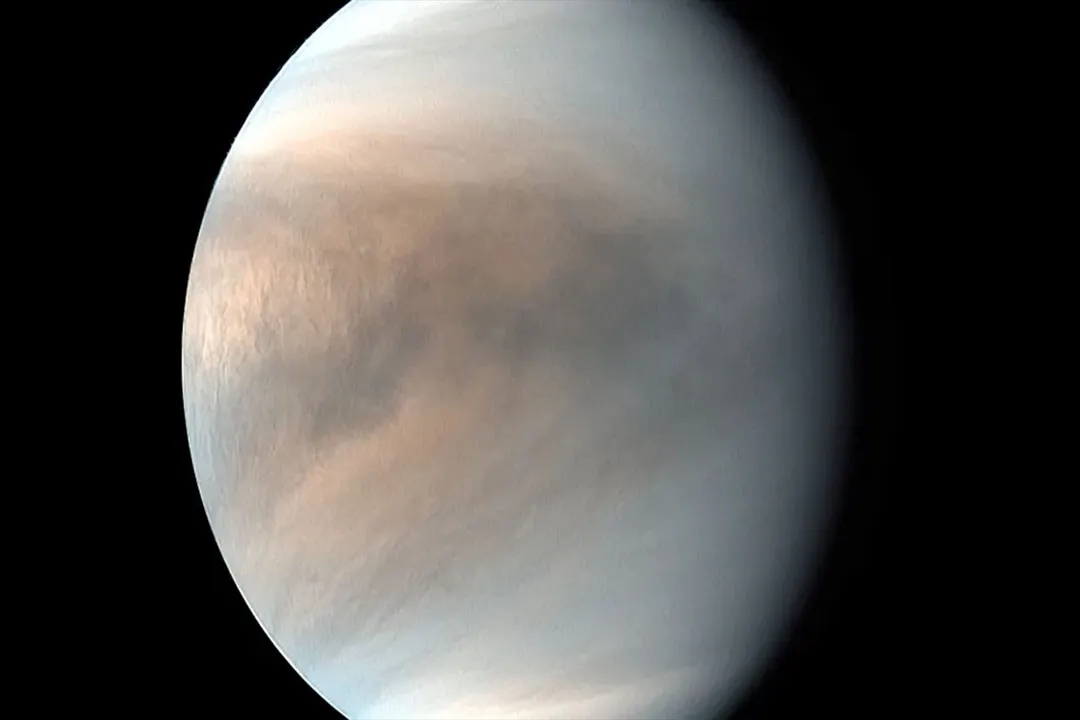
That beautiful, brilliant beacon in the evening or morning sky—Venus—sometimes exhibits a curious behavior: it appears to flicker, shimmer, or rapidly change color. This visual effect, known technically as scintillation, can make the brightest planet in our night sky look surprisingly unstable, almost like a distant star. While stars are famous for their twinkling, we generally expect planets to hold steady, so Venus putting on a light show can certainly prompt questions about what we are actually seeing. [1][4]
# Atmosphere Bends
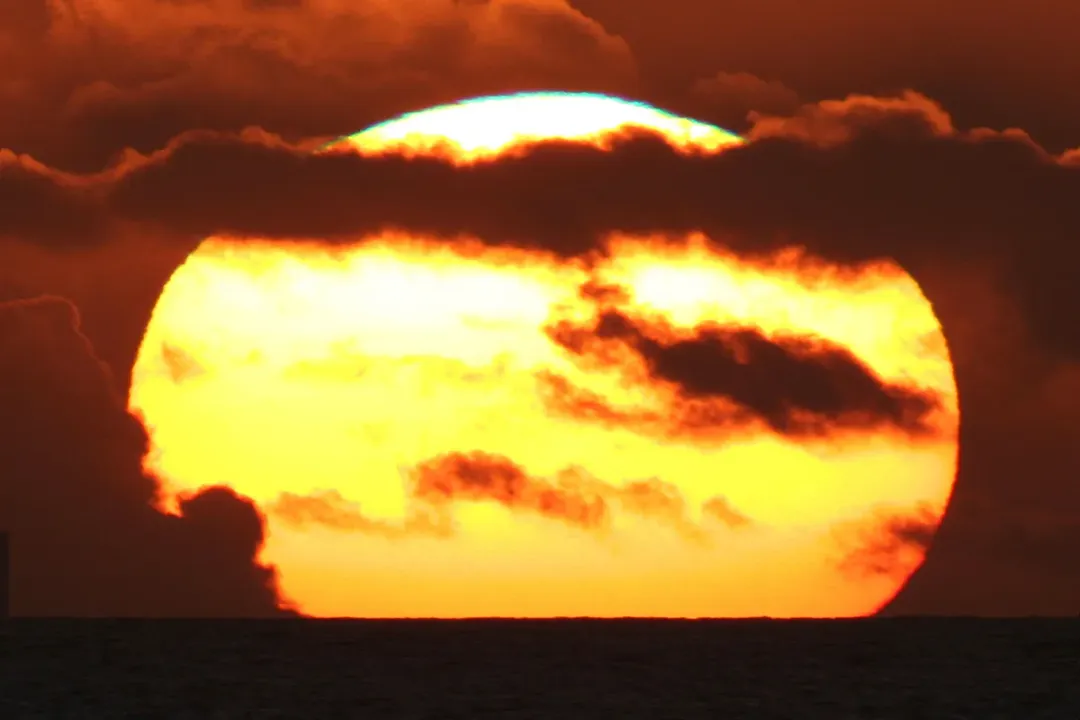
The core reason behind the flickering appearance of Venus, despite it being a planet, rests entirely with the air surrounding Earth. This phenomenon is not a property of Venus itself, but rather an artifact of looking through our planet's turbulent atmosphere. [1][4]
The atmosphere is not uniform; it's composed of countless pockets of air with slightly different temperatures and densities moving constantly due to wind and convection. [1] As the light rays from Venus travel the final segment of their journey to your eye, they pass through these various layers. Each layer acts like a tiny, imperfect lens, bending the light path minutely and randomly. [1] Because the atmosphere is always in motion, this bending is rapid, causing the observed intensity and position of the light source to appear to change instantaneously—this is the twinkle or flicker. [1]
# The Disk Effect
The expected difference between how stars and planets behave in our sky is rooted in their apparent size. Stars are so incredibly far away that, even through the most powerful telescopes, they appear as point sources of light. [1] When the atmosphere distorts the light from a point source, the entire beam is deflected, leading to a noticeable change in brightness or position—the classic twinkle. [1]
Venus, conversely, is our near neighbor and appears as a distinct, albeit small, disk in the sky. [1] When the atmospheric turbulence shifts the light rays, it might deflect the light from one edge of the disk slightly, but the light from the other side of the disk is likely being deflected in a different or opposing way. [1] Astronomers describe this as the atmospheric distortion affecting only a small fraction of the light cone coming from the planet. [1] Because our eyes or even small telescopes average the light coming from the entire disk, the net effect is usually negligible, meaning planets typically shine with a steady light. [1][4] Venus, being the brightest planet, often appears steady, which is why any deviation from this steadiness catches the eye. [4]
# Low Horizon Factor
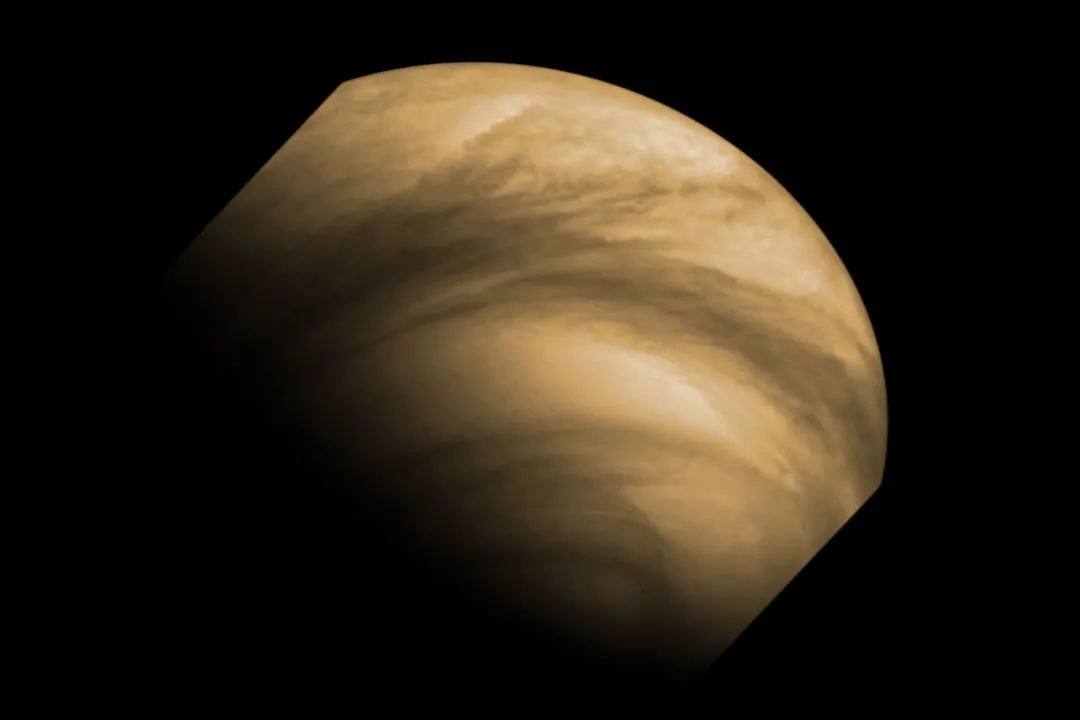
If Venus is supposed to be steady, why does it flicker at all? The answer lies in its position relative to the horizon. The amount of atmosphere that light must traverse increases dramatically as an object sinks toward the horizon. [1][4]
When Venus is high overhead, its light path is relatively short through the atmosphere. When it is just rising or setting, the light has to slice through a much thicker, denser, and often more turbulent section of the atmosphere. [1][4] This increased atmospheric path length means more air cells are interfering with the light path, amplifying the scintillation effect to the point where even a disk source like Venus can appear to shimmer or dance wildly. [1] This is why you are most likely to notice Venus flickering intensely during twilight hours shortly after sunset or before sunrise, when it is closest to the horizon line. [4]
| Celestial Object | Apparent Size | Primary Twinkling Cause | Expected Behavior (High Altitude) |
|---|---|---|---|
| Star (e.g., Sirius) | Point Source | High atmospheric distortion | Strong Twinkling |
| Planet (e.g., Venus) | Small Disk | Averaged distortion over the disk | Steady Light |
| Planet (Venus) | Small Disk | Path through maximal atmosphere | Noticeable Scintillation/Color Shift |
If you ever observe Venus looking intensely unstable at twilight, try observing it again an hour or two later once it has climbed higher in the sky. If the twinkling diminishes substantially or stops altogether as it gains altitude, you have direct observational confirmation that Earth's lower atmosphere was the source of the visual instability, not any intrinsic property of the planet itself. [1][4]
# Color Shifting
The effect of atmospheric turbulence on Venus's light isn't just about brightness; it’s also about color. When Venus is very low—near the horizon where the flickering is most pronounced—the atmosphere acts like a prism, separating the white light into its constituent colors, a process known as atmospheric dispersion. [6]
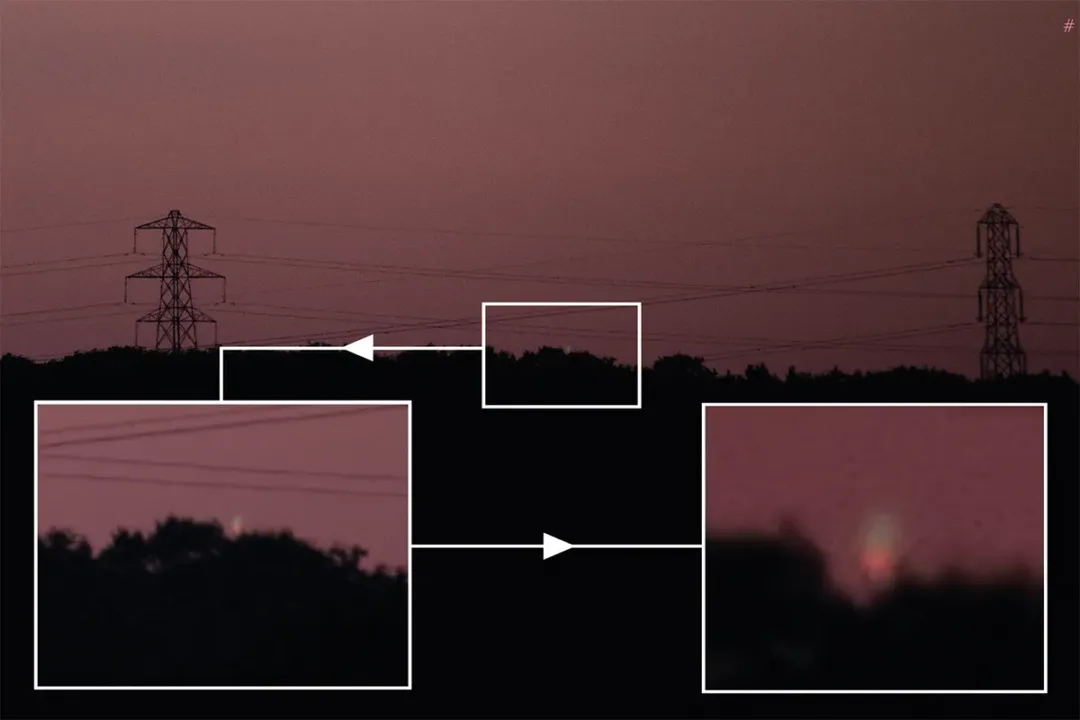
This dispersion can cause the planet to rapidly flash distinct colors, sometimes appearing momentarily blue, red, or green, which contributes to the perception of chaotic flashing or flickering rather than just steady twinkling. [6] Because Venus is so bright, these color shifts are far more obvious than they would be for dimmer objects. [6] In rare, perfect conditions right at the moment of setting or rising, this effect can manifest as the famous Green Flash, a fleeting burst of emerald light seen directly above the planet's upper limb due to specific conditions of refraction. [4]
# Flashes On Venus
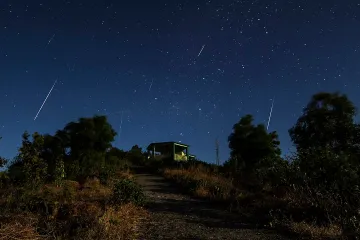
It is important to distinguish the atmospheric twinkling we see from Earth, which happens near the horizon, from reports of actual light flashes originating from the planet Venus itself. While Venus is often shrouded in thick clouds, astronomers have sometimes detected mysterious light emissions from its atmosphere. [5]
For a time, some observers and models suggested these flashes could be due to electrical storms, perhaps similar to lightning on Earth. [9] However, a more recent study proposed a different, fascinating source: the flashes may be the visible signature of meteors entering the Venusian atmosphere. [5][7] According to this view, Venus is constantly bombarded by interplanetary dust and small meteoroids, and the bright flashes captured are the result of these small bodies vaporizing as they slam into the dense upper layers of Venus’s atmosphere. [5][7] While this information comes from orbital observations rather than naked-eye viewing, it serves as a reminder that Venus has its own dynamic light show happening millions of miles away, independent of our terrestrial viewing conditions. [9]
When you see Venus seemingly flicker, you are nearly always witnessing the atmospheric dance happening between the light source and your eye here on Earth, an interaction magnified by the planet's sheer brightness and its low altitude above the horizon. [1][4]
#Videos
How a Photographer Captured the Best Image Ever of Venus' Green ...
Related Questions
#Citations
Why does Venus flicker? - Astronomy Stack Exchange
Is it mars, Pollux or Venus? : r/Stargazing - Reddit
Why does even the planet Venus sometimes twinkle and stars ...
The green flash of Venus: what it is and how to see it
Mysterious Lights on Venus Aren't What Scientists Thought: Study
Colors of scintillating Venus | Astronomy Essentials - EarthSky
Mysterious flashes on Venus may be a rain of meteors, new study ...
How a Photographer Captured the Best Image Ever of Venus' Green ...
Flashes of light in Venusian atmosphere may be meteors, not lightning