What's the best time to go star gazing?
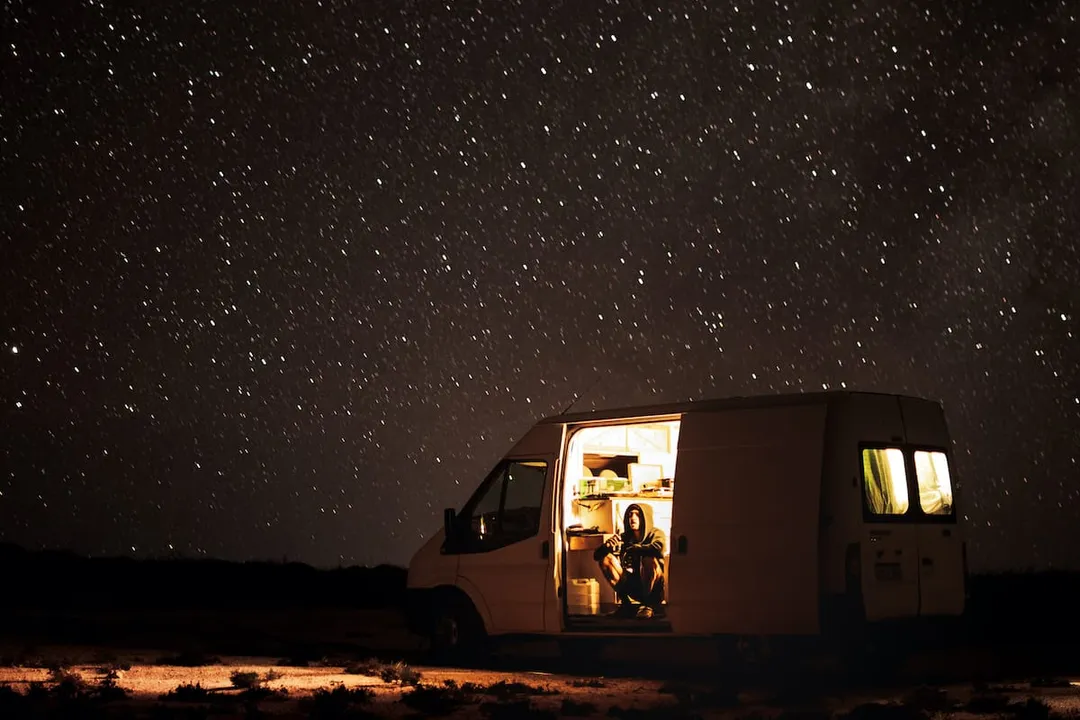
The ideal time for stargazing isn't a single, fixed hour on the clock; rather, it's a dynamic combination of lunar cycles, nightly timing, local weather, and atmospheric stability that you must align perfectly. Finding the best moment means maximizing the available darkness and the clarity of the air between your eyes and the distant light sources you hope to observe. [3] Whether you are aiming for the faint glow of a distant galaxy or simply enjoying the bright constellations, controlling these variables is the key to a successful night under the stars. [5]
# Moon Phase Priority
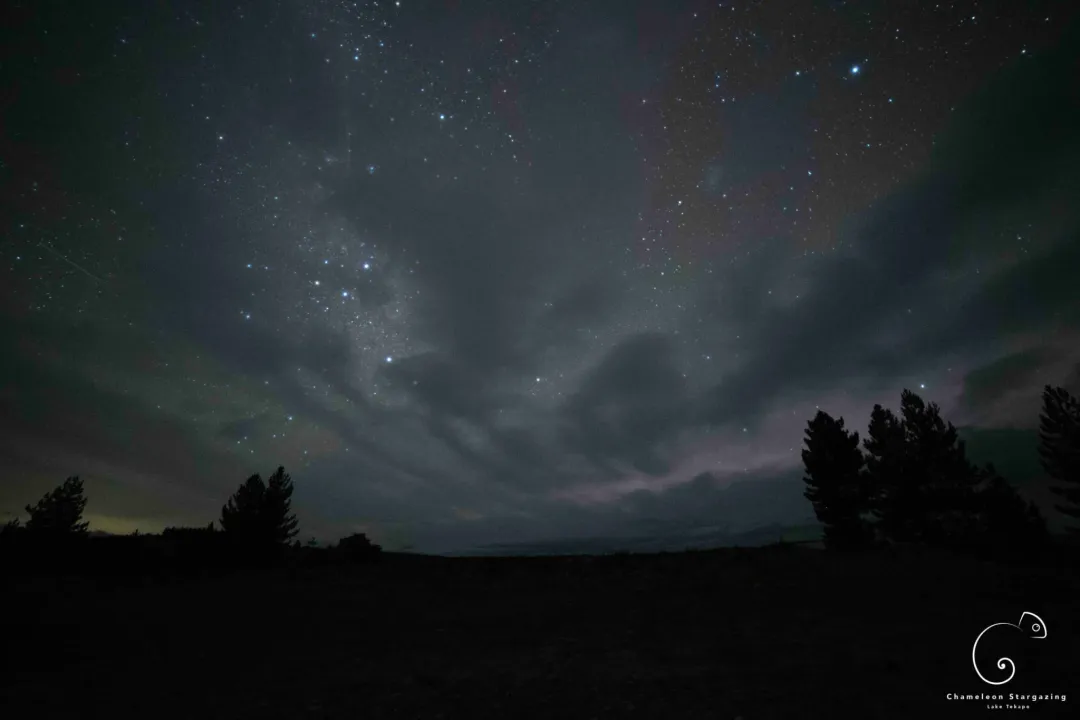
The single most influential factor dictating the quality of your night sky is the phase of the Moon. [8] For serious viewing, particularly of dimmer deep-sky objects like nebulae or faint star clusters, the period surrounding the New Moon is the undisputed best time. [3][8]
When the Moon is full, its sheer reflected brightness washes out the sky. This phenomenon, sometimes called "sky glow," reduces the contrast between the background sky and the objects you want to see. [3] A full moon can be bright enough to significantly dim the visibility of fainter stars, making even moderately dark skies appear quite hazy. [8] If you are using specialized equipment or attempting astrophotography, the light from a bright moon can easily overexpose shorter exposures or simply overpower the subtle details you are trying to capture. [1]
While the New Moon phase offers peak darkness, it isn't the only usable window. A very thin crescent moon that sets early in the evening, shortly after astronomical twilight has concluded, will have a minimal impact. The general rule of thumb is simple: the less moonlight illuminating the sky, the more stars you will see. [3] For casual observers, a few nights on either side of the New Moon will provide an excellent experience.
For backyard observers living in or near moderately light-polluted suburbs, the "best hour" often shifts slightly. While the core dark hours are best, an hour or two before the moon sets (if it sets early) might be marginally better than an hour after it rises, simply because the lingering urban glow tends to be slightly lower just after astronomical twilight ends compared to the pre-dawn period when industrial activity might be ramping up, causing faint, ground-level haze. Check local light pollution maps to see if your area's light dome changes significantly over the course of the night.
# Nightly Timing Window
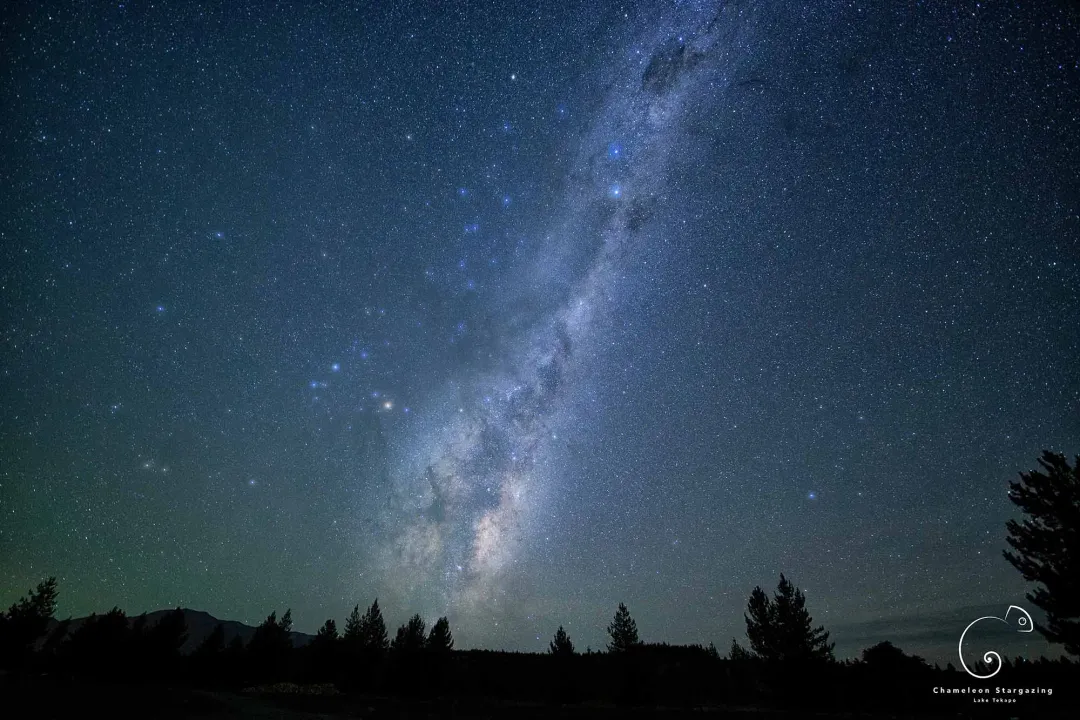
Once you have accounted for the Moon, the time of night itself matters. The sky does not become instantly perfect the moment the sun disappears. Astronomers define three twilight phases: civil, nautical, and astronomical. [4] True darkness, where the Sun is more than 18 degrees below the horizon, only arrives after astronomical twilight ends. [4]
This means that even on a perfect, moonless night, the first hour or two after sunset is generally less productive than later hours because the sky is still too bright. [4] Waiting until this full darkness sets in is critical for maximizing the number of visible stars and deep-sky objects.
Furthermore, the atmosphere itself changes over the course of the night. As the ground cools down after sunset, the air generally becomes more stable. This atmospheric settling can lead to improved "seeing"—a term used to describe the steadiness of the atmosphere, which is especially important for sharp telescopic views. [4] Many seasoned observers find that the deepest, darkest, and steadiest viewing often occurs in the hours after midnight, right up until the first hints of dawn begin to creep back into the eastern sky. [4]
# Seasonal Variations
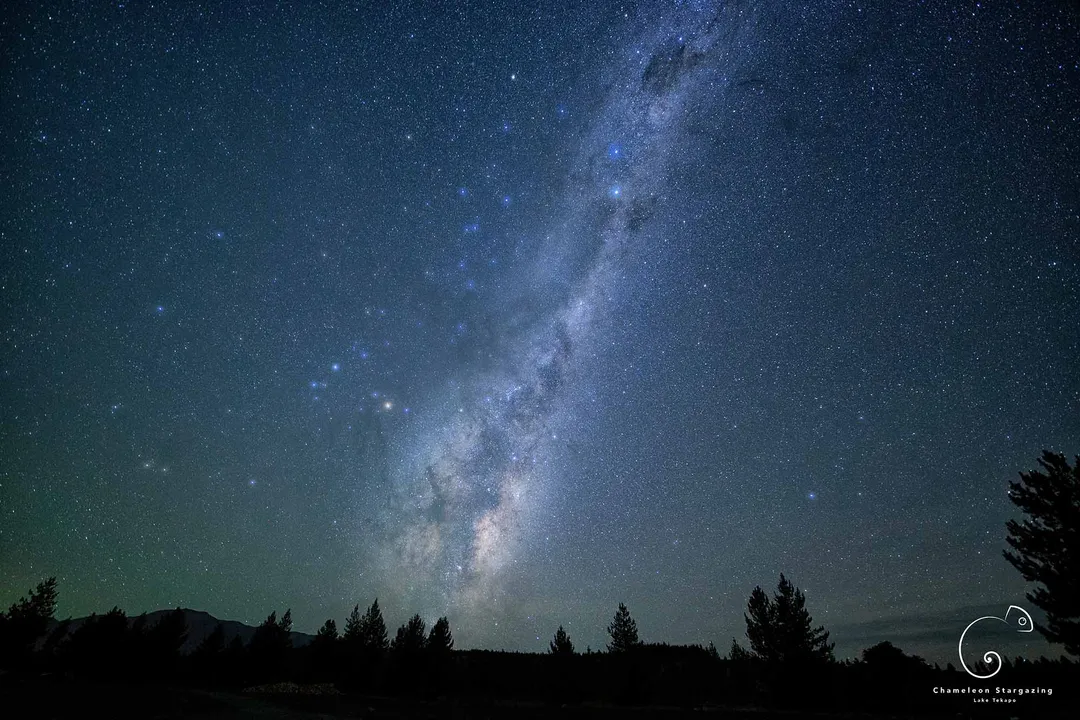
While the Moon dictates the darkness, the season can influence the clarity and the duration of your observing window. There isn't one single "best month" globally, as local weather patterns dominate, but general trends exist.
In many northern latitudes, winter months often provide the longest nights, giving you more hours to observe. [6] Crucially, winter air is frequently drier and calmer, leading to better transparency—meaning there is less dust, moisture, or smog hanging in the atmosphere to scatter or absorb starlight. [6] Drier air means a crisper view of celestial targets.
However, winter also brings colder temperatures, which can limit how long you can comfortably stay outside unless you are well-prepared. [7] In contrast, summer months offer warmer evenings, making it easier for beginners to spend several hours outdoors, though the nights are significantly shorter, and atmospheric moisture can sometimes reduce transparency.
The time of year also determines which major celestial events are visible. For instance, if you are targeting specific annual meteor showers, like the Perseids in August or the Geminids in December, your "best time" will be dictated by that shower's peak activity, regardless of minor seasonal atmospheric differences. [6]
# Atmospheric Clarity
The sky is only as good as the air between you and space. If you are observing from a location with poor atmospheric transparency, even a New Moon night will disappoint. [5]
Clouds are the most obvious deterrent; if the weather forecast calls for significant cloud cover, there is no point in setting up. However, transparency issues exist even on seemingly clear nights. Factors like high humidity, airborne dust, wildfire smoke, or industrial haze scatter light, reducing the contrast and blurring the details of stars and planets. [5]
This is why the concept of a designated Dark Sky Place—like those certified by organizations promoting dark skies—is so valuable. [5] These locations are chosen specifically because they minimize light pollution and often benefit from natural geographical features that promote cleaner, less turbulent air. If you live near mountains or coasts, you might find that observing when the wind is blowing in a direction away from large urban centers significantly improves your view, even if the location itself isn't officially protected. [5]
Consider this: If your location normally allows you to see stars down to apparent magnitude 5.5 on a moonless night, the sky brightness caused by a full moon (which peaks near magnitude -12) can easily raise the effective cutoff to magnitude 3 or 4, meaning you lose the fainter two-thirds of visible stars. Planning around the lunar cycle is non-negotiable for deep-sky targets. [8]
# Preparing Your Visit
Once the conditions align—clear skies, a new or near-new moon, and a late hour—your personal readiness determines the final success of the outing. Proper preparation ensures your eyes can take full advantage of the darkness. [4]
The most common mistake beginners make is rushing the process of dark adaptation. Your eyes need time for the pupils to fully dilate and for the light-sensitive cells in your retina (rods) to become fully active. [7] This process takes time; expecting full night vision within five minutes of stepping outside is unrealistic. Allow at least fifteen to twenty minutes of complete darkness for your eyes to adjust properly. [4][7]
To protect this hard-earned night vision, you must avoid all sources of bright light. If you need to consult a star chart, use a phone, or check equipment settings, use a dedicated red-light flashlight. [7] Red light affects your night vision far less than white or blue light, preserving your adaptation. If you must use a standard white light source, cover it with red cellophane or use a red filter built into your astronomy app. [7]
For those interested in more serious viewing or astrophotography, remember that even a slight movement can ruin a long exposure. [1] If you are using a camera setup that requires tracking the sky’s movement, ensuring your tripod or mount is perfectly stable and precisely aligned with the celestial pole before you begin is essential for sharp results. [1] Patience during setup translates directly into sharper images or steadier visual views later on.
Related Questions
#Citations
Best times for stargazing/astrophotography? : r/space - Reddit
When is the best time at night to see stars?? - Facebook
When to go stargazing - tips for the best times to stargaze
A practical guide to stargazing | National Geographic
I Didn't Know That!: Stargazing 101 (U.S. National Park Service)
Is there a best time of year to go star gazing? - Quora
A beginner's guide to stargazing - CPRE
Which moon phase is best for stargazing? That depends. - EarthSky
When is the best time to go stargazing?