What lunar phase provides the best darkness for viewing faint deep-sky objects like nebulae?
Answer
New Moon
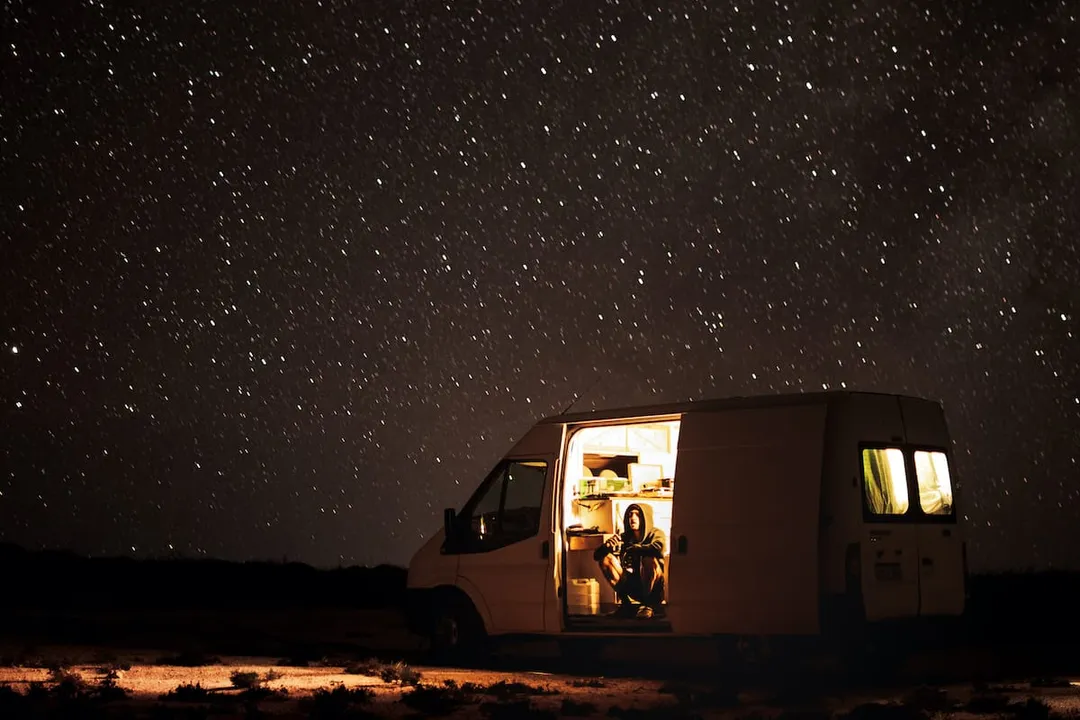
The New Moon phase is identified as the undisputed best time for serious viewing, especially targets like nebulae or faint star clusters, because it offers the maximum available darkness. During this phase, there is no significant reflected moonlight illuminating the sky. Conversely, when the Moon is full, its substantial reflected brightness causes a phenomenon known as "sky glow," which drastically reduces the necessary contrast between the dark background sky and the celestial objects being observed, making fainter targets invisible or severely dimmed.
Related Questions
What lunar phase provides the best darkness for viewing faint deep-sky objects like nebulae?What angle below the horizon defines true darkness after astronomical twilight has ended?When does atmospheric settling generally lead to improved 'seeing' for sharp telescopic views?What atmospheric characteristic often makes winter months provide better transparency in northern latitudes?How long does it take for the light-sensitive cells in the retina (rods) to become fully active for dark adaptation?Which color of light source is recommended to preserve night vision when consulting charts or equipment settings?How does the reflected brightness of a Full Moon affect visibility, quantified by apparent magnitude cutoff?Why are the first hour or two after sunset less productive for stargazing than later hours?If targeting the Perseids meteor shower in August, what dictates the best observing time?Besides clouds, what factors reduce atmospheric transparency on seemingly clear nights?