What time should I go out to watch the meteor shower tonight?
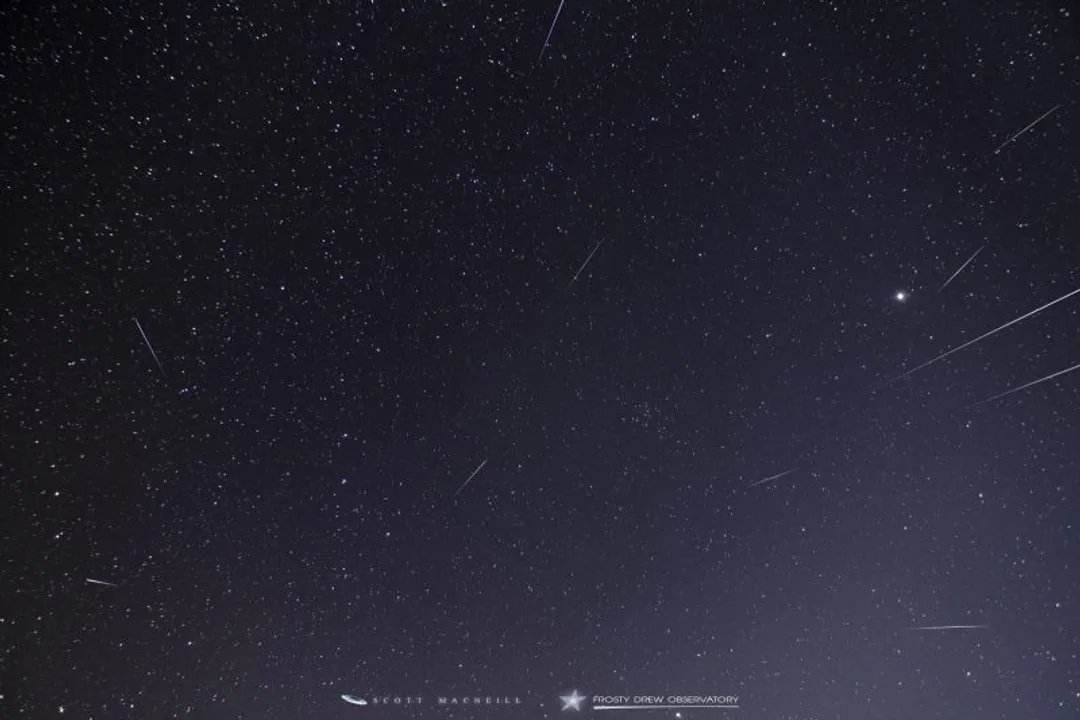
Watching a meteor shower is less about picking a specific clock time and more about aligning your schedule with the movement of our planet. While many people assume midnight is the optimal moment, the science of observation points toward the pre-dawn hours as the most productive time for viewing. [3] The reason for this timing relates to the Earth's rotation and our position relative to the stream of space debris that creates the meteors. [2]
# Optimal Timing
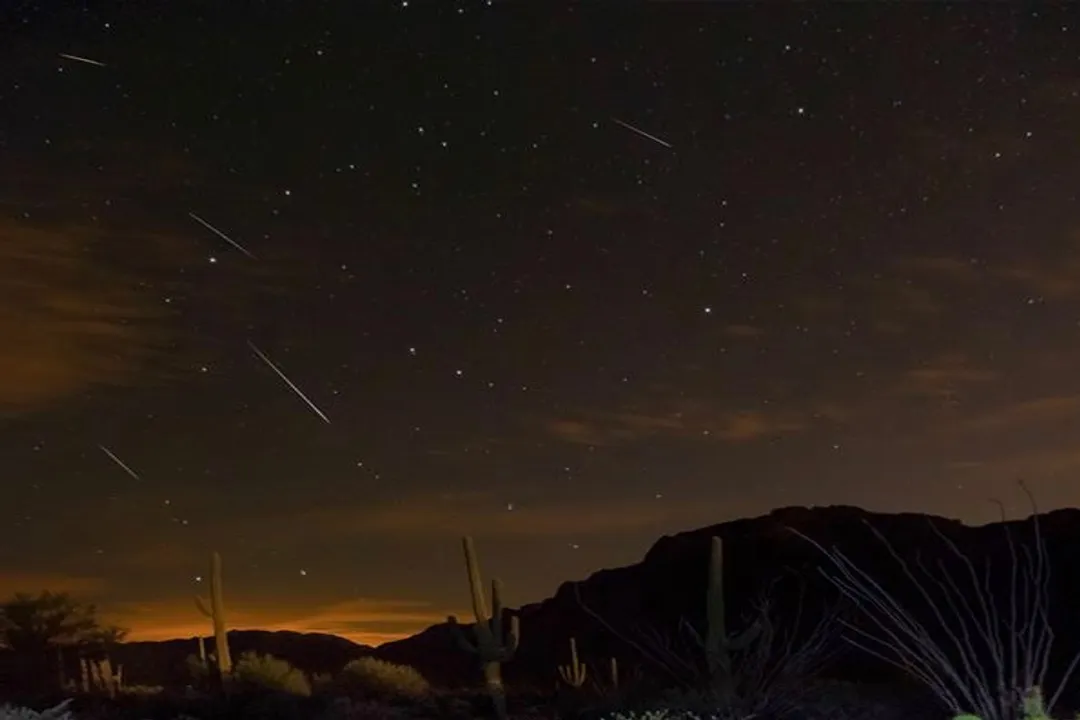
As the Earth travels through space, it orbits the sun, sweeping through clouds of dust and debris left behind by comets and asteroids. [1][9] Think of the Earth like a car moving through a storm of insects. The side of the car facing forward—the "windshield"—accumulates the most bugs. [4] In astronomical terms, the leading edge of the Earth as it moves along its orbit is the side facing the direction of travel. [2]
Between midnight and dawn, your specific location on Earth rotates to face this forward-moving direction. [3] Consequently, you are effectively staring out of that front windshield, catching the meteors head-on. [2] Before midnight, you are on the "back" of the Earth, looking out from behind, where you mainly see meteors that have to "catch up" to the planet to be visible. [4] This simple geometric reality means that you will almost always see more shooting stars in the early morning hours than in the early evening. [6]
# Radiant Point

You might hear advice about finding the "radiant" of a meteor shower. The radiant is the specific point in the sky from which the meteors appear to originate. [7] For example, the Perseids appear to come from the constellation Perseus. [1] Identifying this point can be helpful, but it is not necessary to stare directly at it. [6]
Meteors appearing near the radiant have shorter trails, while those appearing further away often exhibit longer, more dramatic streaks. [6] Beginners often make the mistake of focusing intently on the radiant point, missing the most spectacular meteors that streak across other parts of the sky. [2] Instead of locking your gaze on the constellation, aim to view the darkest portion of the sky, ideally 45 to 90 degrees away from the radiant. [6] This provides a broader field of view and allows you to appreciate the full length of the trails. [3]
# Night Vision
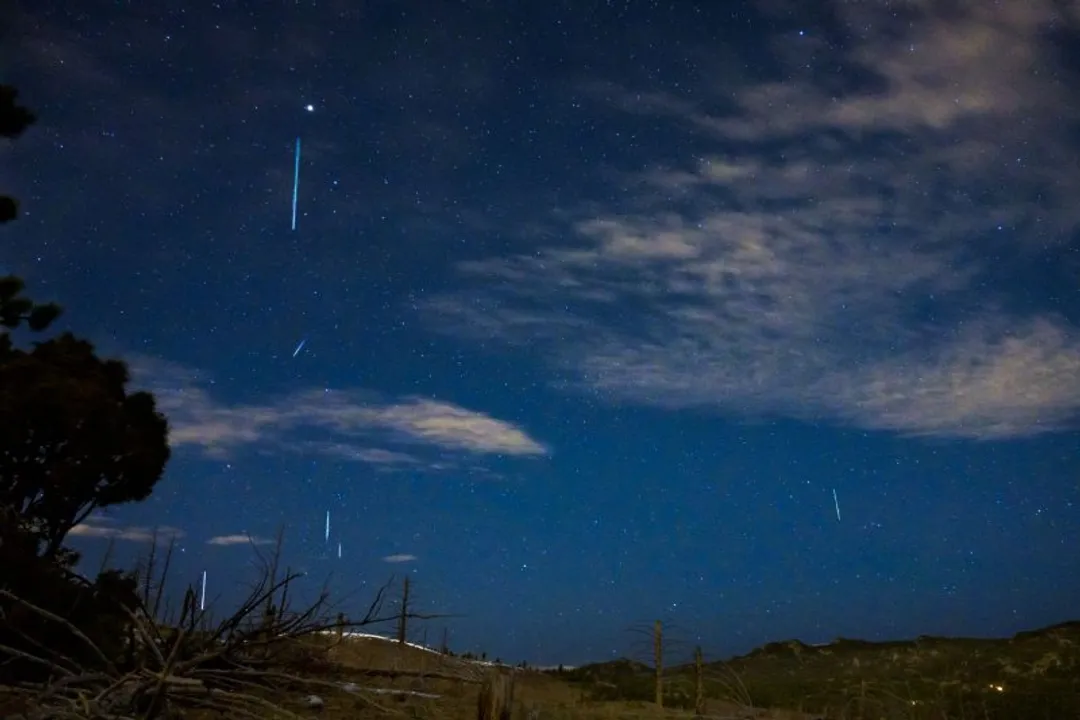
The most critical factor in observing a meteor shower is allowing your eyes to adjust to the darkness. This process, known as dark adaptation, requires patience. [6] It can take anywhere from 20 to 30 minutes for your eyes to fully adjust to low-light conditions. [8] If you step outside and immediately look at your smartphone or a bright porch light, you effectively "reset" this biological timer. [9]
To maintain your sensitivity, avoid all sources of white light. If you must use a light source to check a star map or read a note, use a red filter. [6] Red light preserves night vision far better than white or blue light, which can cause your pupils to constrict and wash out the faint streaks of light you are waiting to see. [8]
# Observation Planning
When planning your night, consider the interplay between the time of night and the phase of the moon. Moonlight acts as natural light pollution, washing out the fainter meteors. [3] A full moon, or even a bright gibbous moon, can significantly reduce the number of visible meteors regardless of the timing. [7]
| Observation Condition | Best Strategy |
|---|---|
| New Moon | Ideal for all-night viewing, especially 2 AM to 4 AM. |
| First Quarter Moon | Good for early evening; moonlight sets before peak pre-dawn hours. |
| Full Moon | Focus on the brightest fireballs; expect significantly fewer meteors. |
| Last Quarter Moon | Best to view in the pre-dawn hours after the moon has set. |
Using this logic, if you know the moon phase for your specific date, you can easily determine if staying up until 3 AM will actually yield results. [3] If the moon is bright and high in the sky, the "best" time might actually be irrelevant because the sky will not be dark enough for optimal viewing. [7]
# Comfort Strategy
Meteor watching is a sport of endurance. Sitting on a hard surface or standing for an extended period will eventually force you to look away, potentially at the exact moment a meteor streaks by. [6] The most effective gear is a reclining lawn chair, which allows you to look straight up without straining your neck. [2]
Bring blankets and, depending on the season, even a sleeping bag. Even on warm summer nights, temperatures can drop significantly in the pre-dawn hours. [6] Being physically comfortable is the only way to remain outside for the required duration to catch the sporadic, unpredictable pulses of activity that characterize these showers. [2]
One effective technique for successful viewing is the "buffered entry." Arrive at your location 30 minutes before your planned observation window starts. Spend that half-hour setting up your chair, settling in, and letting your eyes adjust without looking at screens. By the time the "best" hour arrives, you will be already adapted and ready to spot meteors immediately, rather than spending that prime time fumbling with equipment or waiting for your eyes to adjust. [9]
# Weather Conditions
Cloud cover is the only factor that completely negates the timing advantage of the pre-dawn hours. [3] Before heading out, always check local weather reports for cloud density. [6] Thin, high-altitude clouds might still allow you to see the brightest meteors, but a thick overcast layer will block the show entirely. [1]
If the weather forecast looks uncertain, don't necessarily pack it in early. Weather can shift rapidly. If you see breaks in the cloud cover, stay put for a while. Sometimes, meteor showers include bright fireballs—larger debris that can burn bright enough to be seen even through thin clouds or near city lights. [2]
# Location Selection
Light pollution from cities is the primary adversary of the amateur astronomer. [6] A sky glow from a nearby town will obscure the fainter meteors that make up the bulk of the shower's activity. [7] For the best experience, travel as far from artificial light sources as possible.
State parks, rural areas, or even just driving a few miles outside of town can make a dramatic difference. [6] If traveling is not an option, find the darkest spot in your immediate vicinity, such as a backyard, a park, or even a rooftop, provided it is safe and away from streetlights. [9] The goal is to maximize the contrast between the dark sky and the light of the meteors. [3]
Ultimately, watching a meteor shower is an exercise in lowering your expectations for instant gratification. There is no guarantee you will see a fireball every minute. Some showers have peak activity, while others are steady, and there are often long lulls between bursts of activity. [1] Treat it like sitting by a campfire; it is a relaxing way to spend time, and the meteor, when it finally streaks across the dark, becomes a rewarding punctuation mark to the quiet hours of the night. [2]
#Videos
Best time to catch the Perseid Meteor shower - YouTube
Related Questions
#Citations
Meteor shower guide 2026: Up next … the Lyrids - EarthSky
The Quadrantid meteor shower 2026: How to watch
Meteor Shower 2026 – What Time to See Shooting Stars
What time to look at night for meteor shower? : r/askastronomy - Reddit
Where is the best place to watch the meteor shower tonight?
Meteor shower calendar 2026 | Royal Observatory
Meteor Shower Calendar 2026: Peak Times and Dates
Best time to catch the Perseid Meteor shower - YouTube
Is There A Meteor Shower Tonight? Check Our Meteor Shower 2026 ...