What time will you be able to see Jupiter tonight?
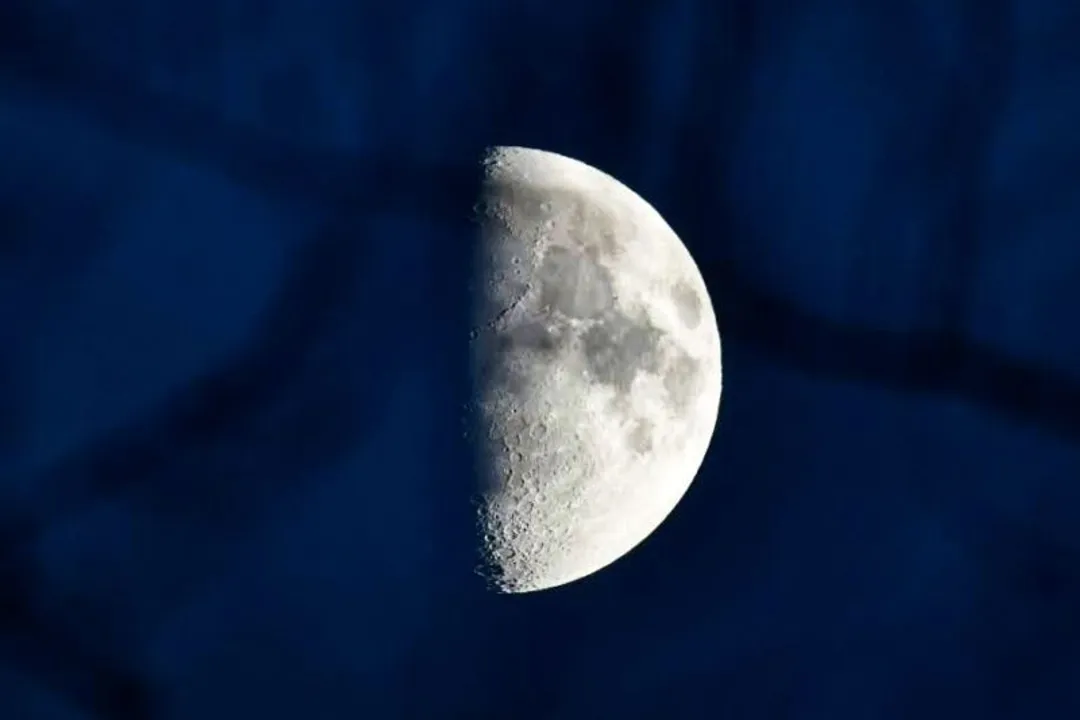
Stepping outside on a clear evening to find Jupiter is an experience that connects you directly to the mechanics of the solar system. As one of the brightest objects in the night sky, Jupiter rarely requires specialized equipment to spot, but knowing exactly when it will appear depends heavily on your specific location and the current date. [1][3] Because Earth and Jupiter are both in motion, the planet's rise and set times change daily, shifting slightly earlier or later depending on where each planet sits in its orbit. [2][8]
Rather than relying on vague estimates, determining your specific viewing window requires understanding a few simple variables. The planet's position relative to the horizon is the primary factor; if it is behind your house, a tree line, or a nearby hill, you will not see it even if it is technically above the horizon. [4][5]
# Finding Jupiter
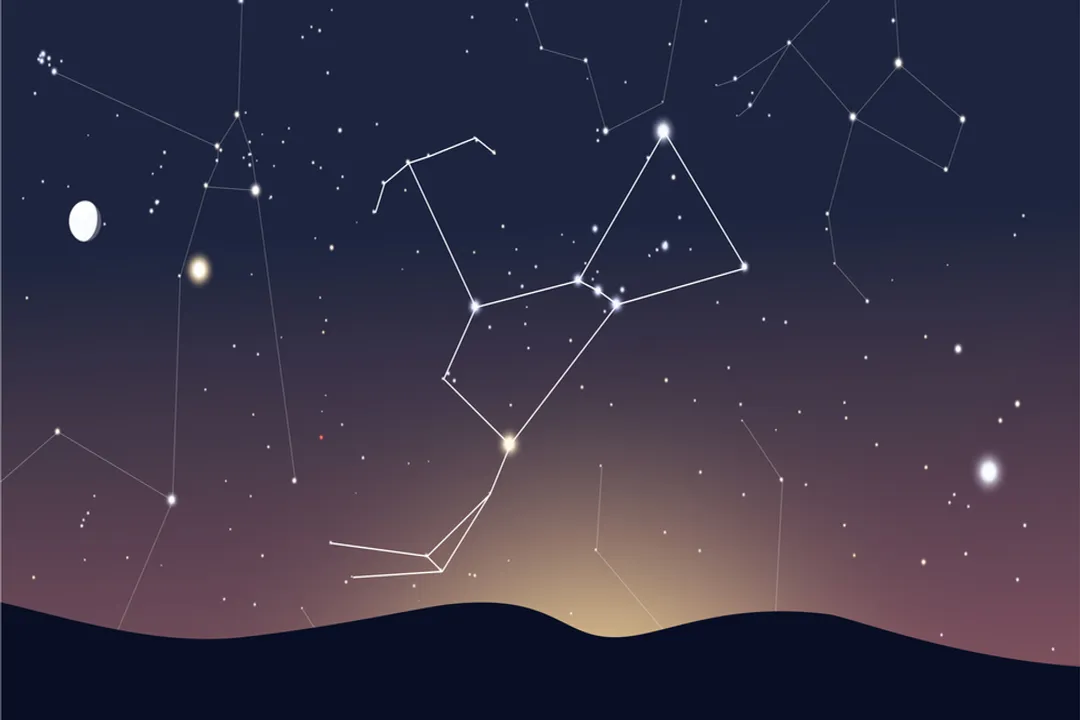
When you head outside, the most effective way to identify Jupiter is by its steady, constant light. Unlike distant stars, which often appear to twinkle due to the turbulence in Earth's atmosphere, planets shine with a stable glow. [3][7] Jupiter is typically the brightest object in the sky after the Moon and Venus. [3] If you see a brilliant, yellowish-white light that does not flicker, you have likely found the gas giant.
If you are unsure of your orientation, look toward the horizon where the sun set earlier that day, or look for the opposite direction depending on the time of year. Because of the way the solar system is aligned, planets generally follow the same path across the sky that the sun does, known as the ecliptic. [9] If you can find the path the sun takes during the day, you are looking in the right general area for any planet. [5]
# Visibility Factors
Several variables determine whether you will have a clear view tonight. It is helpful to consider these factors before heading out, as they often dictate the success of an observing session more than the time of day alone.
| Factor | Impact on Visibility |
|---|---|
| Light Pollution | High levels make it harder to see faint details, but Jupiter is bright enough to cut through most city glare. |
| Horizon Obstructions | Tall buildings or dense trees block the planet if it is low in the sky. |
| Cloud Cover | Even thin, high-altitude clouds can diffuse the light and make identification difficult. |
| Atmospheric Seeing | High turbulence causes the image to shimmer, which is noticeable through telescopes. |
You can check your local forecast to see if clouds will interfere with your view. [2][4] If the sky is clear, your next task is to verify the rise time. Astronomers use local rise and set times because these events are specific to your longitude and latitude. [8] A tool that accounts for your exact city is the most accurate way to plan your evening. [4]

# Using Tools
Since specific times change every 24 hours, keeping a reliable reference handy is wise. Websites like The Sky Live or Time and Date offer calculators where you can input your city to get a customized readout of when Jupiter will rise, transit (reach its highest point), and set. [1][2][4]
These digital resources remove the guesswork. They provide a precise window of time during which the planet will be high enough above the horizon to be visible without being obscured by local landscape features. [4] When checking these sites, look for the "altitude" value. If the altitude is above 10 or 15 degrees, you have a much better chance of seeing the planet clearly, as you are looking through less of the dense, turbulent atmosphere near the horizon. [5][7]
# Observing Tips
You do not need a telescope to enjoy the view. To the naked eye, Jupiter appears as a brilliant, unblinking light. This is often enough to appreciate its presence, but if you have a pair of binoculars, you can improve the experience significantly. [6] Even simple, low-power binoculars can reveal the planet as a distinct disk rather than a point of light. If you hold them steady, you might even spot the four largest Galilean moons—Io, Europa, Ganymede, and Callisto—as tiny pinpricks of light arranged in a line flanking the planet. [3][6]
If you are using a telescope, avoid the temptation to go straight to high magnification. Start with your lowest power eyepiece to get the planet centered in your field of view. The gas giant can be bright, and if you are in a dark area, its light might overwhelm your vision. High magnification is generally useful only when the planet is high in the sky, as looking through the thick air near the horizon will result in a blurry, bouncing image. [5][7]
# Managing Expectations
There will be times when Jupiter is not visible at all. This happens when the planet is in conjunction with the sun—meaning it is on the other side of the solar system from Earth—or when it rises and sets during daylight hours. [3][8] If you check a guide and see that the planet rises after you go to sleep or sets before the sun goes down, it is simply not available for viewing that night.
Planning your observation around the planet's "opposition" is a great strategy. Opposition occurs when Earth passes between Jupiter and the sun. During this period, the planet rises around sunset, stays visible all night, and sets around sunrise. [7] This is when the planet is closest to Earth, appearing at its largest and brightest for the year. [9]
# Practical Planning
If you want to make a habit of watching the night sky, consider a few habits that save time and frustration:
- Check the weather early: Cloud cover is the biggest enemy of night sky watching. Checking the forecast hours before sunset allows you to adjust your plans.
- Allow for dark adaptation: If you are using a flashlight or looking at your phone, your eyes will take time to adjust to the dark. Use a red filter on your light source to preserve your night vision.
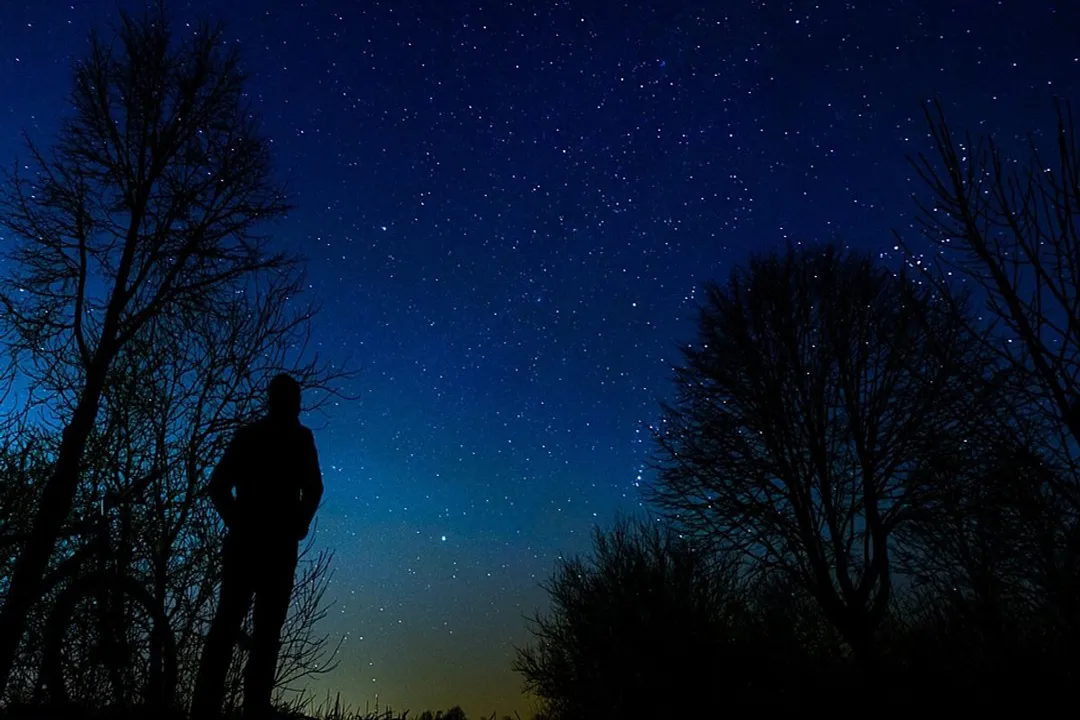
- Find a dark spot: While Jupiter is bright, moving away from direct streetlights will help you see more of the surrounding stars and constellations, which provides better context for where Jupiter is located. [5]
- Track the progression: Over several weeks, you will notice the planet moving against the background stars. Tracking this movement is a satisfying way to engage with the reality of planetary orbits.
By combining these simple checks with local data, you turn the question of "can I see it?" into a planned event. Whether you are using a telescope or just stepping onto your porch for a quick look, the movement of the planets follows a predictable rhythm that rewards those who take a moment to look up. [7][8]
Related Questions
#Citations
Planets Visible Tonight - TheSkyLive
Night Sky Tonight: Visible Planets at Your Location - Time and Date
Visible planets and night sky guide for April - EarthSky
Current Night Sky - Center for Astrophysics | Harvard & Smithsonian
What's up in the night sky: April 2026 | The Planetary Society
Objects in your sky: Rising and setting times - In-The-Sky.org
What Planets Are Visible Tonight - Farmers' Almanac