Where is the best place to see the Geminids?
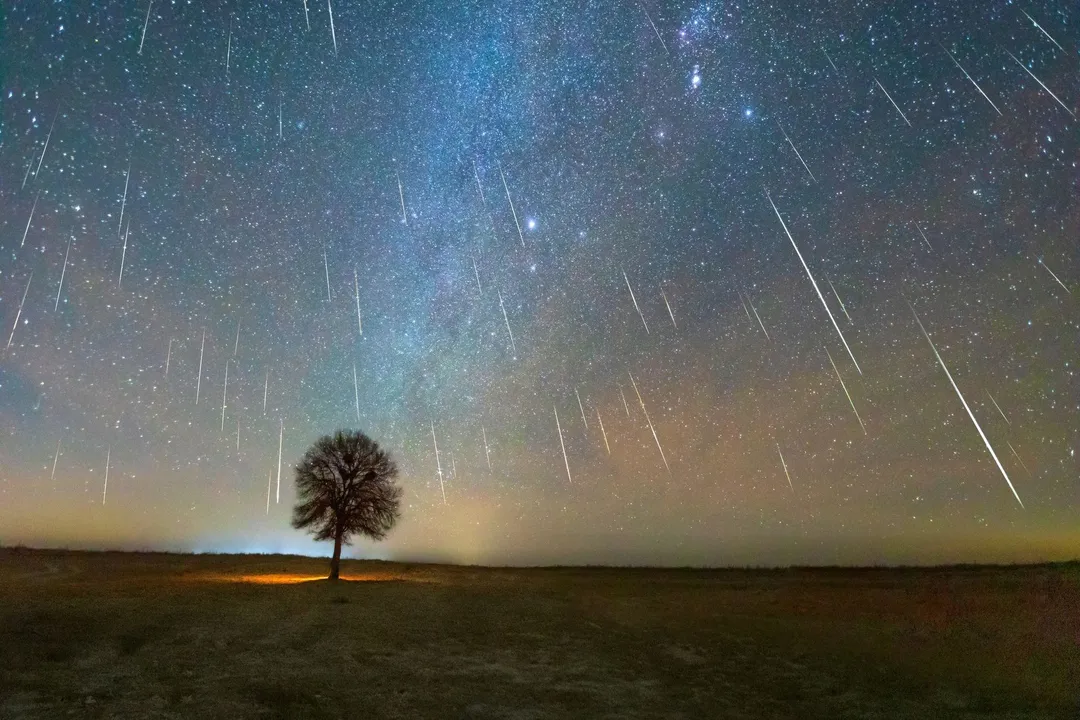
The Geminid meteor shower stands out as one of the most dependable and spectacular celestial displays of the year, frequently rivaling the famous Perseids in intensity. [1][9] Unlike many other meteor events sourced from dusty comet trails, the Geminids originate from the asteroid 3200 Phaethon, making them a fascinating anomaly in the annual meteor calendar. [1] To truly appreciate this shower, knowing where to watch is just as important as knowing when it peaks. The fundamental answer to seeing them best involves escaping terrestrial distractions and embracing true darkness.
# Peak Timing
The consistent reliability of the Geminids is a major draw for casual stargazers and dedicated observers alike. Most years, the shower reaches its zenith around December 13th or 14th. [2][6] While activity builds in the nights leading up to the peak, the highest number of visible meteors, sometimes reaching Zenithal Hourly Rates (ZHR) of 120 per hour, occurs during this window. [1]
For observers located in the Northern Hemisphere, the ideal viewing window begins when the radiant—the point in the sky from which the meteors appear to originate, located in the constellation Gemini—rises above the horizon, which often happens in the evening. [2] However, this shower truly shines after midnight. [2][4] Waiting until the hours between midnight and dawn ensures that the Earth has rotated into the densest part of Phaethon's debris stream, significantly increasing the count of visible streaks. [2] Adding to this crucial timing is the moon. If the moon is bright or sets late, its glare can wash out fainter meteors. Therefore, checking the moon phase for the peak night is essential for maximizing your count. [9]
# Dark Skies Needed
The primary obstacle to seeing any meteor shower well is light pollution. Even with a high ZHR potential, a city dweller might only see a handful of the brightest fireballs if they attempt to watch from a well-lit suburban backyard. [4] The requirement for excellent viewing is a location far removed from the ambient glow of streetlights, buildings, and car headlights. [4][5]
When sources discuss prime viewing locations, the consensus always circles back to minimizing artificial light. [4] For those in heavily populated areas, like Southern California where many enthusiasts look toward the event, this necessitates travel. [3][7] Observers in the Los Angeles region, for example, often discuss driving out toward the Antelope Valley or into the surrounding mountain ranges to escape the light dome. [7] Similarly, Bay Area viewers recognize the need to move well outside the immediate metropolitan area to find the necessary dark conditions. [5]
If you are planning your trip, a useful technique is to consult publicly available light pollution maps online, such as the Bortle Scale maps. While a Bortle Class 1 or 2 site offers the absolute best experience, you might find that even pushing out to a Class 4 or 5 area, perhaps an hour or two drive from a major city center, provides a dramatically better view than staying home. [4] For instance, a drive to an area near a designated dark sky location, like Joshua Tree National Park in California, is frequently suggested as a destination specifically for the Geminids due to its preserved night sky quality. [6] Planning an overnight stay or a very late evening drive to a known dark spot is the most effective way to secure a good viewing platform.
# Viewing Position
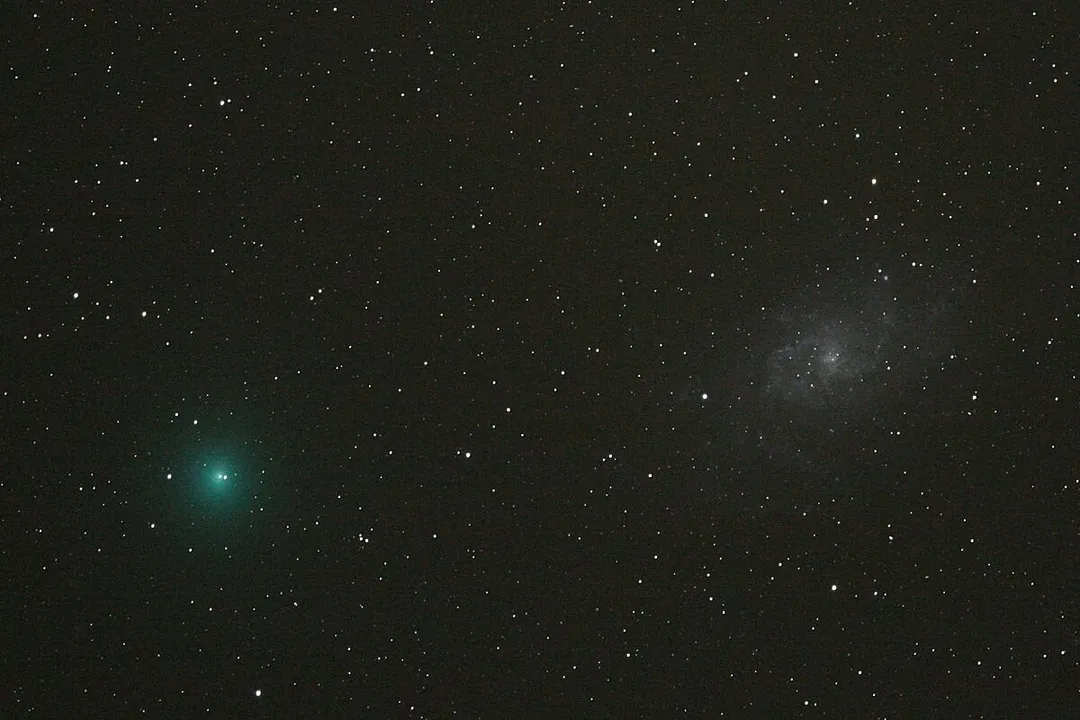
Once you have secured a dark location, the actual way you position yourself matters for comfort and observation efficiency. You do not need a telescope or binoculars for a meteor shower; these instruments actually narrow your field of view, causing you to miss the best action. [4] Instead, spread out a blanket or set up a reclining chair. The goal is to comfortably take in as much of the sky as possible. [4]
The radiant point itself, in Gemini, is not the best place to stare directly. While meteors appearing closest to the radiant will be short and stubby, the most visually appealing meteors, often referred to as Earth-grazers, appear near the horizon along the edges of the radiant's visible cone. [2] These long, slow-moving streaks travel across a large section of the sky and are often the brightest members of the shower. [2] Think of it this way: watching near the radiant guarantees you see meteors, but watching slightly away from it increases your chance of catching those spectacular, protracted streaks that cut across the entire overhead view.
To optimize this, find the spot where you can comfortably look upward and slightly outward from the radiant's location in the sky, perhaps looking toward the East or South shortly after midnight, depending on the exact timing of the peak and your local horizon. If you manage to find a truly pristine, dark sky location—one where you can clearly see the Milky Way stretching overhead—the radiant's location becomes less important than simply keeping your eyes adjusted to the dark. Give your eyes at least 20 to 30 minutes of darkness before trying to count anything; this allows your pupils to fully dilate and achieve maximum light sensitivity. [4]
# Preparation Checklist
Securing the best view requires more than just finding a patch of dark ground; it involves preparing for the cool December nights and the long wait above. Dress in warm layers, perhaps even packing a thermos of hot chocolate or coffee, as temperatures drop significantly after sunset, especially when you are stationary for hours. [1][6]
Here is a quick summary of steps to follow once you have selected your general viewing region:
- Confirm Peak: Double-check the exact date and predicted peak time for the current year, accounting for local time zones. [2]
- Drive Out: Travel well away from city lights. Use light pollution maps to target areas rated Bortle 4 or better if possible. [4][5]
- Set Up Comfort: Bring a reclining chair, sleeping bag, or blanket. Viewing is most enjoyable when you are lying down and looking up. [4]
- Dark Adaptation: Arrive before the peak time, turn off all artificial lights (including phone screens unless using a heavily dimmed red-light mode), and let your eyes adjust completely. [4]
- Patience: The best activity often occurs over several hours post-midnight, so settle in and wait for Phaethon's debris to put on its show. [2]
By combining the peak timing—the middle of December, after midnight—with the necessary sacrifice of comfort to reach true darkness, you stand the best chance of witnessing the intense, dependable glow of the Geminid meteor shower. [1][2][4]
#Videos
Geminid Meteor Shower 2025: Viewing Guide - YouTube
Related Questions
#Citations
Geminid meteor shower 2025 — When, where and how to see it
Geminid meteor shower peaks December 13-14 - EarthSky
Geminids viewing in SoCal : r/Astronomy - Reddit
The Ursid meteor shower 2025: How to watch | The Planetary Society
Hi everyone! I'm planning to watch the Geminid meteor shower on ...
When and where to see the Geminid meteor shower from California
Geminid Meteor Shower 2025: Viewing Guide - YouTube
The Geminid Meteor Shower Peaks Tonight. Here's How to See It.