What are meteor fragments that reach the ground called?
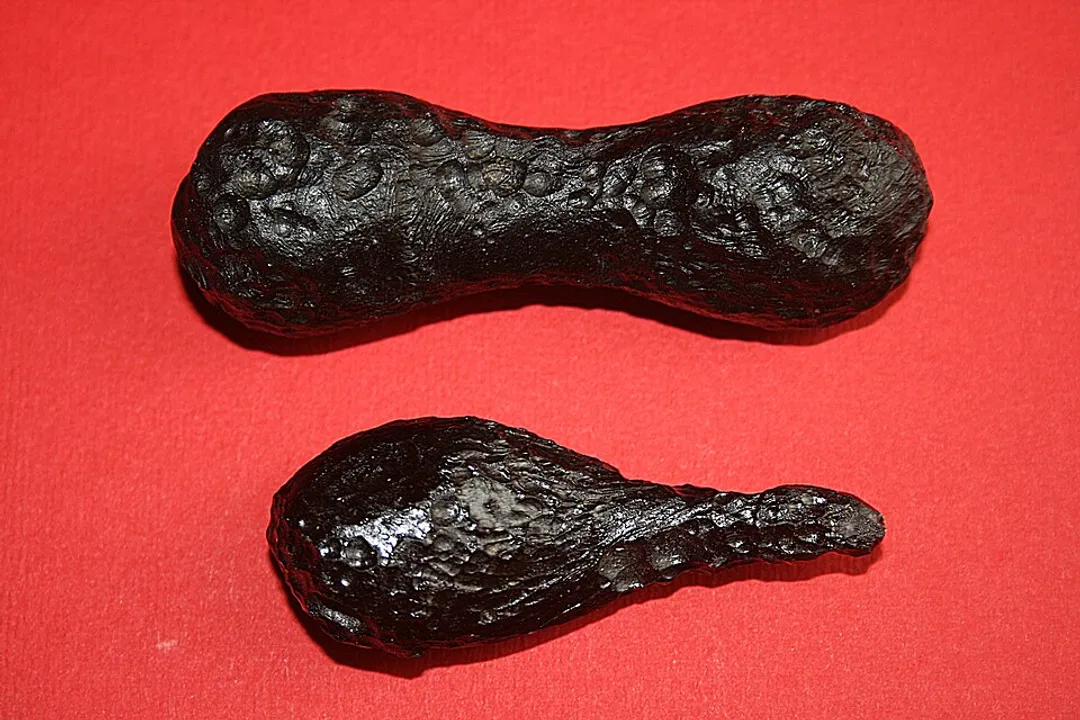
The final name for a space rock that survives its fiery trip through Earth's atmosphere and lands on the ground is a meteorite. [2][3][6] Before reaching the solid surface of our planet, this visitor from the cosmos carries different designations that define its location or current state of transit. [1][8] Understanding the terminology—meteoroid, meteor, and meteorite—is key to appreciating the incredible process these objects undergo. [1]
# Space Vocabulary
The entire sequence of events, from drifting in space to resting on Earth, involves a clear progression of names. [8] It is important to distinguish between these stages, as they describe the object's environment and interaction with our world. [1]
# Meteoroid Definition
In the vacuum of space, orbiting the Sun, the object is known as a meteoroid. [1][8] Meteoroids are essentially small fragments of asteroids or sometimes comet debris. [1] While the definition can sometimes be fluid across different scientific communities, a meteoroid is generally defined by its size, ranging from the microscopic—dust particles—up to about one meter in diameter. [1] Objects larger than this are typically categorized as asteroids. [1] The distinction between a small asteroid and a large meteoroid can sometimes rely on orbital characteristics, but size is the primary identifier in many contexts. [1] It is a common misconception to confuse these terms, as news outlets have sometimes incorrectly referred to meteorites as asteroids or meteoroids after they have landed. [4]
# Meteor Display
When a meteoroid enters the Earth's atmosphere, friction with the air causes it to heat up intensely, vaporizing much of the material and creating a visible streak of light. [2][8] This luminous phenomenon is what we call a meteor. [8] Meteors are often referred to colloquially as "shooting stars," even though they have nothing to do with actual stars. [9] The speed at which these objects collide with the atmosphere is astonishing, frequently measured in tens of thousands of miles per hour. [2] The light we see is not the rock itself burning up entirely, but rather the superheated air surrounding the object as it decelerates rapidly. [8] If a meteor becomes exceptionally bright—brighter than the planet Venus—it earns the specific designation of a fireball. [9] If a fireball is so brilliant that it persists for a significant period, it might even be classified as a bolide. [9]
# The Final Form
If the original meteoroid is massive enough that a portion of it survives the atmospheric ablation and actually strikes the Earth's surface, it is then officially termed a meteorite. [3][6] This name signifies the end of its airborne status and its beginning as a geological specimen. [3] The change in nomenclature is crucial: the object is a meteoroid in space, a meteor in the sky, and a meteorite on the ground. [1][8]
# Atmospheric Passage and Impact
The journey from space to surface is violent and brief, fundamentally altering the physical and chemical composition of the incoming material. [2]
# Ablation and Fusion Crust
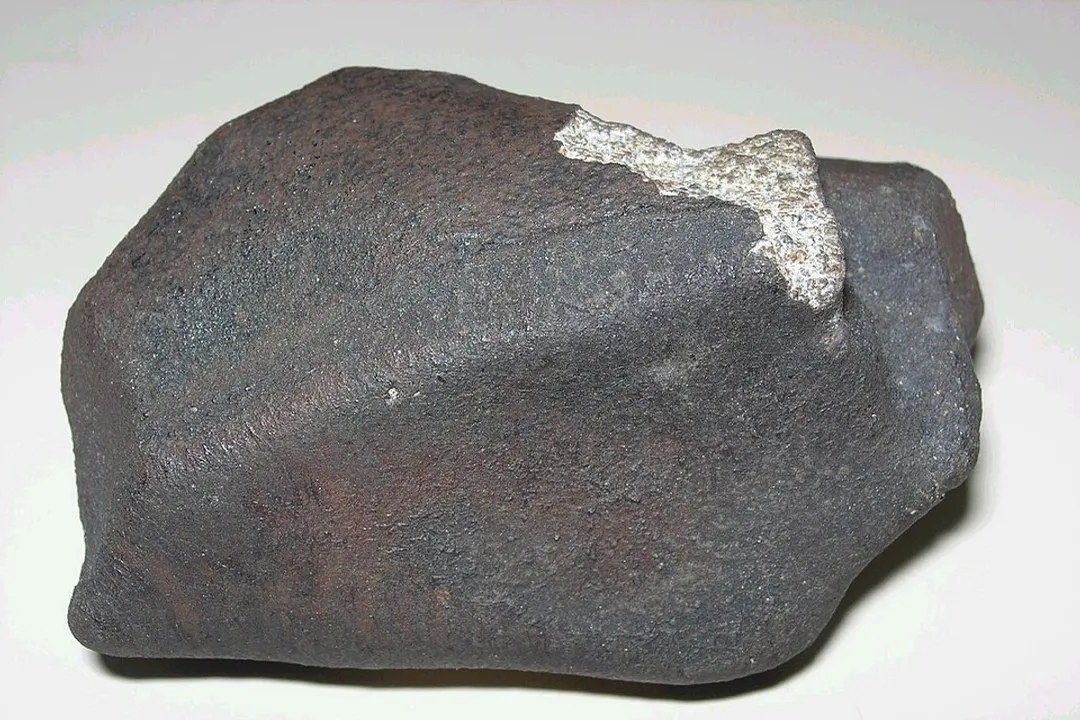
As the meteoroid plunges through the atmosphere, intense aerodynamic heating occurs. [2] This process, known as ablation, causes the outer layers of the rock to melt and vaporize. [2] The resultant melted material is often blown away, but a small portion solidifies almost instantly upon cooling, forming a thin, dark outer layer known as the fusion crust. [6] This crust is one of the most telling physical signs that a rock is a genuine meteorite rather than a terrestrial rock mistaken for one. [6] Furthermore, the rapid heating and cooling can cause internal stresses, sometimes leading to fracturing or spalling of the rock. [2]
# Speed Attenuation
Despite entering the atmosphere at tremendous velocities, the drag exerted by the air slows the object considerably. [2] A meteoroid entering at over 25,000 mph might slow down to just a few hundred miles per hour by the time it reaches the ground, depending on its initial mass and atmospheric entry angle. [2] This deceleration is why most fragments that land are not traveling fast enough to create a massive crater; they are decelerating aerobraking rather than purely ballistic impactors. [2]
An interesting physical consequence of this rapid deceleration is that smaller meteorites often exhibit features indicating they cooled from a molten state, but their final impact velocity is relatively slow. For instance, a grapefruit-sized meteorite might hit the ground no faster than a dropped stone, although its surface tells the story of cosmic speeds.
# Meteorite Classification
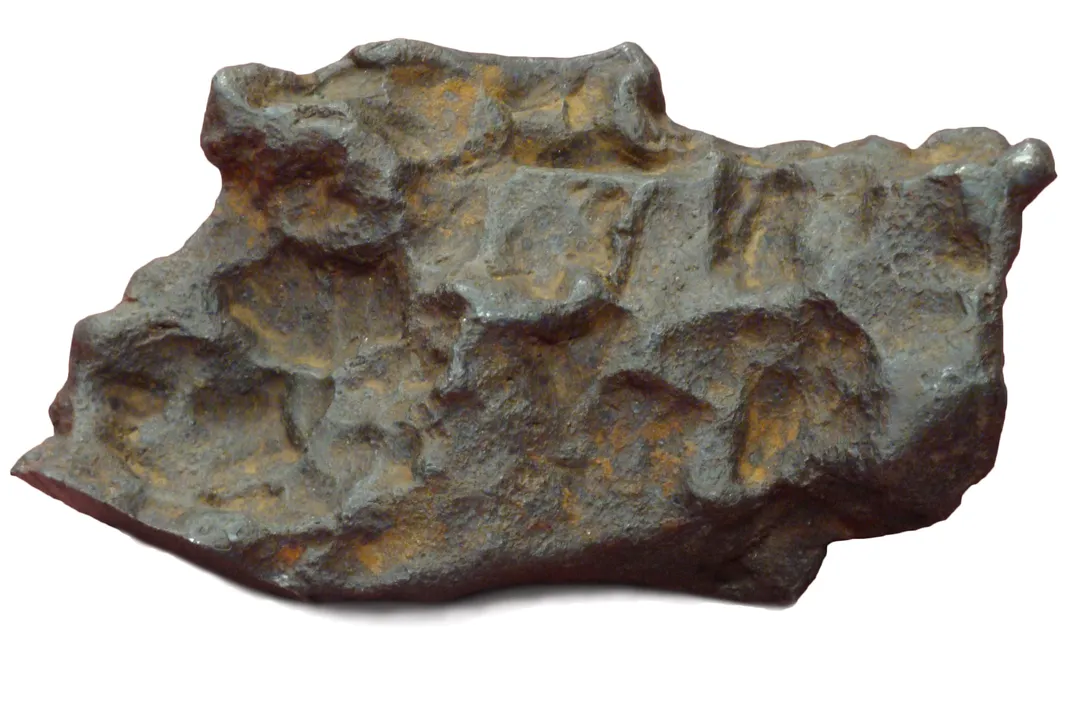
Once collected, meteorites are classified based on their primary mineral and chemical composition, which directly relates to their parent body in the Solar System. [3] They generally fall into three main groups: stones, irons, and stony-irons. [3][6]
# Stony Types
Stony meteorites are the most common type to reach the ground, making up about 94% of all falls. [3] These are primarily composed of silicate minerals. [3]
- Chondrites: These are the most abundant type of stony meteorite and are considered primitive material, having never undergone significant melting or differentiation since the birth of the Solar System about 4.56 billion years ago. [3] They are characterized by small, glassy spheres called chondrules. [3]
- Achondrites: Unlike chondrites, achondrites have been melted or differentiated, often resembling terrestrial igneous rocks like basalt. [3] They are frequently sourced from larger, differentiated bodies such as the Moon or Mars. [3]
# Iron and Stony-Iron
The remaining percentage of meteorites are composed primarily of metal or a mix of metal and rock. [3]
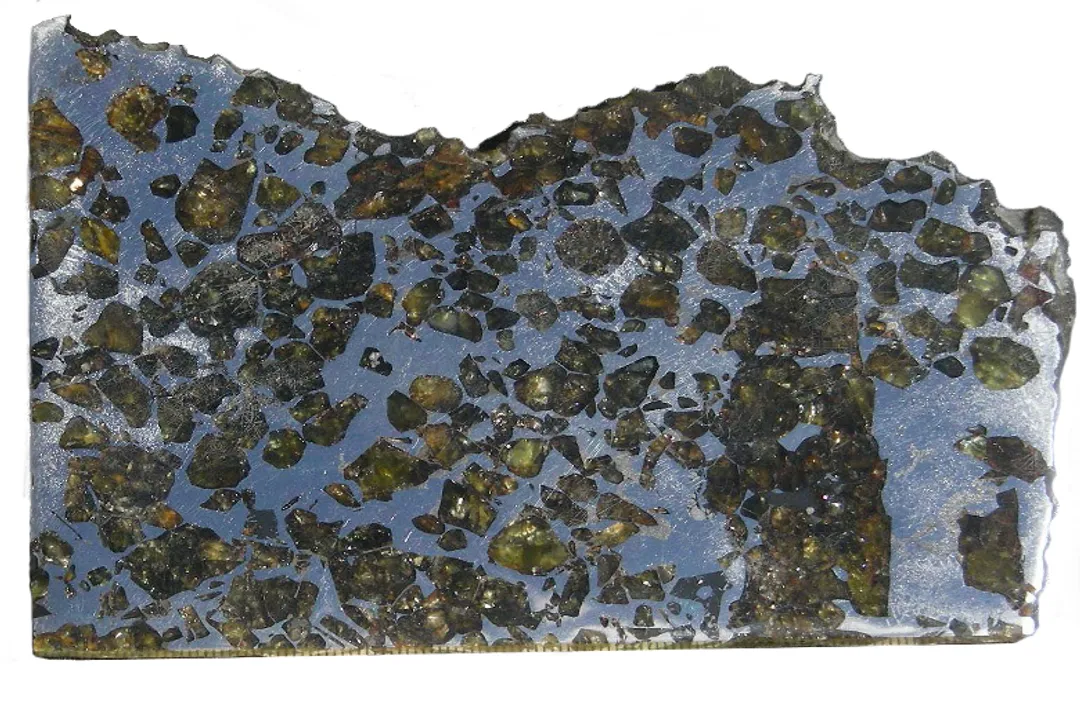
- Iron Meteorites: Comprising about 5% of falls, these are fragments of the nickel-iron cores of ancient, shattered planetary bodies. [3] They are quite dense and are easily identifiable by their metallic appearance, strength, and high iron content. [6] When cut, polished, and etched with acid, many iron meteorites reveal intricate crystalline patterns called the Widmanstätten figures, which are definitive proof of their extraterrestrial origin and long, slow cooling deep within a parent body. [6]
- Stony-Iron Meteorites: These are the rarest, making up only about 1% of known falls. [3] They represent a mixture of silicate minerals and nickel-iron metal, suggesting they originated from the transitional region between a molten core and rocky mantle of a differentiated parent body. [3]
# Identification and Provenance
Distinguishing a genuine meteorite from an Earth rock that simply looks metallic or dark is a frequent challenge for newcomers to the field. [5] Terrestrial rocks can sometimes mimic meteorite characteristics due to weathering or geological processes, leading to many false identifications, often called "meteor-wrongs". [5]
# Key Characteristics
A fresh meteorite typically possesses a few distinct features that aid in identification: [6]
- Fusion Crust: As mentioned, a thin, dark, glassy exterior layer resulting from atmospheric entry. [6]
- Density: Iron and stony-iron meteorites are often noticeably heavier than common terrestrial rocks of the same size due to their high metal content. [6]
- Magnetism: Most meteorites contain enough nickel-iron to be attracted to a magnet. [6] While many terrestrial rocks are also magnetic (like magnetite), this property, combined with others, is suggestive. [5]
- Regmaglypts: These are shallow, thumbprint-like depressions on the surface, caused by ablation and airflow during descent. [2]
When assessing a potential find, it is helpful to consider the context of the environment. If you find a heavy, dark, magnetic rock in a region known for having many ancient, stable landmasses with minimal recent geological activity—say, the deserts of North Africa or Antarctica—the probability of it being a meteorite is significantly higher than finding the same object in a geologically active, iron-rich volcanic region. [7]
For those beginning meteorite hunting in less famous locales, a helpful diagnostic step involves cleaning off the outer crust (gently, perhaps with fine sandpaper if you suspect it is a genuine iron or stony-iron) to examine the interior metal content. If it appears uniform, metallic, and strongly magnetic throughout, it warrants further professional analysis. Conversely, if the darkness is just a thin, easily scraped-off coating on a pale, porous interior, it is likely terrestrial slag or a common iron oxide nodule.
# Sources of Origin
Meteorites offer tangible samples of the Solar System's formation, providing materials that formed billions of years ago. [3] They are messengers from outer space, telling stories about the materials that coalesced into the planets. [3] While most originate from the asteroid belt between Mars and Jupiter, some have far more exotic paths. [3] A small but significant percentage are ejected from the Moon or even Mars due to massive impacts on those bodies, offering scientists samples of other worlds that are far more accessible than sending a probe. [3]
# Preservation and Study
Once a meteorite is found, its preservation becomes paramount to scientific investigation. [7] Exposure to Earth’s environment—particularly moisture and biological activity—can cause rapid terrestrial weathering, which destroys the very characteristics scientists seek to study. [7]
For example, iron meteorites can rust quite quickly when exposed to rain and humidity. [7] Stony meteorites, especially those that fell recently, might retain fusion crusts and internal structures that are lost if they sit on damp ground for decades. [7] For researchers, it is vital that newly discovered specimens are collected and stored properly, often in dry, controlled environments, to maintain their pristine state. [7] The chemical and isotopic data locked within these rocks provides a timeline of the early Solar System, making the initial recovery and storage procedure almost as critical as the analysis itself. [3] These ancient travelers are invaluable, not just as curiosities, but as time capsules that predate our own world. [3]
Related Questions
#Citations
Meteoroid - Wikipedia
Meteors and Meteorites: Facts - NASA Science
Meteorites: Messengers From Outer Space
Different outlets have referred to them as asteroids, meteoroids ...
Meteorites and meteor-wrongs - Natural History Museum
What is the Difference Between a Meteor, Meteoroid and Meteorite?
Frequently Asked Questions - The UCLA Meteorite Museum
Meteor, a space debris particle flying through the atmosphere
Meteor FAQs