What is a meteor called when it hits the ground?
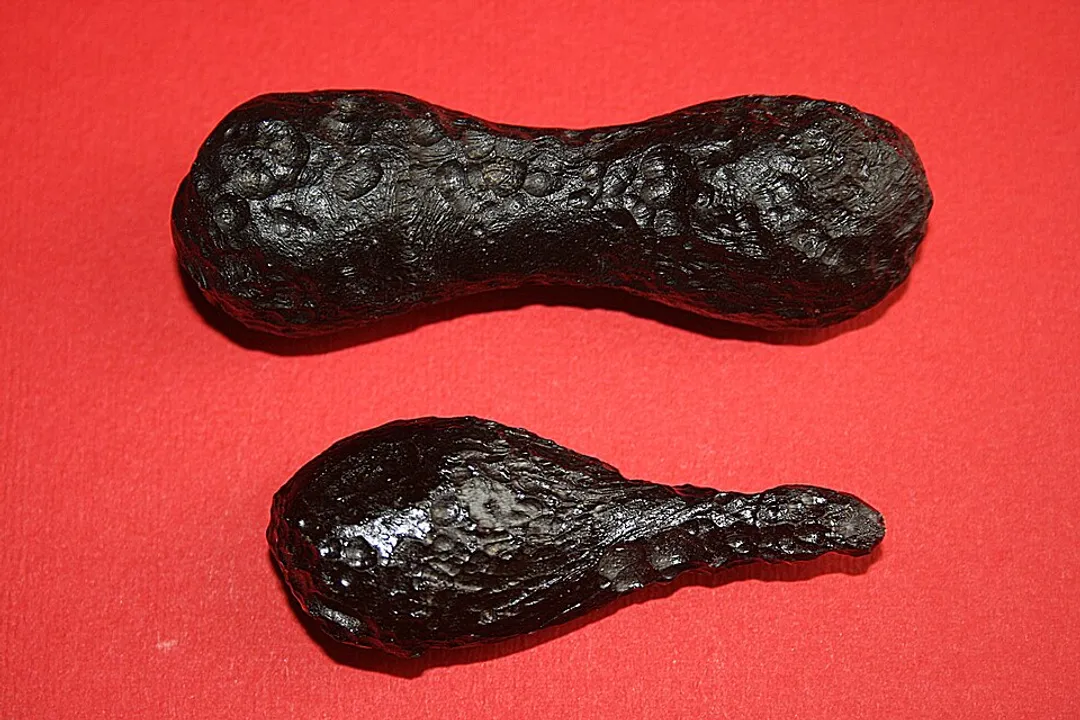
The passage of a space rock through our atmosphere is a natural spectacle, one that captures the imagination and has fascinated humanity for millennia. A streak of light blazing across the night sky—what we often call a "shooting star"—is the most visible part of this cosmic event. However, the object itself goes through several distinct name changes depending on its location and whether it survives its fiery descent to touch down on our planet's surface. Understanding these differences clarifies exactly what celestial visitor we are observing, or perhaps even holding in our hands.
# Space Object
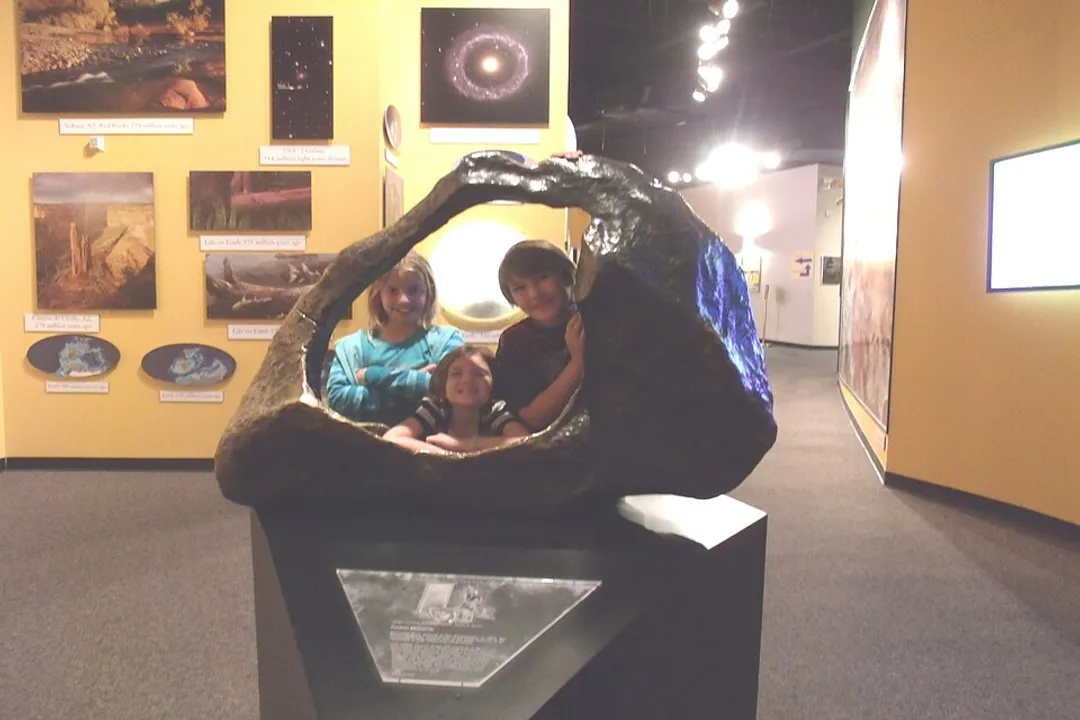
Before an object ever becomes a visible streak in the atmosphere, it is merely a piece of debris floating in the vacuum of space, known as a meteoroid. Meteoroids are generally much smaller than asteroids, though the size distinction can sometimes be blurry. A meteoroid can range in size from a tiny grain of dust up to about one meter across. Any object larger than that one meter threshold orbiting the Sun is usually categorized as an asteroid.
These tiny travelers originate from various sources within the solar system. Some are fragments broken off from larger bodies, like asteroids, through collisions in space. Others are debris shed by comets as they orbit closer to the Sun, causing their icy components to vaporize and release dust and rock along their orbital paths. They are essentially the leftovers from the formation of the solar system, or the results of more recent cosmic smash-ups. While most meteoroids pose no threat, their sheer numbers mean that countless tiny particles enter Earth's atmosphere every day.
# Atmospheric Fire
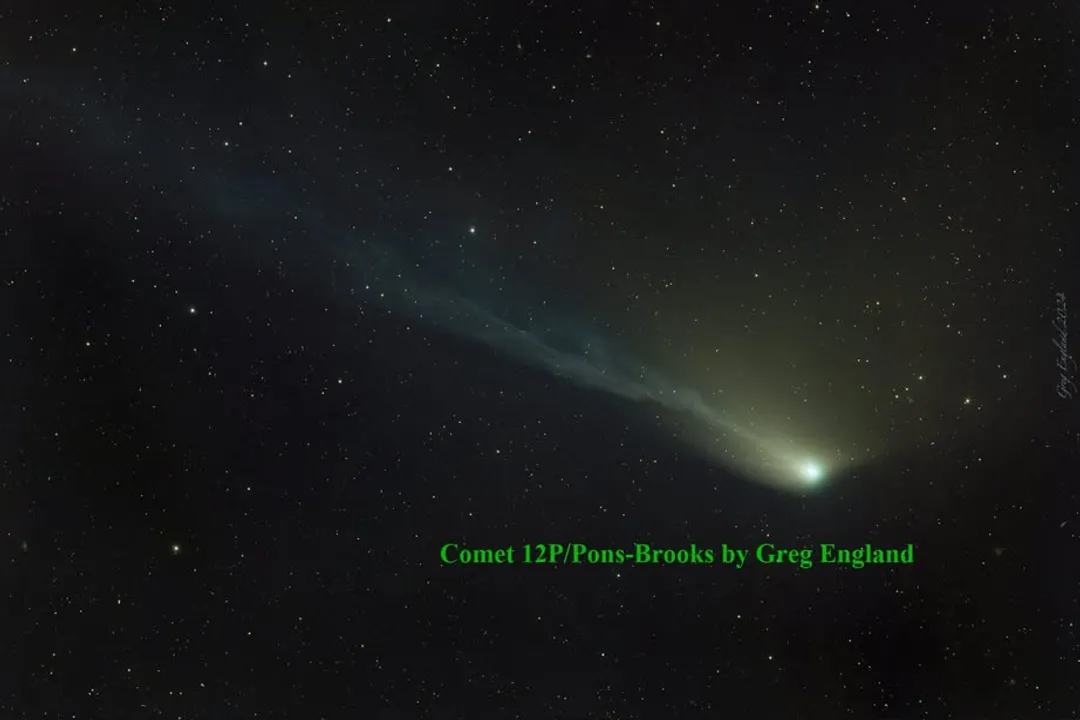
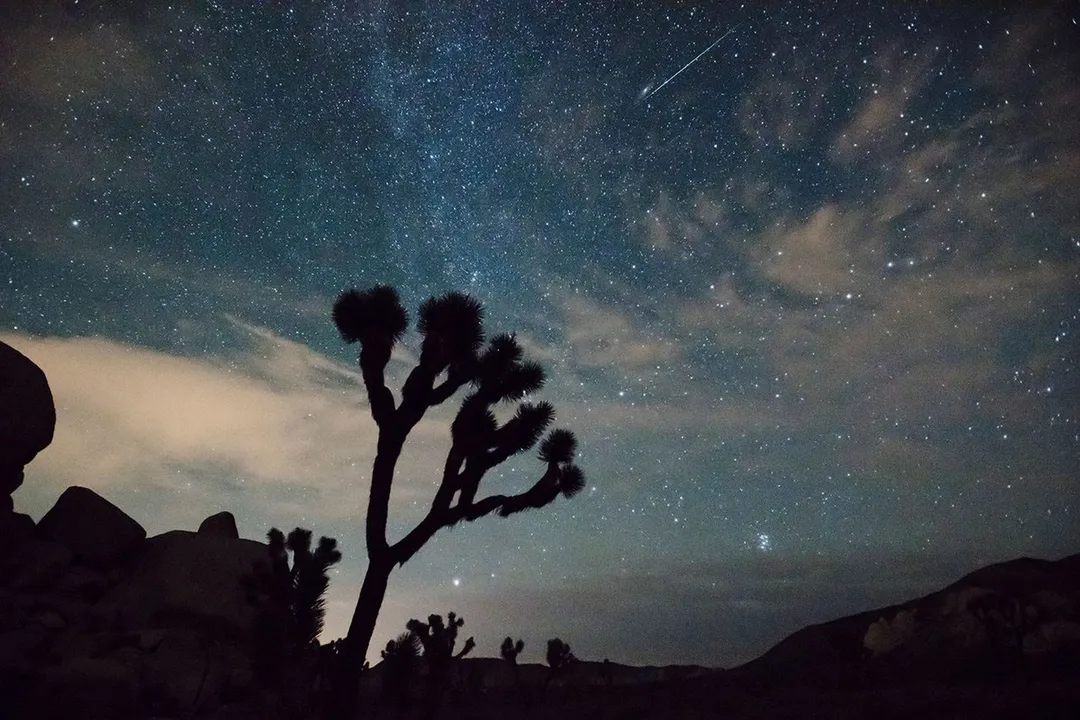
When one of these space rocks, a meteoroid, encounters Earth's atmosphere, the process of atmospheric entry begins, and its name changes once again. As the object plummets through the air at tremendous speed—often tens of thousands of miles per hour—it collides with air molecules. This intense friction and compression of air in front of the object cause it to heat up dramatically. The superheated air surrounding the rapidly moving object creates the brilliant streak of light we witness, which is the meteor.
This luminous phenomenon is often casually referred to as a shooting star. While the term "shooting star" is poetic, it is technically inaccurate; these are not stars but rather small bits of rock or metal burning up high above us, usually many miles up in the mesosphere. Most meteoroids are so small that they completely disintegrate as meteors, never reaching the ground. If a meteor is exceptionally bright, much brighter than the planet Venus, it earns a specific designation: a fireball. Even more intense fireballs that explode in the atmosphere are sometimes called bolides.
Thinking about the sheer energy involved in creating that light offers a perspective shift. A pea-sized particle entering the atmosphere at 40,000 miles per hour might generate a light show that lasts only a second, but the kinetic energy released is immense. If that object were larger, say the size of a basketball, the heat and light would be blinding, often causing sonic booms as it breaks apart—a true demonstration of physics playing out in real time above our heads.
# Ground Impact
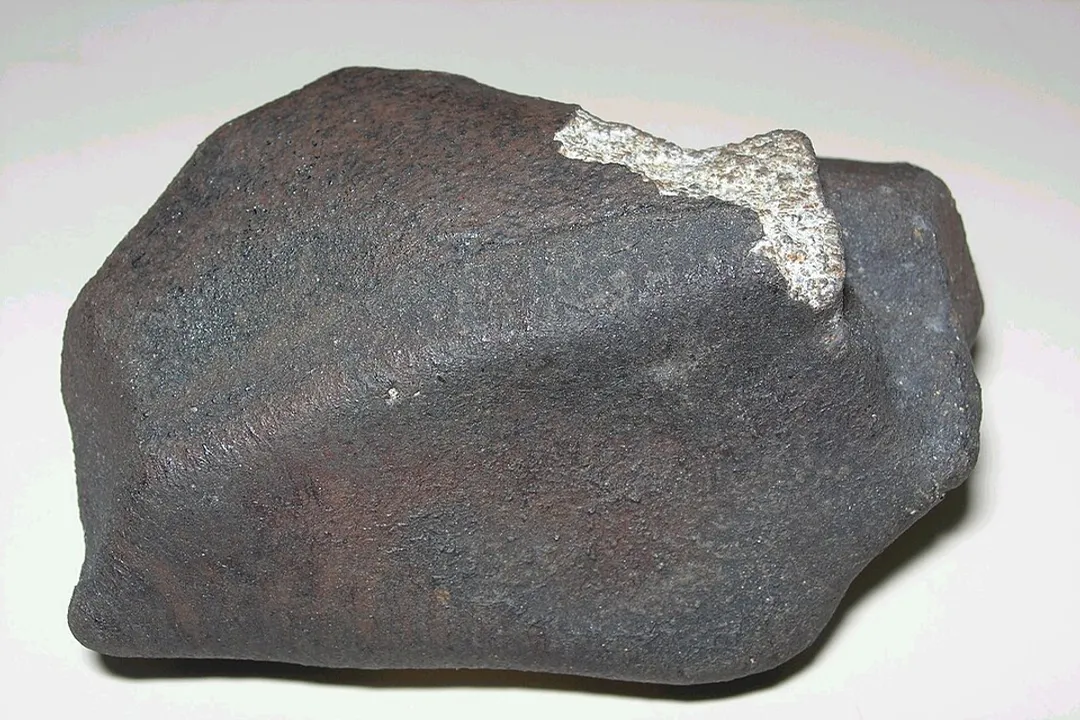
The crucial moment arrives when the original object—the meteoroid—is large and durable enough to survive the intense heat and ablation (burning away) during its passage as a meteor, and actually strikes the Earth's surface. When this happens, the surviving remnant is finally called a meteorite. This is the definitive answer to what the object is called once it lands.
The journey from space to ground is violent. Objects that become meteorites often experience extreme thermal shock. While the outer layers can heat up to incandescence—making them glow—the interior often remains relatively cool. Upon impact, the rock might form a fusion crust, a thin, dark layer melted from atmospheric friction, which can be one of the telltale signs of a genuine meteorite. The impact site itself can range from a small depression to a massive crater, depending on the size and velocity of the object at the moment of contact.
It is important to note that a significant portion of what people find on the ground are often terrestrial rocks, not actual space visitors. Differentiating a real meteorite from terrestrial rocks requires specific characteristics, which is why expert verification is essential for finds in fields or deserts.
# Rock Types
Meteorites are not monolithic; they come in several distinct classes based on their chemical composition, offering scientists clues about their parent bodies in the asteroid belt or elsewhere. These types fall into three primary categories: stones, irons, and stony-irons.
Stony meteorites are the most common type found, accounting for about 94% of all finds. These are primarily composed of silicate minerals. Within this group, the most primitive and scientifically valuable are chondrites, which are undifferentiated rocky bodies that have not changed much since the solar system formed about 4.56 billion years ago. Another major group of stony meteorites is the achondrites, which are fragments from larger bodies that underwent melting and differentiation, much like Earth's own layered structure.
Iron meteorites are much rarer finds on the surface, making up only about 5% of recoveries, though they are easier to spot because they are dense and stand out against the local soil. They are composed almost entirely of iron and nickel alloy. If you cut an iron meteorite and polish it, you can often see intricate, intersecting crystalline patterns known as the Widmanstätten patterns, which form only through extremely slow cooling over millions of years deep within a large parent body.
Stony-iron meteorites are the rarest of all, representing just 1% of finds, and they contain roughly equal parts of silicate minerals and the iron-nickel alloy. The most famous stony-irons are the pallasites, which feature shimmering olivine crystals embedded in a metallic matrix. Finding a pallasite is considered a significant event in the collecting world due to their beauty and rarity.
| Meteorite Class | Primary Composition | Approximate Percentage Found | Key Feature |
|---|---|---|---|
| Stony | Silicates (Rock) | 94% | Chondrules (in chondrites) |
| Iron | Iron-Nickel Metal | 5% | Widmanstätten patterns |
| Stony-Iron | Silicates and Metal | 1% | Olivine crystals (in pallasites) |
# Scientific Messengers
Meteorites are far more than just interesting rocks; they are tangible connections to the earliest days of our solar system. Because they have not been subjected to the geological processes that constantly recycle Earth's surface—like plate tectonics, erosion, and volcanism—they act as pristine samples of the original building blocks of the planets. Analyzing their composition allows scientists to piece together the chemical history and evolution of the solar system. They provide direct evidence about the materials that accreted to form the Sun, Earth, and other planets. For example, certain rare meteorites, like the Martian or Lunar meteorites (rocks ejected from Mars or the Moon by large impacts that eventually fell to Earth), offer samples of other worlds without requiring expensive sample-return missions.
This deep dive into extraterrestrial material requires specialized handling. When a meteorite is found, particularly one that appears fresh, its exterior fusion crust can be rapidly altered by terrestrial weathering, especially if it falls in a wet or humid environment. It is often recommended that a freshly fallen specimen be wrapped in paper towels and stored in a sealed plastic bag, avoiding direct contact with bare hands to prevent chemical contamination from skin oils, which can obscure the original chemical signatures vital for scientific study. This precaution helps maintain the integrity of the "time capsule" contained within the rock.
# Separating Space Debris
To truly appreciate the significance of a meteorite, it helps to clearly distinguish it from its cousins in space: asteroids and comets. All three terms—asteroid, comet, and meteoroid—refer to objects orbiting the Sun, but they are classified based on their composition and size.
Asteroids are generally rocky or metallic bodies larger than one meter in diameter, primarily residing in the asteroid belt between Mars and Jupiter. They are remnants from the early solar system that never coalesced into a planet.
Comets, on the other hand, are often described as "dirty snowballs". They are made of ice, dust, and rocky material. When a comet approaches the Sun, the ice vaporizes, creating a fuzzy atmosphere (coma) and often a spectacular tail, a feature never associated with asteroids or meteoroids.
Meteoroids are the smallest of these natural orbiting bodies, defined by their size range (usually under one meter). It is the meteoroid that becomes a meteor in the sky, and potentially a meteorite on the ground. The difference is purely positional and sequential in the event of an atmospheric encounter.
# Finding Local Examples
While major meteorites often end up in large museums, smaller, more common finds happen frequently worldwide. Geologists estimate that about 17,000 meteorites fall to Earth annually, though the vast majority land unnoticed in oceans or remote wilderness areas. This means that if you live in an area with sparse vegetation and relatively stable weather, like a desert or perhaps a snow-covered region where the contrast is high, your chances of spotting a recent fall are statistically higher than someone in a dense, wet forest.
If you are serious about searching, understanding the typical appearance of a fresh meteorite is key. A recent fall will likely exhibit that dark fusion crust. It will also possess a relatively high density due to the presence of iron, feeling much heavier for its size than an ordinary piece of terrestrial granite or sandstone. Furthermore, many meteorites contain a small amount of native iron, meaning they will attract a magnet, though not all do, especially if they are heavily weathered stones.
For those living in North America, particularly in the central or western United States where the density of amateur rockhounds and geological surveys is high, local universities or natural history museums often maintain contact lists for meteorite verification. If you suspect you have found something truly significant, reaching out to regional experts rather than attempting to clean or alter the specimen yourself ensures that the scientific data locked within that extraterrestrial rock remains intact for analysis. This process adheres to the scientific trust placed in these extraterrestrial messengers.
Related Questions
#Citations
Meteors and Meteorites - NASA Science
Meteoroid - Wikipedia
What is the Difference Between a Meteor, Meteoroid and Meteorite?
Meteoroid - National Geographic Education
Asteroids vs comets vs meteorites/meteoroids/meteors
Understanding Meteoroids, Meteors, and Fireballs in Space
Meteorites: Messengers From Outer Space
Scientists Say: Asteroid, meteor and meteorite
Flexi answers - What is a meteor called when it hits the Earth? - CK-12