What causes blue meteors?
The fleeting streak we call a meteor, or shooting star, paints the night sky with light, and the color of that light is far from random. It acts as a cosmic fingerprint, revealing the chemical makeup of the object as it vaporizes in our atmosphere, along with the sheer violence of its entry. [1][4][6] While we often see white or yellow flashes, capturing a distinctly blue meteor is a rarer treat, one directly linked to specific elements meeting extreme atmospheric friction. [2][3]
# Chemical Signatures
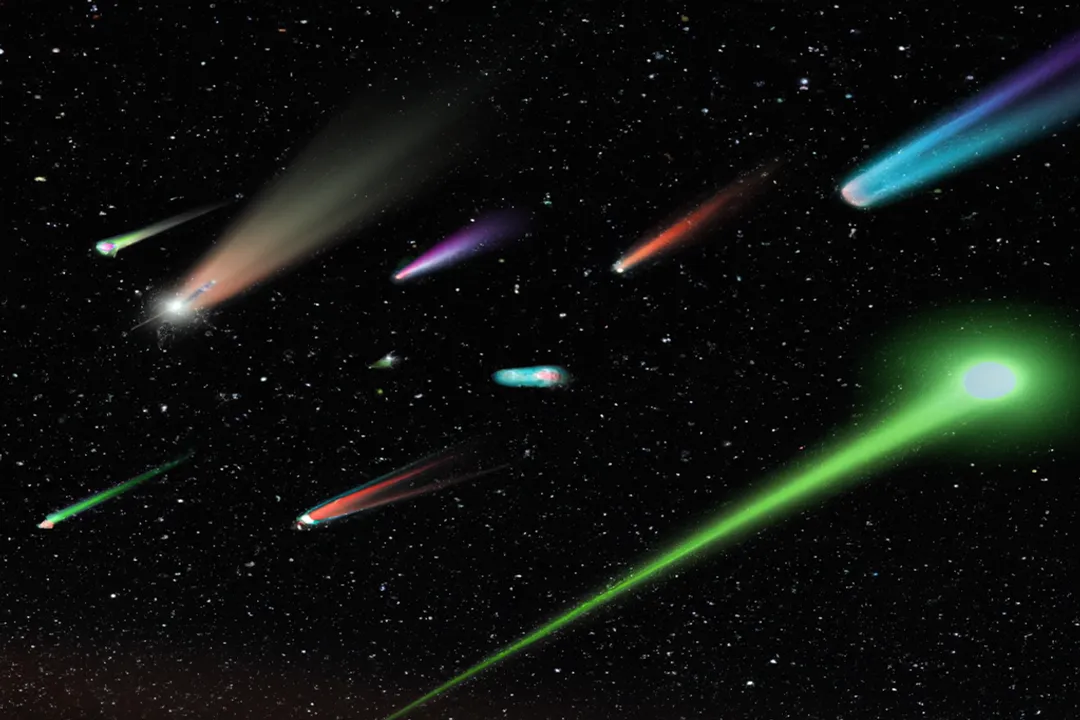
When a meteoroid—a piece of dust or rock from space—plows into Earth's atmosphere at tens of thousands of miles per hour, the intense friction compresses and heats the air in front of it, causing ablation. [4] This process superheats the surface of the meteoroid, causing its constituent materials to vaporize and become excited. [2][4] As these superheated atoms settle back to their normal energy states, they release photons—light—at specific wavelengths characteristic of the element that created them. [4] This is fundamentally the same process that powers neon signs, but instead of electricity, the energy comes from hypersonic drag. [2]
Different elements glow in predictable colors when excited:
- Sodium () typically lends a bright yellow or orange hue to the light show. [2][3]
- Iron (), a very common component, often contributes a yellow-white color. [2][3]
- Calcium () is responsible for producing violet or purple light. [2][3]
- Magnesium () is a key player when we observe greener or bluer tones. [2][3][6]
If a meteor appears bright yellow-white, it suggests a substantial iron content, while a deep violet flash points toward the presence of calcium atoms being excited in the streak. [2][3]
# The Blue Connection
The appearance of a blue or blue-green meteor is primarily traced back to the vaporization of magnesium. [2][6][7] Magnesium atoms, when subjected to the intense heat of atmospheric entry, emit light in the blue-green part of the spectrum. [3] This element is a common constituent of rocky bodies, meaning it is readily available to cause these vibrant blue flashes. [7] One observer might describe the event as blue-green, while another, depending on the speed and altitude, might categorize it as distinctly cyan or blue. [8]
Furthermore, the presence of silicon has also been implicated in contributing a blue tint to the overall emission spectrum. [7][8] While magnesium is the signature element often associated with the most vivid blue-green displays, silicon can mix with it or other elements to shift the resulting color toward the blue end of the visual range. [8] The specific ratio of these elements dictates the exact resulting color, creating a unique, short-lived signature for that particular space rock. [4]
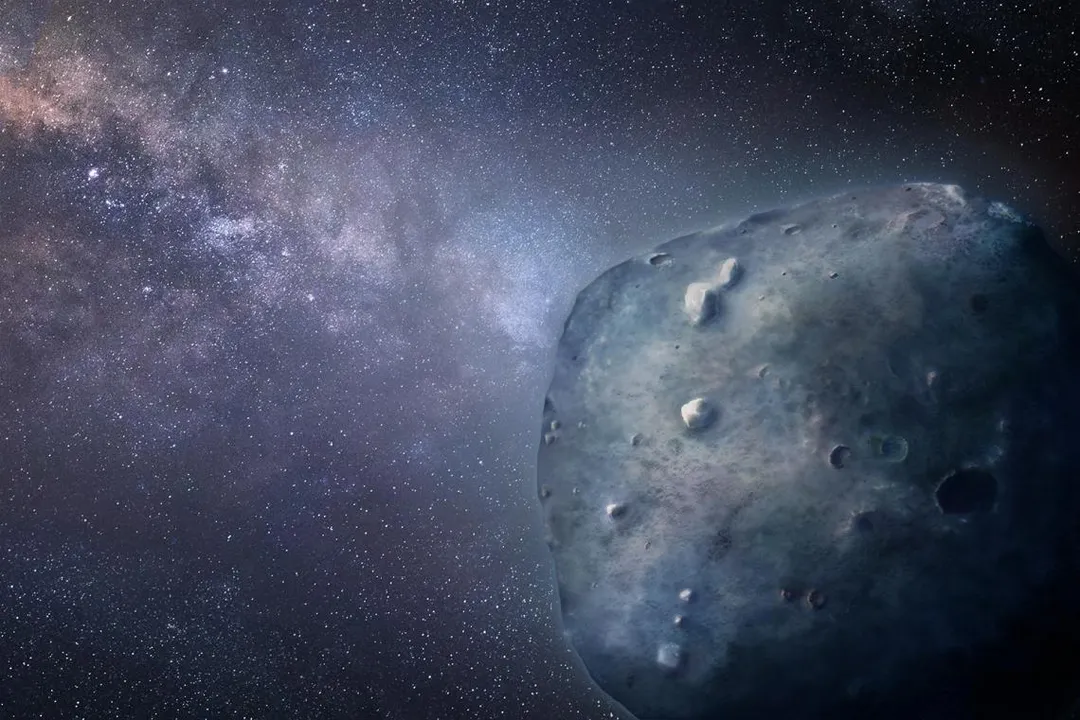
A less common, though related, cause for a blue appearance can stem from thermal emission itself, rather than just atomic excitation. For instance, the asteroid 2005 YU55 (Phaethon), composed largely of silicates and carbonaceous material, has been noted to exhibit a blue color potentially resulting from thermal emission during intense heating, which is distinct from the characteristic color signature produced by specific trace elements. [7]
When analyzing how these elements contribute to the visible light, it’s fascinating to consider that a tiny shift in the atomic structure—the energy levels available for electron transitions—is what separates a brilliant yellow from a cool blue. [2][3] A meteor, in its final moments, functions as a rapid, natural emission spectrometer, broadcasting its building blocks across the sky. [2]
# Speed Temperature
The chemical recipe of the meteoroid is only half the story; the speed at which it encounters our atmosphere is the other critical variable that dictates the color we perceive. [1][3][9] Entry velocity directly influences the temperature achieved during the ablation phase. [4] A slower-moving meteoroid might not reach the necessary temperatures to excite the more energy-demanding elements into producing their characteristic light, or it might burn up at a lower altitude where atmospheric gases dominate the emission. [2]
Meteors entering at very fast speeds generate extreme heat, which can promote the ionization of both the vaporized meteoroid material and the surrounding atmospheric gases. [2][8] These hotter, faster meteors are more likely to produce the more energetic blue and green light. [2] If a body is traveling particularly quickly, the heat generated might be so intense that the resulting emission is dominated by the higher-energy blue light, often overriding the softer yellows and oranges produced by slower ablation. [2]
# Atmospheric Glow
While the elements within the space rock determine the primary colors, the air itself glows too, especially when subjected to extreme conditions. [2] The upper layers of Earth's atmosphere are composed primarily of Nitrogen () and Oxygen (). [2] When these gases are intensely energized by a very fast-moving meteor's shockwave, they too emit light, which can manifest as pink, red, or, depending on the exact altitude and gas abundance, a blue glow. [2][8] Therefore, a blue streak can be a result of magnesium ionization, or it could be the superheated atmospheric gas responding to the passage of any sufficiently fast object. [8]
If you are tracking a meteor that appears cyan or blue-green, consider whether it is a classic magnesium signature or if it is a very fast entry where the atmospheric nitrogen is contributing to the blue/violet end of the spectrum near the leading edge of the plasma trail. [8] Experienced observers sometimes note a general blueness accompanying the trails of the fastest entries, which points to this atmospheric effect playing a strong supporting role. [2]
# Distinguishing Light from Rock
It is important to separate the temporary light phenomenon observed in the sky from the physical material that eventually lands on Earth, should it survive the fiery transit. [5] A meteorite found on the ground might have a completely different color profile than the meteor it created. For example, some meteorites contain olivine crystals, a silicate mineral that often appears green. [5] However, finding a meteorite with distinct blue crystals is rare in this context, as the blue light seen in the sky is due to vaporized material in the air, not the existing minerals in the rock itself. [5] The blue coloration in geological samples like olivine is the result of formation conditions early in the Solar System's history, such as the intense phase when our Sun was young—sometimes referred to as its "terrible twos"—which affected crystal structure, rather than the physics of atmospheric ablation. [5]
A helpful way to conceptualize this difference is to think of the sky event as an emission spectrum snapshot of gas, while the recovered rock is a reflection spectrum snapshot of solid minerals. [4][5] The light we see is transient and hot; the rock we hold is cool and ancient. [5]
# Observation Notes
For those keen to spot these blue events, the most effective strategy is to watch during major meteor showers known for fast-moving debris, such as the Perseids or Leonids. [1][9] While the radiant point of the shower can offer statistical advantages, any very fast meteor entering the upper atmosphere offers the best chance for that bright blue or cyan flash caused by magnesium excitation. [2][8] Remember that visual perception varies greatly; what one person calls blue, another might correctly identify as blue-green or cyan, but the underlying physics—the superheating of magnesium atoms—remains the common denominator for that cool, vibrant light. [8]
Related Questions
#Citations
Leonid MAC - Facts on meteors and meteor showers
Why Meteors Glow in Different Colors: The Cosmic Chemistry of ...
Why do meteors glow in vibrant colors? - AccuWeather
What determines the color of an incoming metorite? : r/askscience
Blue crystals in meteorites show that our Sun went ... - Field Museum
What Do Meteors' Colors Tell Us? - IFLScience
Why Phaethon Turned Blue — and How Other Small Sun-Diving ...
Why did this meteor appear cyan? - Astronomy Stack Exchange
Why Meteors Appear In Different Colors To Those Of Us On Earth ...