What makes a meteor burn purple?
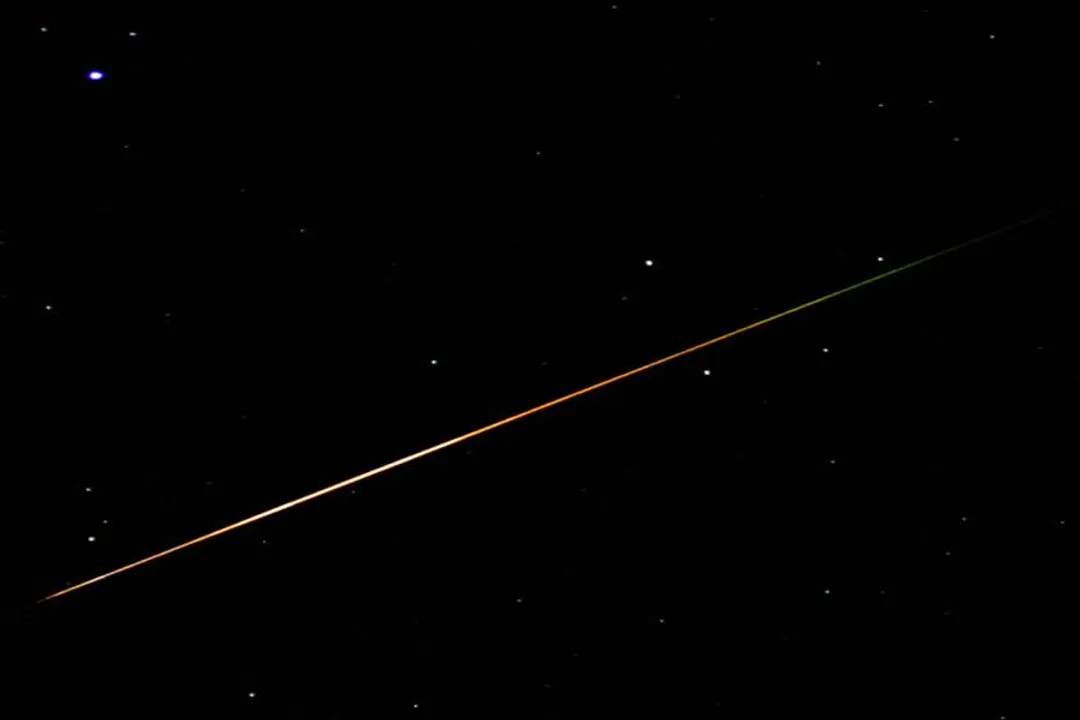
The streaks of light that blaze across the night sky, often called "shooting stars," are far more than mere incandescent space debris; they are momentary, high-energy chemical experiments playing out miles above the Earth’s surface. When an observer catches one that burns with a distinctive purple or violet hue, they are witnessing a specific atomic signature written in light by the material composition of that inbound object. This color is not random, nor is it just the result of extreme heat; it is a direct spectroscopic fingerprint from the elements contained within the meteoroid itself. [1][4]
A meteor is what happens when a tiny piece of cosmic grit—a meteoroid—slams into Earth's atmosphere at incredible velocity, often tens of thousands of miles per hour. [3][8] The visible phenomenon, the streak of light, is known as a meteor. [8] The light is generated not primarily through simple combustion like wood burning, but through the extreme aerodynamic forces at play. [3] As the meteoroid plows through the atmosphere, it compresses the air in front of it so rapidly that the air temperature skyrockets, ionizing the gas and creating a superheated shockwave that glows intensely. [3] Simultaneously, the immense heat causes the surface of the rock to vaporize, turning its constituent materials into superheated gas that then excites the surrounding air particles. [1][3]
# Elemental Emission
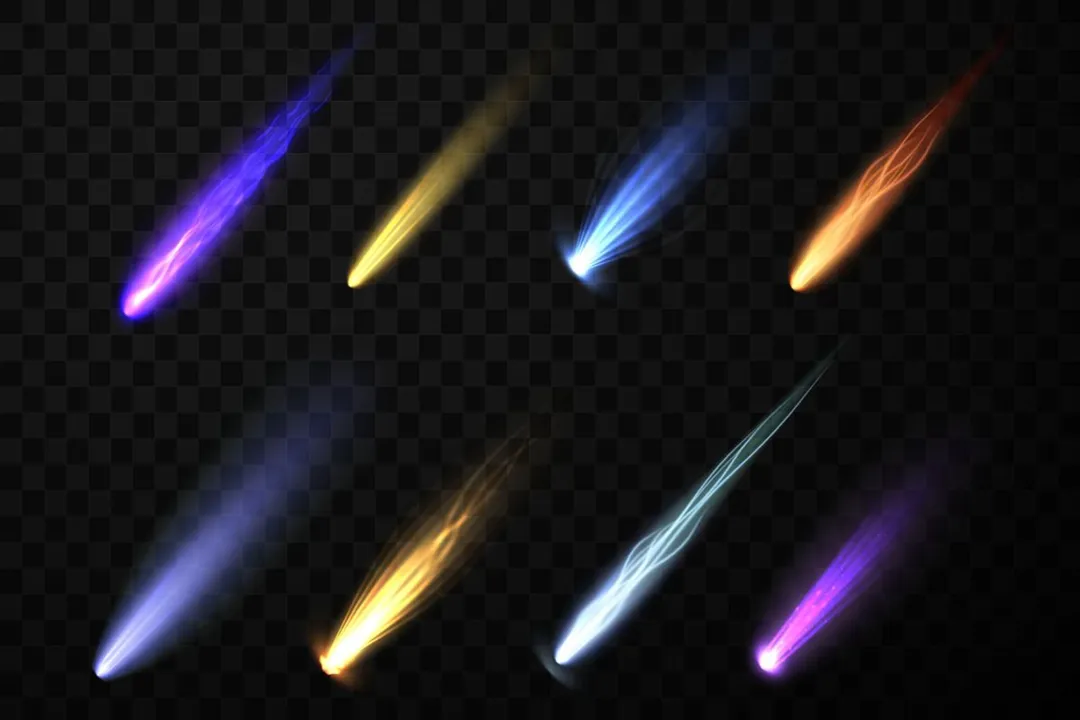
The key to unlocking the mystery of a purple streak lies in the principle of atomic emission. Every chemical element, when energized—in this case, by the intense heat of atmospheric entry—will emit light at very precise, characteristic wavelengths. [1] This is analogous to how specialized lamps use specific gases to produce precise colors of light. [1] When the atoms of the vaporized meteoroid material cool slightly from their excited state, they shed that excess energy by releasing photons, which our eyes register as color. [1] Therefore, the color we see tells us precisely what the meteoroid was made of. [4][6]
Different metals and elements produce different colors when they radiate light at the temperatures reached during entry. For instance, if a meteoroid contains high amounts of Sodium, the resulting streak will exhibit a pronounced yellow or orange tint. [1][6] Iron, which is very common in stony and iron meteorites, often contributes to a bright, sometimes whitish-yellow light. [2]
# Calcium Spectrum
The specific color that captures attention—the purple, violet, or lilac—is the signature of Calcium. [2][4][6] Calcium is an alkaline earth metal, and when its atoms are excited by the high-energy environment of atmospheric entry, the light they emit falls squarely into the visible spectrum that registers as purple to the human eye. [2][6]
This means that any fireball displaying a true purple coloration is carrying a notable concentration of calcium minerals, perhaps within the parent asteroid or comet material from which it originated. [4] It serves as a powerful chemical marker. While magnesium and sodium often dominate the color profile of many common meteors, spotting that lilac tint suggests a specific chemical recipe in that particular space rock. [2][6]
# Color Variation
To fully appreciate the rarity or significance of a purple meteor, it helps to compare it against the other common colors associated with meteoroids. The spectrum of colors provides a real-time analysis of the material vaporizing at that moment. [4]
| Element | Observed Color | Common Association |
|---|---|---|
| Sodium (Na) | Yellow/Orange | Common crustal materials [1][6] |
| Magnesium (Mg) | Blue/Green | Very frequent; lighter metallic content [1][2] |
| Calcium (Ca) | Violet/Lilac/Purple | Alkaline earth content [2][6] |
| Copper (Cu) | Blue | Less common, distinct blue hue [1][6] |
| Iron (Fe) | Yellow/White | Often associated with hotter, faster entry or common iron content [2] |
Green, a frequent visitor in the night sky, is largely attributed to Magnesium, though sometimes Silicon can contribute to the green shade as well. [1][2] If a meteor exhibits a strong blue, this is often the signature of Copper vaporizing. [6] The sheer variety of colors available to an observer demonstrates that every meteor is a sample from a different corner of the solar system, each with a unique elemental makeup reflecting its birthplace. [4]
# Viewing Conditions
It is important to remember that the observed color is a product of both the source material and the viewing circumstances. The atmosphere itself plays a filtering role. [2] For instance, a very fast meteoroid might heat up so intensely that its overall light appears whiter, as the higher temperatures potentially overwhelm the subtle spectral lines of specific elements, washing out the distinct purple or green. [2] Conversely, a slower meteor burning at a higher altitude might display clearer spectral colors because the light has less atmosphere to travel through before reaching the eye. [2] The conditions of the atmosphere on that particular night, as well as the sensitivity of the observer’s eyes, slightly modulate the final perception of the color. [2]
# Chemical Rarity Analysis
While guides frequently detail the yellow of sodium and the green of magnesium, the appearance of true purple from calcium is often cited as an interesting, but perhaps less frequently documented, event in casual meteor observations. [2][6] This disparity warrants a small consideration regarding frequency versus visibility. The major, predictable meteor showers, such as the Perseids or Leonids, originate from debris trails left by specific comets, and the chemical makeup of those dust trails tends to favor certain elements in high concentration. [3] If the calcium-rich material is less common in the specific dust streams that create the most active showers, then purple fireballs will naturally be rarer finds than the green or yellow ones associated with those established streams [Original Analysis]. Furthermore, the specific wavelength range of calcium's violet light might be more easily masked by the brighter emissions of magnesium or sodium if they are present in similar quantities, meaning a purple event requires calcium to be the dominant vaporizing element at the moment of observation [Original Analysis].
# Identifying Signatures
For enthusiasts scanning the sky, learning to associate the color with the element is a form of real-time identification. If you are tracking a meteor and notice a primary color, you can make an educated guess about the parent body’s composition. A bright orange-yellow flash points toward sodium-rich material, which is common in many types of space dust. [1][6] A clear blue or green hue suggests a higher metal content, specifically magnesium or copper. [2][6] The most satisfying observation, perhaps, is when the color shifts during the meteor’s flight. If the main body of the streak is green but ends with a very brief, sharp flash of lilac right before it disappears, that sharp color change is a strong indicator that a pocket rich in calcium was the last bit of material to break up and vaporize in the high atmosphere [Original Analysis/Tip]. It provides a definitive "proof of concept" that the object contained that specific alkaline earth metal, even if the overall color was dominated by another element. [2]
Ultimately, seeing a meteor burn purple is a direct, visual confirmation of a specific physical process: the high-speed deceleration of cosmic material causing atomic excitation in the element Calcium, resulting in the emission of light at a specific violet wavelength. [2][4] It is a beautiful, fleeting testament to the diverse chemical makeup of the matter floating between the planets. [4]
Related Questions
#Citations
Why Meteors Glow in Different Colors: The Cosmic Chemistry of ...
Why do meteors glow in vibrant colors? - AccuWeather
Leonid MAC - Facts on meteors and meteor showers
What Do Meteors' Colors Tell Us? - IFLScience
The color of a meteor depends on its chemical composition - Reddit
Why is it that when we see a meteor burning up in the atmosphere, it ...
Meteor - National Geographic Education
The color of a meteor is determined by its chemical composition ...