What meteor burns red?
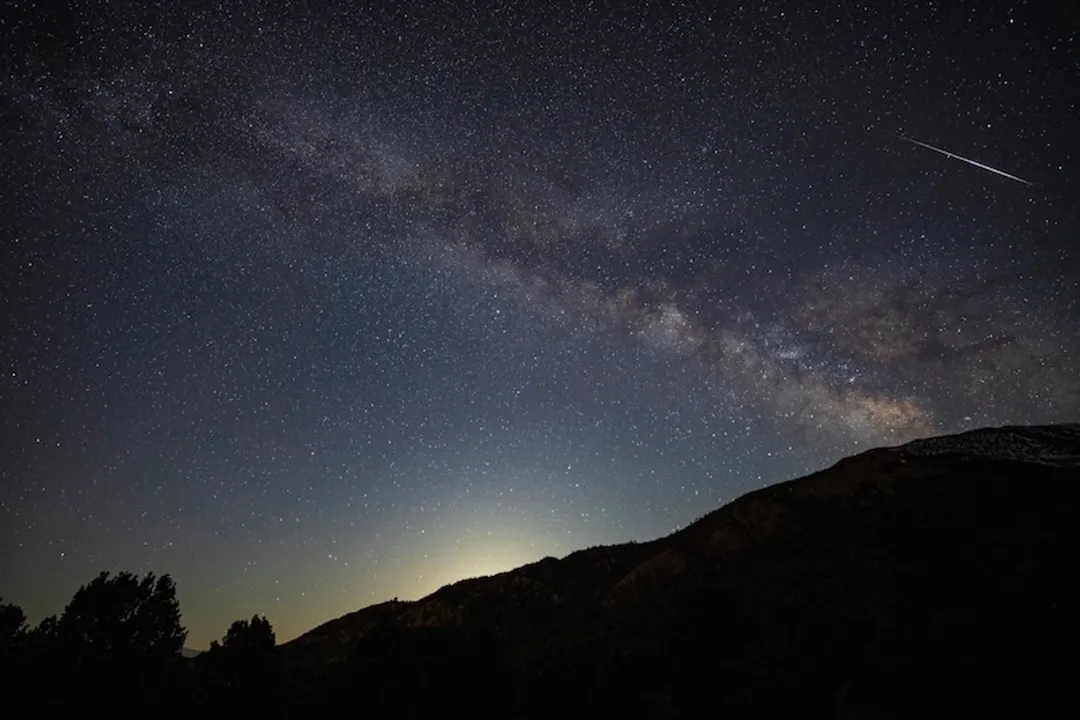
The appearance of a streak of light across the night sky—a shooting star, or meteor—is always arresting, but when that streak burns with a distinct color, it prompts deeper questions about what we are actually seeing. While most flashes are white or yellowish, catching a meteor that burns distinctly red offers a unique visual experience, suggesting specific physics and chemistry are at play high above our heads. [4]
# Why Color Appears
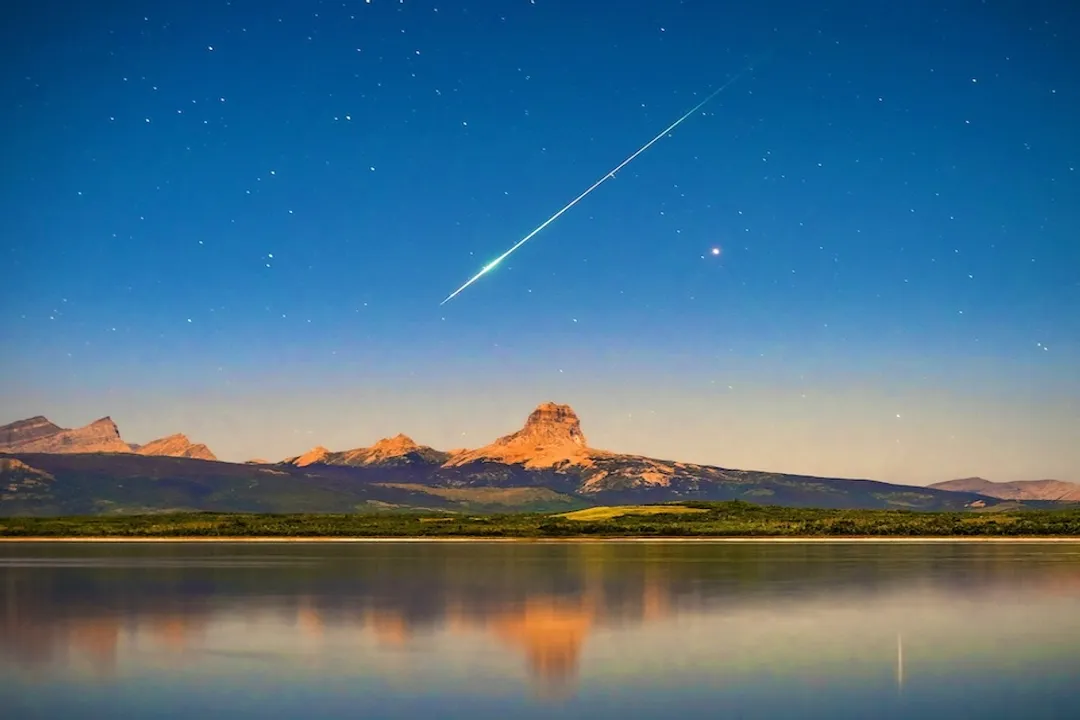
The colors we perceive in a meteor are not random occurrences; they are a direct result of the interaction between the incoming space debris and the gases comprising Earth's atmosphere. [4][5] As a meteoroid, which is the object before it hits the air, plunges into our atmosphere at incredible speed, friction causes it to heat up dramatically, vaporizing the rock and exciting the surrounding air molecules. [7] This process, called ablation, causes the vaporized material and the heated air to emit light across the visible spectrum. [4]
The specific color registered by an observer depends on two main factors: the chemical composition of the meteoroid itself, and the composition of the atmospheric layer the object is currently passing through. [4][5] A meteor is essentially a temporary, superheated plume of ionized gas and vaporized rock, and like any hot gas, the elements present determine the color of the resulting light emission. [5]
# Red Chemistry
When a meteor burns red, it generally points toward the excitation of specific elements or gases. While various elements produce different hues—such as magnesium yielding a blue-green light or iron producing yellow-orange flashes [5][6]—the prominent red glow is most frequently attributed to nitrogen in the Earth’s atmosphere. [4][5] As the intense heat of the meteoroid streaks through the air, it energizes the nitrogen molecules surrounding it, causing them to glow red. [4]
It is important to distinguish between the color imparted by the atmospheric gas and the color from the meteoroid's own material. Sodium, for instance, tends to produce a distinct yellow or orange tint when vaporized. [5][6] Therefore, if the red is very deep and pervasive across the entire streak, the atmosphere's nitrogen is likely the dominant source of that specific wavelength of light. [4] If the meteor shows distinct color layering or a blend, it suggests a combination of its own elemental signature mixing with the atmospheric glow. [4]
| Element/Gas | Common Observed Color | Primary Source of Light |
|---|---|---|
| Nitrogen | Red | Earth's Atmosphere [4][5] |
| Sodium | Yellow/Orange | Meteoroid Material [5][6] |
| Magnesium | Blue-Green | Meteoroid Material [5][6] |
| Iron | Yellow/Orange | Meteoroid Material [5][6] |
# Fire Altitude
The stage upon which this light show occurs is quite specific. Meteors do not typically begin to glow until they have penetrated deep enough into the atmosphere to experience sufficient drag and heating. [8] Generally, meteors start to become incandescent—hot enough to emit visible light—when they reach an altitude of about 70 to 80 miles (approximately 110 to 130 kilometers) above the ground. [8] This means that the entire event, from the first faint glimmer to the final flash, occurs well above the highest commercial airplanes, making the colors observed a phenomenon of the upper mesosphere and thermosphere. [8]
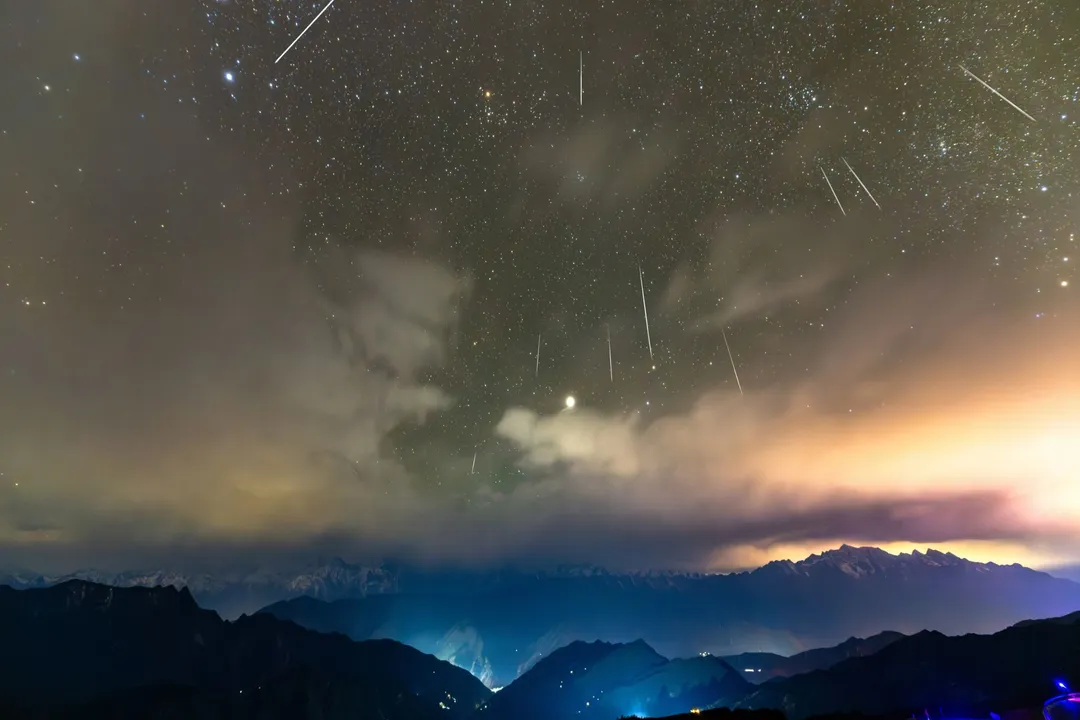
A particularly bright or slow-moving red meteor might suggest that a larger piece of debris is generating a longer, more sustained path of excited nitrogen, or perhaps that the meteoroid is traveling at a relatively slower entry speed compared to a fireball that burns out quickly in a flash of white or blue. [1] For example, the Geminid meteor shower, known for producing bright fireballs, offers many opportunities to observe these distinct atmospheric interactions. [2]
# Shower Association
While any meteor can potentially burn red depending on its speed and the atmospheric conditions it encounters, some meteor showers are known for producing more frequent bright events, increasing the chances of observing various colors. [1][2] The Perseid meteor shower, for instance, is sometimes associated with producing a whole rainbow of colors in the sky due to the variety of dust particles left by the comet Swift-Tuttle. [1]
Even during predictable, less intense showers, like the Ursids which sometimes peak just before Christmas, an observer might still catch a notable red streak if the debris trail happens to contain elements that favor that emission spectrum, or if the entry angle maximizes the atmospheric nitrogen interaction. [9] The crucial point remains that the event must occur within the narrow altitude band where atmospheric gases react intensely to the ablation process. [8]
For the dedicated skywatcher, observing a slow, long-lasting red streak can sometimes indicate a larger, denser piece of material that ablated slowly over a longer vertical path. In contrast, a very fast meteor might heat up so rapidly that the light is brief, often appearing white or blue due to extremely high temperatures which can sometimes mask the subtler red emissions from nitrogen excitation. [1] If you are tracking a meteor shower, noting the duration of the red color might give you a hint about the size and entry angle of the particle that caused it, an interesting data point to keep for personal observation logs. [2][9]
# Distinguishing Phenomena
It is helpful for casual stargazers to keep in mind that not every red streak is necessarily a classic meteor ablation event. While the primary cause for a classic shooting star's red is atmospheric nitrogen excitation, [4] other slower-moving phenomena might appear red for different reasons, such as aircraft lights or even certain types of satellites reflecting sunset light, though these lack the characteristic sudden flash and sharp trajectory of a true meteor. [7] True meteors are defined by that brief, incandescent streak caused by entry into the atmosphere at high velocity. [7] A strong, clear red light associated with a meteor is a reliable sign that the air pressure and speed were perfectly calibrated to excite the nitrogen molecules at that altitude.
Related Questions
#Citations
Perseid meteor shower TONIGHT! But what makes the rainbow ...
Geminid shooting stars: One of 2025's most exciting meteor showers ...
A red meteor - Astronomy Magazine
What Do Meteors' Colors Tell Us? - IFLScience
The color of a meteor depends on its chemical composition - Reddit
Can you tell what a meteor is made of by the color it burns? I've seen ...
Leonid MAC - Facts on meteors and meteor showers
How high up are meteors when they begin to glow? - EarthSky
Catch the Ursid meteor shower as it peaks just before Christmas